
- Director’s Message
- NWREC Director Transition
- Feature Focus: Dr. Kevin Murphy, Director of WSU Breadlab
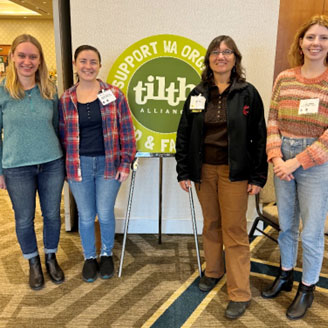
- Lunch & Learn Seminars
- Program Highlights
- Employee and Graduate Student Highlights
- Publications
Director’s Message
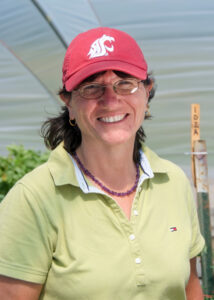
As we bring 2024 to a close, it is always gratifying to look back and reflect on what we have accomplished at WSU NWREC. As you will see in our program updates below, the research and Extension programs at the Center led by our core faculty continue to be strong and productive. Kevin Murphy and Steve Lyons of WSU BreadLab are moving more of their research back to NWREC and are working with our farm and facilities staff to meet their field and storage needs (see Kevin’s program highlight below). We have a new WSU program expanding to NWREC this year: Michael Neff planted turf grass research plots this year. We anticipate seeing Dr. Neff at NWREC often and have set aside office space for his use.
We continue to make facility upgrades and improvements at NWREC to improve the facilities for our research programs. With infrastructure, if you are standing still, you are falling behind. Our farm buildings are very old and the farm shop building has literally been falling apart at the seams. This building has been on the replacement request list for more than 20 years, and this year we decided we can no longer wait and we started making improvements. We installed new rain gutters and a drainage field around the building, sealed the wall seams at roof and foundation, replaced all lighting, installed heating and cooling for the farm office, and are currently installing a new, taller roll-up door so we can move equipment in and out. Along with the new restroom and utility sink we installed in the farm shop this summer, this area is becoming a much more pleasant place for our farm crew to work, which is really important to all of us as they do such critical work that keeps us all running. We are also continuing to upgrade our 1948 greenhouses following the installation this last year of new energy efficient modern boilers. As we have funds, we are upgrading the heating, cooling and environmental control systems as well as the roofing, one bay at a time. These greenhouses are solid structures and the cost to replace them continues to rise significantly (last estimate was $1.8 million), and so it is financially prudent for us to improve our current workspaces as best we can.
Looking ahead to 2025, we will be recruiting for two new positions at NWREC: Raspberry Breeder, Horticulture Department, endowed by the Washington Red Raspberry Commission; and Weed Scientist, Crop and Soil Sciences, supported by our undergraduate teaching program at WSU Everett and the Washington Blueberry, Potato and Vegetable Seed crop commissions. We thank these industries for their support of these positions and for their patience and time contributions as we work together to advertise, screen and interview applicants. We all want to hire the best persons possible that we all feel will meet the needs of both the industry and WSU. If you have any questions or know of potential applicants, please contact the committee chairs: Lisa DeVetter (lisa.devetter@wsu.edu) for the Raspberry Breeder position, and Drew Lyon (drew.lyon@wsu.edu) for the Weed Science position.
It has been my great pleasure to serve as the NWREC Director the past 4 ½ years, but I will no longer be the Director as of January 1, 2025. The Center was strong when I inherited the leadership role from Chad Kruger in 2020, and is even stronger now with our outstanding staff and faculty programs, our undergraduate program at WSU Everett, and our fiscal responsibility – which is no small accomplishment given the level of budget cuts we had to make during my term. I look forward to seeing you at spring workshops and meetings at NWREC, and send all of you my best wishes for a joyous holiday season.
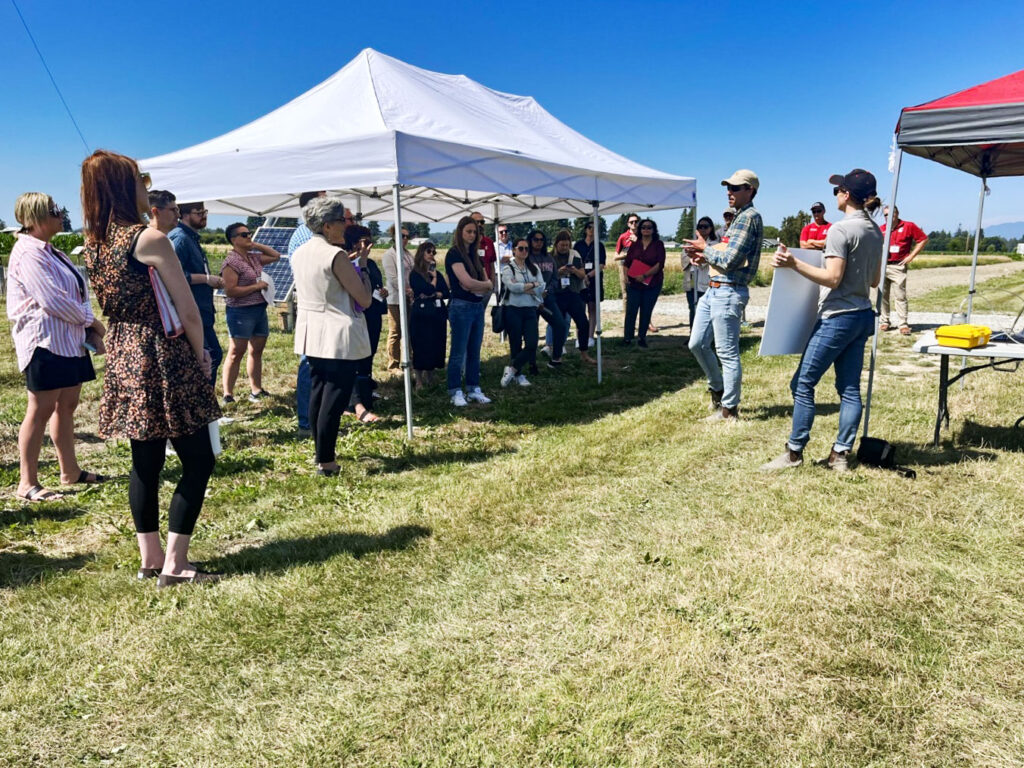
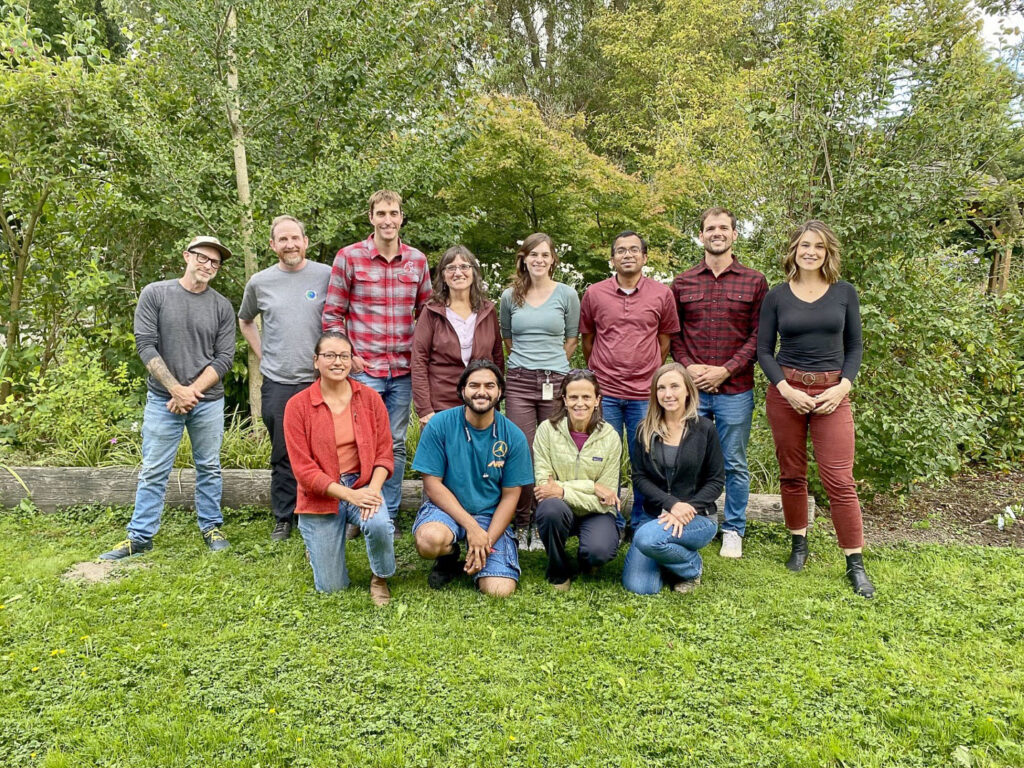
NWREC Director Transition
Please join me in thanking Dr. Carol Miles for her leadership as Director of the Mount Vernon Northwestern Washington Research and Extension Center (NWREC). Dr. Miles’ term as director ends on December 31, 2024. Effective January 1, 2025, she will resume responsibilities as a full-time faculty member in the Department of Horticulture.
Dr. Miles has served as the director of NWREC since July 2020, leading the Center through challenging times while continuing to grow its programs and impacts. Throughout, she has maintained her academic program that currently includes collaborations with partners around the world. Earlier this year, Dr. Miles was recognized as a Fellow of the American Society of Horticultural Science.
Over the remainder of December, Associate Dean Leslie Edgar will work with the team at NWREC to secure a leadership plan for the future of the Center. Details will be shared as they become available.
Wendy Powers
Cashup Davis Family Endowed Dean
College of Agricultural, Human and Natural Resource Sciences
Feature Focus
Dr. Kevin Murphy, Director of the Breadlab
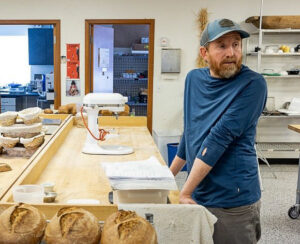
Dr. Kevin Murphy was appointed as the Breadlab’s Director and Clif Bar-King Arthur Baking Company Endowed Chair in Organic Grain Breeding and Innovation on July 1, 2024. Bringing more than two decades of experience breeding wheat, barley, spelt, quinoa, and buckwheat, Kevin will continue the work of Dr. Stephen Jones to breed, test, and integrate new grain varieties intended for the public good, organic agriculture, and improved seed and food systems.
Taking the helm of the Breadlab is a natural move for Dr. Murphy. With a long history of collaboration with farmers and organizations in western Washington, he joined Jones’ wheat breeding team as a graduate student and helped establish WSU’s organic wheat breeding program. Joining the WSU faculty in 2009, he began breeding spelt, buckwheat, and quinoa before moving to organic quinoa and barley.
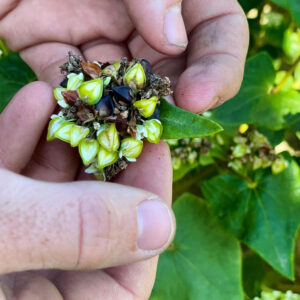
Murphy launched Sustainable Seed Systems lab in 2016, which has had national and international impact with their research on quinoa varieties bred for global food nutrition, quinoa and millet trials in Rwanda and Malawi, working with rural farms in Kenya and Ecuador to diversify the agricultural system with climate resilient crops, and the recent release of WSU’s first buckwheat variety, ‘Tinker’. This is an opportunity for the Breadlab and Sustainable Seed Systems Lab to optimize their complementary work and together, continue to breed climate resilient varieties that bring diversity back to the field, contribute to the health of people and farms, and emphasize accessibility and affordability of the crops and foods they work with.
Lunch & Learn Seminars
Program Highlights
Berry and Potato Pathology
Roshani Baral successfully defended her master’s thesis in August, and she is currently enrolled as a PhD student at the University of Nebraska-Lincoln. She screened several Botrytis isolates from blueberry fields for resistance to different fungicide chemistries and generated new information that is relevant to the Washington blueberry industry.
Purnima Puri completed greenhouse and field trials focused on understanding factors impacting in field development of silver scurf disease of potato. She plans to defend in December and is actively working to submit thesis to her master’s advisory committee members.
Mary Steele attended the Plant Health 2024 Conference (July 27–30 in Memphis, TN) and presented a poster on shift in fungicide sensitivity of Botrytis isolates. She successfully completed the first year of screenhouse trials focused on determining critical stages for Botrytis infection in highbush blueberries.
Adam Elcan did a phenomenal job managing and harvesting three potato field trials this summer, and he enrolled in a plant pathology course this coming spring to learn more about plant disease management.
Aidan Hostetler joined the Berry and Potato Pathology program this fall, and they have been supporting all team members with field, greenhouse, screenhouse, and lab research.
Cristina Ocaña Gallegos learned new lab skills to detect viruses from blueberry leaf samples. All team members are looking forward to share research results with growers at stakeholder meetings this winter.
Entomology
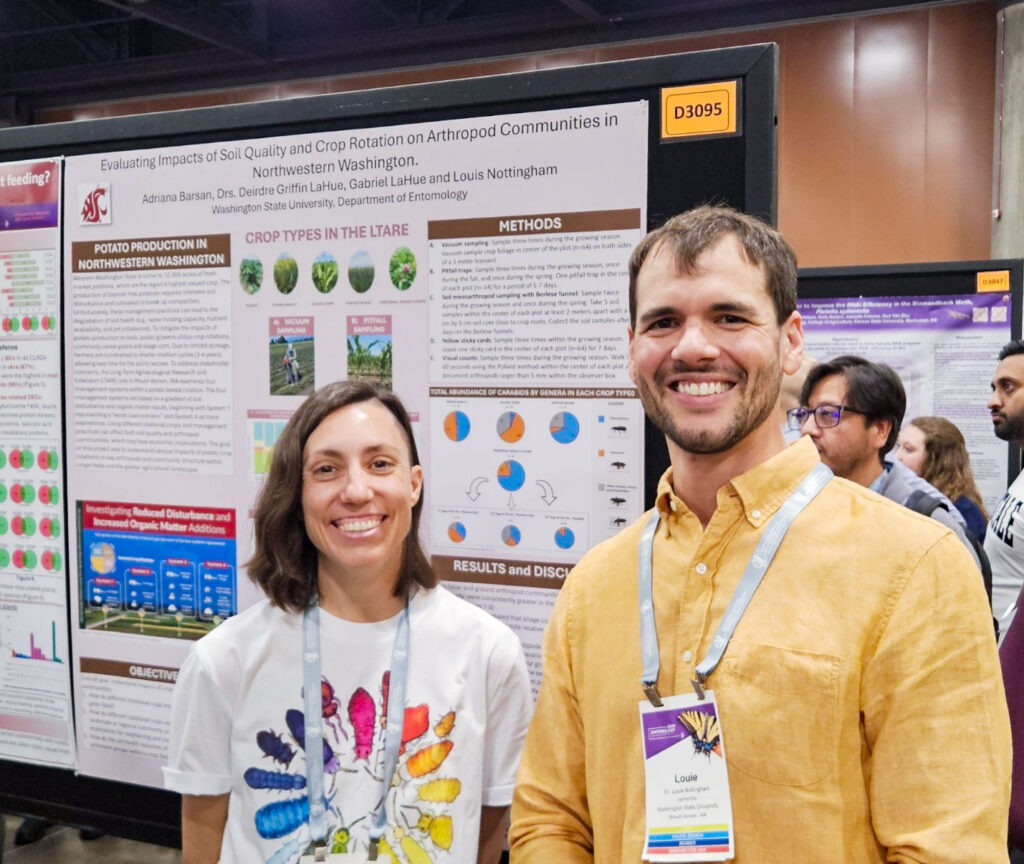
The Entomology program at the NWREC is led by Dr. Louis Nottingham (‘Louie’, he/him/his), who started in October 2022. Louie was previously at the Wenatchee TFREC since 2017, where he served as a research assistant professor and the pear entomologist. The current entomology team consists of technical staff Ben Diehl, Chris Sater, and Charles Coslor and students Molly Sayles (PhD), Adriana Barsan (MS), Claire Winslow (MS), Robert Czokajlo (MS), and Julia Gray (undergrad intern).
Ongoing projects in the Entomology lab include:
- Novel Integrated Pest Management (IPM) tools for blueberry and raspberry pests including ovipositional baits and repellent clay.
- Effects of rotational crops and soil health on arthropod communities.
- Efficacy of at-plant insecticides for control of seedcorn maggot in spinach planted for seed.
- Reflective and biodegradable mulches for management of strawberry pests including aphids, mites, and thrips.
- Regional surveys of pests and beneficial insects in potatoes.
- Monitoring spread and impacts of newly establish parasitoid wasps of spotted wing drosophila.
Small Fruit Horticulture
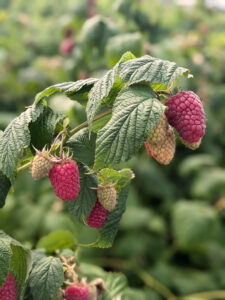
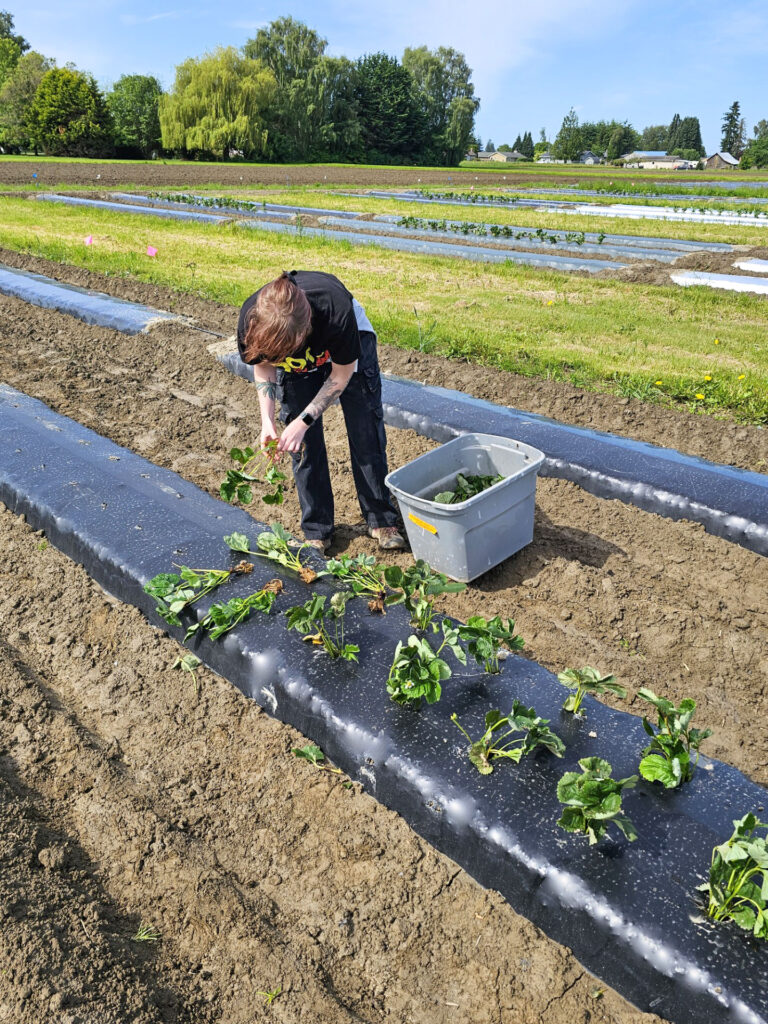
The Small Fruit Horticulture program remains continuously busy, as there is no rest when you work with perennial crops! The focus of the program is maximizing productivity, fruit quality, and on-farm efficiencies while ensuring the health of adjacent natural resources critical for small fruit crop production in the Pacific Northwest. Primary research areas include optimizing pollination services in small fruit crops, improved end-of-life management of agricultural plastics used in small fruit crop production, minimizing environmental stress (e.g., heat and cold), machine harvesting technologies, and nutrient management.
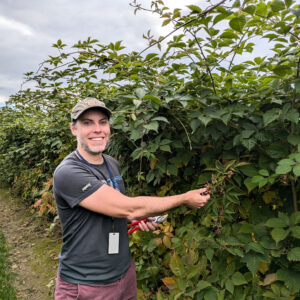
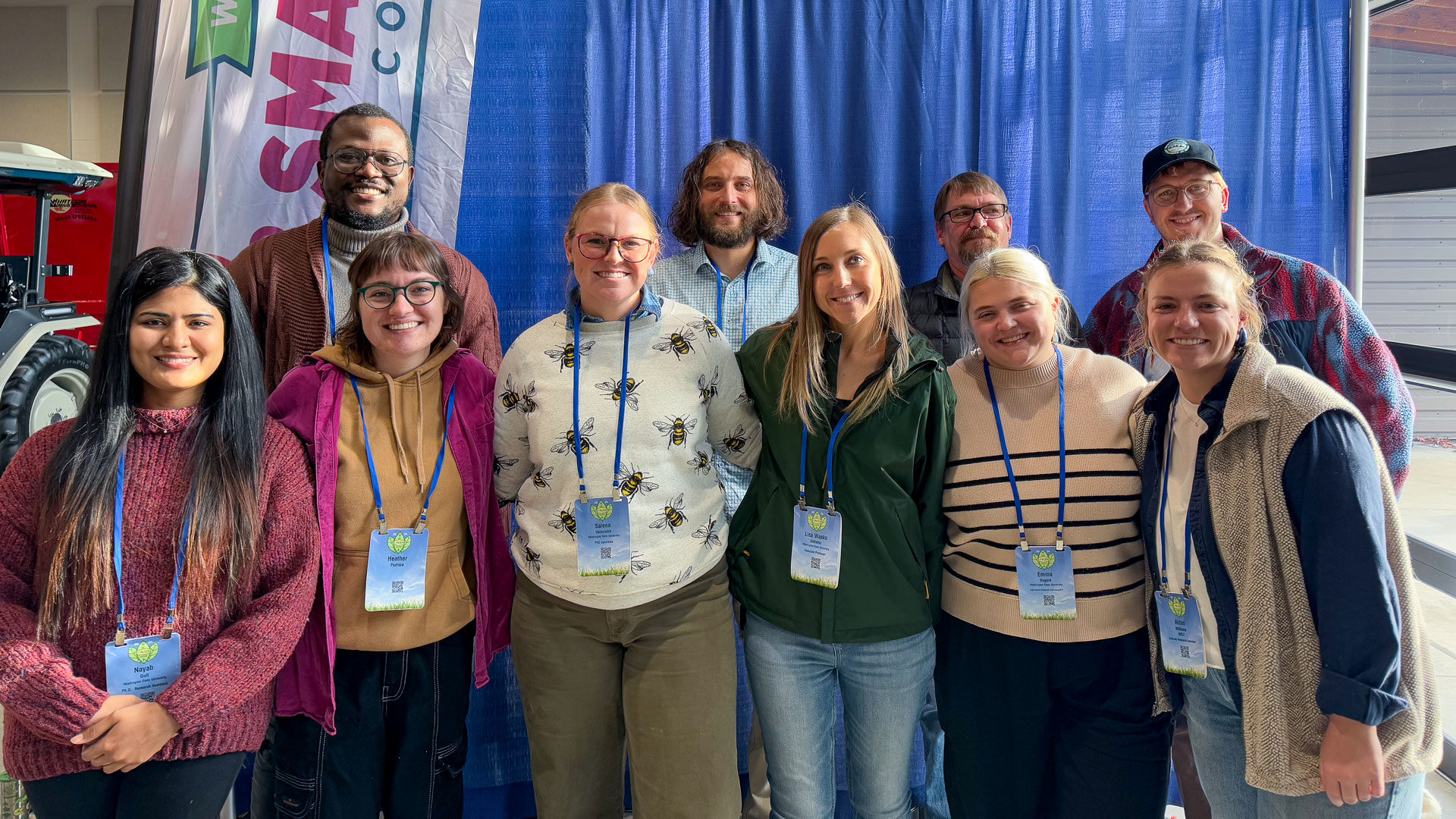
Our technician team—Brian Maupin, Emma Rogers, and Ed Scheenstra—continue to provide amazing support in the field and lab. We also value the contributions of our communication specialist, Dr. Nataliya Shcherbatyuk, and project manager, Wendy Britton. We have three new additions to our lab, Dr. Pedro Rojas-Barros, Micah Evalt, and Heather Pedroza. Pedro is studying cold hardiness in caneberry with the aim of developing predictive cold hardiness models that growers can use for forecasting purposes, while Micah will soon start his Master’s research focused on heat mitigation during the blueberry bloom and pollination period. Heather provides technical support but has become an expert at running fruit quality analyses. Our more senior lab member, Dr. Givemore Munashe Makonya, completed a successful year evaluating various heat mitigation practices in raspberry with promising results for biostimulants/heat protectants, evaporative cooling, and shade cloth. PhD graduate students Salena Helmreich (co-advised by Dr. David Crowder) and Nayab Gull (co-advised by Dr. Deirdre Griffin LaHue) are progressing on with their research on blueberry pollination and soil-biodegradable plastic mulches, respectively. Salena will soon be circulating a comprehensive guide to northern highbush blueberry pollination, which should be impactful to growers and beekeepers that seek to improve pollination in this globally significant crop. MS graduate students, Ben Weiss and Aidan Williams, are likewise making contributions on mulch research and outreach with an emphasis on biobased alternatives that could be suitable for organic crop production. We will be sharing more details about our research at upcoming fall and winter conferences and look forward to re-connecting with our grower and industry partners.
Soil Health
Members of the Soil Health program just returned from our annual conference of the Agronomy, Crop Science, and Soil Science Societies of America, where graduate students Annah Young, Nayab Gull, Evan Domsic, and Madeline Desjardins presented their research to over 4,000 other researchers. Overall, we were part of 10 presentations given by grad students and collaborators. The conference is always a great opportunity to stay up-to-date on the latest agricultural research and to synthesize our own research findings from the previous year or two. As we move from field season to conference season, the Soil Health program looks forward to sharing our work at numerous local and regional grower-focused meetings.
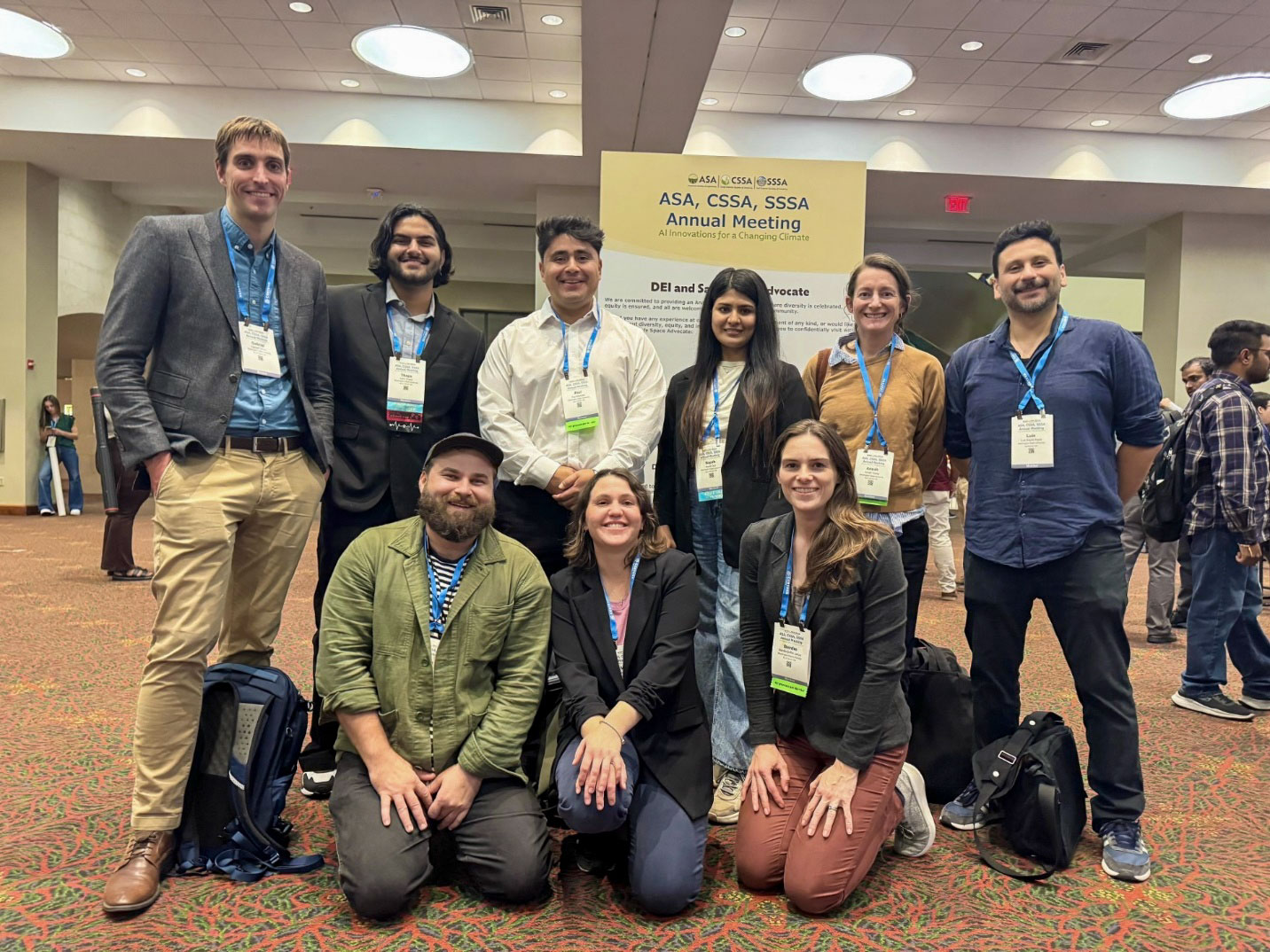
Our 6th season at NWREC wrapped up well, with many harvest and soil sampling activities. The LTARE soil health management trial completed a full 4-year rotation and we are excited to be observing positive changes in soil health properties (e.g. soil organic matter) in some of the treatments. With the The ‘State of the Soils’ project, over 1200 fields have now been sampled and analyzed, and postdoctoral scholar Luis Reyes Rojas is hard at work on data cleaning and analysis to evaluate the impacts of climate, soil type, and soil management on soil health parameters across Washington.
We welcome a new graduate student, Erik Spitzer, on December 1. Erik joins us as a PhD student, co-advised by Dr. Kevin Murphy with the Sustainable Seed Systems Lab and Breadlab. He’ll be working on a newly funded OREI grant entitled “More Bang for Your Buckwheat,” focused on optimizing the benefits buckwheat can provide in rotation with other crops (e.g. weed suppression, nutrient availability).
Soils & Water
The crops are out of the ground, the days are short, and we are in the final weeks of the fall semester. While this time of year comes with plenty of challenges, it can be quite rewarding to work on data analysis and finally see the results of the program’s hard work over the summer.
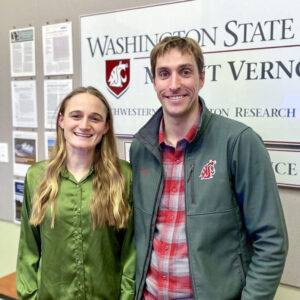
Speaking of hard work, congratulations to MS student Claire Yost, who did an excellent job writing, defending, and presenting her thesis work. With funding from the WSDA Specialty Crop Block Grant (pdf) program, Claire evaluated Regulated Deficit Irrigation (RDI) in cider apple production and found that substantial reductions in applied irrigation water were possible with no discernable effect on fruit yield. While effects on juice quality were limited to increased total soluble solids (sugar) with RDI, and the hypothesized changes to the phenolic profile of the juice did not materialize, the potential cost savings with RDI could be quite impactful if carefully managed. Claire will be starting her new role as an Agronomy Scientist in Bellingham with Tidal Grow® AgriScience, a division of Tidal Vision Products, Inc., a company that produces fertilizers and crop protection products from seafood processing byproducts.
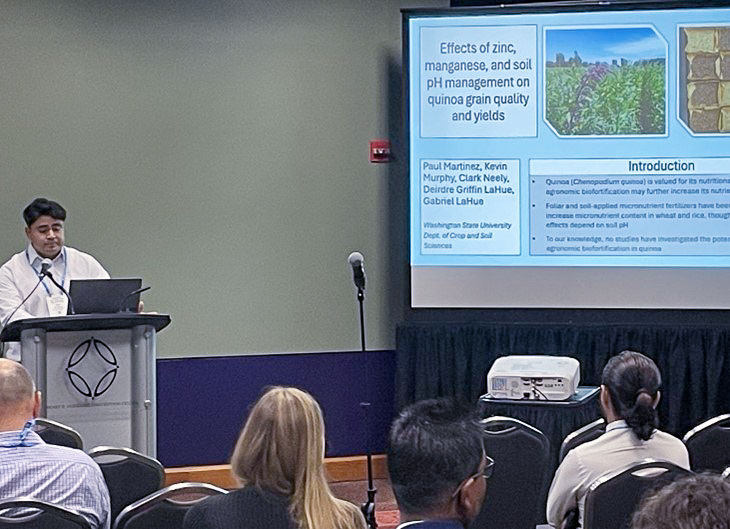
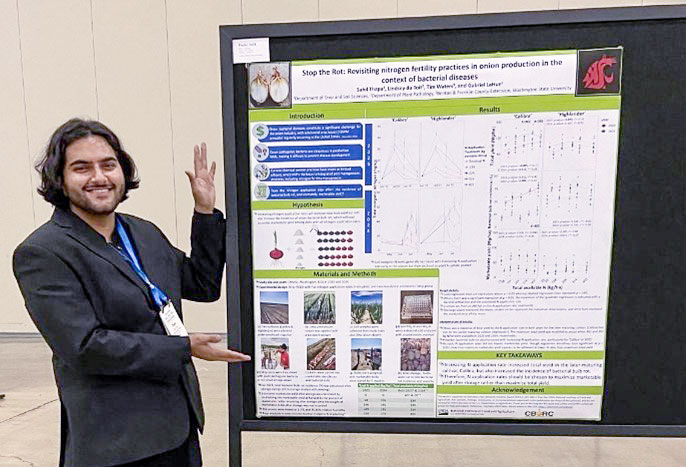
Congratulations are also in order for Sahil Thapa and Paul Martinez, both of whom did a great job presenting their work at the Soil Science Society of America annual meeting in San Antonio, Texas. Sahil won second place in the MS Student competition for the Soil Fertility and Plant Nutrition Division.
We’re looking forward to seeing many of you at this winter’s workshops, including the Lynden Ag Show, the Western Washington Seed Workshop, and the Western Washington Potato Workshop, where we’ll present updates on the Mount Vernon Long-Term Agroecological Research and Extension (LTARE) Site, our screenhouse trials evaluating spinach seed crop growth stages most sensitive to water stress, and our WSDA Specialty Crop Block Grant (pdf) investigating connections between soil physical health, soil moisture, and irrigation scheduling for fresh-market potatoes. Preliminary results from this latter research show that letting soil moisture fall below 50% of plant available water reduces potato yield, as does soil compaction caused by early field traffic without deep tillage to break up the compacted layer. Come join us to find out more!
Vegetable Horticulture
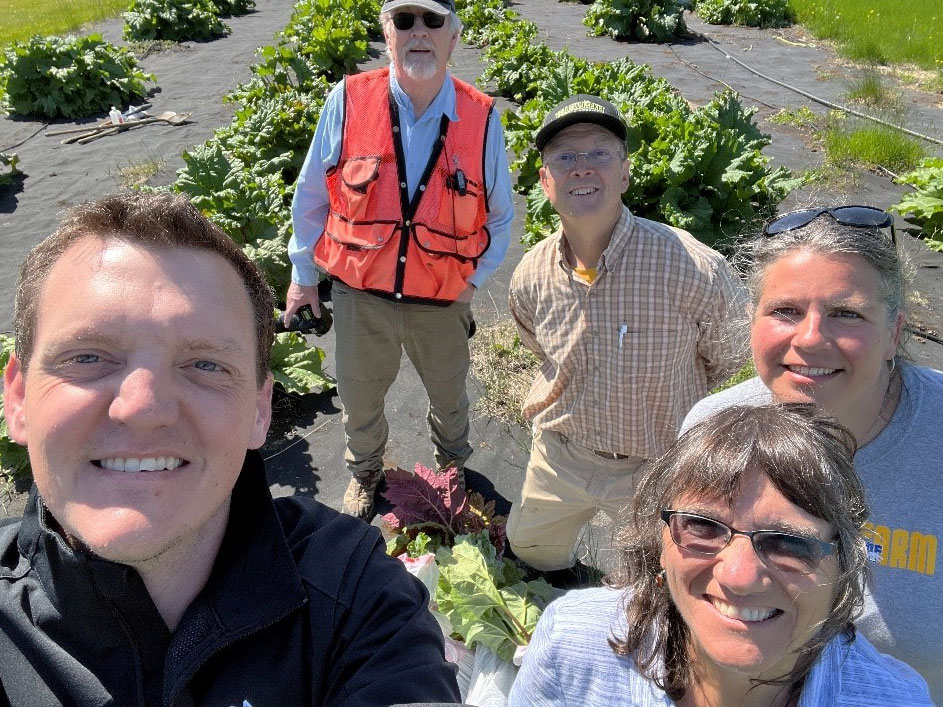
Our research program this year continues to focus on sweetpotatoes and tea plants. Our field trials at NWREC and with 32 farmers in northwest Washington, led by PhD student Laura Schulz, continue to show that sweetpotatoes can be grown successfully in the region. The new cultivar Cascade released by USDA sweetpotato breeder Phil Wadl based on our research results, is wireworm resistant and has pale yellow, dry flesh, which is unique for the U.S. but common world-wide. This year we collected and propagated purple sweetpotatoes, led by MS student Jordan White, with the goal of expanding into on-farm trials next year. Cv. Cascade and purple sweetpotatoes provide growers with new, unique cultivars to market. We are carrying out this project in collaboration with Laurel Moulton and Sammi Grieger, WSU Clallam County Extension, with funding from WSARE. MS student McKenzie Shelton has propagated 14 tea plant varieties, provided by USDA National Plant Germplasm System (NPGS) and the tea research program in Mississippi, and planted an on-farm trial with cv. Minto Pacific, to test establishment in our region. McKenzie is also working to develop a tissue culture protocol for tea plants so we can provide clean plant material to propagators. PhD student Srijana Shrestha has started a civilian science project by providing tea plants to Master Gardeners and asking them to record plant health and growth data, with the goal of gaining a better understanding of the plant’s suitability for a diversity of locations and care in our region. PhD student Alex Cornwall (Curator in Training, USDA Plant Introduction Center, Pullman), Ann Kowenstrot (MSAg graduate from my program 2023) at the University of Alaska, and I collected 10 new unique rhubarb plants in Alaska and added them to the USDA germplasm repository in Pullman. MSAg student Diego Manay has written a summary of table-top high tunnel strawberry production based on his experiences working with a commercial farm in B.C. Canada. This report provides growers in the Pacific Northwest a guide for this new production system. In our cider apple research orchard, MS student Seth Brawner found mechanized pruning and harvest significantly reduces labor needs associated with growing cider apples in Washington, while fruit yield and juice quality were maintained. Mechanical pruning was in the summer by hedging to create a tall spindle fruiting wall, and harvest was with an over-the-row harvester that was custom-made by Oxbow (formerly Korvan) in Lynden, WA.
See my webpages for more information on our vegetable research and cider apple research programs.
Vegetable Seed Pathology
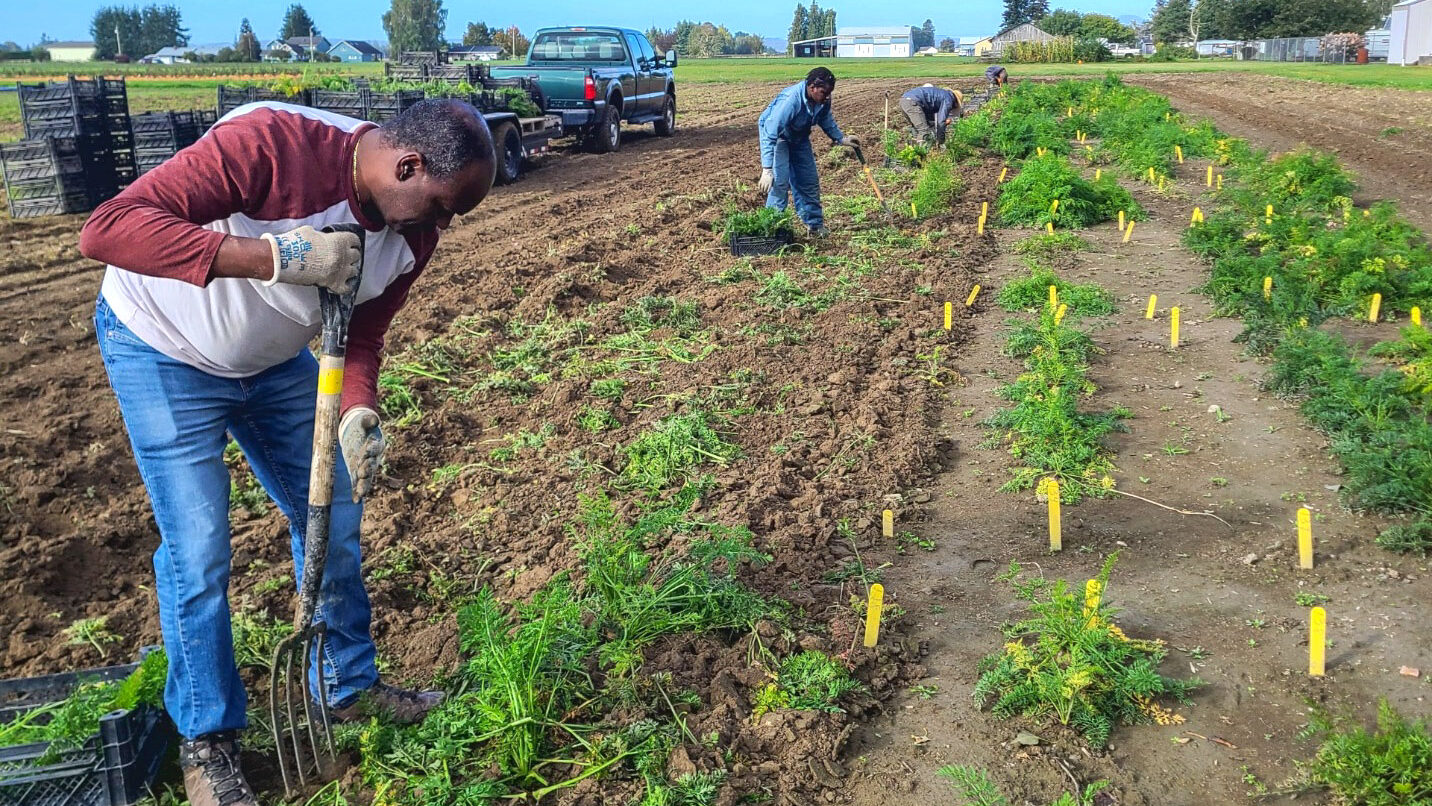
The 2024 field season went smoothly for the Vegetable Seed Pathology (VSP) program, with completion of trials in central and western Washington. Four years of field trials screening carrot breeding lines for resistance to cavity spot in the WSU Carrot Cavity Spot Nursery at the WSU Mount Vernon NWREC contributed to the release of two carrot inbred lines with partial resistance to cavity spot: F7738 and Nbh2306. This work was in collaboration with Dr. Phil Simon, USDA ARS carrot breeder in WI; and Dr. Mary Ruth McDonald, Plant Pathologist at the University of Guelph, Ontario, Canada.
The VSP team welcomed two new members in September 2024:
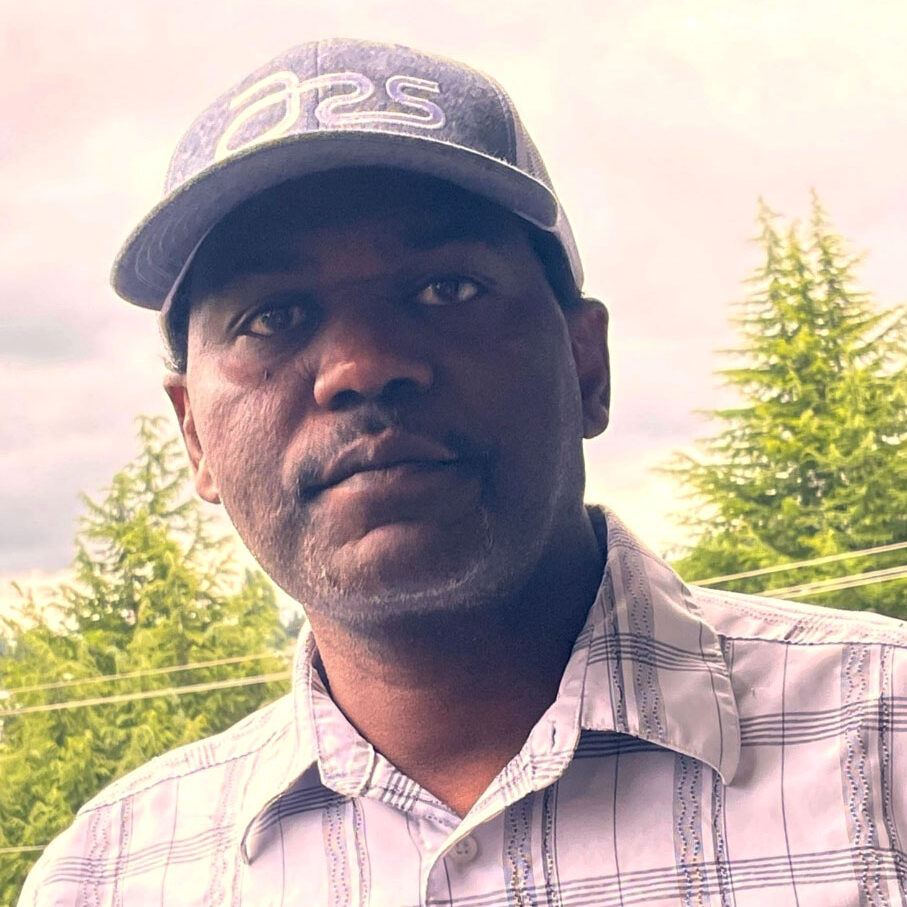
Dr. Sintayehu Daba
Dr. Sintayehu Daba started on September 3 as a Postdoctoral Research Associate working on the genetics of resistance to spinach Fusarium wilt for the USDA NIFA Specialty Crops Research Initiative Grant No. 2023-51181-41321. This project, involving multiple universities and the USDA ARS, aims to develop molecular breeding methods and phenotyping tools to accelerate spinach cultivar development. His work builds on the research of a former postdoctorate, Dr. Sanjaya Gyawali, who now works for Sakata Seed America in Burlington, WA. Sintayehu is originally from Ethiopia, where he earned a BSc in Plant Sciences and an MSc in Plant Breeding from Alemaya University. Sintayehu spent 10 years as a barley breeder at the Ethiopian Institute of Agricultural Research, before completing a PhD in Plant Breeding and Genetics at North Dakota State University (NDSU). He then worked at Purdue University for ~4 years in the winter wheat breeding program. In 2020, Sintayehu joined the USDA-ARS Western Wheat Quality Lab in Pullman. Sintayehu’s wife, Yeshiwork Tae, was hired recently by the Bread Lab/Plant Breeding Program to assist Steve Lyon and Dr. Kevin Murphy with their plant breeding program. Sintayehu and Yeshiwork have their three daughters: Kena (at Whitman College), Kiya (high school), and Ayantu (middle school).
Dr. Michael Gordon
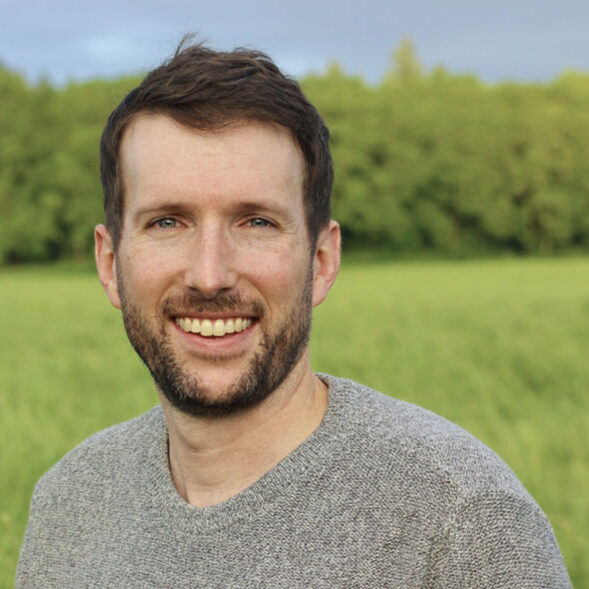
Dr. Michael Gordon started on September 9 as a Scientific Assistant Senior. Originally from Illinois, made his way across the western U.S., working in Arizona, New Mexico, Wyoming, Alaska, Oregon, and now Washington. While an undergraduate student at Oregon State University, Michael got a student job performing molecular diagnostics for the OSU Plant Clinic. He liked plant pathology so much that he stayed on after graduation to help with a grant aimed at helping the nursery industry manage gall-forming bacteria. This inspired him to pursue a PhD at OSU, which he completed in January 2024, after developing RNA-interference-mediated disease resistance in trees against fungal pathogens and evaluating non-target impacts of this technology on foliar microbiomes. In his free time, Michael is a musician, craftsman, and a cook. He enjoys playing old-timey music on his mandolin and fiddle, slowly builds his own furniture, and enjoys cooking and sharing comfort food with others.
In July 2024, Lindsey du Toit was invited to give a presentation in the ‘Pathologists of Distinction’ series at the annual meeting of the American Phytopathological Society in Memphis, TX. Her presentation was titled ‘Plant Pathology: An unexpected journey of discovery, service, and gratitude.’ As chair of the APS Seed Pathology Committee, Lindsey also organized and moderated a special session at this conference titled ‘Translating the Science of High Throughput Sequencing to Seeds’.
Turfgrass
Dr. Neff joined WSU Pullman in 2007 and was the Director of the Molecular Plant Sciences PhD program from 2009 to 2023. His work has historically focused on the question of how plant signaling pathways modulated by light and hormones control plant development. Since 2012, Dr. Neff’s group has been working on grasses such as Kentucky bluegrass, which is an important rotation crop in eastern Washington where 80% of the world’s seed supply is produced.
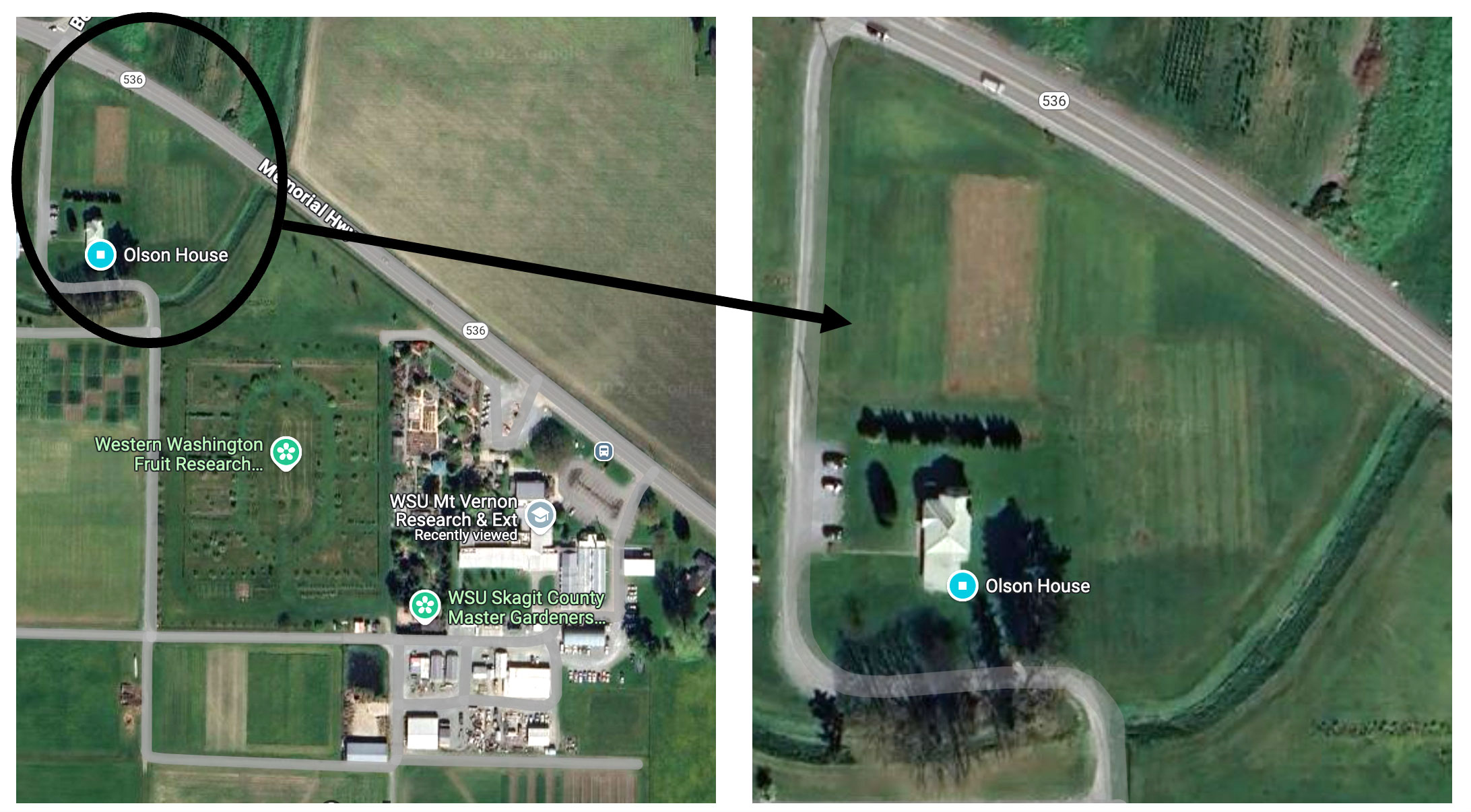
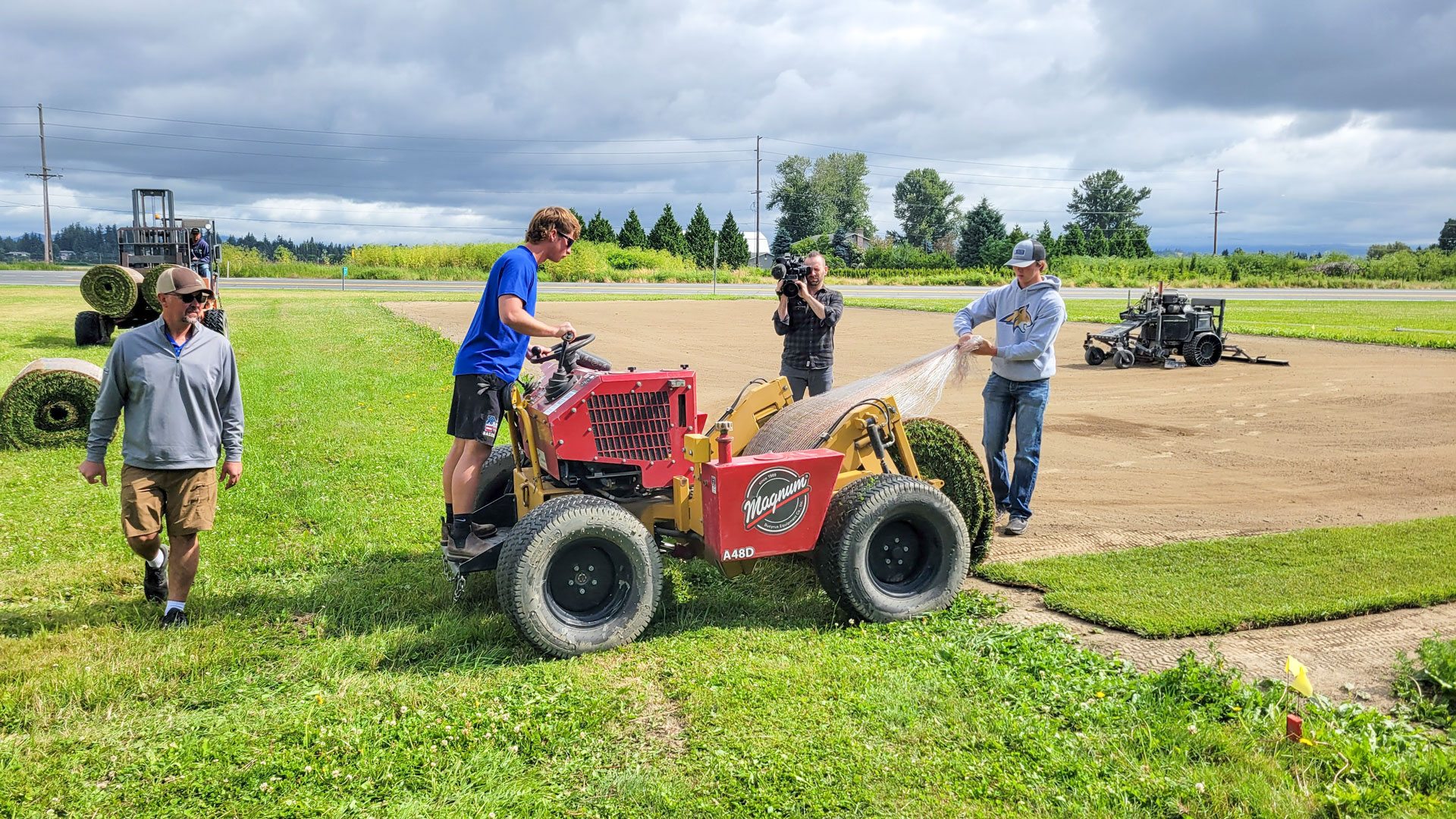
In 2019 Dr. Neff helped WSU build a new Grass Breeding and Ecology Farm in Pullman. He is now expanding his program to the NWREC where he is building a second farm focusing on phenotypic analysis, disease pressure and drought tolerance in grasses used for turf (sports, lawns and utility), land reclamation, forage and ornamental purposes. The new farm will be in the triangular area surrounding the Olson House. This past summer, his group installed three types of sod used for sports turf as well as over 200 accessions from his breeding program to the north of the sod trials. This coming spring he will be installing an irrigation system and expanding the footprint of the farm to fill the triangle. He also hopes to plant demonstration plots for both turf and ornamental grasses that can be viewed by those visiting the WSU Skagit County Master Gardener’s Discovery Garden. Dr. Neff will be primarily located at the NWREC for 2025 as he runs his program here and in Pullman.
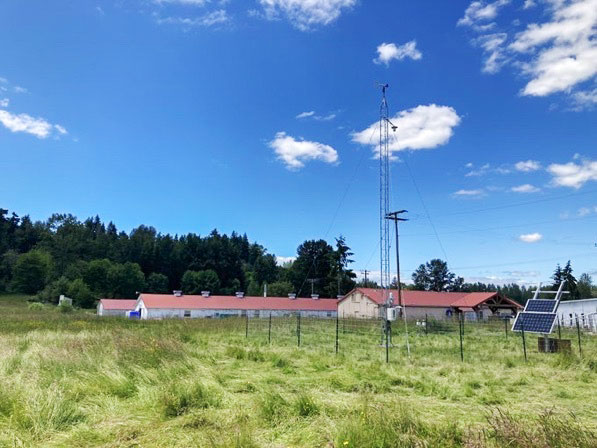
Washington Mesonet and AgWeatherNet
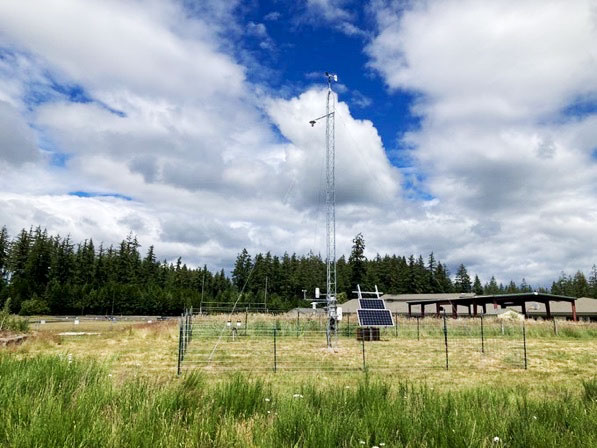
The team at AgWeatherNet has been hard at work installing Mesonet towers to improve network coverage across the state. The legacy station at the Puyallup Research and Extension Center was upgraded to a Mesonet tower just in time for the U.S. representative staff visit in August. New stations were installed this year at Kettle Falls, Forks, Joyce, and Shelton with the last major Mesonet upgrade occurring at the Chehalis station October 31.
AgWeatherNet has bid farewell to Nathan Santo Domingo who performed duties as a field technician as well as the lead forecaster and AWN social media liaison. We would like to thank him for his hard work over the past two years and wish him the best in the DNR Wildland Fire Management Division. The AWN team hired Joshua Ward as his replacement. Josh is located at the Prosser IAREC where he is learning the ropes and settling in.
Looking towards the future, AgWeatherNet is planning to have 70 Mesonet weather stations installed by the end of 2025. The team is working on finding sponsors/landowners for upcoming stations and are hoping to find locations in Longview/Cowlitz County as well as Cathlamet/Wahkiakum County. Station installations in these last two locations will fulfill the state legislative mandate for AWN of having a weather station in every county in Washington State. AWN is also looking to build or upgrade stations in Ferndale, Snohomish, and Quinault. If you are interested in station siting requirements or hosting a weather station at any of the aforementioned locations, please contact AgWeather Net (weather@wsu.edu).
USDA-ARS Small Fruit Pathology Program
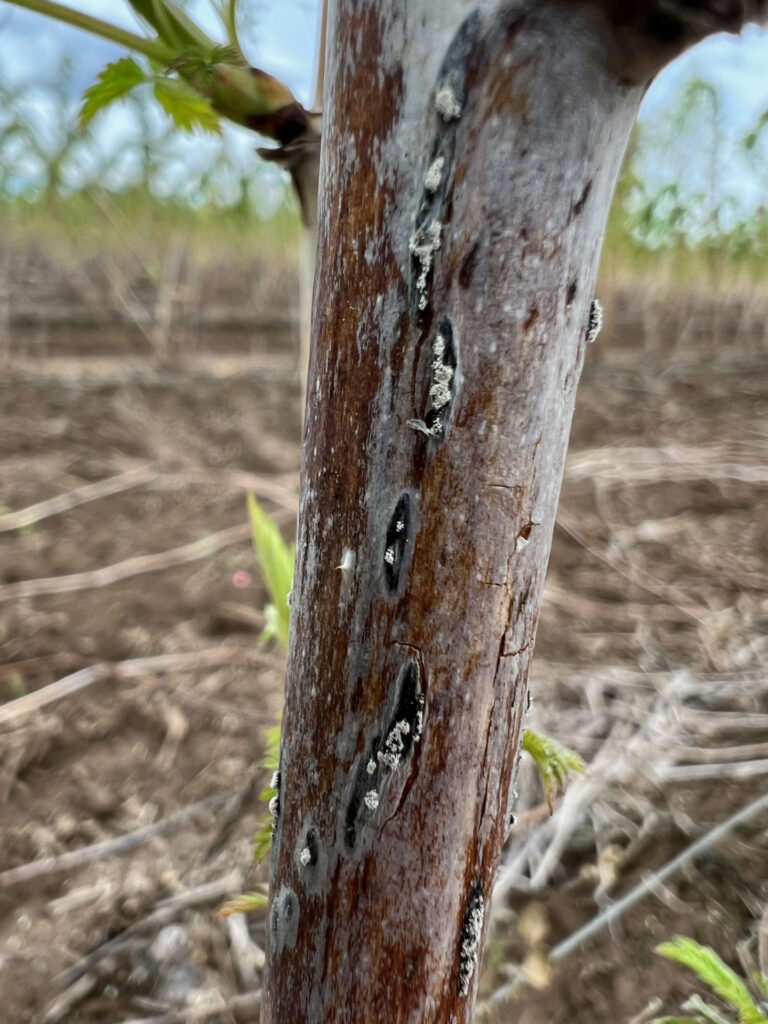
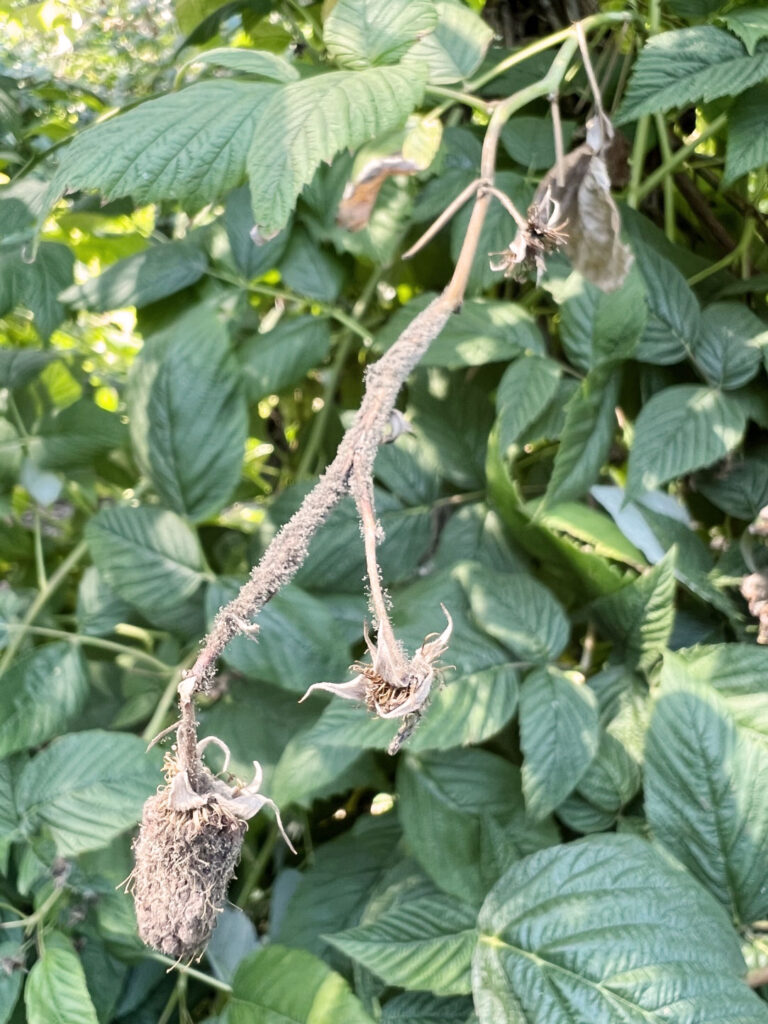
The USDA-ARS Small Fruit Pathology Program (USDA-ARS SFP) located at the WSU-NWREC in Mt. Vernon, WA, conducts research on diseases of small fruits in northern Washington, with a focus on diseases of red raspberry and blueberry. This research program also provides enhanced technical support and services to multiple USDA-ARS scientists in the Horticultural Crops Disease & Pest Management Unit and the Genetics & Plant Improvement Unit co-located in Corvallis, Oregon.
During the 2024 field season, we continued to work directly with regional growers, the Washington State Red Raspberry and Blueberry commissions and the Northwest Center for Small Fruits Research to monitor and sample fields for berry diseases. From late February through late October, we have been in the fields collecting samples and continuing to study the role of overwintering Cane Botrytis lesions as a primary inoculum source for Botrytis in red raspberry fields. This collaborative work involving USDA-ARS Corvallis, OR (V. Stockwell), Pacific Berries Inc. (L. Jones) and WSU-Mt. Vernon (C. Mattupalli), uses DNA markers as tools to track and compare Botrytis lineages found in spores produced from sclerotia on Cane Botrytis lesions in the winter to early spring months to the fungus found in flowers and seen as gray mold of red raspberries later in the season. Understanding the early-season sources of Botrytis in fields may lead to new intervention methods to improve control of gray mold. Updates on this research will be provided at the Northwest Small Fruits Annual Conference in Boise, Idaho this fall. Our study testing our curated collection of Botrytis for the development of resistance to specific fungicide chemistries continues to progress. Currently, we are working to summarize our findings for scientific publications, and we are looking forward to providing an update on this research at the Lynden Ag Show in December 2024.
Employee and Graduate Student Highlights
Graduate Student Updates
- Claire Yost (MS) completes her Master of Science in Soil Science this Fall. Her thesis is titled, “Regulated deficit irrigation conserves water but has limited impacts on cider apple fruit and juice quality.”
- Purnima Puri (MS) will be completing her Master of Science in Plant Pathology this Winter. Her research focus is “Biology and management of silver scurf disease of potato.” Purnima has been offered admission in a PhD program at the University of Minnesota.
New Arrivals
Graduate Students
- Isha Chand, MS in Soil Science, Soil and Water Program
- Francely Flores Pablo, MS in Plant Pathology, Berry and Potato Pathology Program
- Eric Spitzer, PhD in Soil Science, Soil Health and Microbial Ecology Program
Staff
- Sintayehu Daba, Postdoctoral Research Associate, Vegetable Seed Pathology
- Michael Gordon, Scientific Assistant Senior in Vegetable Seed Pathology
- Heather Pedroza, Ag Research Technologist in Small Fruit Horticulture
- Madeline Zwergel, Ag Research Technologist in Vegetable Horticulture
- Yeshiwork Tae, Ag Research Technologist in Plant Breeding at the Bread Lab
Retirements & Departures
- Dr. Molly Darr, Extension Forestry: “I’m excited to begin a new chapter as a small business owner, and take over my family’s business, Parsonage Soap! I would like to express my deep appreciation for the community and vibrant, productive workspace provided by the incredible faculty, staff and students at the NWREC. Thank you all for sharing your expertise, support, and overwhelming kindness over the last couple of years. I will miss you all and the magic Skagit greatly.”
- Mike Derie, Scientific Assistant Senior
- Babette Gundersen, Scientific Assistant Senior: “Babette is retiring after an amazing 31 years at NWREC. Her willingness to help, positive attitude, and sense of humor made Babette a joy to work with! Babette provided strong support on field, greenhouse, and laboratory research projects on a wide range of fruits and vegetables, most recently in the Berry and Potato Pathology and Vegetable Seed Pathology programs. We wish her all of the best in her retirement.”
- Molly McIlquham, Extension Coordinator, Washington Soil Health Initiative
Awards
ASHS Fellow
Dr. Carol Miles received the Society Fellow award at the annual meeting of the American Society for Horticultural Science (ASHS) in Honolulu, Hawaii. Congratulations, Carol!
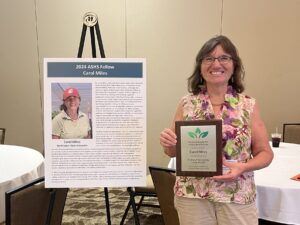
“Dr. Miles is a tireless visionary who empowers and inspires countless people from local to international levels. Fellows of ASHS are recognized for their contributions to horticulture in the areas of research, teaching, administration, or extension on state, national, and/or international levels. Dr. Miles has certainly achieved this criterion and has also contributed to the objective of ASHS to ‘promote and encourage national and international interest in scientific research and education in horticulture in all its branches’ through her role as an administrator, researcher, extension specialist, and mentor. The impact of her work is visible from local to international spectrums and she has served the community of horticulture and sustainable agriculture through her professionalism and dissemination of research-based information.”
Research Grants
- Gusta Beard, one of our WSU Everett Organic and Sustainable Agriculture, Students, was awarded the WSU Everett Undergraduate Research Grant for 2025. This will help support Gusta completing her internship with Louis Nottingham in the NWREC Entomology Lab. Gusta will work on a project testing the efficacy of organic and reduced-risk insecticides against spotted wing drosophila.
- Lisa DeVetter and postdoctoral researcher, Pedro Rojas-Barros, received $248,324 from the Washington State Department of Agriculture for the project, “Winter is Coming: Predicting and Mitigating Freeze Damage in Raspberry and Blackberry.” Lisa DeVetter shares, “Pedro helped develop the grant for this recent award and has been doing an excellent job initiating the work.”
2024 State Fair
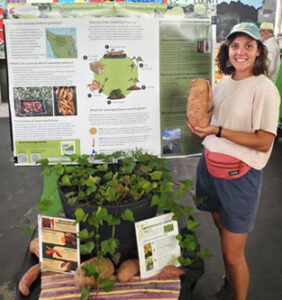
The Fair display of our sweetpotato project created by Sammi Greiger, Ag Research Tech II based in Clallam County, won first place at the 2024 State Fair Convention for the best agriculture exhibit in the state! There were approximately 45 County Fairs and 15+ community/livestock Fairs represented. Congratulations to Sammi and the WSARE-funded sweetpotato project team led by Laurel Moulton (WSU Clallam County Extension) and Carol Miles (WSU NWREC), with NWREC graduate students Laura Schulz (PhD), and Jordan White (MS).
Publications
- Ahmad, W., L.W. DeVetter, D. McFadden, B. Maupin, D. Bajwa, A. Durado, S. Weyers, S.P. Galinato, B. Weiss, and G. Gramig. 2024. Hydromulches suppress weed emergence for organic strawberry production. Frontiers in Agronomy. 6: 1375505. https://doi.org/10.3389/fagro.2024.1375505
- Brouwer, K., M. Eeraerts, E. Rogers, L. Goldstein, J.A. Perkins, M.O. Milbrath, A. Melathopoulos, J. Meyer, C. Kogan, R. Isaacs, and L.W. DeVetter. 2024. Strategic honey bee hive placement improves honey bee visitation but not pollination in northern highbush blueberry. Journal of Economic Entomology. https://doi.org/10.1093/jee/toae267
- Chabert, S., M. Eeraerts, L.W. DeVetter, M. Borghi, and R. Mallinger. 2024. Intraspecific crop diversity for enhanced pollination success, insect pollinator populations, and yield outcomes: need, benefits, and implementation. A review. Agronomy for Sustainable Development. 44(50). https://doi.org/10.1007/s13593-024-00984-2
- Durado, A., D.S. Bajwa, G. Gramig, S. Weyers, L.W. DeVetter, A. Formiga, and S. Galinato. 2024. Biodegradable composite hydromulches for sustainable organic horticulture. Industrial Crops and Products. 221:119349 https://doi.org/10.1016/j.indcrop.2024.119349
- Eeraerts, M., S. Chabert, L.W. DeVetter, P. Batáry, J. Ternest, K. Verheyen, K. Bobiwash, K. Brouwer, D. Garcia, A. de Groot, J. Gibbs, L. Goldstein, D. Kleijn, A. Melathopoulos, S.Z. Miller, M. Miñarro, A. Montero-Castaño, C. Nicholson, J.A. Perkins, N. Raine, S. Rao, J. Reilly, T. Ricketts, E. Rogers, and R. Isaacs. 2024. Pollination deficits and their relation with insect pollinator visitation are cultivar-dependent in an entomophilous crop. Agriculture, Ecosystems and Environment. 369:109036. https://doi.org/10.1016/j.agee.2024.109036
- Grunwald, N., Altendorf, K., Chang, J., de Souza, A., Del Ponte, E., du Toit, L., Dorrance, A., Dung, J., Gent, D., Goss, E., Power, T., Madden, L., Martin, F., McDowell, J., Naegele, R., Potnis, N., Quesada-Ocampo, L., Sundin, G., Thiessen, L., Vinatzer, B., and Zeng, Q. 2024. Open Access and reproducibility in plant pathology research: Guidelines and best practices. Phytopathology 114:910-916.
- Ilyas, U., du Toit, L.J., Hajibabaei, M., and McDonald, M.R. 2024. Influence of plant species, mycorrhizal inoculant, and soil phosphorus level on arbuscular mycorrhizal communities in onion and carrot roots. Frontiers in Plant Science 14:1324626.
- Liakos, C., Ibanez, V., Lebre, P.H., Derie, M.L., van der Waals, J., du Toit, L.J., Dutta, B., Kvitko, B., Cowan, D.A., and Coutinho, T.A. 2024. The bacterial and viral communities associated with onion bacterial bulb rot. Phytobiomes: https://doi.org/10.1094/PBIOMES-11-23-0121-R.
- Neugebauer, K. A., Mattupalli, C., Hu, M., Oliver, J. E., VanderWeide, J., Lu, Y., Sullivan, K., Stockwell, V. O., Oudemans, P., and Miles, T. D. 2024. Managing fruit rot diseases of Vaccinium corymbosum. Frontiers in Plant Science 15:1428769. https://doi.org/10.3389/fpls.2024.1428769
- Simon, P., Rolling, W., Senalik, D., Dawson, J., Tanimuhardjo, S., Spalding, E., Iorrizo, M., Van Deynze, A., Hill, T., Sumner, D., Goodrich, B., Ullman, K., Roberts, P., du Toit, L., Waters, T., Colley, M., McKenzie, L., Sidhu, J., Diaz, J., and Meng, Y. 2024. The carrot SCRI project taps into carrot diversity to develop genetic and genomic resources, evaluate nutrient bioavailability, and assess factors influencing grower and consumer decisions. ActaHorticulturae 1393:277-286.
- Shcherbatyuk, N., S. Wortman, D. McFadden, S. Weyers, W. Ahmad, D. Bajwa, S.P. Galinato, A. Formiga, G. Gramig, and L.W. DeVetter. Alternative and emerging mulch technologies for organic and sustainable agriculture in the United States: A review. HortScience. 59(10):1524-1533. https://doi.org/10.21273/HORTSCI18029-24
- Spawton, K.A., and du Toit, L.J. 2024. Characterization of Stemphylium species associated with Stemphylium leaf spot of spinach (Spinacia oleracea). Plant Disease: https://doi.org/10.1094/PDIS-10-23-2223-RE.
- Spawton, K.A., and du Toit, L.J. 2024. Prevalence of FRAC group 11 fungicide resistance in Stemphylium vesicarium isolates, but not S. beticola isolates, causing Stemphylium leaf spot of spinach (Spinacia oleracea). Plant Disease 108:2122-2135.
- Spawton, K. A., Stein, L. A., and du Toit, L. J. 2024. Evaluation of spinach cultivars for resistance to Stemphylium leaf spot (Stemphylium vesicarium) and white rust (Albugo occidentalis). HortScience 59:51-63.
- Varner, H., Myhre, L., Schacht, B., Spawton, K., du Toit, L. J., Derie, M. L., and LaHue, G. 2024. Irrigation scheduling impacts vegetative growth, seed yield, and diseases of spinach seed crops in a maritime Mediterranean climate. HortScience 59(6):820-830.
- Weiss, B., W. Ahmad, B. Maupin, D. McFadden, D. Bajwa, A. Durado, S. Weyers, S.P. Galinato, G. Gramig, and L.W. DeVetter. 2024. MulcH20: Hydromulches maintain strawberry yield, fruit quality, and plant nutrient status across two contrasting environments. HortScience. In press.
Popular Periodicals
- du Toit, L.J. Abnormal onion development from the wide temperature swing in April 2023, resembling herbicide injury. Veg Edge 20(13):5 (26 Jun. 2024).
Publications, Trade Journals and Proceeding Articles
- Davis, A., S. Lukas, B. Strik, A. Moore, L.W. DeVetter, D. Bryla, and E. Dixon. 2024. Nutrient management of raspberries and blackberries in Oregon and Washington. Pacific Northwest Extension Publication. Pp. 35. PNW 780 https://extension.oregonstate.edu/catalog/pub/pnw-780-nutrient-management-raspberries-blackberries-oregon-washington
- Thapa, S., Schacht, B., Derie, M.L., du Toit, L.J., LaHue, G., and Waters, T.D. 2024. Effects of irrigation frequency on onion bacterial bulb rot in the Columbia Basin of Washington State, 2023-24. Plant Disease Management Reports 18:CF075.
- Thapa, S., Schacht, B., Derie, M.L., du Toit, L.J., LaHue, G., and Waters, T.D. 2024. Effects of nitrogen management on onion bacterial bulb rot in the Columbia Basin of Washington State, 2023-24. Plant Disease Management Reports 18:CF076.