Horticultural Weed Science
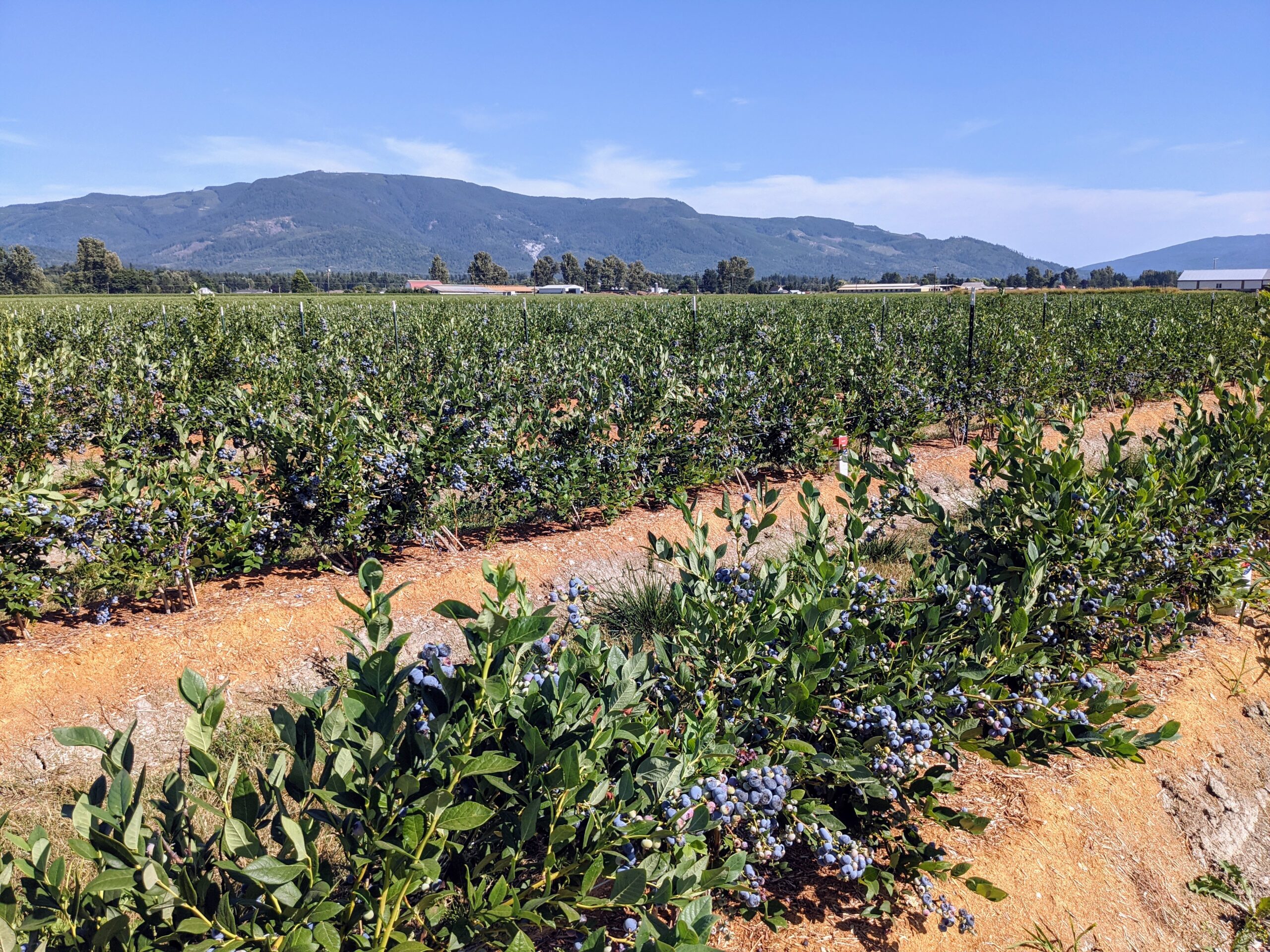
Weeds are problematic plants that cause economic losses or ecological damage, creates health problems for humans or animals, or is undesirable where it is growing. They muscle out crops and other desirable plants by competing for water, nutrients, sunlight and space. The Weed Science program at the Washington State University Northwestern Washington Research and Extension Center (NWREC) seeks scientific solutions focused on weed management of horticultural crops to enhance crop productivity while increasing profits and improving environmental quality. Primary goals include the development of a research and extension program emphasizing sustainable and effective weed management of horticultural crops including but not limited to blueberry, raspberry, potato, vegetable seed, flower bulbs, tree fruit, and greenhouse production.
Program Startup Focus
- Maximize crop yields and feed a growing population as cropland is lost to urbanization
- Eliminate aquatic weeds that clog our waterways and impact water quality
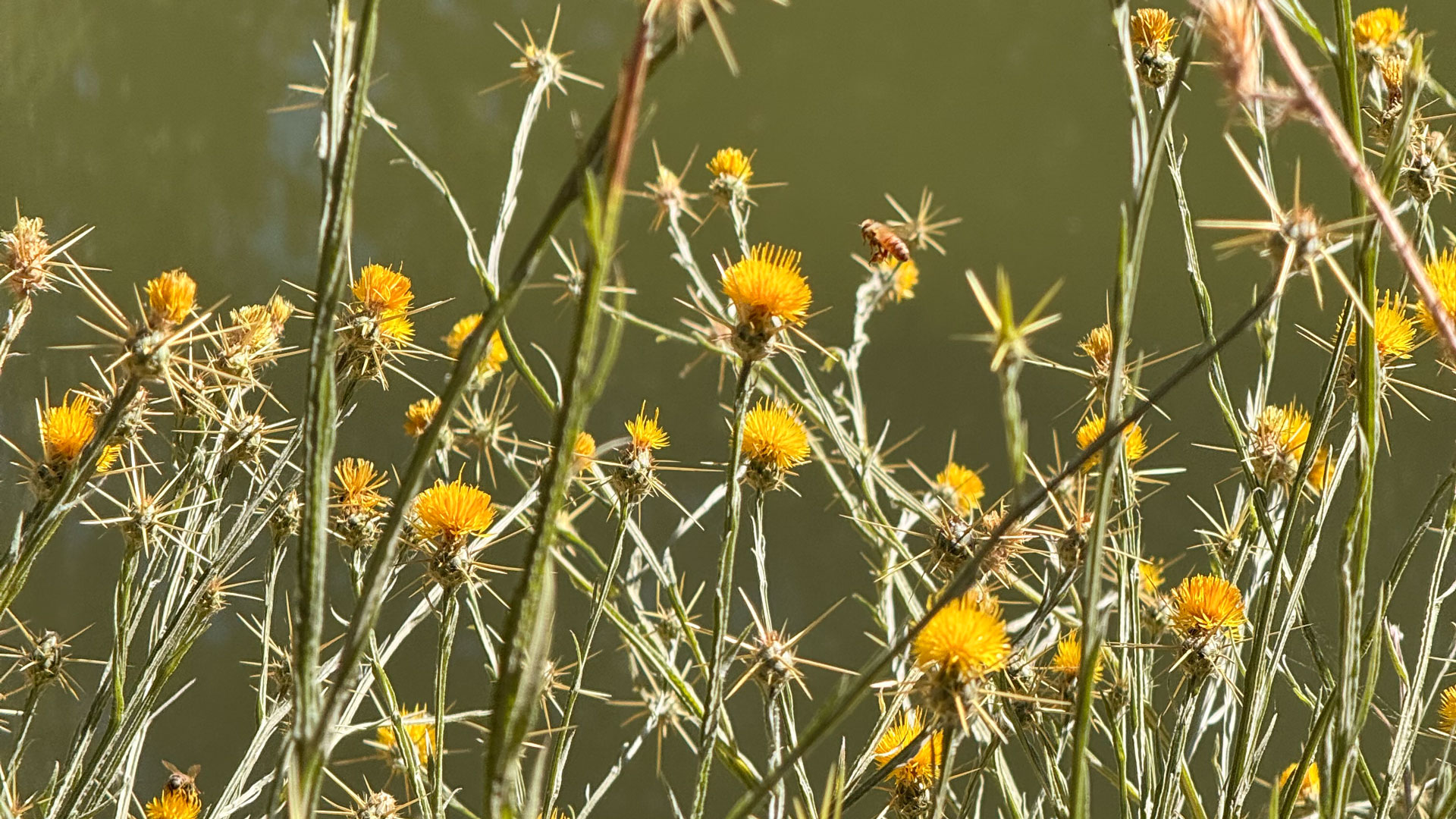
- Control invasive weeds that compromise biodiversity in our crop and non-crop areas
- Develop integrated weed management techniques for conventional and organic production
- Develop new and improved integrated weed management strategies in response to climate change
- Manage and understand the evolution of weed resistance to herbicides.
- Prevent soil erosion by optimizing the role of tillage in weed control
- Manage weeds that fuel devastating fires
Program Goals
Develop Data for Seed Crop Applications
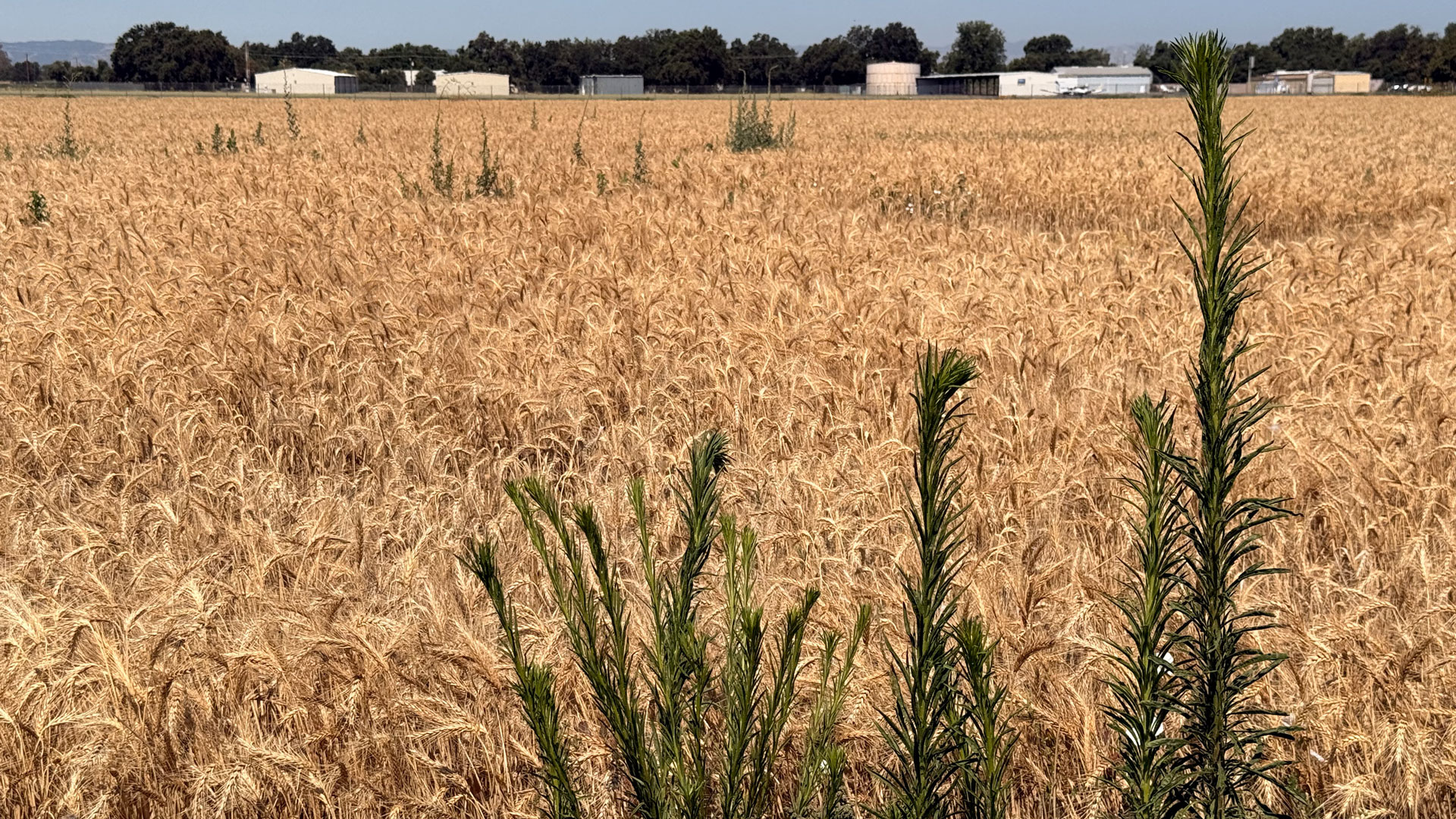
Conducting research to develop data for registration of candidate herbicides for seed crop industry under the FIFRA section 24(c) that allows states to register “additional uses of federally registered pesticides” to meet special local needs within the state.
Develop Weed Control Regimens
Developing an effective weed control program that consider present weeds, crop rotation, cultivation, available and potential herbicides, and the competitive ability of potato. Additionally, weeds that emerge after vines have covered the rows may reduce yields by interfering with harvest and can produce seeds that can cause infestation of subsequent crops.

Targeted Weed Management for Growers
Developing weed management programs for blueberry and raspberry cropping systems to effectively control key weeds including but not limited to horsetail, poison hemlock, wild buckwheat, nightshade, watergrass, Japanese knotweed, curly dock and morning glory.