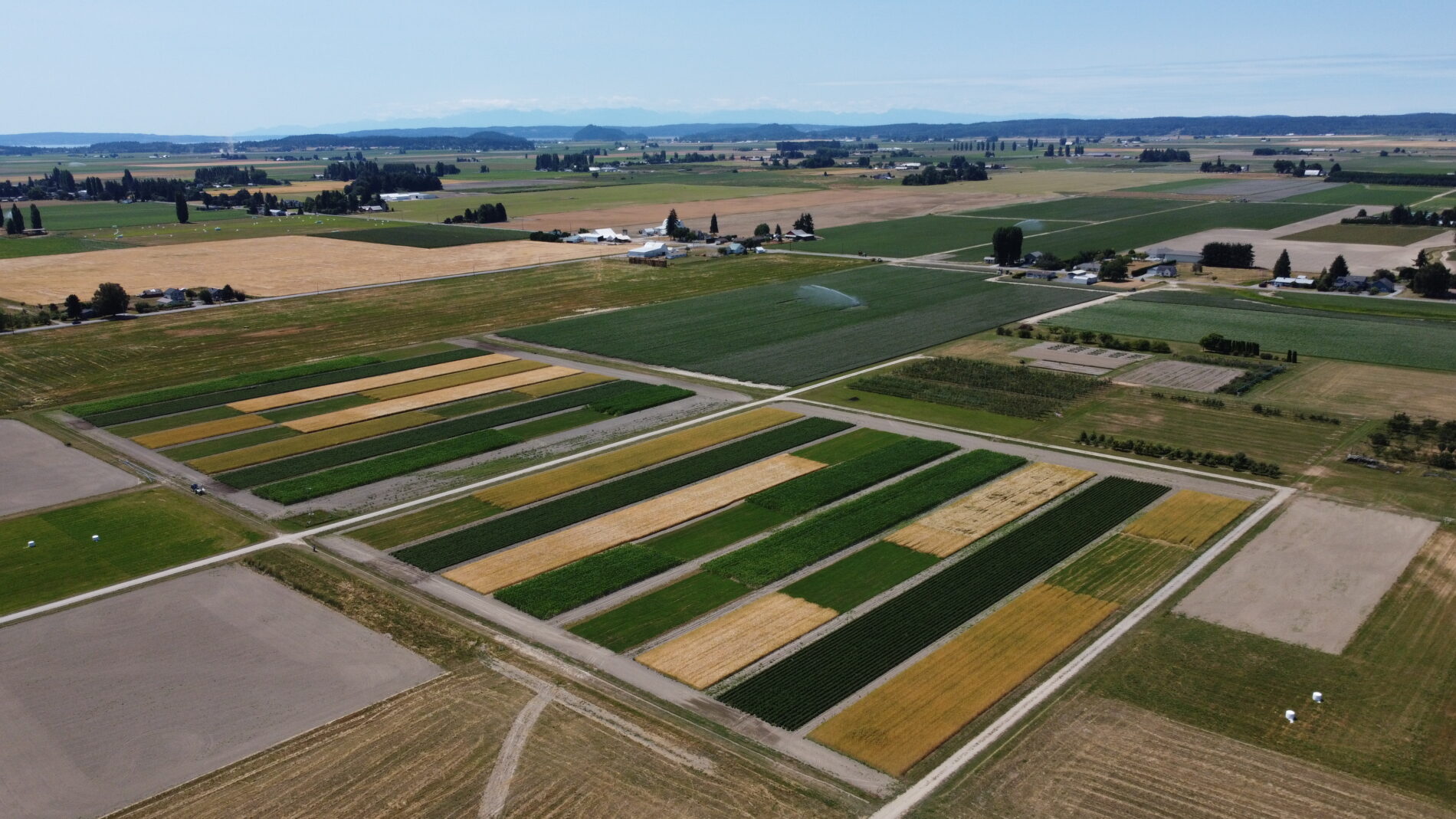
Organic & Sustainable Agriculture
Organic and sustainable food production systems integrate cultural and biological practices to promote ecological balance and conserve biodiversity. Becoming a professional in organic and sustainable agriculture emphasizes an understanding of plant and environmental sciences as well as integrated pest management, marketing, and food science. The growth of organic food production and marketing, especially in the U.S., Europe, and China, has created a need to train students to provide expertise, research, product development, and other services for farmers and the food industry at home and worldwide.
Students majoring in Organic and Sustainable Agriculture take a variety of courses in the natural, environmental, plant, soil, social, and economic sciences, as well as courses focused on organic and sustainable production practices.
Graduates from the AFS Major will be prepared for careers in:
- Crop Consulting
- Pest Management
- Soil Management
- Organic Certification
- Farm Policy & Stewardship
- Food Science
- Economics & Marketing
- Organic Product Purchaser
- Organic Rancher (this focus requires additional coursework)
Students majoring in Organic and Sustainable Agriculture have an opportunity to think critically about farming systems and learn from world-class researchers and agricultural professionals.
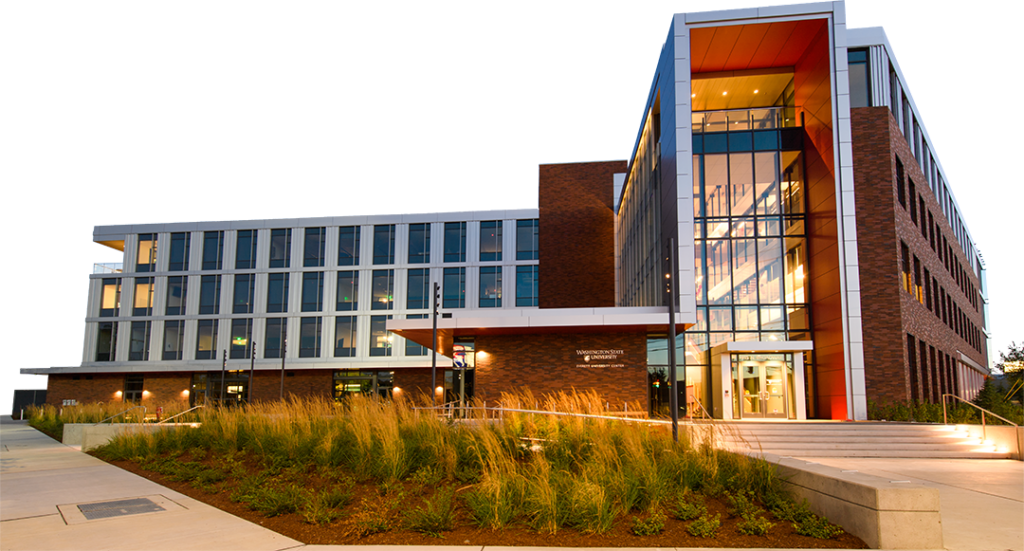
WSU Everett is a transfer institution providing upper division courses to complete a Bachelor of Science degree with a major in Organic and Sustainable Agriculture. You can fulfill the majority of WSU’s general education (UCORE) and the pre-program acceptance requirements at any college (2 year or 4 year), then complete your Bachelor of Science in Agricultural and Food Systems at WSU Everett.
WSU Course Requirements
Students interested in the transfer program are encouraged to contact a WSU admissions counselor who can help you find equivalent courses at your current school.
Highlighted Courses
Select courses are taught by research faculty from the WSU Northwestern Washington Research and Extension Center, located just 35 minutes north of WSU Everett.