Diseases
Insect/Mite Pests
Abiotic Problems
(Click on photo to enlarge)
Diseases
Ramularia leaf spot
Disease: Ramularia leaf spot
Pathogen: Ramularia beticola
Host crops: Most vegetables in the Chenopodiaceae, i.e., sugar beet, table beet, and Swiss chard.
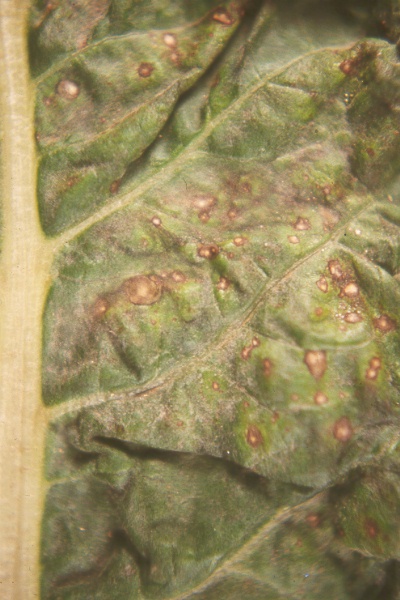
Photo Source: D.A. Inglis, Washington State University
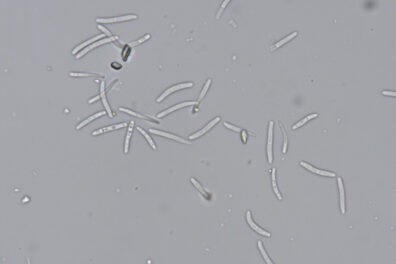
Photo Source: Lindsey du Toit, Washington State University
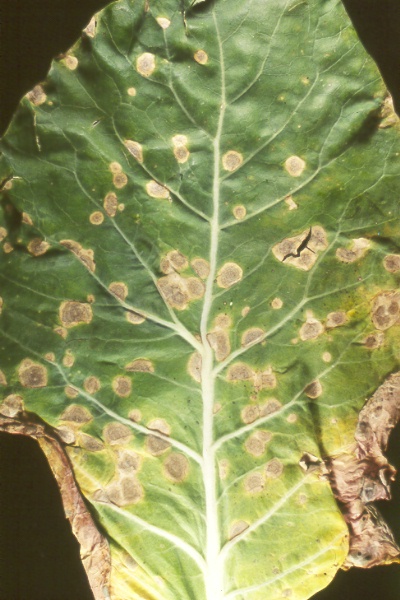
Photo Source: D.A. Inglis, Washington State University
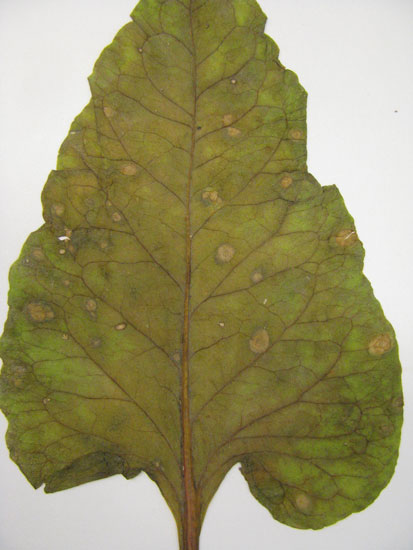
Photo Source: Lindsey du Toit, Washington State University
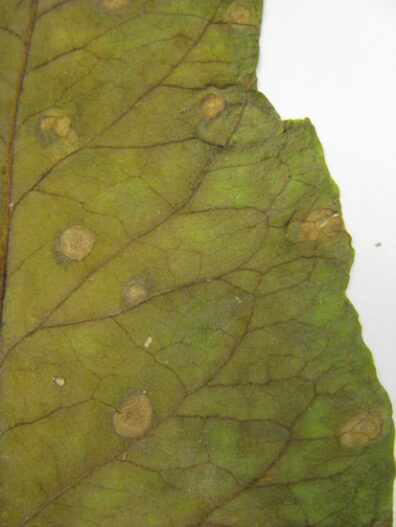
Photo Source: Lindsey du Toit, Washington State University
On-Line Resources:
Rhizoctonia basal petiole and crown infection
Disease: Rhizoctonia basal petiole and crown infection
Pathogens: Rhizoctonia
Host crops: Many vegetables are susceptible to infection by Rhizoctonia spp., which are common soilborne fungi. In beet and Swiss chard, these fungi can infect the base of petioles and the crown or main root at or below the soil surface, particularly in moist soil conditions. During very wet conditions, infection can also occur on the leaves.
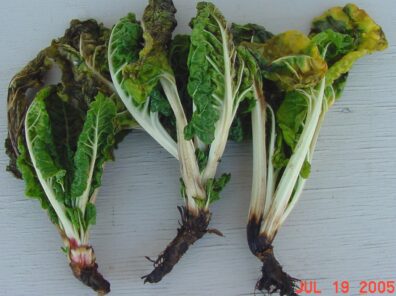
Photo Source: Lindsey du Toit, Washington State University
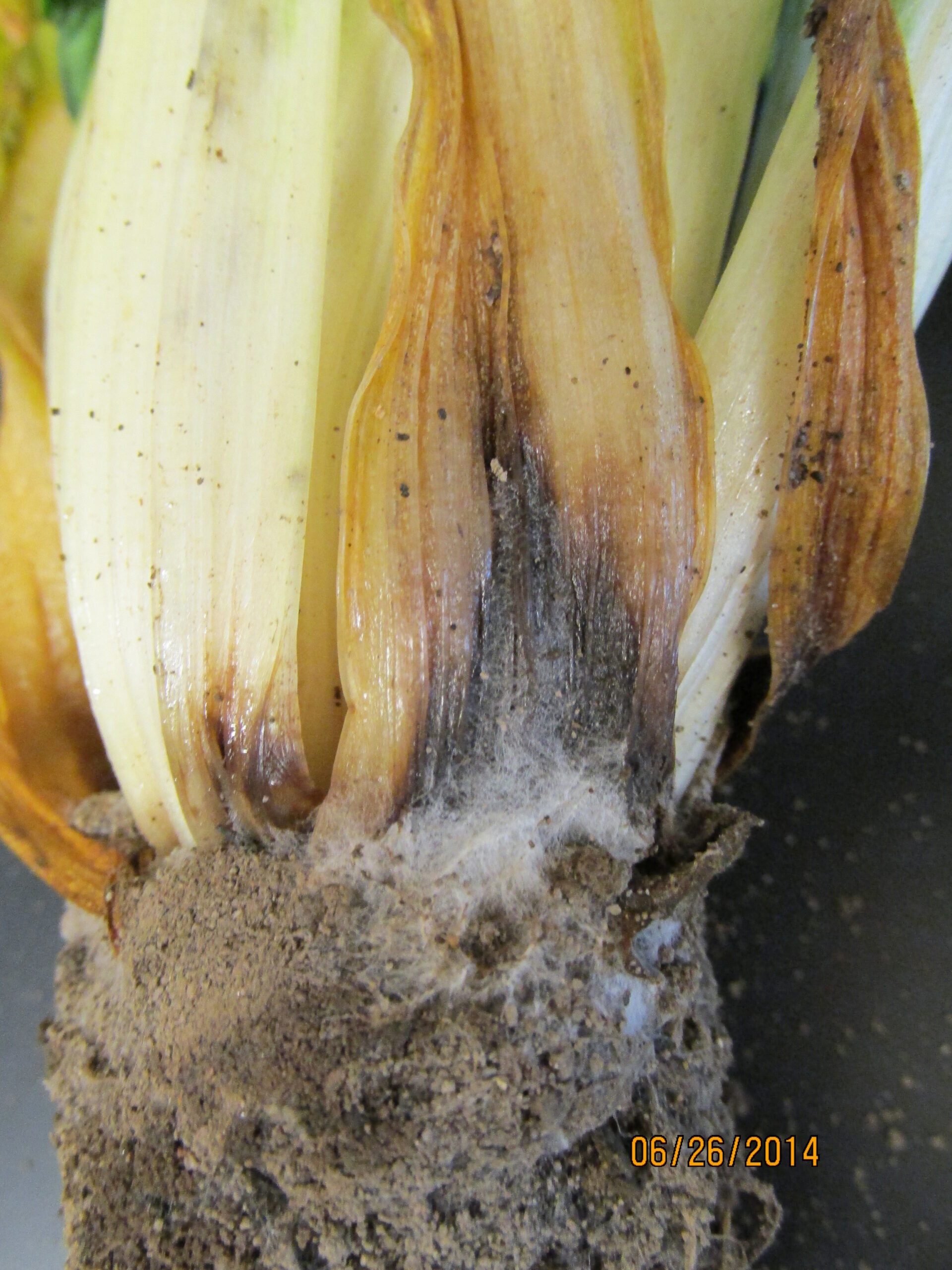
Photo Source: Lindsey du Toit, Washington State University
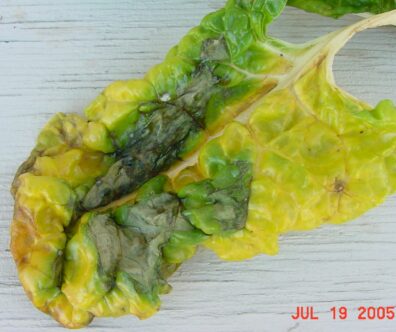
Photo Source: Lindsey du Toit, Washington State University
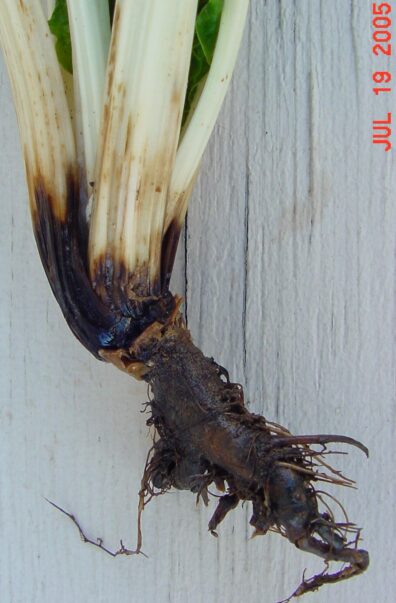
Photo Source: Lindsey du Toit, Washington State University
Online Resources:
Insect/Mite Pests
Aphids
Common name: Aphids (various types)
Latin binomial: Aphis fabae (bean aphid), Myzus persicae (green peach aphid)
Host crops: Table beet, sugar beet, Swiss chard, and various other vegetable and weed plant species.
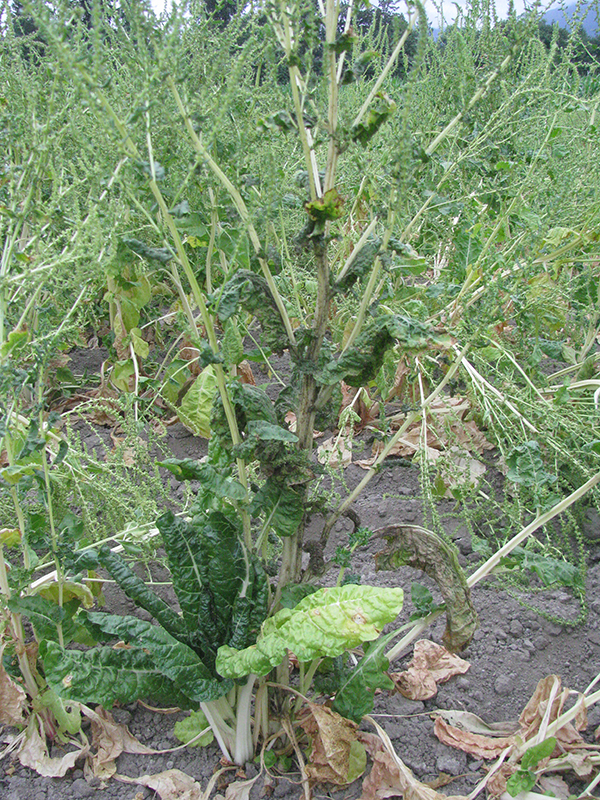
Photo Source: Lindsey du Toit, Washington State University
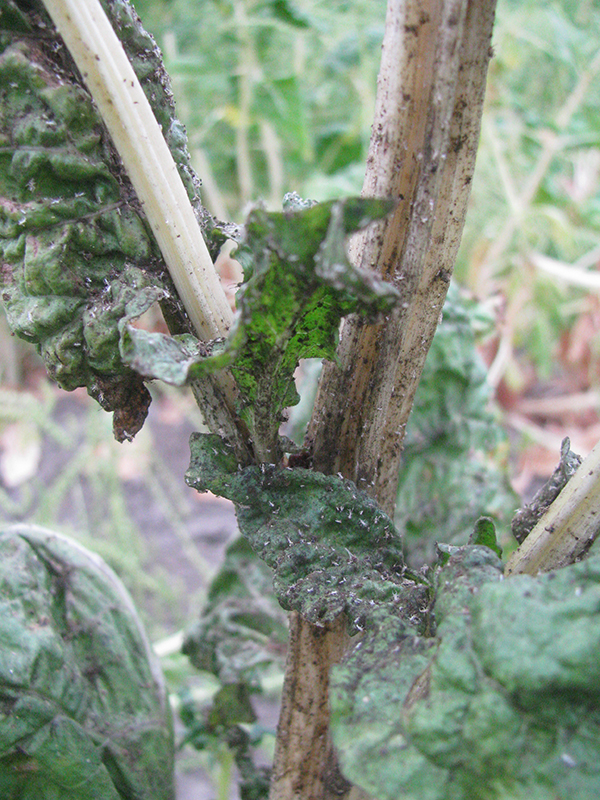
Photo Source: Lindsey du Toit, Washington State University
Online Resources:
Lygus bugs
Common name: Lygus bugs
Latin binomial: Lygus spp.
Host crops: Numerous different species of vegetables and other crops, e.g., alfalfa, beet, cabbage, carrot, potato, spinach, Swiss chard, etc. Lygus bugs can cause different types of damage to various growth stages of different crops. They cause blackheart on celery, blasting on flower tissues, collapse of asparagus spears, decreased yields in carrot, beet, spinach, and other seed crops, etc.
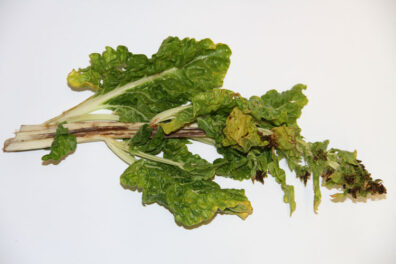
Photo Source: Bev Gerdeman, WSU Entomologist
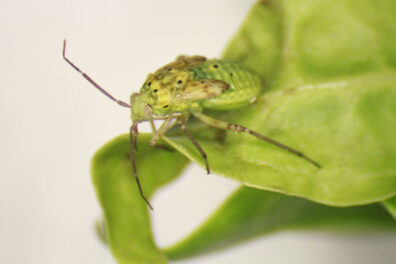
Photo Source: Bev Gerdeman, WSU Entomologist
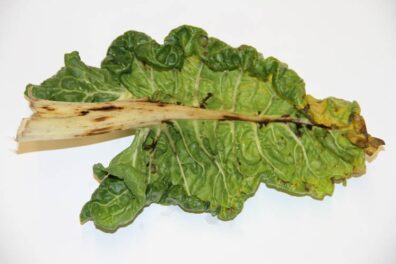
Photo Source: Bev Gerdeman, WSU Entomologist
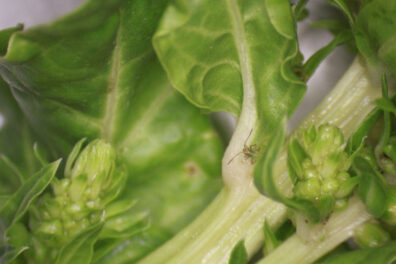
Photo Source: Bev Gerdeman, WSU Entomologist
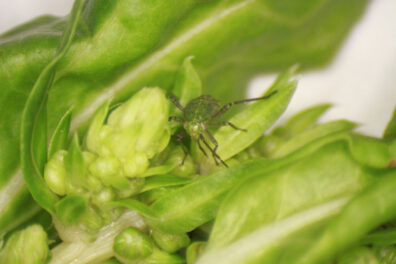
Photo Source: Bev Gerdeman, WSU Entomologist
On-Line Resources:
Springtails
Common name: Springtails (subterranean types)
Latin binomial: Order Collembola. There are numerous types of springtails or collembola, which are divided into two groups – subterranean springtails and surface springtails.
Host crops: Multiple vegetables, but most damage has been reported on spinach and beets, primarily in heavier, organic soils during very wet, cool spring conditions.
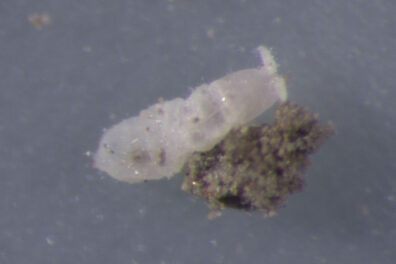
Photo Source: Lindsey du Toit, Washington State University
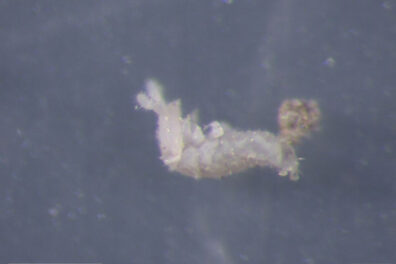
Photo Source: Lindsey du Toit, Washington State University
On-Line Resources:
- Springtails Springtails in Sugarbeet: Identification, Biology, and Management (pdf). North Dakota State University, Fargo.
- Control of Subterranean Springtails in Sugarbeet Using Granular, Liquid, and Seed Treatment Insecticides (pdf). North Dakota State University, Fargo.
- Springtail feeding on emerging crops (especially sugarbeet) (pdf). Michigan State University.
- Pest: Springtail. Pest Spotter, Bayer CropScience.
Abiotic Problems
Herbicide Injury
Problem: Injury from application of specific herbicides to certain parent lines in seed crops, higher rates of application of some herbicides, or application of tank mixes (combinations) of some herbicides.
Crops affected: Some table beet and Swiss chard parent lines are more sensitive than others to injury by specific herbicides, even when these products are applied at recommended (labeled) rates; or injury can occur when higher rates of certain herbicides are applied to beet and chard crops; or injury may occur when certain herbicides are applied in tank-mix combinations.
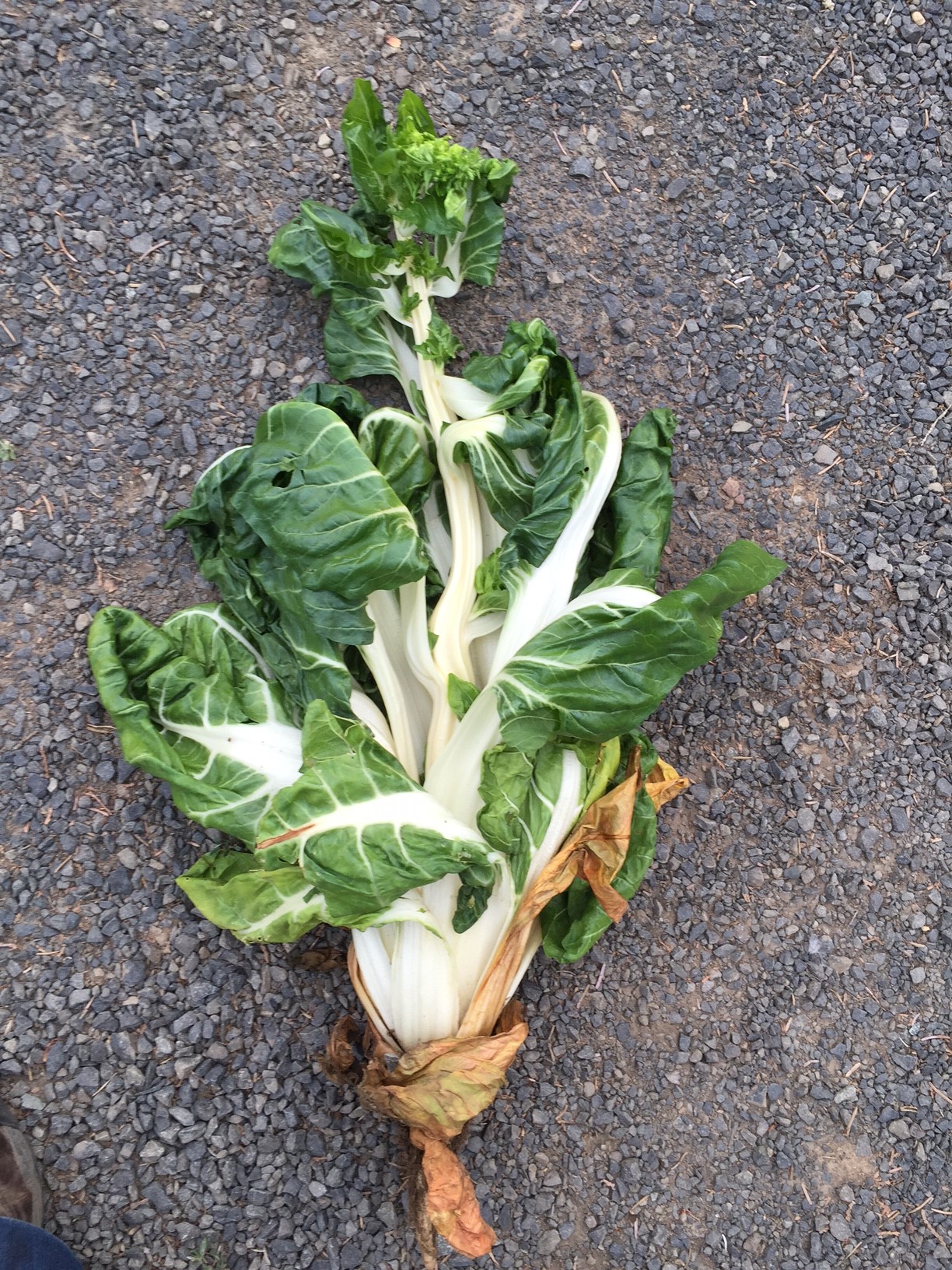
Photo Source: Swiss chard seed grower
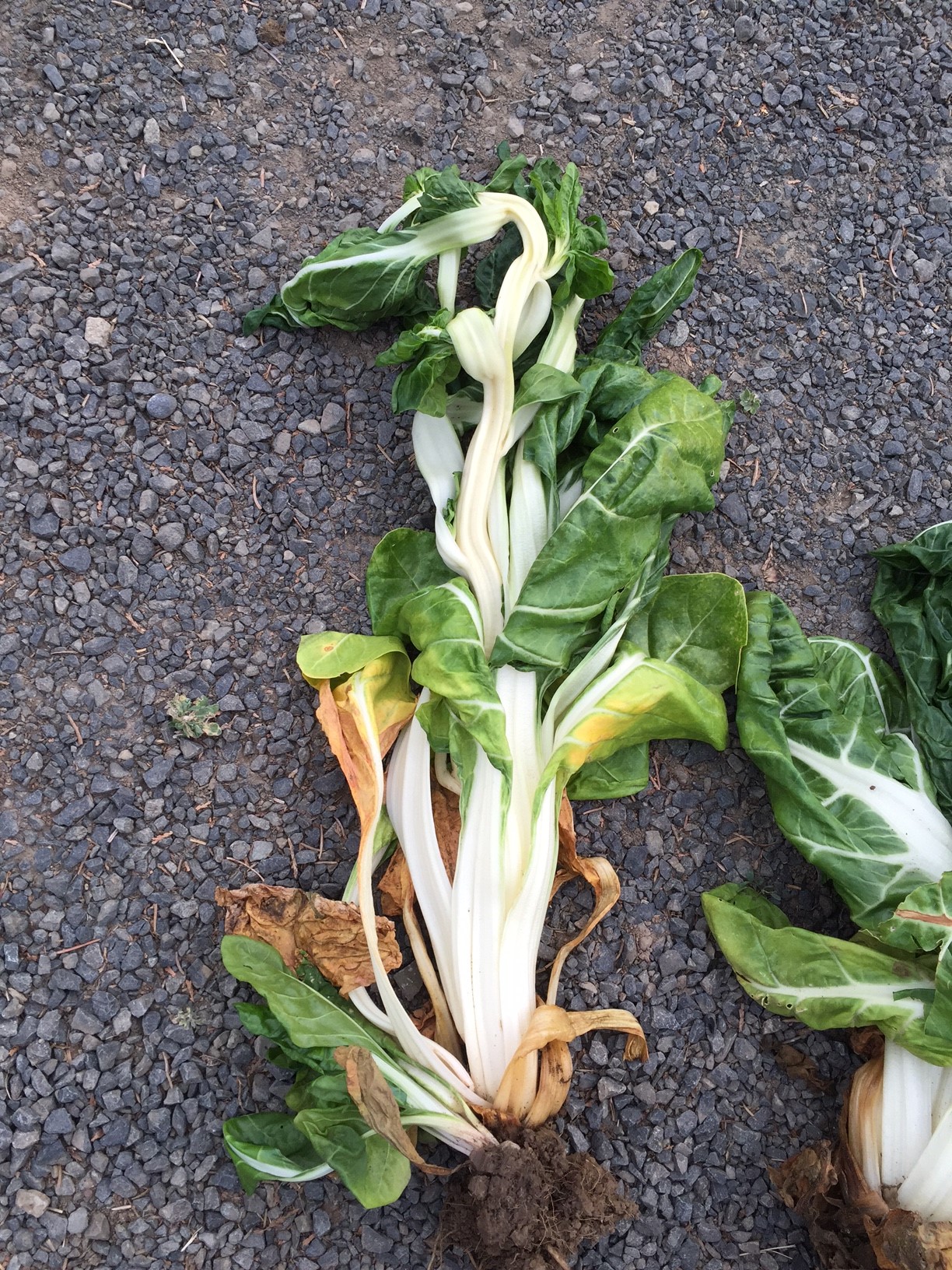
Photo Source: Swiss chard seed grower

Photo Source: Swiss chard seed grower
Online Resources:
- Herbicide Symptoms, University of California, Division of Agriculture and Natural Resources.
- Herbicide Modes and Action and Symptoms on Plants (pdf), Richard Smith, Farm Advisor, University of California Cooperative Extension.
If you need the content provided on this site in an alternate format or for further information on the Vegetable Seed Pathology program,
please contact: Lindsey du Toit at dutoit@wsu.edu or at 360-848-6140.
Our pages provide links to external sites for the convenience of users. WSU Extension does not manage these external sites, nor does Extension review, control, or take responsibility for the content of these sites. These external sites do not implicitly or explicitly represent official positions and policies of WSU Extension.