Diseases
Insect/Mite Pests
Parasitic Plants
Abiotic Problems Common to Pepper
(Click on photo to enlarge)
General Pepper Disease and Pest Management
- Bacterial spot damages Michigan peppers, Spring and summer rains favor disease; coppers can help but not cure bacterial spot on peppers. Mary Hausbeck, Michigan State University.
- Growing Peppers in Home Gardens, Extension Bulletin FS220E, by Michael R. Bush, Entomology & Pest Management, Washington State University Extension- Yakima County. Mark D. Heitstuman, County Director, Washington State University Extension- Asotin & Garfield Counties. Lizann Powers-Hammond, Regional Food Specialist, Washington State University Extension- Benton County.
- Pepper & Eggplant Disease Guide – A Practical Guide for Seedsmen, Growers and Agricultural Advisors. Published by Seminis Vegetable Seeds, Inc.’s Plant Health Department.
Diseases
Cucumber mosaic
Disease: Cucumber mosaic
Pathogen name: Cucumber mosaic virus (CMV)
Host crops: Numerous plant species (>300) can be infected with CMV. The virus is vectored by a number of aphids. CMV also can be seedborne and seed transmitted in pepper.
Online Resources:
- Pepper (Capsicum spp.)-Virus Diseases, PNW Plant Disease Management Handbook, a Pacific Northwest Extension Publication.
- Virus Diseases of Pepper, Vegetable MD On-line, Fact Sheet Page: 736.00, T. A. Zitter and D. Florini Dept. of Plant Pathology Cornell University and R. Provvidenti Dept. of Plant Pathology New York State Agricultural Experiment Station, Geneva.
- Seed transmission of Cucumber mosaic virus in pepper, Ali A, Kobayashi M, Department of Biological Science, University of Tulsa, published by the National Center for Biotechnology Information, US National Library of Medicine, National Institutes of Health (pubmed.gov).
- Cucumber Mosaic Virus – Aphid-Transmitted Cucumovirus (pdf), Ray Cerkauskas, Agriculture and Agri-Food Canada, published by AVRDC – The World Vegetable Center.
Gray mold
Disease: Gray mold
Pathogen: Botrytis cinerea
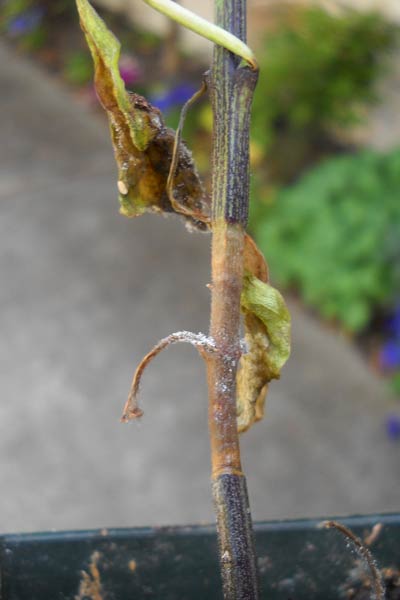
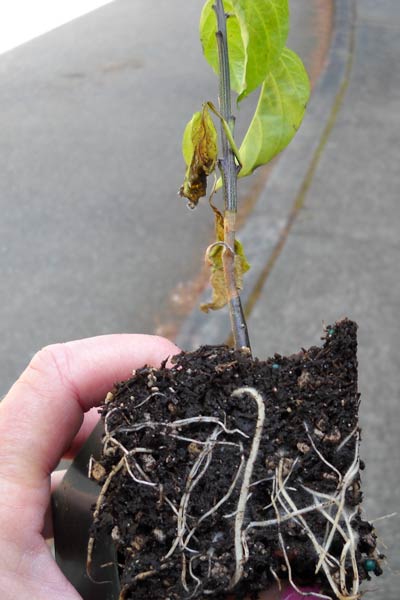
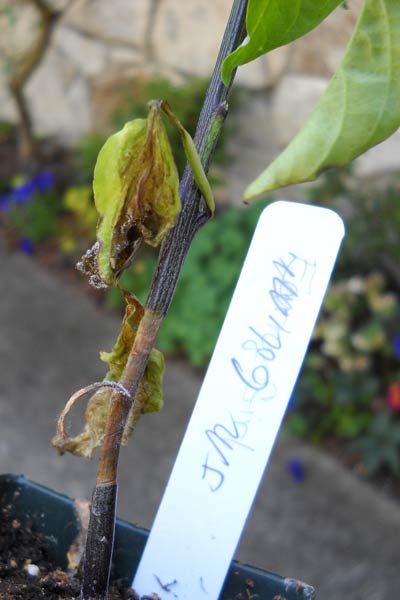
On-Line Resources:
- Pepper Diseases: Gray Mold: Botrytis cinerea, AVRDC – The World Vegetable Center.
Insect/Mite Pests
Broad mites
Common name: Broad mites are tiny (0.2 mm-long adult females), oval, light yellow to amber or white or even green arachnids (so they have eight legs). Male adults are smaller. There are four life stages: egg, larva, nymph and adult. Eggs are colorless, translucent, elliptical, about 0.08 mm long, and covered with white tufts on the upper surface. Young broad mites have only three pairs of legs, are slow moving, and whitish in color. The quiescent stage is an immobile, engorged larva. Injury to broad mites can be difficult to diagnose because of how small the pests are and the locations where they feed on plants. Broad mites typically feed within growing meristems and require magnification to be seen.
Latin binomial: Polyphagotarsonemus latus (Arachnida: Acari: Tarsonemidae)
Host crops: Broad mites have a wide host range in tropical areas and commonly infect plants in greenhouses in temperate and subtropical areas. Hosts include many perennial and annual plant species, including ornamentals, citrus, grape, and vegetables such as bean, cucurbits, eggplant, tomato, pepper, potato, etc. Adults feed on the lower surface of leaves and on fruit.
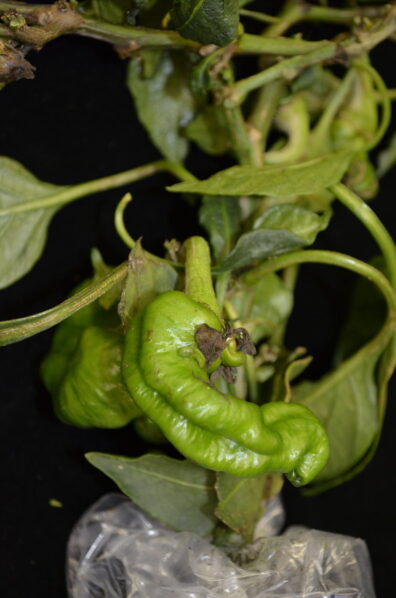
Photo Source: Washington State University Puyallup Diagnostic Lab
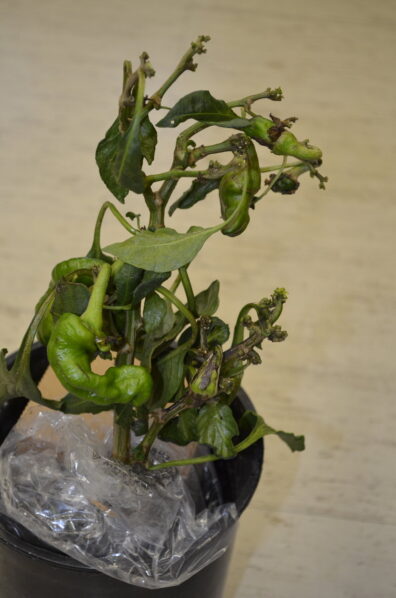
Photo Source: Washington State University Puyallup Diagnostic Lab
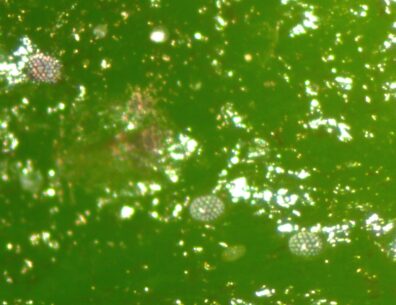
Photo Source: Washington State University Puyallup Diagnostic Lab
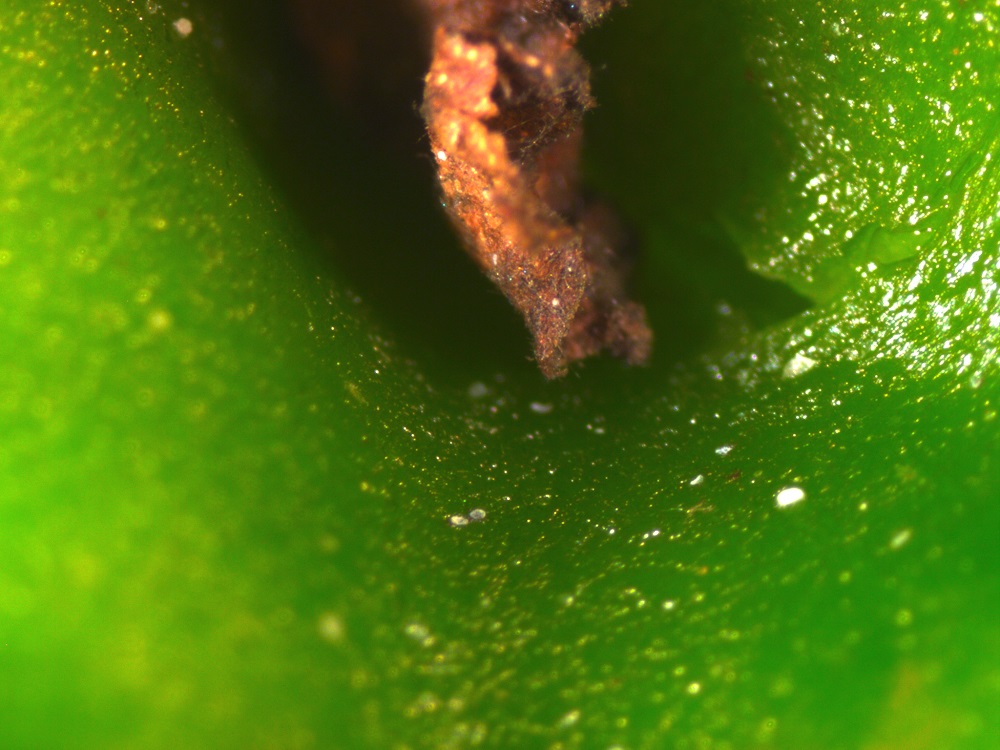
Photo Source: Washington State University Puyallup Diagnostic Lab
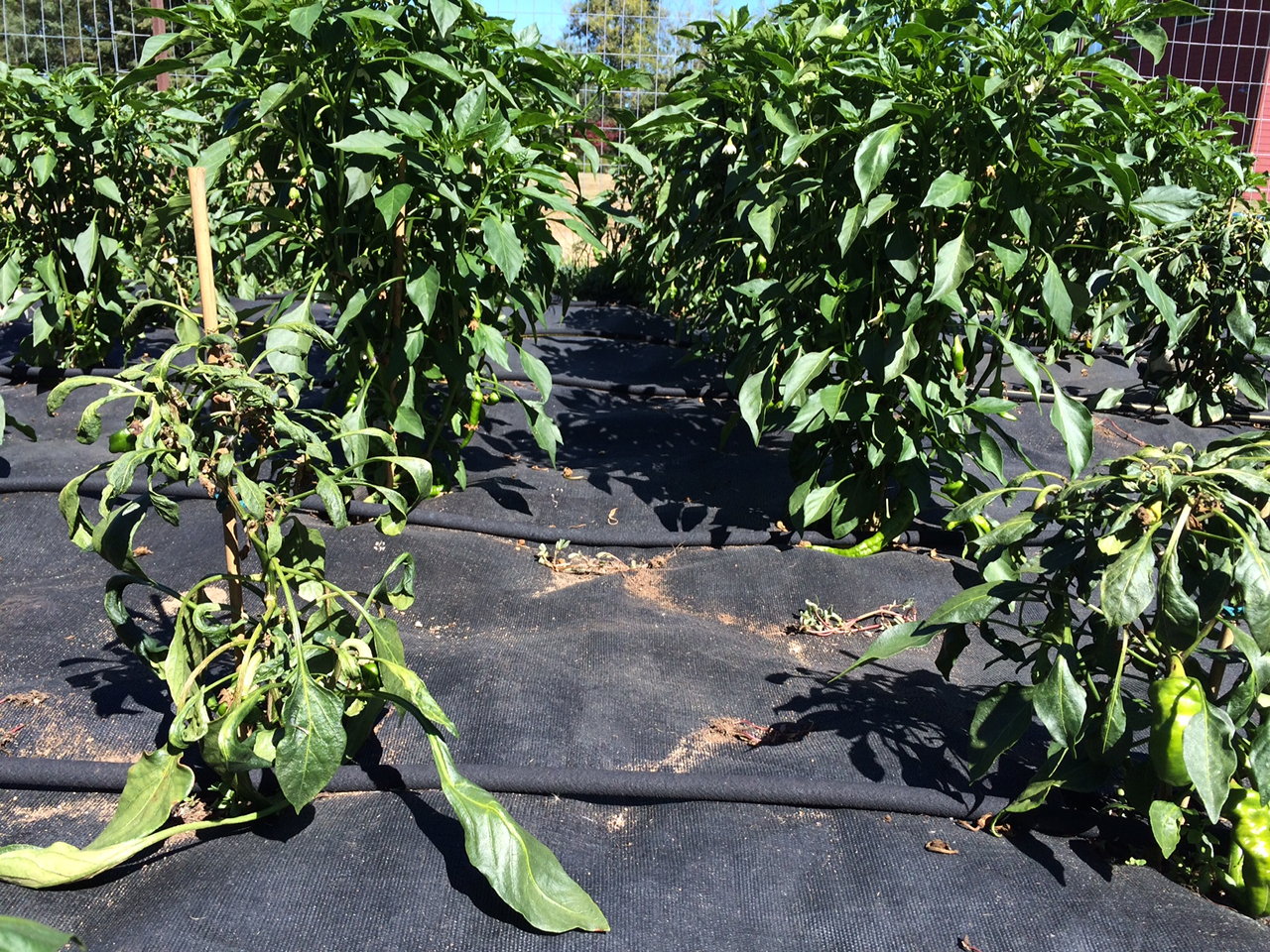
Photo Source: Lou Almasi
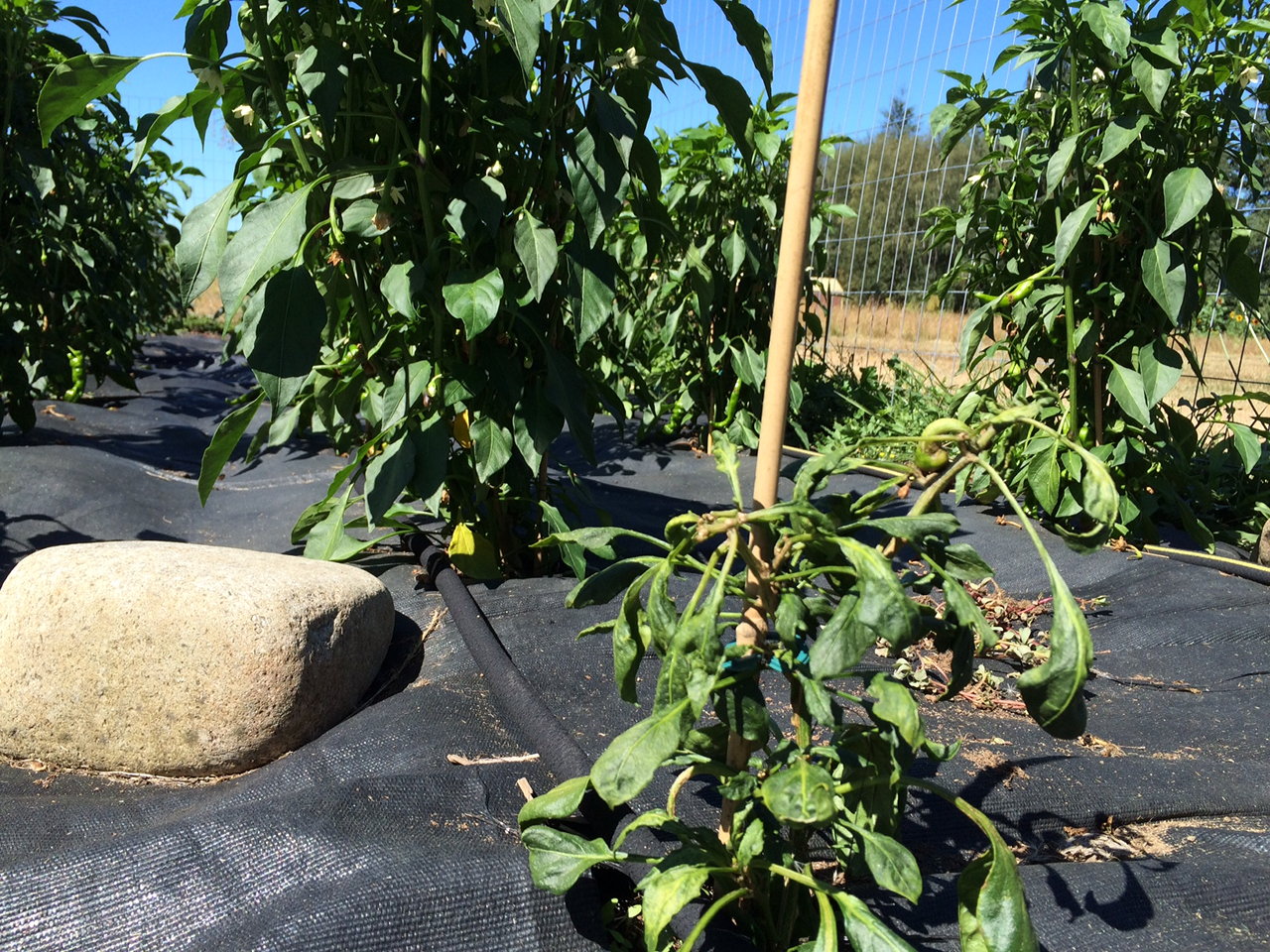
Photo Source: Lou Almasi
Photo Source: Lou Almasi
Online Resources:
- Broad Mites in Fruiting Vegetables, Penn State Extension, Plants and Pests, Vegetable, Small Fruit, and Mushroom Production News.
- Broad Mite, Featured Creatures, Entomology & Nematology, FDACS/DPI, EDIS, University of Florida.
- Broad mite is becoming an increasing problem, Dan Gilrein, Greenhouse Management Magazine.
- Broad Mite, Entomology: Insects Associated With Vegetable Crops in Georgia: Solanaceous Crops, University of Georgia College of Agricultural and Environmental Sciences.
- Broad mite: Not your typical Michigan mite, Michigan State University Extension News.
Brown marmorated stink bug
Common name: Brown marmorated stink bug (BMSB)
Latin binomial: Halyomorpha halys
Host crops: Very wide host range including Oregon berry, grape, tree fruits, hazelnuts, vegetables including pepper, ornamentals, etc.
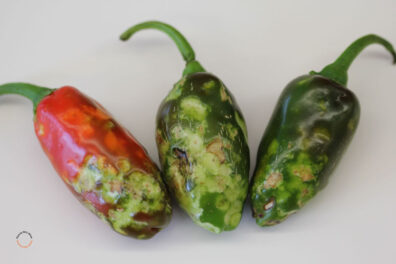
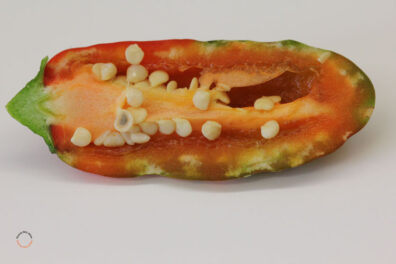
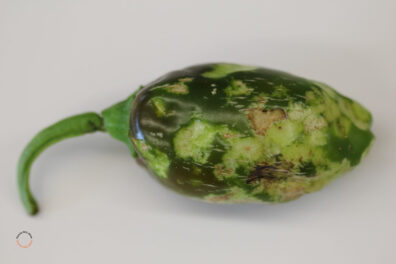
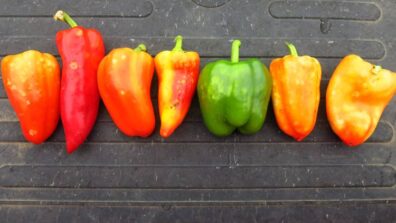
Photo Source: Todd Murray, Washington State University Skamania County Extension
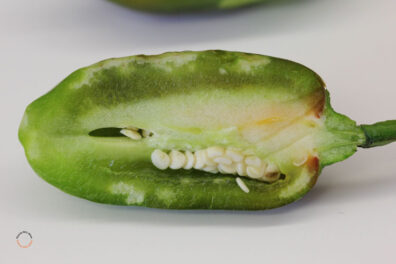

Photo Source: Todd Murray, Washington State University Skamania County Extension
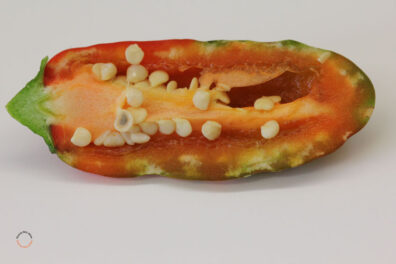
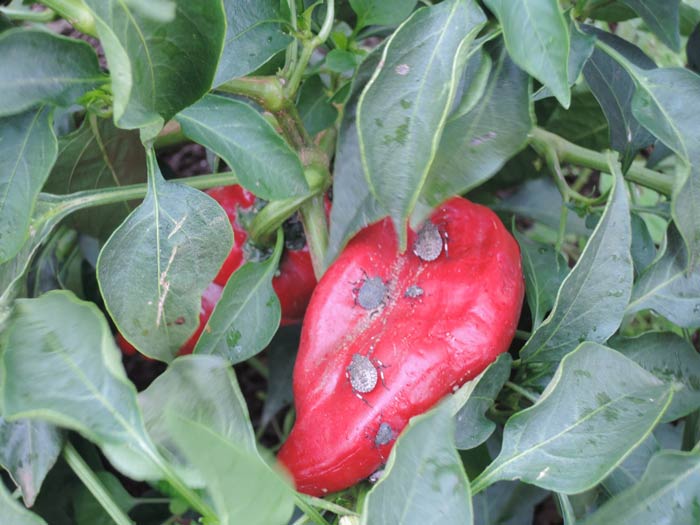
Photo Source: Peter Shearer, Oregon State University Entomologist
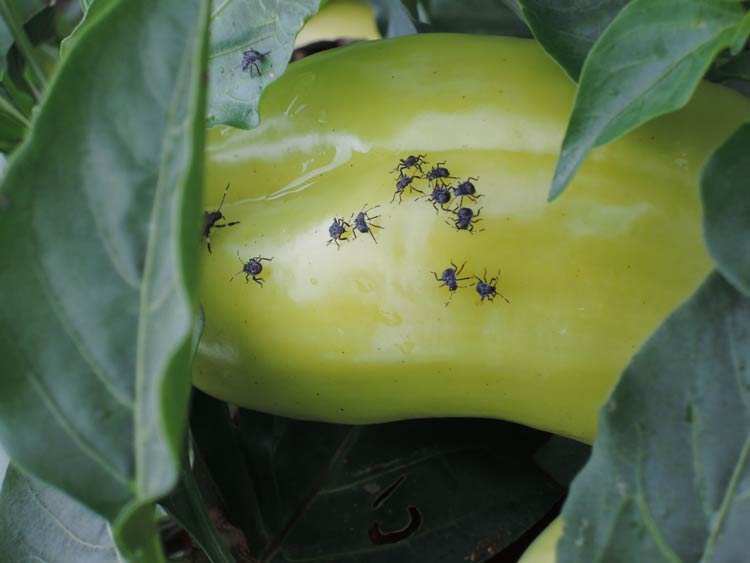
Photo Source: Peter Shearer, Oregon State University Entomologist
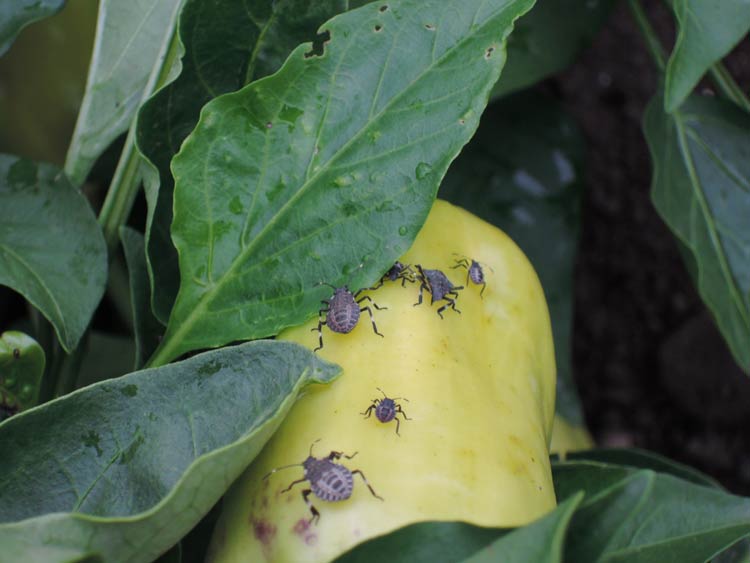
Photo Source: Peter Shearer, Oregon State University Entomologist
On-Line Resources:
- Brown Marmorated Stink Bug in Oregon (pdf), Oregon State University.
- Pest Watch: brown Marmorated Stink Bug, Washington State University Extension Fact Sheet FS0079E.
- Pest Alert: Brown Marmorated Stink Bug, A quick ID guide from the Oregon Department of Agriculture.
- See Diseases, pests, and other problems common to many vegetables: Brown marmorated stink bug (BMSB).
Flea beetle
Common name: Flea beetle
Latin binomial: Pictured is the western potato flea beetle, Epitrix subcrinita, but the tuber flea beetle, Epitrix tuberis, may also damage foliage.
Host crops: Eggplant, pepper, potato, and tomato.
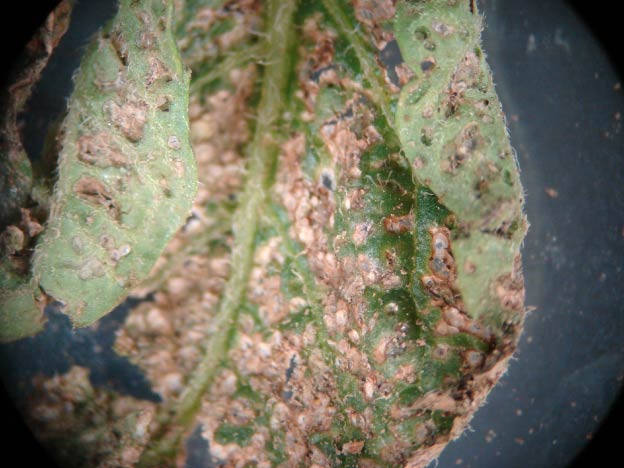
Photo Source: Michael Bush, WSU Extension, Yakima, WA
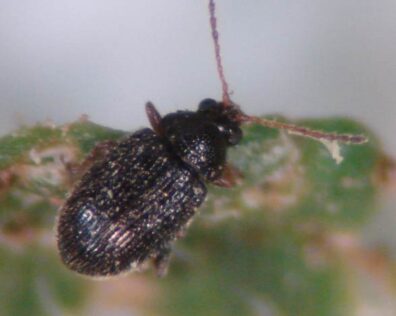
Photo Source: Michael Bush, WSU Extension, Yakima, WA
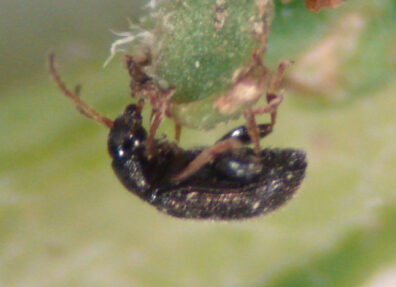
Photo Source: Michael Bush, WSU Extension, Yakima, WA
On-Line Resources:
- Potato Flea Beetles: Biology and Control (pdf). Washington State University Extension Bulletin 1198E (PDF).
- Potato Flea Beetles. Coleoptera: Chrysomelidae Western Potato Flea Beetle Epitrix subcrinita, Tuber Flea Beetle Epitrix tuberis.
- Pacific Northwest Insect Management Handbook. Chapter: Irish Potatoes, Section: Flea Beetle to Grasshopper.
- Vegetables: Pepper, Eggplant: Flea beetles. Washington State University Hortsense.
- See Diseases, pests, and other problems common to many vegetables: Flea beetle.
Tomato hornworm
Common name (of damaging stage): Tomato hornworm
Latin binomial: Manduca quinquemaculata
Host crops: Pepper, eggplant, potato, and tomato.
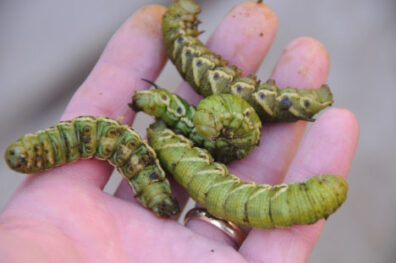
Photo Source: Michael Bush, WSU Extension, Yakima, WA
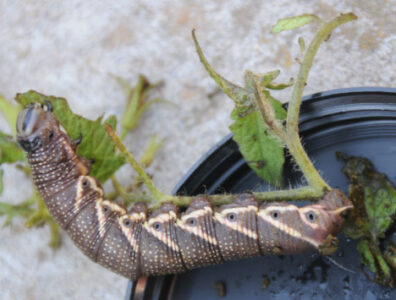
Photo Source: Michael Bush, WSU Extension, Yakima, WA
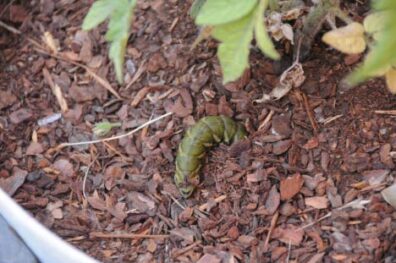
Photo Source: Michael Bush, WSU Extension, Yakima, WA
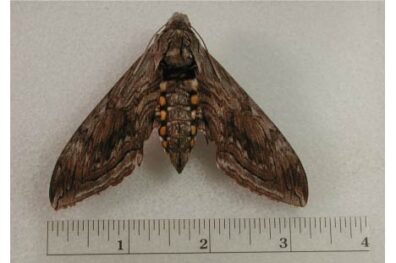
Photo Source: Michael Bush, WSU Extension, Yakima, WA
On-Line Resources:
- Pacific Northwest Insect Management Handbook. Washington State Chapter: Vegetables, Section: Tomato Part2: Fleabeetle to Wireworm.
- Vegetables: Tomato: Tomato hornworm. Washington State University Hortsense.
- UC Pest Management Guidelines: Tomato Hornworms. UC IPM Online, University of California.
Parasitic Plants
Field dodder
Common name: Field dodder
Latin binomial: Cuscuta spp.
Host Crops: Bean, beet, carrot, onion, pepper, potato, tomato, and many other crops (not only vegetables).
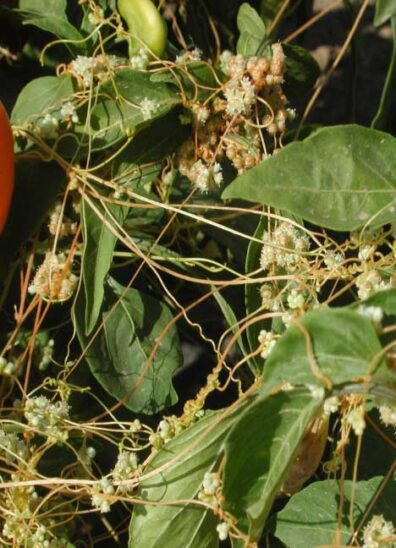
Photo Source: Michael Bush, WSU Extension, Yakima, WA
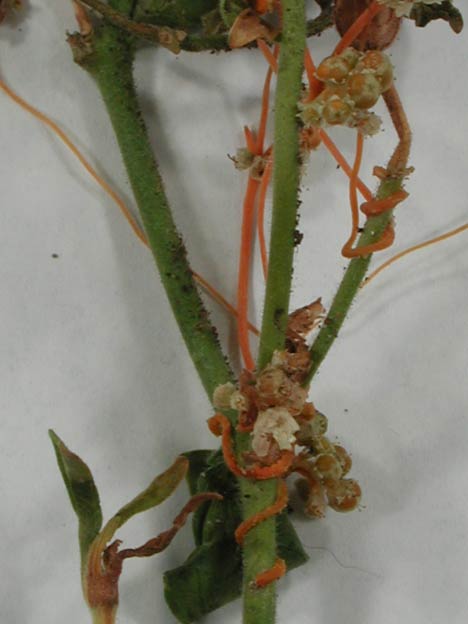
Photo Source: Michael Bush, WSU Extension, Yakima, WA
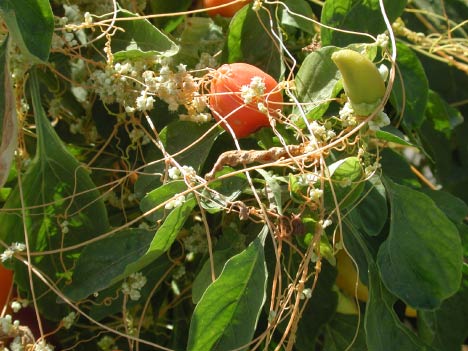
Photo Source: Michael Bush, WSU Extension, Yakima, WA
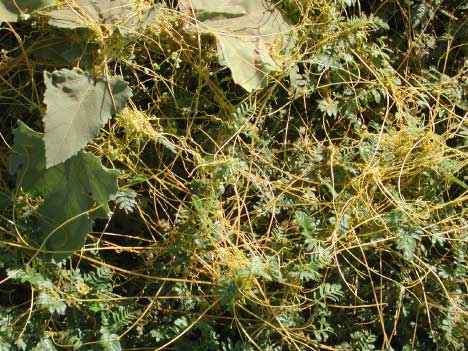
Photo Source: Michael Bush, WSU Extension, Yakima, WA
On-Line Resources:
Abiotic Problems Common to Pepper
Blossom end rot
Problem: Blossom end rot
Cause: Calcium deficiency resulting from various environmental conditions and management practices, e.g., inadequate Ca in the soil, inconsistent water as a result of alternating wet and dry periods that decrease Ca uptake by plants, and even excellent growing conditions such as a period of very bright sunshine and warm temperatures mid-season.
Crops affected: Tomato, pepper, eggplant, and various cucurbits.
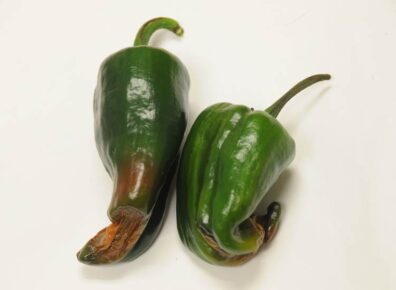
Photo Source: Mike Bush, WSU Yakima Co. Extension Educator
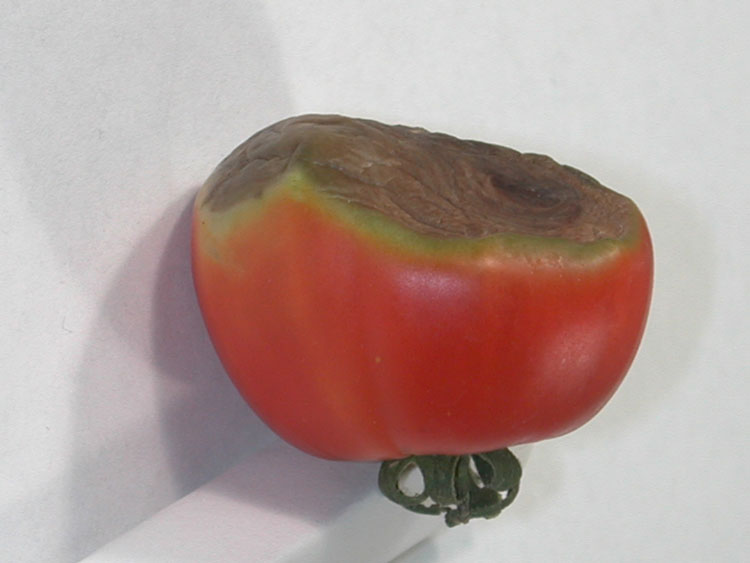
Photo Source: Mike Bush, WSU Yakima Co. Extension Educator
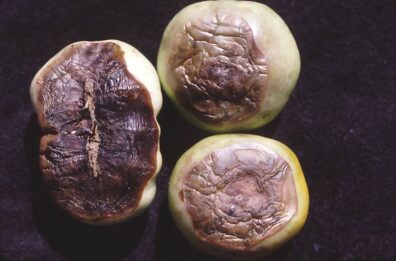
Photo Source: Krishna Mohan, University of Idaho
On-Line Resources:
- Blossom-End Rot of Tomato, Pepper, and Eggplant. By Miller, S.A., R. C. Rowe, and R. M. Riedel, The Ohio State University Extension Fact Sheet HYG-3117-96.
- Blossom end rot: Understanding a perennial problem. Michigan State University Extension.
- See Diseases, pests, and other problems common to many vegetables: Blossom end rot of vegetables.
Vivipary
Problem: Vivipary (germination of seeds while still attached to the mother plant)
Crops affected: Solanaceaous vegetables like tomato and pepper.
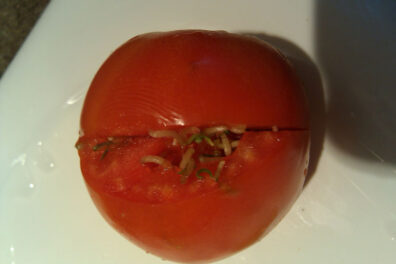
Photo Source: Michael Bush, Washington State University Extension, Yakima, WA
On-Line Resources:
- Effect of potassium nutrition during bell pepper seed development on vivipary and endogenous levels of abscisic acid (ABA). By Marrush, M., M. Yamaguchi and M. E. Saltveit. 1998. J. Amer. Soc. Hort. Sci. 123(5):925–930.
- Physiological and Nutrient Disorders (pdf). University of Kentucky Vegetable Integrated Pest Management Program. Vegetable Manuals.
- See Diseases, pests, and other problems common to many vegetables: Vivipary.
If you need the content provided on this site in an alternate format or for further information on the Vegetable Seed Pathology program,
please contact: Lindsey du Toit at dutoit@wsu.edu or at 360-848-6140.
Our pages provide links to external sites for the convenience of users. WSU Extension does not manage these external sites, nor does Extension review, control, or take responsibility for the content of these sites. These external sites do not implicitly or explicitly represent official positions and policies of WSU Extension.