Diseases
Nematodes
Insect/Mite Pests
Abiotic Problems
(Click on photo to enlarge)
General Pea Disease and Pest Management
- Pea Disease Diagnostic Series (pdf), North Dakota Agricultural Experiment Station.
Diseases
Aphanomyces root rot
Disease: Aphanomyces root rot
Pathogen: Aphanomyces euteiches
Host Crop: Pea
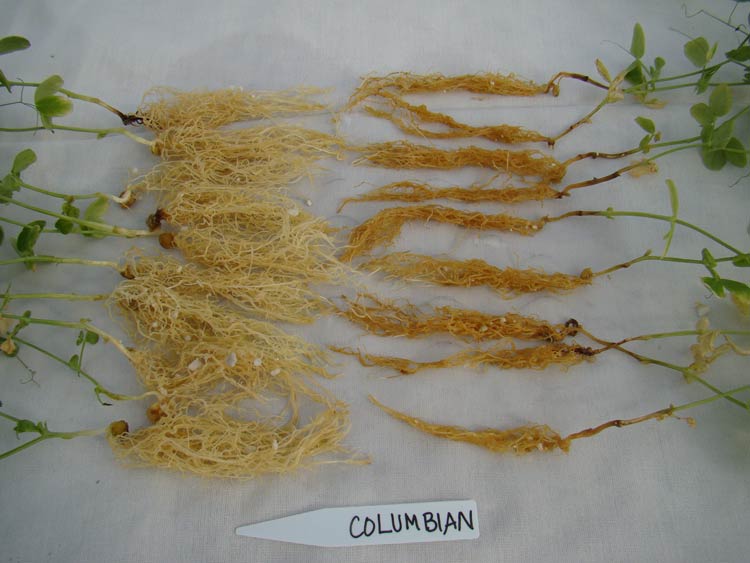
Photo Source: Lyndon Porter
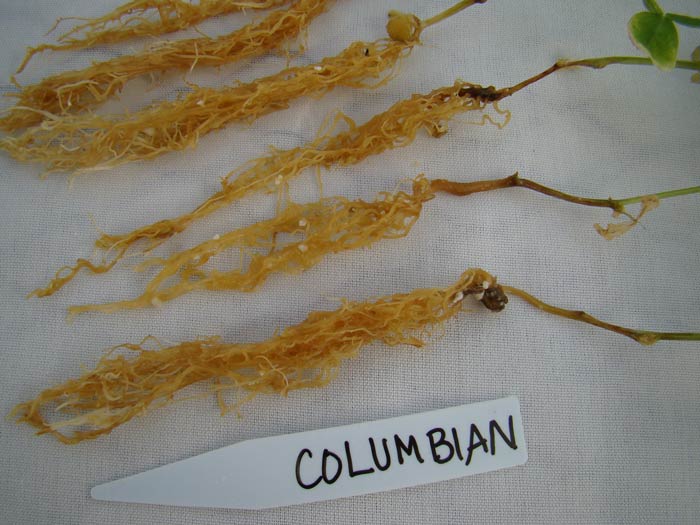
Photo Source: Lyndon Porter
On-Line Resources:
- Pacific Northwest Plant Disease Management Handbook: Pea (Pisum sativum) – Aphanomyces Root Rot.
- Pea Disease Diagnostic Series – Aphanomyces root rot, North Dakota Agricultural Experiment Station.
- See also: Root rot complex caused by mixed infections of Fusarium wilt (FW), Aphanomyces root rot (ARR) and Fusarium root rot (FRR).
Downy mildew
Disease: Downy mildew
Pathogen: Peronospora viciae
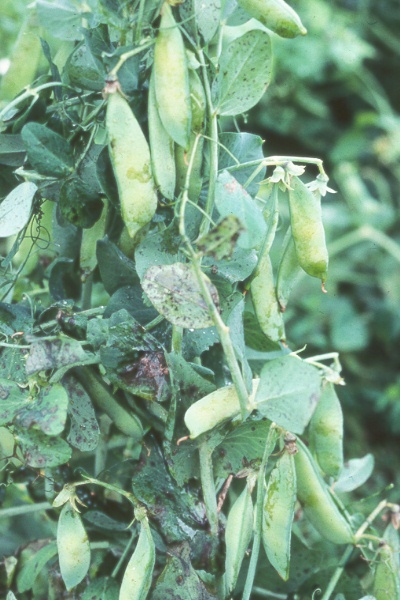
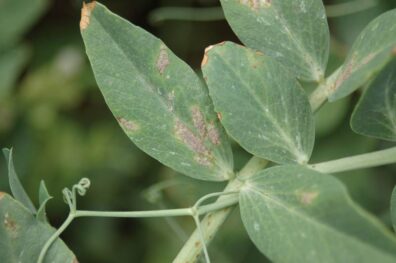
Photo Source: Lyndon Porter
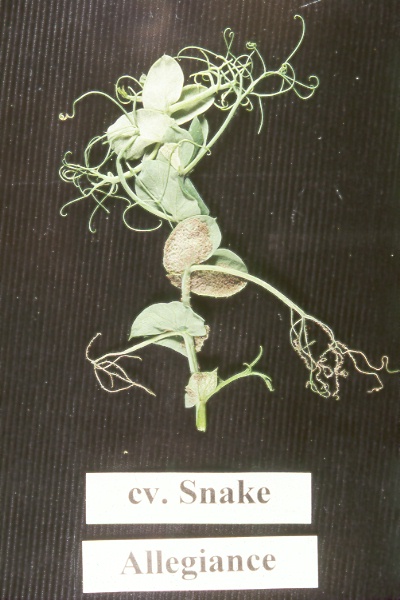
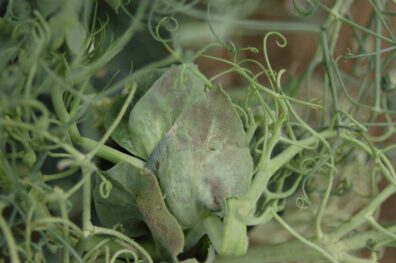
Photo Source: Lyndon Porter
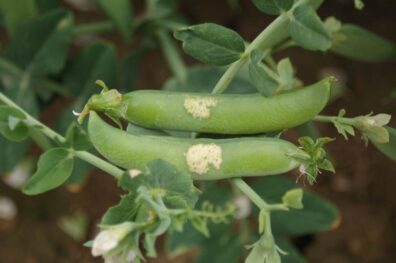
Photo Source: Lyndon Porter
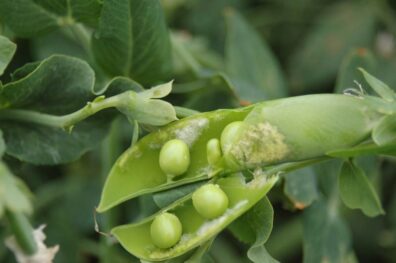
Photo Source: Lyndon Porter
On-Line Resources:
Fusarium root rot
Disease: Fusarium root rot
Pathogen: Fusarium solani f. sp. pisi
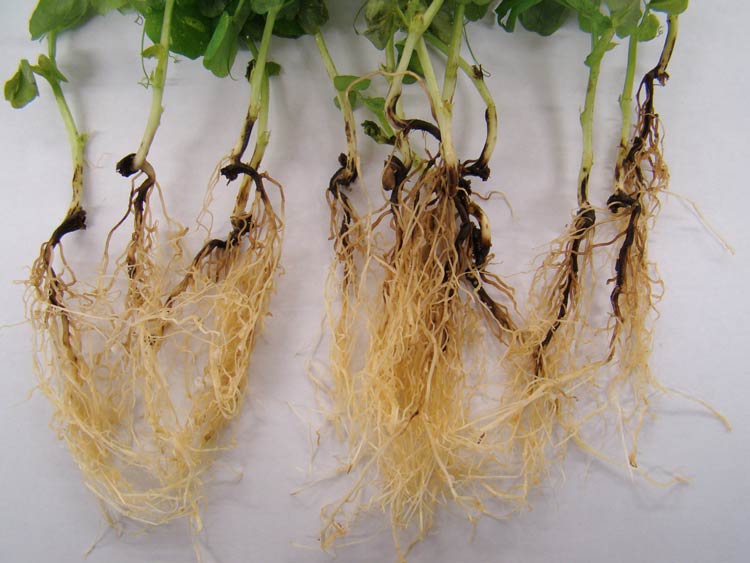
Photo Source: Lyndon Porter
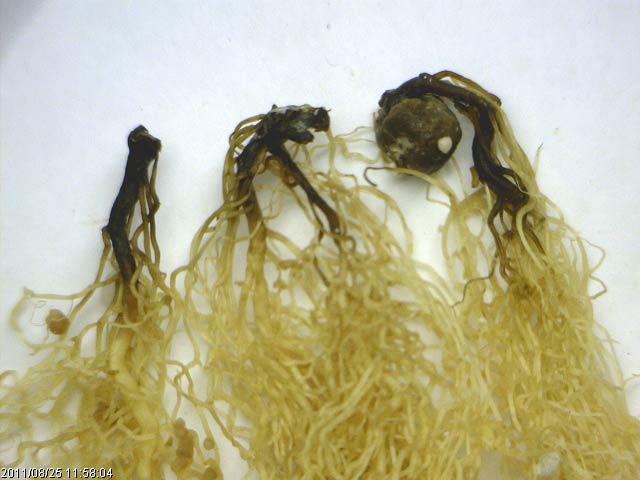
Photo Source: Lyndon Porter
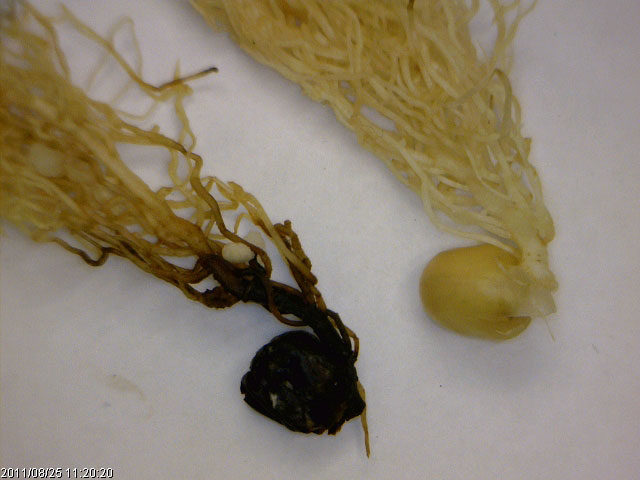
Photo Source: Lyndon Porter
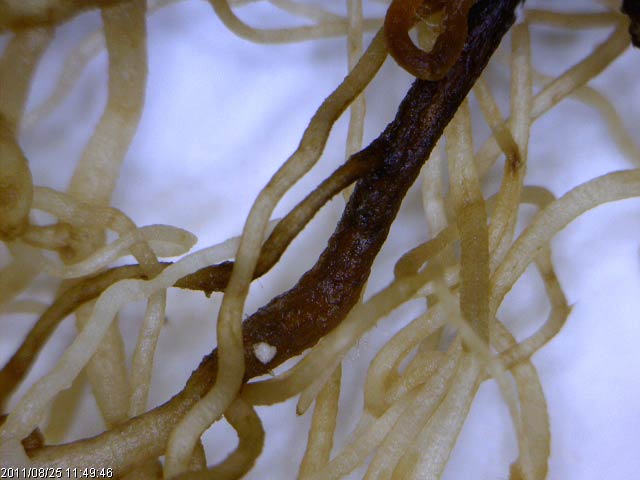
Photo Source: Lyndon Porter
On-Line Resources:
- Pacific Northwest Plant Disease Management Handbook: Pea (Pisum sativum) – Root Rots.
- Pea Disease Diagnostic Series – Fusarium root rot, North Dakota Agricultural Experiment Station.
- See also: Root rot complex caused by mixed infections of Fusarium wilt (FW), Aphanomyces root rot (ARR) and Fusarium root rot (FRR).
Fusarium wilt
Disease: Fusarium wilt
Pathogen: Fusarium oxysporum f. sp. pisi. Races 1, 5, and 6 of the fungus cause true wilt symptoms; race 2 isolates produce near-wilt symptoms. Races 5 and 6 are economically important in western Washington and southwest British Columbia. Races 1 and 2 reportedly are in all pea-growing regions of Oregon and Washington.
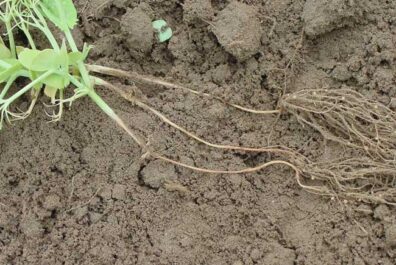
Photo Source: Lindsey du Toit
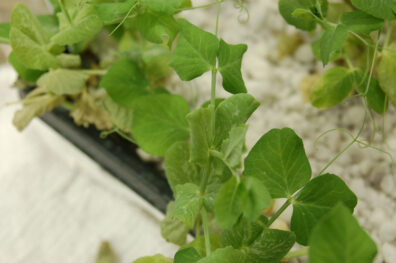
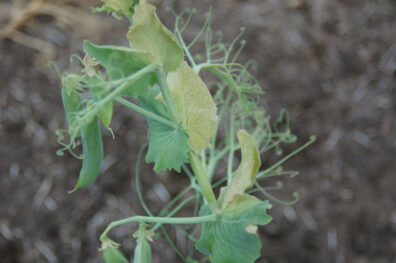
Photo Source: Lyndon Porter
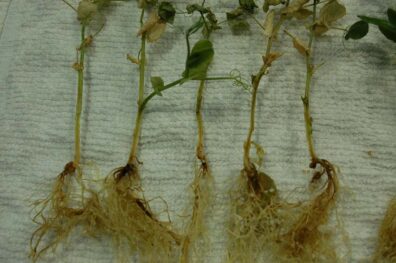
Photo Source: Lyndon Porter
On-Line Resources:
- Pacific Northwest Plant Disease Management Handbook: Pea (Pisum sativum) – Wilt and Near-wilt.
- Pea Disease Diagnostic Series – Fusarium wilt, North Dakota Agricultural Experiment Station.
- See also: Root rot complex caused by mixed infections of Fusarium wilt (FW), Aphanomyces root rot (ARR) and Fusarium root rot (FRR).
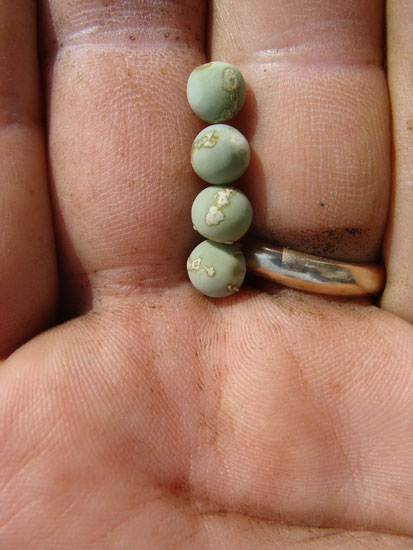
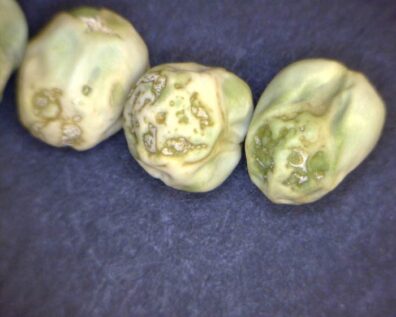
Pea seedborne mosaic
Disease: Pea seedborne mosaic
Pathogen: Pea seedborne mosaic virus (PSbMV)
Host Crops: Pea and at least 46 other plant species in 12 families, of which only a few are economically important hosts, including lentil, vetch, chickpea, and pea.
On-Line Resources:
- Pacific Northwest Plant Disease Management Handbook: Pea (Pisum sativum) – Pea Seedborne Mosaic.
- Pea Disease Diagnostic Series – Pea seedborne mosaic virus, North Dakota Agricultural Experiment Station.
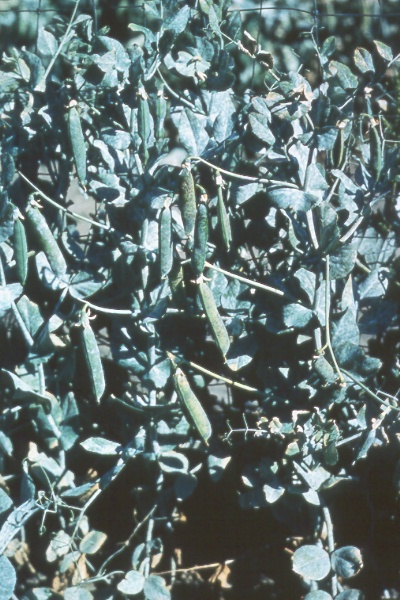
Powdery mildew
Disease: Powdery mildew
Pathogen: Erysiphe pisi
On-Line Resources:
- Pacific Northwest Plant Disease Management Handbook: Pea (Pisum sativum) – Powdery Mildew.
- Pea: Powdery mildew, Washington State University Hortsense.
- Pea Disease Diagnostic Series – Powdery mildew, North Dakota Agricultural Experiment Station.
Root rot complex
Disease: Root rot complex caused by mixed infections of Fusarium wilt (FW), Aphanomyces root rot (ARR) and Fusarium root rot (FRR).
Pathogen: Fusarium oxysporum f. sp. pisi (FW), Aphanomyces euteiches (ARR), and Fusarium solani f. sp. pisi (FRR).
Host Crop: Pea
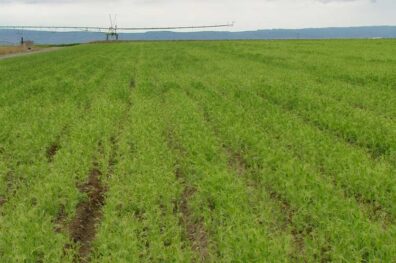
Photo Source: Lindsey du Toit
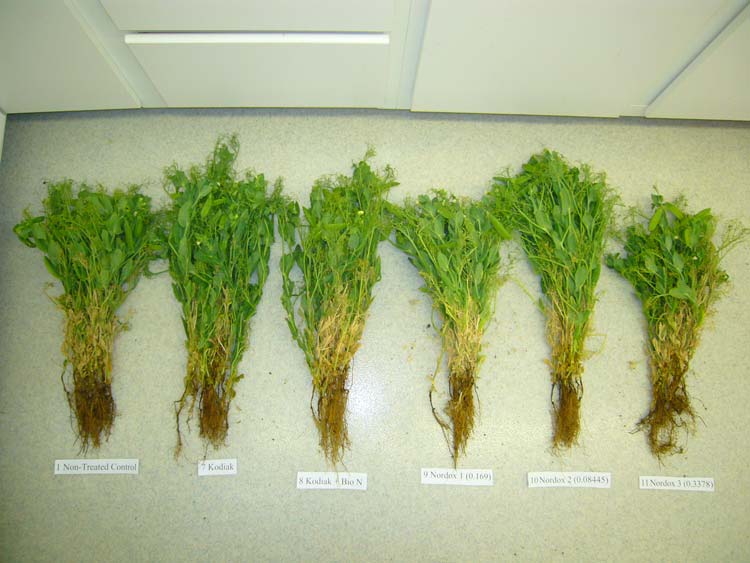
Photo Source: Lyndon Porter
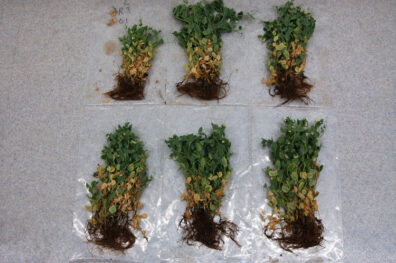
Photo Source: Lyndon Porter
On-Line Resources:
- Pacific Northwest Plant Disease Management Handbook: Pea (Pisum sativum) – Root Rots.
- Pacific Northwest Plant Disease Management Handbook: Pea (Pisum sativum) – Aphanomyces Root Rot.
- Pacific Northwest Plant Disease Management Handbook: Pea (Pisum sativum) – Wilt and Near-wilt.
- Pea Disease Diagnostic Series – Fusarium root rot, North Dakota Agricultural Experiment Station.
Thielaviopsis root rot
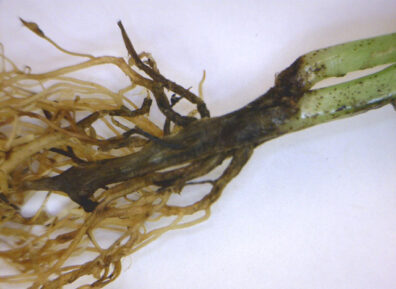
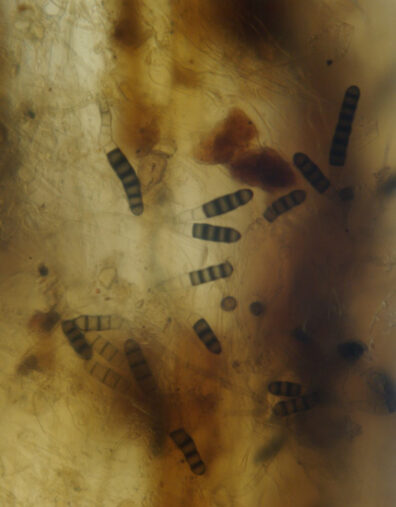
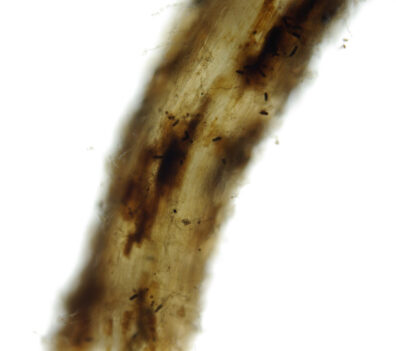
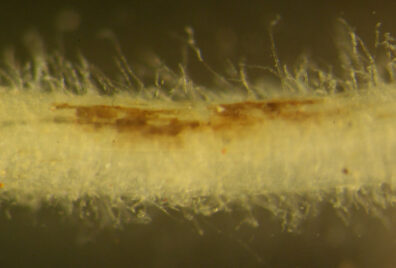
Disease: Thielaviopsis root rot
Pathogen: Thielaviopsis basicola
Host Crops: Alfalfa, bean, carrot, corn, pea, pepper and many other plant species.
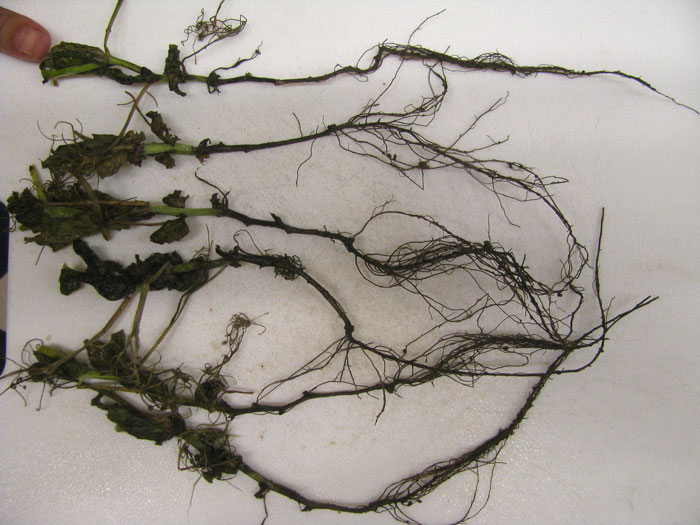
Photo Source: Lindsey du Toit
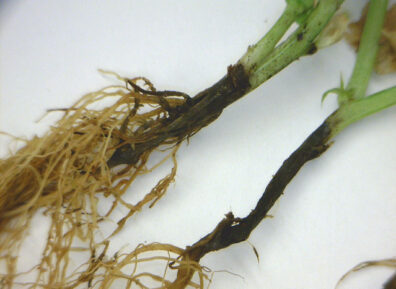
On-Line Resources:
- Thielaviopsis Root Rot of Pea (pdf), Identification & Management of Emerging Vegetable Problems in the Pacific Northwest. Pacific Northwest Vegetable Extension Group.
- Pacific Northwest Plant Disease Management Handbook: Pea (Pisum sativum) – Root Rots.
- Pacific Northwest Plant Disease Management Handbook: Pea (Pisum sativum) – Seed Rot and Damping-off.
- Emerging and Common Disease Issues in Peas, USDA-ARS.
- Root Rots of Pea, University of Illinois Extension.
Nematodes
Pea cyst nematode
Disease: Pea cyst nematode
Pathogen: Heterodera goettingiana
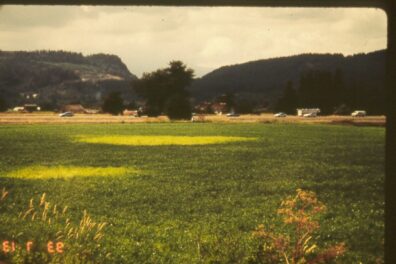
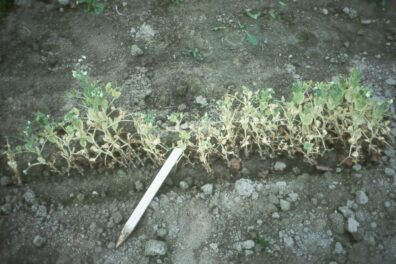
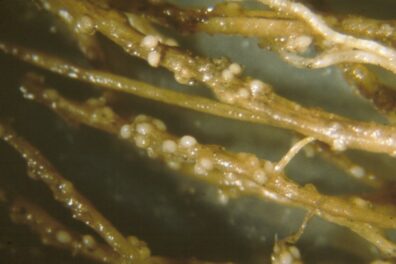
Photo Source: D.A. Inglis
On-Line Resources:
Root lesion nematode
Common name: Root lesion nematode
Latin binomial: Pratylenchus penetrans
Host Crops: Pea and many vegetables/other plant species
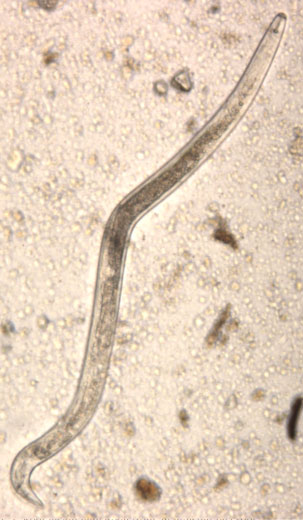
Photo Source: Lindsey du Toit, WSU
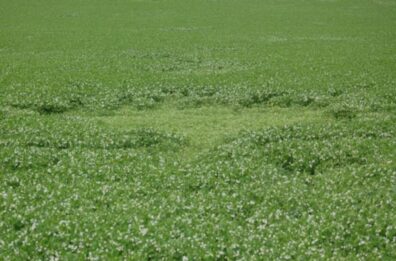
Photo Source: Lyndon Porter, USDA ARS

Photo Source: O & T Images
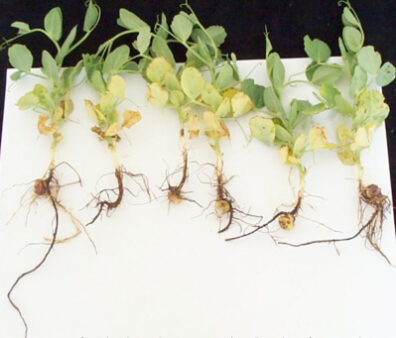
Photo Source: Lyndon Porter, USDA ARS
On-Line Resources:
- Root Lesion Nematodes on Pea (pdf), Identification & Management of Emerging Vegetable Problems in the Pacific Northwest, Pacific Northwest Vegetable Extension Group.
Insect/Mite Pests
Pea moth
Common name: Pea moth
Latin binomial: Cydia nigricana
Host crops: Pea, sweet pea, and vetch
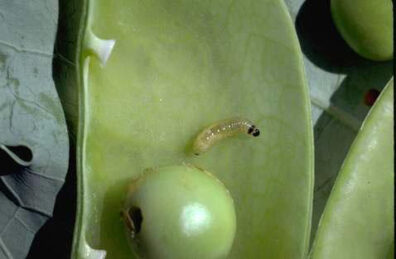
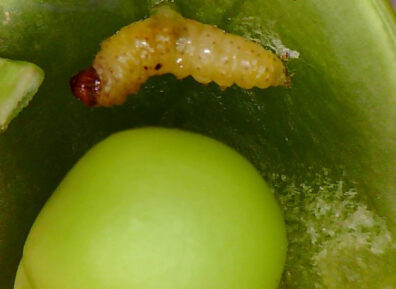
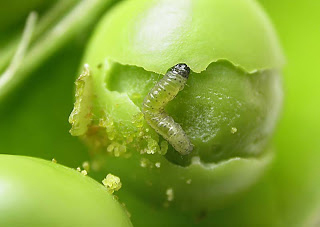
Photo Source: Charlie Streets, taken on July 9, 2010 on allotments at Halifax, West Yorkshire, UK.
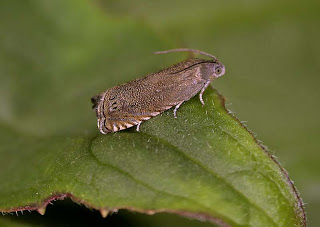
Photo Source: Charlie Streets, taken on April 26, 2011.
On-Line Resources:
- Pea Moth (pdf), WSU PLS-59, Washington State University.
- Pea moth, Pest Spotter, Bayer CropScience.
- Pea moth, Royal Horticultural Society.
- Pacific Northwest Insect Management Handbook: Pea, green and dry-Pea moth.
Pea weevil
Common name: Pea weevil
Latin binomial: Bruchus pisorum
Host crops: Pea (Pisum spp.)
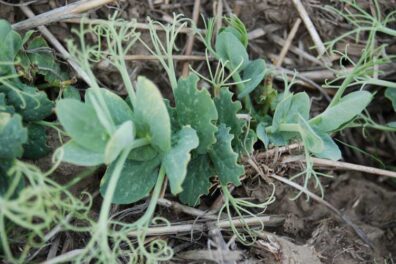
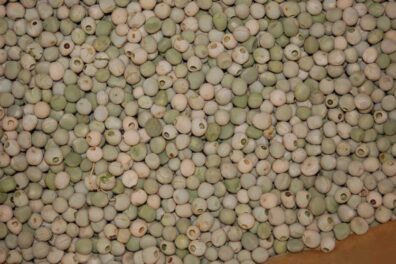
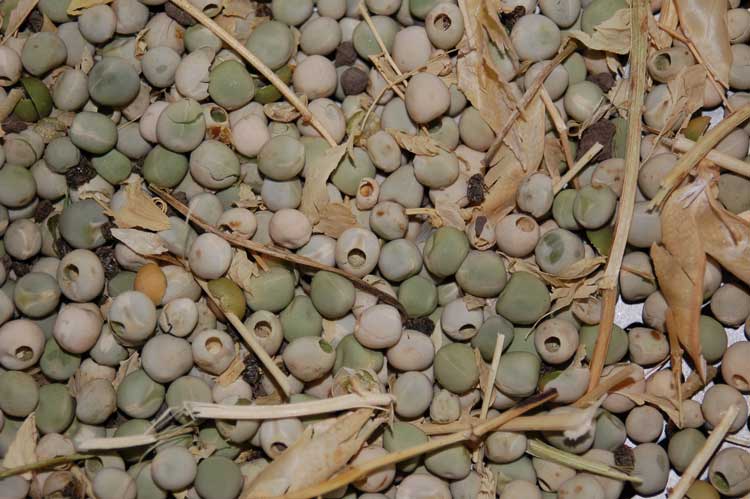
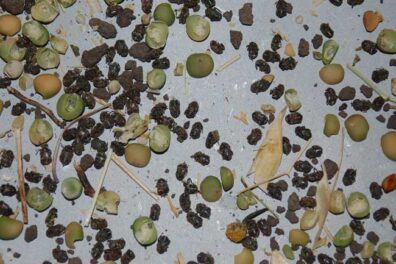
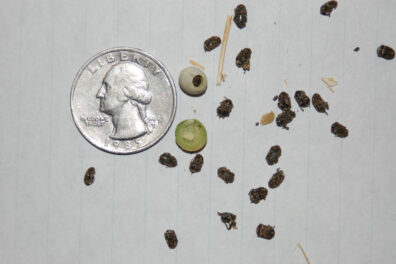
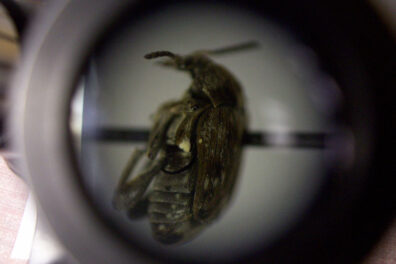
Photo Source: Tim Waters, WSU Extension Educator for Benton/Franklin Counties
On-Line Resources:
- Pacific Northwest Insect Management Handbook: Pea, green and dry-Pea weevil.
- Pea Weevil: Bruchus pisorum (Linnaeus) (Coleoptera: Chrysomelidae), SARDI, Pests and Diseases.
- Pea Weevil: Bruchus pisorum (Linnaeus), Canadian Grain Commission.
Seedcorn maggot
Common name: Seedcorn maggot
Latin binomial: Delia platura
Host crops: Many vegetable crops including snap, kidney, and lima beans, onion, corn, turnip, pea, cabbage, and cucurbits. They cause the most damage in spring to newly emerging seedlings, and can cause severe losses in plant stand.
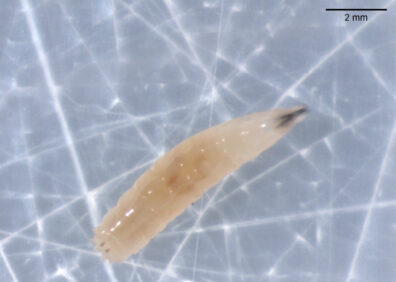
Photo Source: Lindsey du Toit, Washington State University
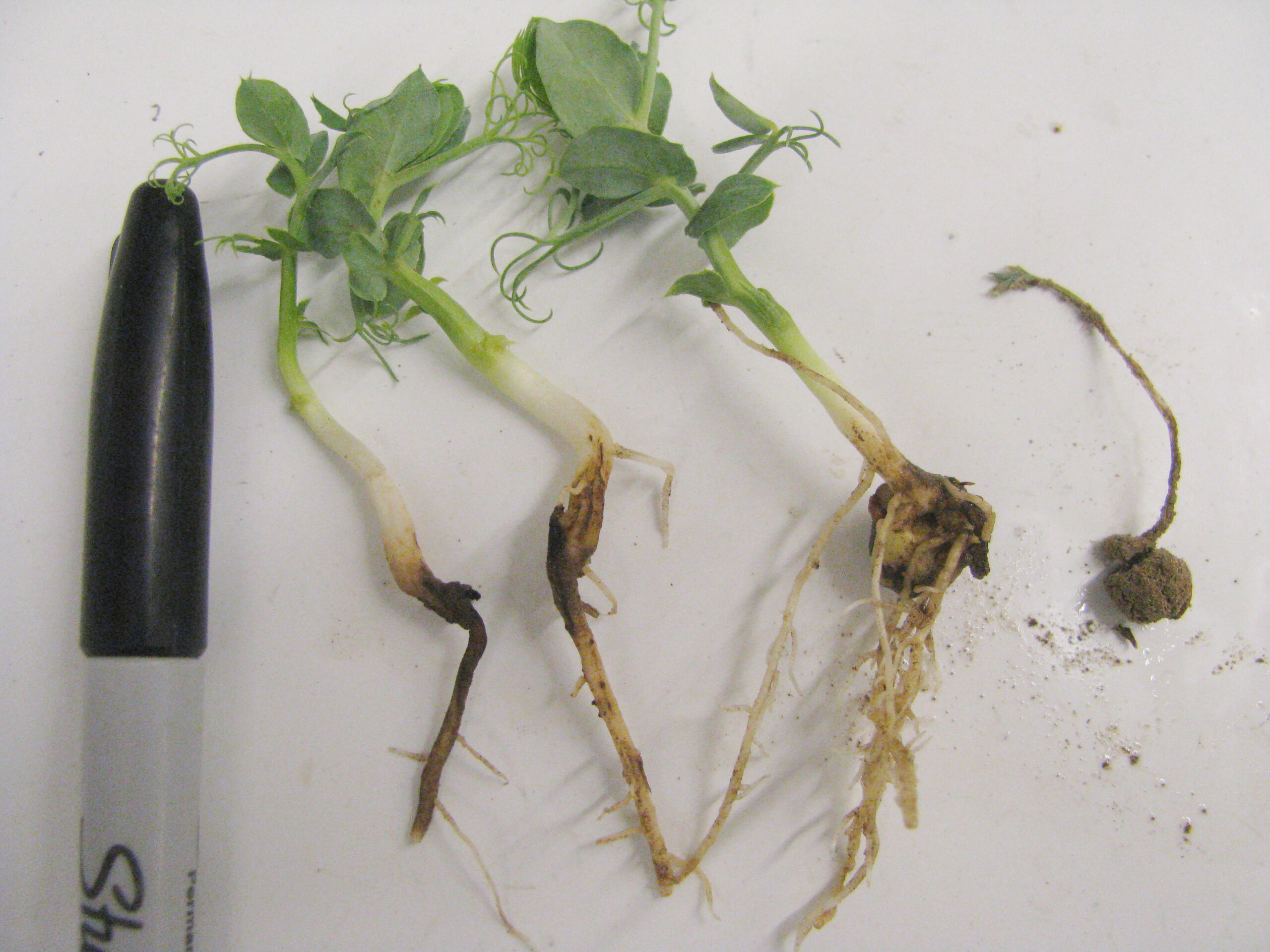
Photo Source: Lindsey du Toit, Washington State University
Online Resources:
- Seedcorn maggot, Vegetable Crop Pests, Pacific Northwest Insect Management Handbook.
- Seedcorn Maggot, University of California IPM Pest Management Guidelines, Corn.
- Seed Corn Maggot, VegEdge, Vegetable IPM Resource for the Midwest, University of Minnesota.
- Hosts and Pests of Vegetable Crops, Pacific Northwest Insect Management Handbook.
Abiotic Problems
Adjuvant damage
Disease: Adjuvant Damage
Causal Organism/Agent: “In-Place” is a deposition aid and drift management agent added as a tank mix with pesticides to reduce spray drift during applications. The active ingredients of In-Place are modified vegetable oil, aliphatic mineral oil, amine salts of organic acids, and aromatic acid.
Host Crops: Pea.
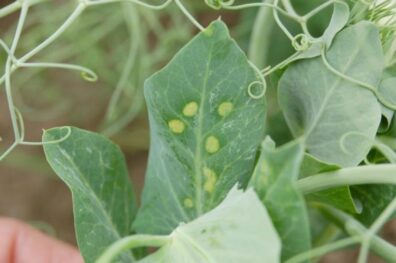
Photo Source: Lyndon Porter, USDA ARS
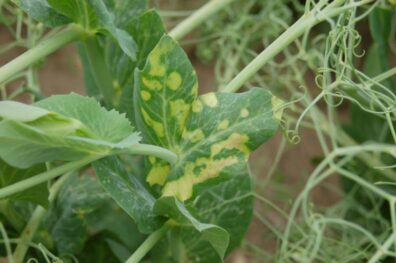
Photo Source: Lyndon Porter, USDA ARS
On-Line Resources:
- Adjuvant Damage on Pea (pdf), Identification & Management of Emerging Vegetable Problems in the Pacific Northwest. Pacific Northwest Vegetable Extension Group
Edema
Problem: Edema
A physiological problem most prominent when air is cooler than the soil, soil moisture is high, and relative humidity is high. The low plant transpiration rate combined with an increase in water absorption by roots from the soil leads to increased cell turgor pressure, resulting in eruption of epidermal cells as the inner cells enlarge. Protrusion of the inner cells causes epidermal cells to die and discolor, resulting in a ’warty’ appearance that can be misidentified as a disease. Symptoms are usually worse on lower leaf vs. upper leaf surfaces. Some pea cultivars are more prone to this condition than others.
Host crops: Numerous vegetables including brassicas, cucurbits, pea, spinach, tomato, etc.

Photo Source: Joanne Henderson, Thunder Bay, Ontario, Canada
Online Resources:
- What are these bumps on my vegetables? Edema or oedema: It doesn’t matter how you spell it, it still doesn’t look good. What is it, what causes it and how can I prevent it? Michigan State University Extension.
- University of Wisconsin Extension.
If you need the content provided on this site in an alternate format or for further information on the Vegetable Seed Pathology program,
please contact: Lindsey du Toit at dutoit@wsu.edu or at 360-848-6140.
Our pages provide links to external sites for the convenience of users. WSU Extension does not manage these external sites, nor does Extension review, control, or take responsibility for the content of these sites. These external sites do not implicitly or explicitly represent official positions and policies of WSU Extension.