Diseases
Insect/Mite Pests
(Click on photo to enlarge)
General Disease Management in Eggplant
- Pepper & Eggplant Disease Guide (pdf) – A Practical Guide for Seedsmen, Growers and Agricultural Advisors. Published by Seminis Vegetable Seeds, Inc.’s Plant Health Department.
Diseases
Curly top
Disease: Curly top
Pathogen: Various strains of Beet curly top virus (BCTV), which are vectored by the beet leafhopper (Circulifer tenellus)
Host crops: Numerous plant species including many vegetables such as bean, beet, carrot, eggplant,
coriander, pepper, potato, tomato, various cucurbits such as squash, cucumber, pumpkin, and
watermelon, etc.
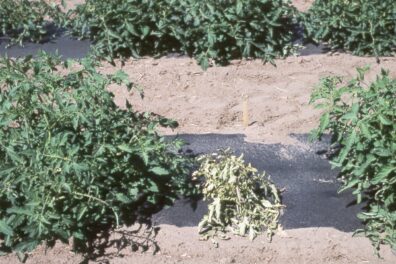
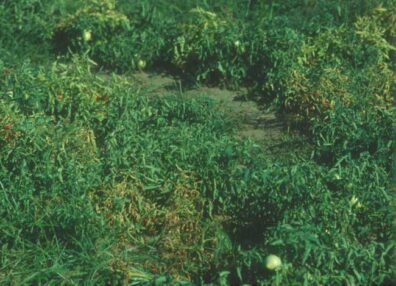
Photo Source: Phil Hamm, Oregon State University
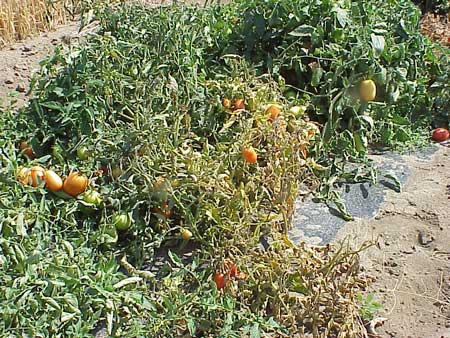
Photo Source: Phil Hamm, Oregon State University
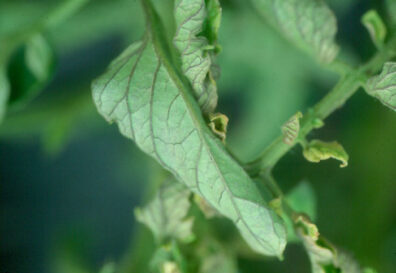
Photo Source: Phil Hamm, Oregon State University
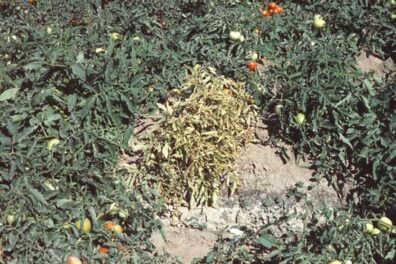
Photo Source: Krishna Mohan, University of Idaho
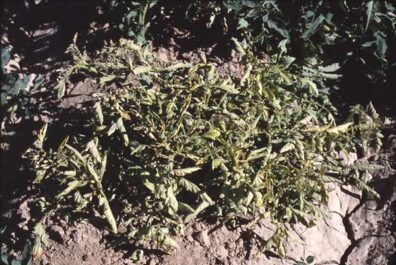
Photo Source: Krishna Mohan, University of Idaho
On-Line Resources:
Verticillium wilt
Disease: Verticillium wilt
Pathogen: Verticillium species
Host crops: Numerous vegetables including many brassica vegetables (but not broccoli), cucumber,
eggplant, pepper, potato, pumpkin, radish, spinach, tomato, watermelon, etc.
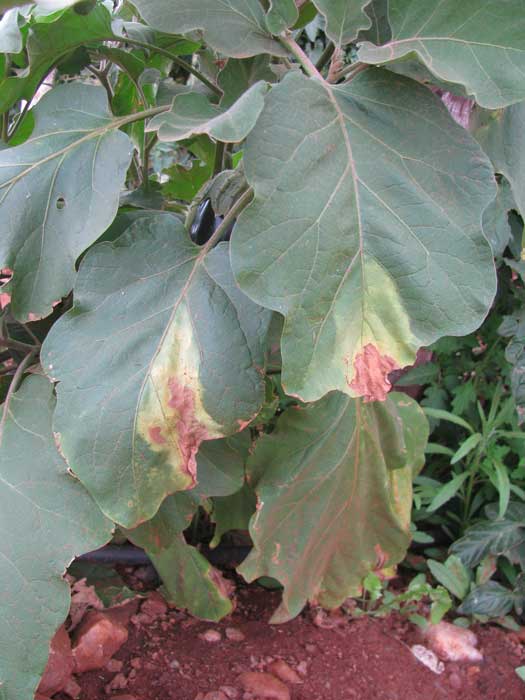
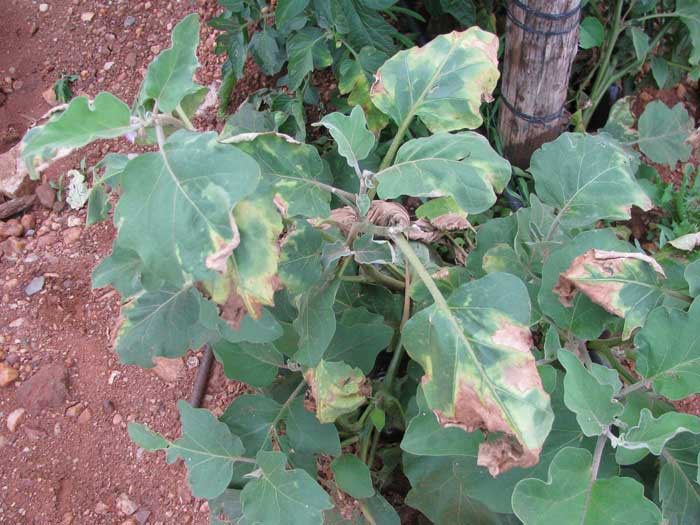
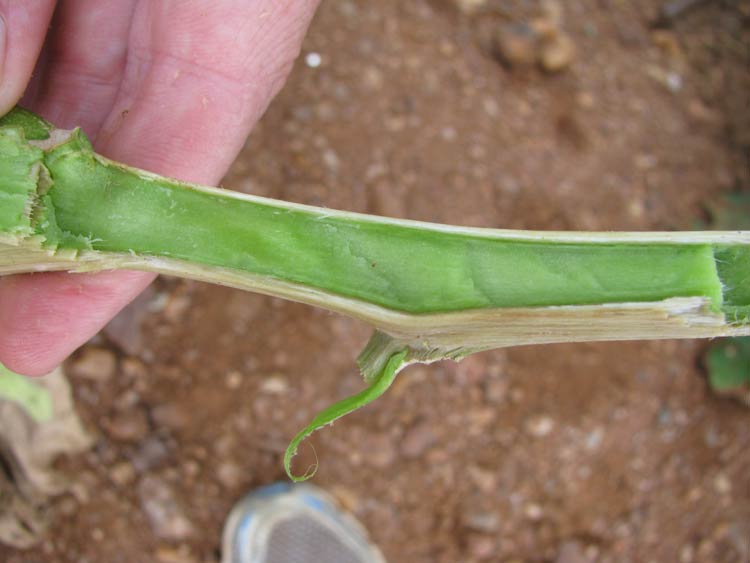
Photo Source: Lindsey du Toit
Online Resources:
- Pacific Northwest Plant Disease Management Handbook: Eggplant (Solanum melongena) – Verticillium Wilt.
- Fusarium and Verticillium Wilts of Tomato, Potato, Pepper, and Eggplant. The Ohio State University Extension.
- See Diseases, pests, and other problems common to many vegetables: Verticillium wilt.
Insect/Mite Pests
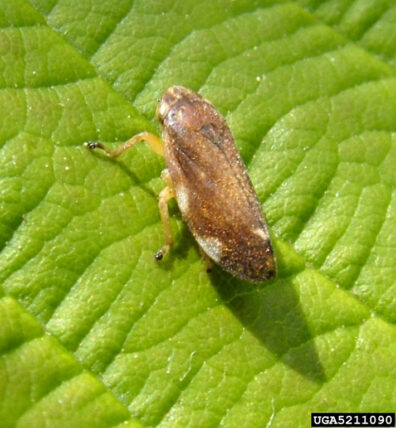
Spittlebug
Common name: Spittlebug (e.g., meadow spittlebug)
Latin binomial: Meadow spittlebug = Philaenus spumarius
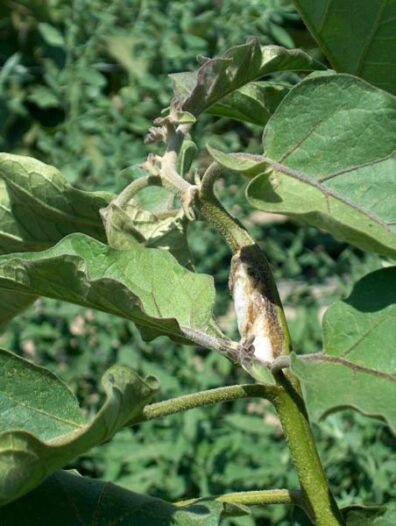
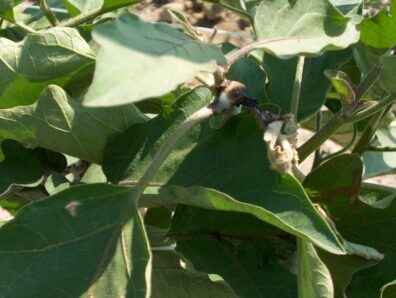
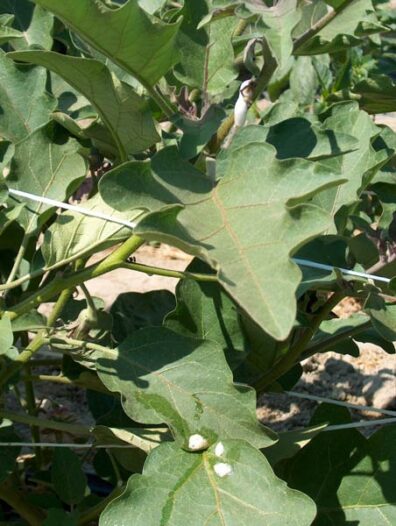
Online Resources:
- Strawberry Pests. Pacific Northwest Insect Management Handbook. Chapter: Small Fruit, Section: Strawberry.
- Seasonal development and life cycle – Spittlebugs. UC IPM Online. University of California.
- Meadow spittlebug. Pacific Northwest Insect Management Handbook.
Tomato hornworm
Common name (of damaging stage): Tomato hornworm
Latin binomial: Manduca quinquemaculata
Host crops: Pepper, eggplant, potato, and tomato.
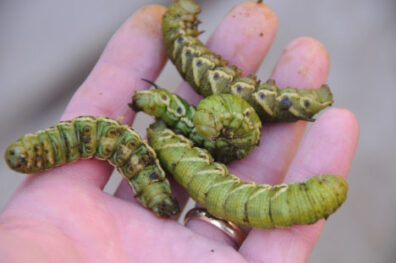
Photo Source: Michael Bush, WSU Extension, Yakima, WA
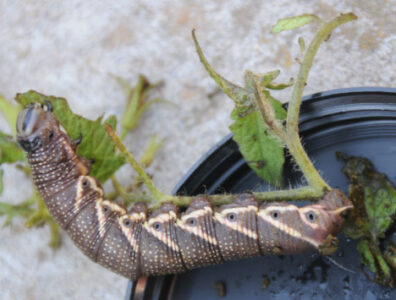
Photo Source: Michael Bush, WSU Extension, Yakima, WA
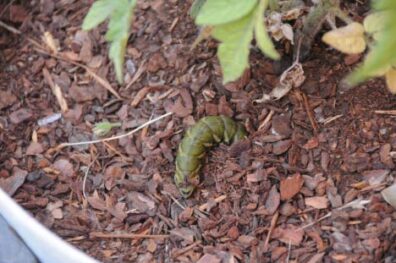
Photo Source: Michael Bush, WSU Extension, Yakima, WA
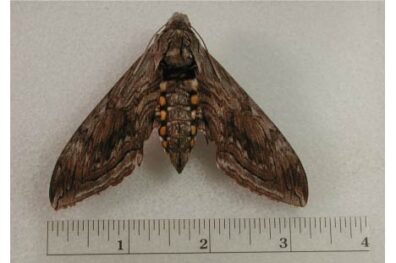
Photo Source: Michael Bush, WSU Extension, Yakima, WA
On-Line Resources:
- Pacific Northwest Insect Management Handbook. Washington State Chapter: Vegetables, Section: Tomato Part2: Fleabeetle to Wireworm.
- Vegetables: Tomato: Tomato hornworm. Washington State University Hortsense.
- UC Pest Management Guidelines: Eggplant Hornworms. UC IPM Online, University of California.
If you need the content provided on this site in an alternate format or for further information on the Vegetable Seed Pathology program,
please contact: Lindsey du Toit at dutoit@wsu.edu or at 360-848-6140.
Our pages provide links to external sites for the convenience of users. WSU Extension does not manage these external sites, nor does Extension review, control, or take responsibility for the content of these sites. These external sites do not implicitly or explicitly represent official positions and policies of WSU Extension.