Diseases
Nematodes
Insect/Mite Pests
Weeds
Herbicide Injury
Abiotic Problems Common to Vegetables
(Click on photo to enlarge)
In addiditon to the resources found here, the WSU Urban IPM Program’s Hortsense and Pestsense
websites are designed for homeowner education and are used by County Extension Educators, Master Gardener Coordinators, Master Gardeners and Clinic Diagnosticians. Together, the two websites contain 1,050 fact sheets which provide up-to-date, research-based information on problem insects, diseases, and weeds and their management. The websites have been upgraded and the new versions are now available online. Additional features include a Hortsense image library and search, print and email options.
Diseases
Club root of brassica vegetables
Disease: Club root of brassica vegetables
Pathogen: Plasmodiophora brassicae
Host crops: Broccoli, cabbage, cauliflower, brassicaceae (cruciferous) weeds, and radish.
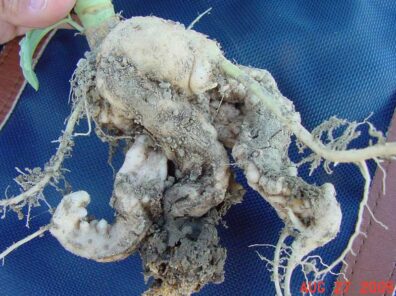
Photo Source: Lindsey du Toit
On-Line Resources:
- Pacific Northwest Plant Disease Management Handbook: Cabbage and Cauliflower (Brassica sp.) – Clubroot.
- Clubroot of Crucifers. Vegetable MD Online.
- Clubroot. Wikipedia.
- Clubroot of vegetable brassicas – towards integrated control. New Zealand Institute for Crop & Food Research Ltd.
- Clubroot of Crucifers. The Ohio State University Extension.
- Managing Clubroot: Equipment Sanitation Guide (pdf). Canola Council of Canada.
- Top 10 tips from the 2013 International Clubroot Workshop. Canola Watch, Canola Council of Canada.
Damping-off/Seedling blight
Disease: Damping-off/Seedling blight
Pathogen: Aphanomyces, Fusarium, Pythium, and Rhizoctonia species.
Host crops: Most vegetables are susceptible to damping-off/seedling blight including watermelon.
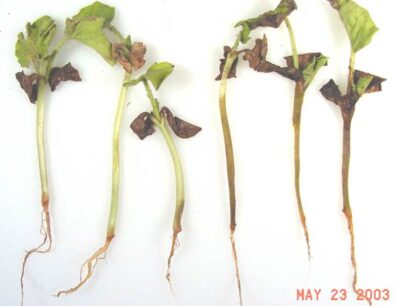
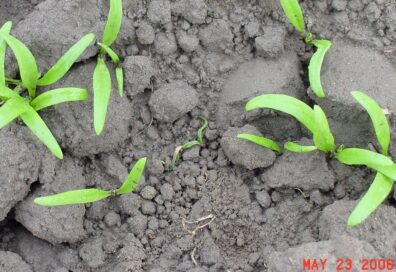
Photo Source: Lindsey du Toit, Washington State University
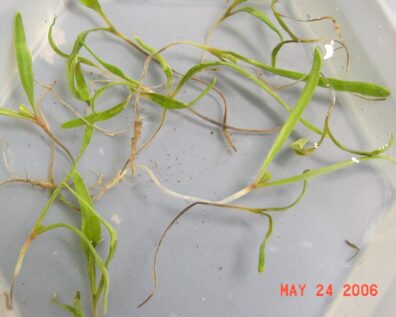
Photo Source: Lindsey du Toit, Washington State University
On-Line Resources:
- Pacific Northwest Plant Disease Management Handbook: Damping-off in Vegetable Seedlings.
- Pacific Northwest Plant Disease Management Handbook: Corn (Zea mays) – Seed Rot and Seedling Blight.
- Pacific Northwest Plant Disease Management Handbook: Watermelon (Citrullus lanatus) – Damping-off.
- Common Diseases: Damping-off. Washington State University Hortsense.
Verticillium wilt
Disease: Verticillium wilt
Pathogen: Verticillium species, including V. albo-atrum, V. dahliae and V. longisporum, depending on the vegetable crop.
Host crops: Numerous vegetables including many brassica vegetables (but not broccoli), cucumber,
eggplant, pepper, potato, pumpkin, radish, spinach, tomato, watermelon, etc.
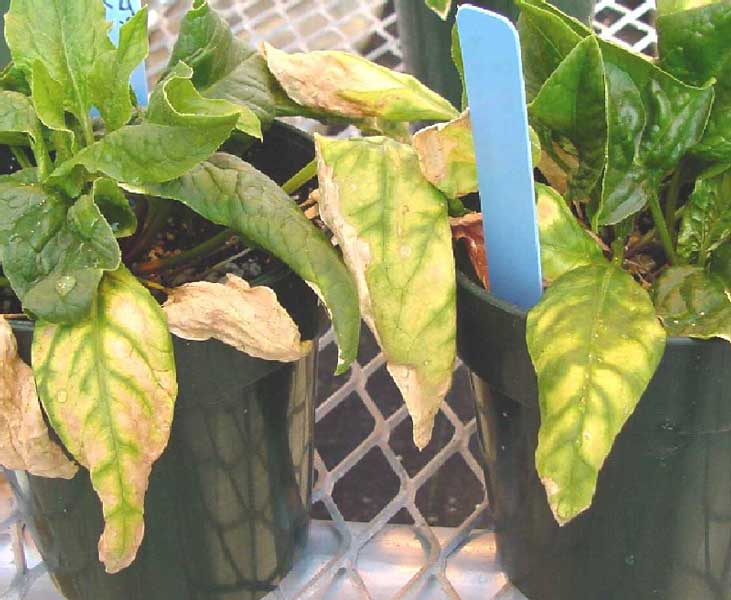
Photo Source: Lindsey du Toit
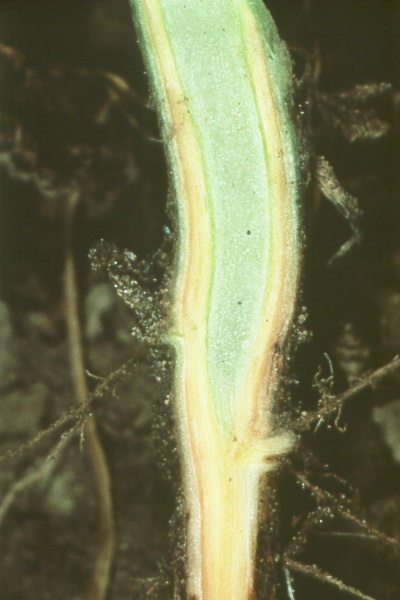
On-Line Resources:
- Pacific Northwest Plant Disease Management Handbook: Plants Resistant or Susceptible to Verticillium Wilt.
- Common Diseases: Verticillium wilt. Washington State University Hortsense.
- Cucumber, Pumpkin, Squash: Verticillium wilt, Washington State University Hortsense.
- Verticillium Wilt in Spinach Seed Production (pdf).
- Pacific Northwest Plant Disease Management Handbook: Spinach (Spinacia oleracea) – Verticillium Wilt.
- Crop Profile for Spinach Seed in Washington (pdf).
- Pacific Northwest Plant Disease Management Handbook: Potato (Solanum tuberosum) – Verticillium Wilt {Potato Early Dying}.
- Potato: Verticillium wilt (Potato early dying), Washington State University Hortsense.
- Pacific Northwest Plant Disease Management Handbook: Tomato (Lycopersicon esculentum) – Wilts (Fusarium wilt, Verticillium wilt)
- Tomato: Verticillium wilt, Washington State University Hortsense.
White mold
Disease: White mold
Pathogen: Sclerotinia sclerotiorum
Host crops: Bean, various brassica vegetables, carrot, eggplant, lettuce, potato, tomato, etc.
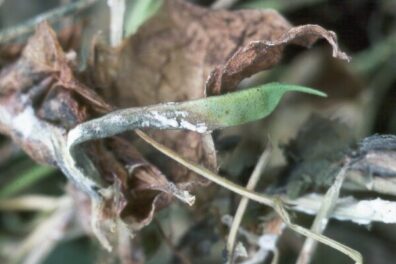
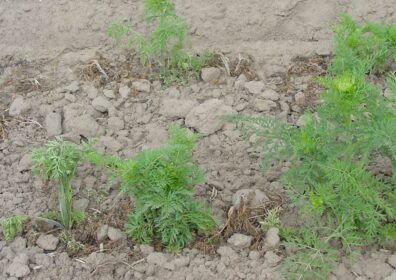
Photo Source: Lindsey du Toit, Washington State University
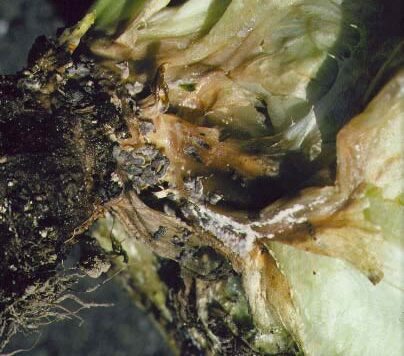
Photo Source: Lindsey du Toit
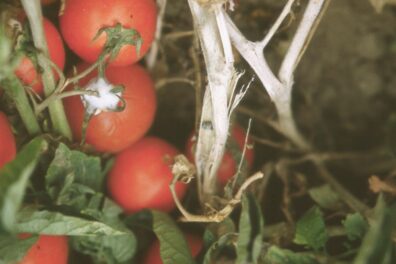
Photo Source: E. J. Sorensen
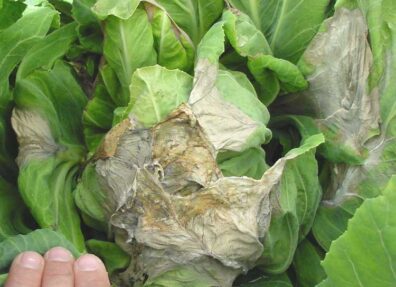
Photo Source: Lindsey du Toit
On-Line Resources:
- Pacific Northwest Plant Disease Management Handbook: Bean, Snap (Phaseolus vulgaris) – White Mold {Sclerotinia Rot}.
- Bean: White mold (Sclerotinia rot). Washington State University Hortsense.
- Pacific Northwest Plant Disease Management Handbook: Cabbage and Cauliflower (Brassica sp.) – Sclerotinia Stem Rot and Watery Soft Rot.
- Pacific Northwest Plant Disease Management Handbook: Carrot (Daucus carota) Cottony Rot.
- Carrot: Cottony Rot (White Mold) (pdf). Howard F. Schwartz and David H. Gent, Colorado State University.
- Pacific Northwest Plant Disease Management Handbook: Lettuce (Lactuca sativa) – Drop {Sclerotinia Rot}.
- UC Pest Management Guidelines: Lettuce: Lettuce Drop. UC IPM Online. University of California.
- Diseases of lettuce ( Lactuca sativa ) in Arizona: Leaf drop. Extension Plant Pathology, The University of Arizona.
- Evaluation of Products to Manage Sclerotinia Leaf Drop of Lettuce in 2003. The University of Arizona Cooperative Extension.
- Pacific Northwest Plant Disease Management Handbook: Pepper (Capsicum sp.) – White Mold.
- Pacific Northwest Plant Disease Management Handbook: Potato (Solanum tuberosum) – White Mold {Sclerotinia Stem Rot}.
- Pacific Northwest Plant Disease Management Handbook: Tomato (Lycopersicon esculentum) – White Mold.
Nematodes
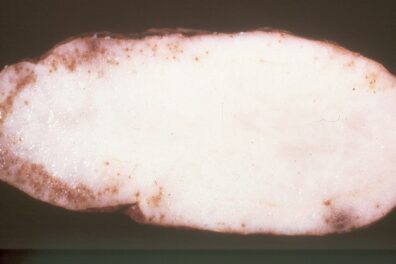
Root knot
Disease: Root knot
Pathogen: Meloidogyne species
Host crops: Numerous plant species including many vegetables such as carrot, coriander, onion,
potato, etc.
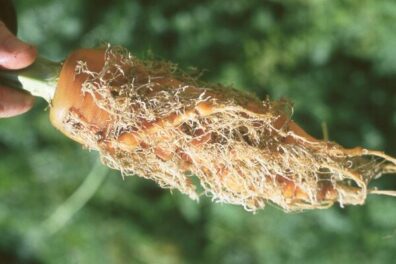

Photo Source: Lindsey du Toit, Washington State University
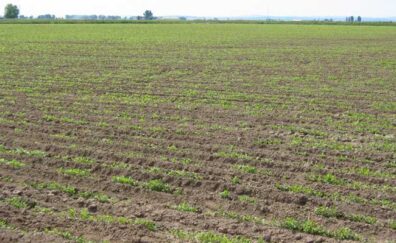
Photo Source: Lindsey du Toit, Washington State University
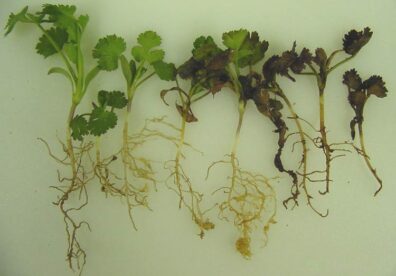
Photo Source: Lindsey du Toit, Washington State University
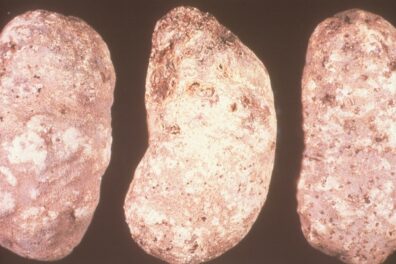
Photo Source: G.Q. Pelter
On-Line Resources:
- Pacific Northwest Plant Disease Management Handbook: Carrot (Daucus carota) – Nematode, Root-knot.
- Carrot: Root-knot nematode, Washington State University Hortsense.
- Pacific Northwest Plant Disease Management Handbook: Nematodes.
- Major Emerging Problems with Minor Meloidogyne Species (pdf). By Axel A. Elling, Washington State University.
- Pacific Northwest Plant Disease Management Handbook: Potato (Solanum tuberosum) – Nematode, Root-knot.
- Onion and Garlic: Nematodes, UC IPM Online, University of California.
- Root-knot nematode. APSnet.
Insect/Mite Pests
Aphids
Common names: Numerous aphids can infest vegetable crops, e.g., bean aphid, green peach aphid, melon aphid, and potato aphid.
Latin binomial: Numerous types of aphids including Aphis fabae (bean aphid), Myzus persicae (green peach aphid), Aphis gossypii (melon aphid), and Acrosiphum euphorbiae (potato aphid).
Host crops: In addition to cucumber, corn seed, melon, potato, tomato, eggplant and pepper, aphids can feed on many other vegetables including broccoli, cabbage, spinach, Swiss chard, squash, pumpkin, beet as well as many weed species including Brassicaceae (cruciferous) weeds.
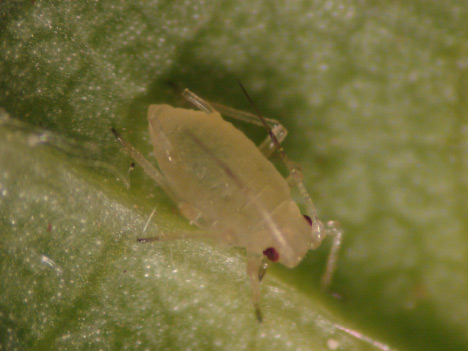
Photo Source: Michael Bush, WSU Extension, Yakima, WA
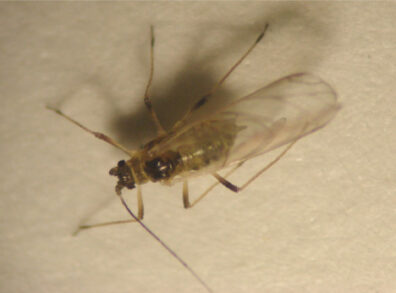
Photo Source: Michael Bush, WSU Extension, Yakima, WA
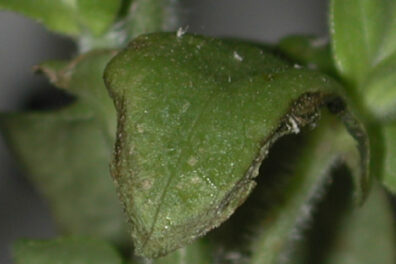
Photo Source: Michael Bush, WSU Extension, Yakima, WA
On-Line Resources:
- Biology and Management of Aphids in Organic Cucurbit Production Systems, eOrganic.
- Pacific Northwest Insect Management Handbook: Vegetable crop pests-Aphid.
- Pacific Northwest Insect Management Handbook: Potato, Irish – Aphid.
- Pacific Northwest Insect Management Handbook: Pumpkin and squash – Aphid.
- Common Insect & Mite: Aphids, Washington State University Hortsense.
Blister beetle
Common name: Blister beetle
Latin binomial: Epicauta spp. including E. maculata
Host Crops: Blister beetles are typically considered beneficial insects as the larvae feed on grasshopper eggs, but they are occasional pests on crops such as alfalfa, beets, beans, clover, potatoes, other vegetable and field crops, and native plants.
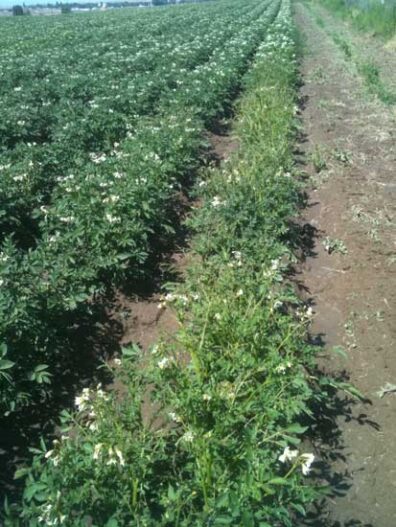
Photo Source: Sally Hubbs
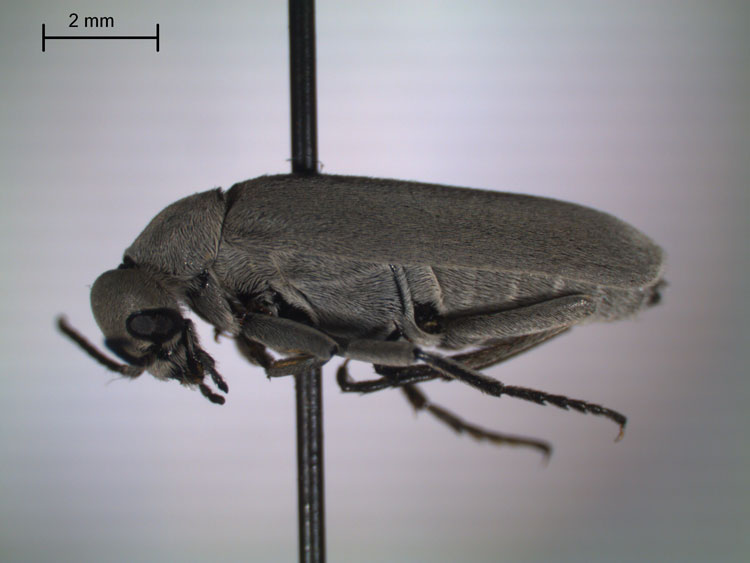
Photo Source: OSU-HAREC Rondon’s lab (A. Murphy)
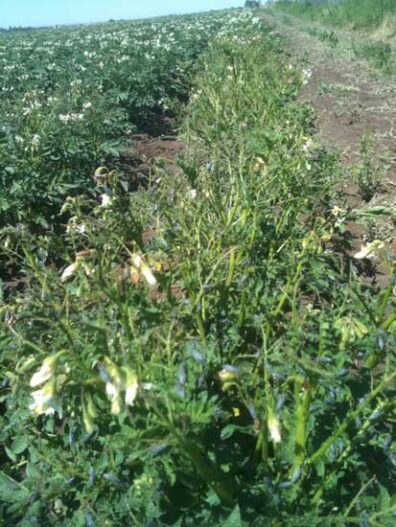
Photo Source: Sally Hubbs
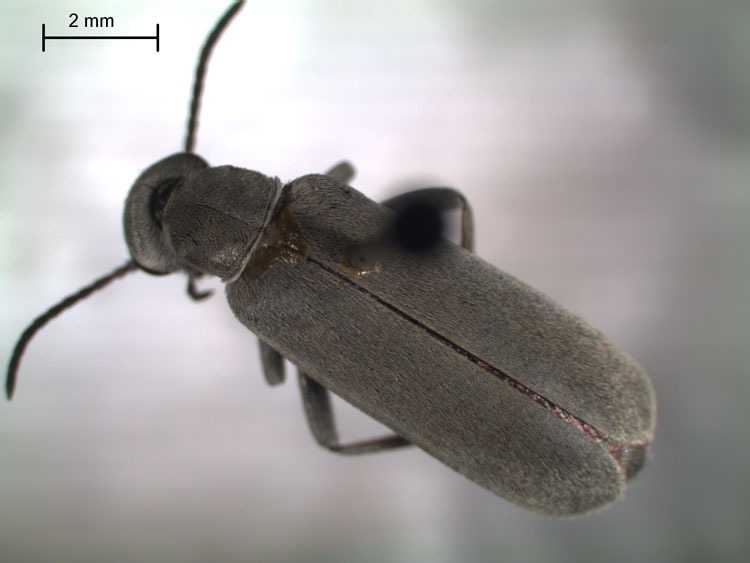
Photo Source: OSU-HAREC Rondon’s lab (A. Murphy)
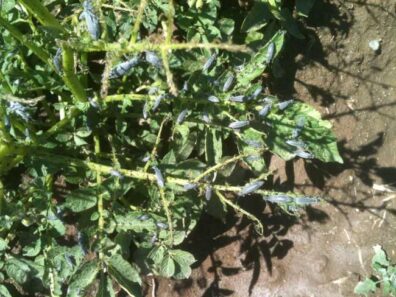
Photo Source: Sally Hubbs
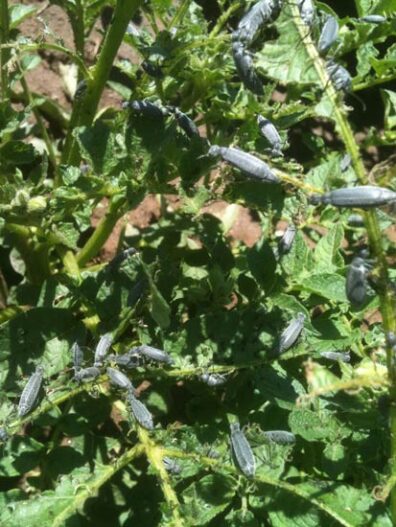
Photo Source: Sally Hubbs
On-Line Resources:
- Blister Beetles: Pest or Beneficial Predator?, Washington State University Extension Fact Sheet FS113E.
- Blister Beetles: Coleptera: Meloidae Epicauta maculata, E. fabricii, E. puncticollis, Lytta nutalli (pdf). Modified from G. Bishop, et al. 1982. Management of Potato Insects in the Western States, Integrated Plant Protection Center of Oregon State University.
- Blister Beetles (pdf), Identification & Management of Emerging Vegetable Problems in the Pacific Northwest. Pacific Northwest Vegetable Extension Group.
- Pacific Northwest Insect Management Handbook. Chapter: Vegetables, Section: Table Beets (aphid to cucumber beetle).
Broad mites
Common name: Broad mites are tiny (0.2 mm-long adult females), oval, light yellow to amber or white or even green arachnids (so they have eight legs). Male adults are smaller. There are four life stages: egg, larva, nymph and adult. Eggs are colorless, translucent, elliptical, about 0.08 mm long, and covered with white tufts on the upper surface. Young broad mites have only three pairs of legs, are slow moving, and whitish in color. The quiescent stage is an immobile, engorged larva. Injury to broad mites can be difficult to diagnose because of how small the pests are and the locations where they feed on plants. Broad mites typically feed within growing meristems and require magnification to be seen.
Latin binomial: Polyphagotarsonemus latus (Arachnida: Acari: Tarsonemidae)
Host crops: Broad mites have a wide host range in tropical areas and commonly infect plants in greenhouses in temperate and subtropical areas. Hosts include many perennial and annual plant species, including ornamentals, citrus, grape, and vegetables such as bean, cucurbits, eggplant, tomato, pepper, potato, etc. Adults feed on the lower surface of leaves and on fruit.
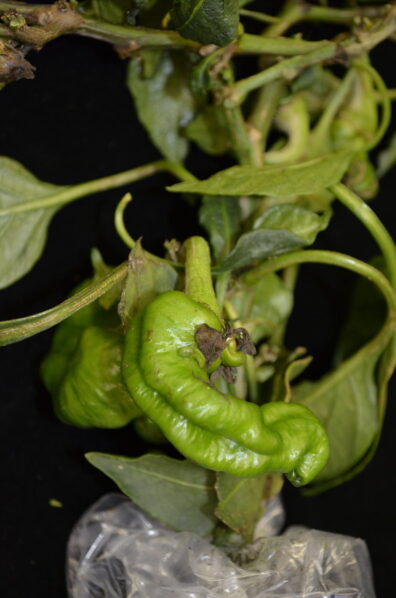
Photo Source: Washington State University Puyallup Diagnostic Lab
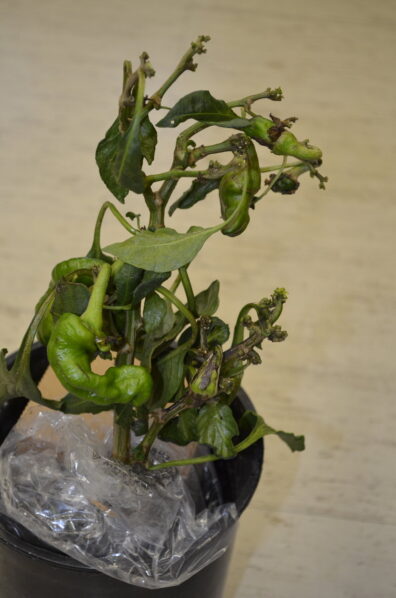
Photo Source: Washington State University Puyallup Diagnostic Lab
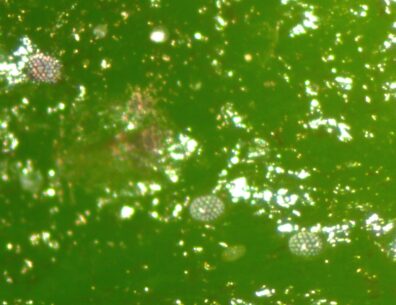
Photo Source: Washington State University Puyallup Diagnostic Lab
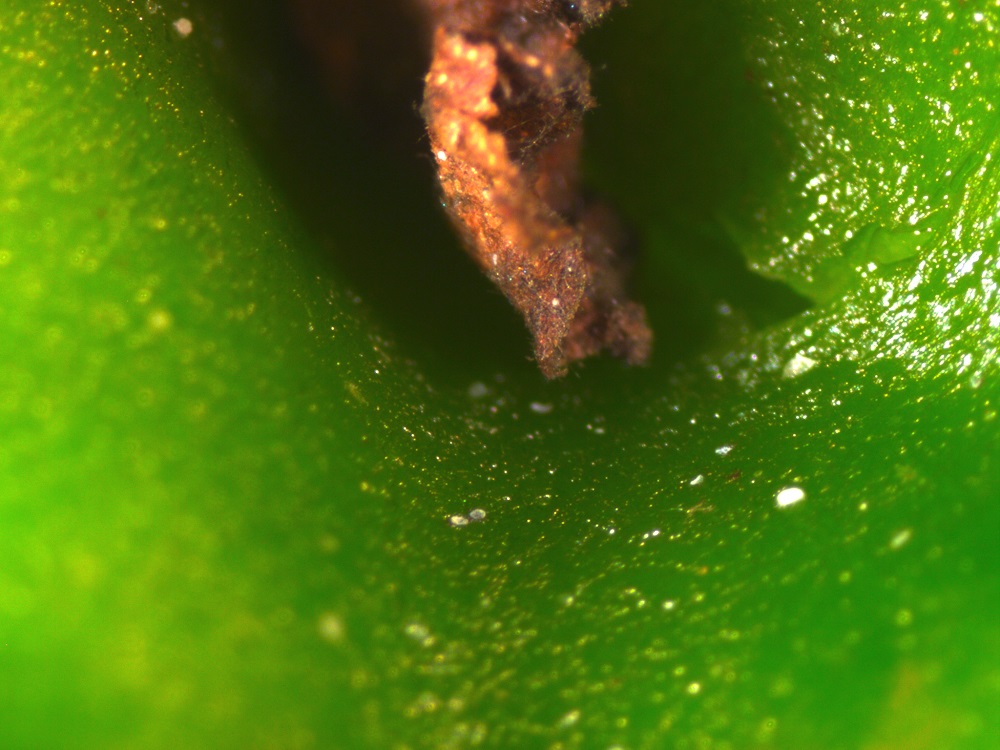
Photo Source: Washington State University Puyallup Diagnostic Lab
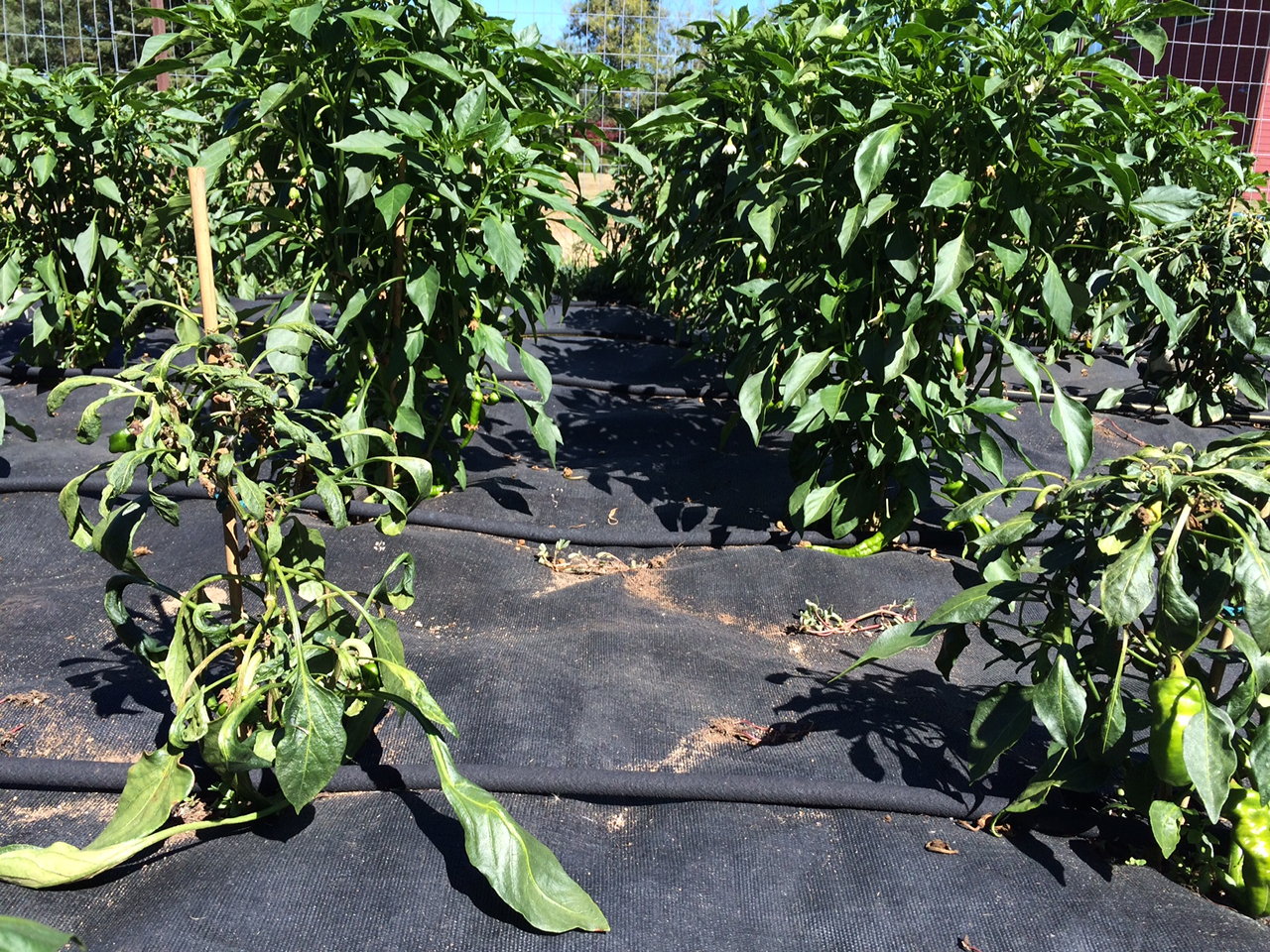
Photo Source: Lou Almasi
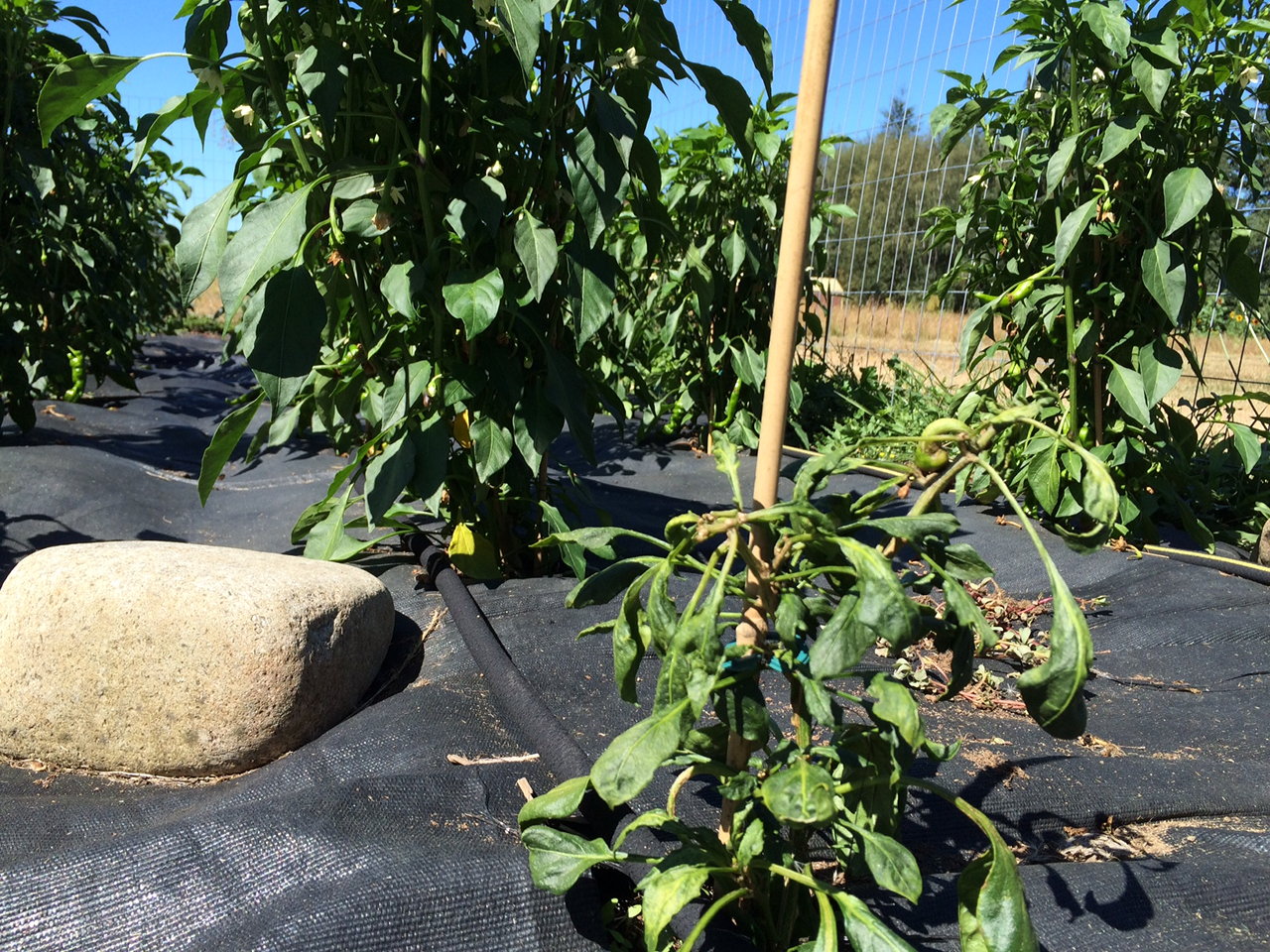
Photo Source: Lou Almasi
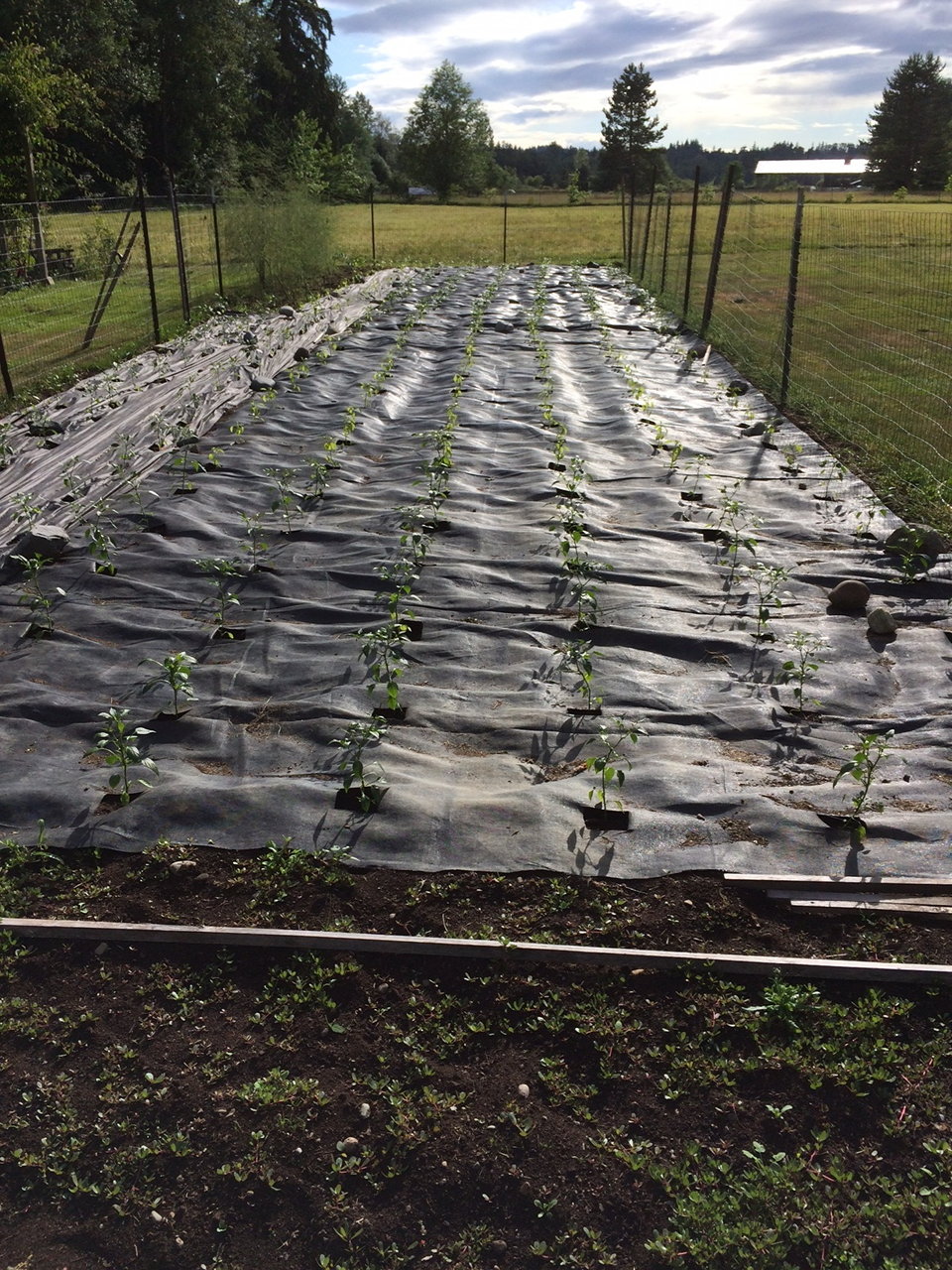
Photo Source: Lou Almasi
Online Resources:
- Broad Mites in Fruiting Vegetables, Penn State Extension, Plants and Pests, Vegetable, Small Fruit, and Mushroom Production News.
- Broad Mite, Featured Creatures, Entomology & Nematology, FDACS/DPI, EDIS, University of Florida.
- Broad mite is becoming an increasing problem, Dan Gilrein, Greenhouse Management Magazine.
- Broad Mite, Entomology: Insects Associated With Vegetable Crops in Georgia: Solanaceous Crops, University of Georgia College of Agricultural and Environmental Sciences.
- Broad mite: Not your typical Michigan mite, Michigan State University Extension News.
Brown marmorated stink bug
Common name: Brown marmorated stink bug (BMSB)
Latin binomial: Halyomorpha halys
Host crops: Very wide host range including Oregon berry, grape, tree fruits, hazelnuts, vegetables including pepper, corn, tomato, ornamentals, etc.
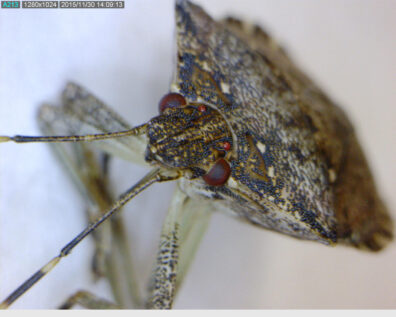
Photo Source: Lyndon Porter, USDA ARS
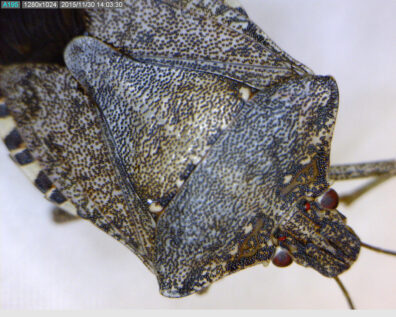
Photo Source: Lyndon Porter, USDA ARS
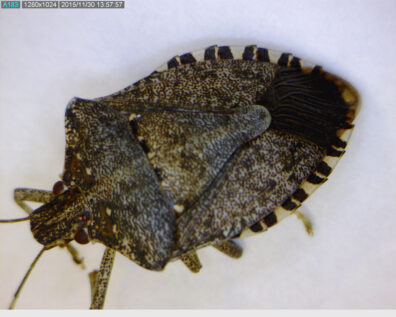
Photo Source: Lyndon Porter, USDA ARS
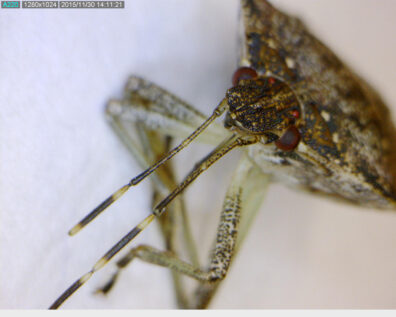
Photo Source: Lyndon Porter, USDA ARS
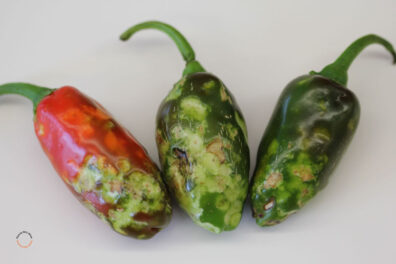
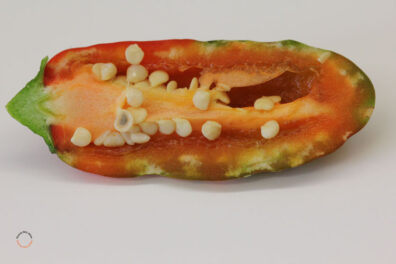
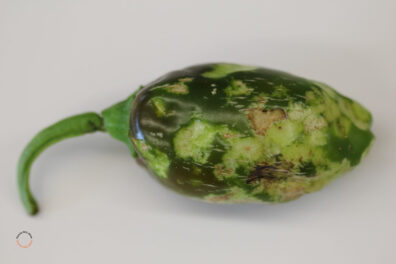
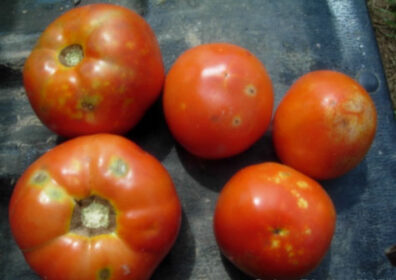
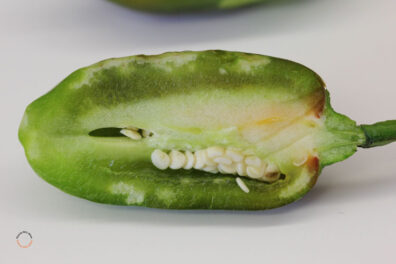
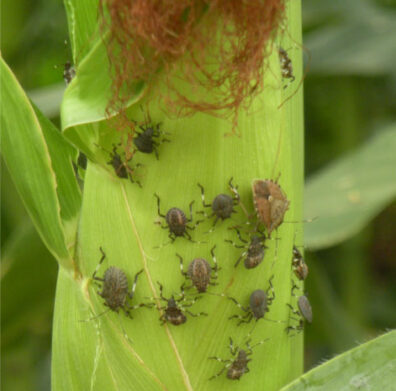
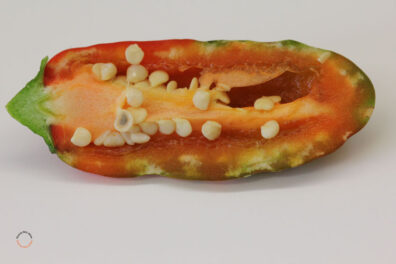
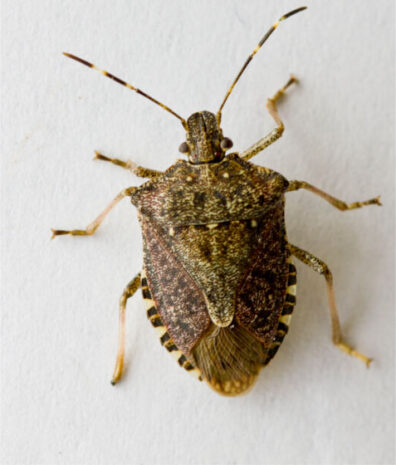
Photo Source: C. Hedstrom, Oregon State University
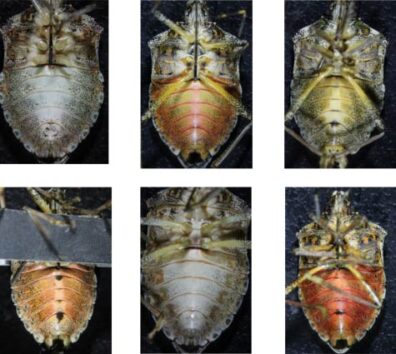
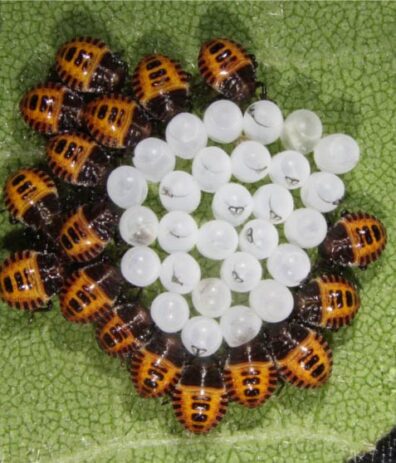
Photo Source: Nik Wimann, Oregon State University
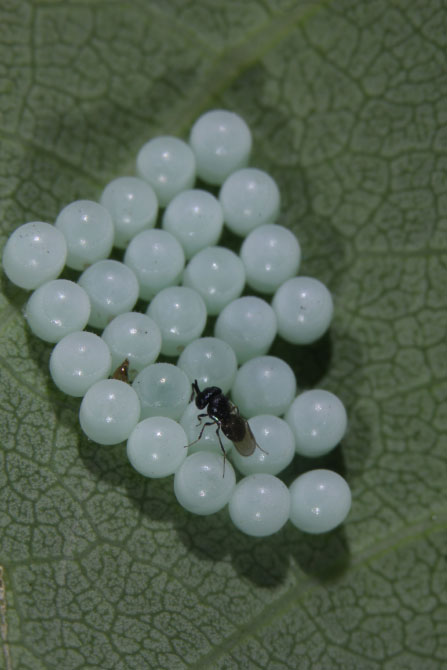
Photo Source: Nik Wimann, Oregon State University
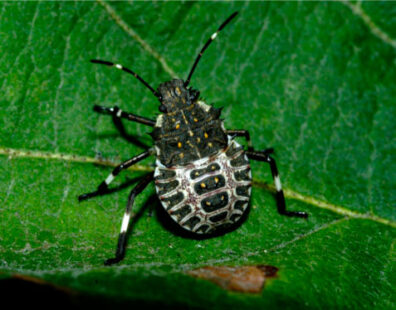
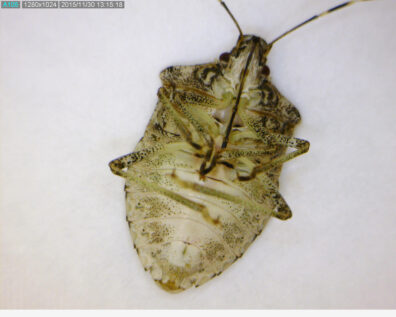
Photo Source: Lyndon Porter, USDA ARS
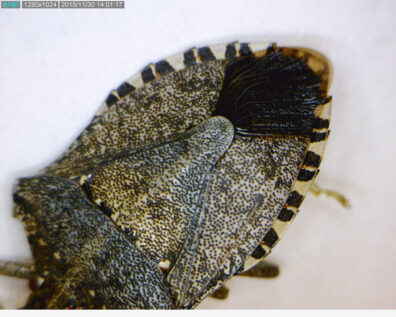
Photo Source: Lyndon Porter, USDA ARS
On-Line Resources:
- Brown Marmorated Stink Bug (pdf), Identification & Management of Emerging Vegetable Problems in the Pacific Northwest, Pacific Northwest Vegetable Extension Group.
- Brown Marmorated Stink Bug in Oregon, Oregon State University.
- Brown Marmorated Stink Bug News (pdf). Information and updates for Oregon. Volume 1, Spring 2013. Oregon State University.
- El Chinche Apestozo Marrón Marmolado en Vegetales (pdf) (BMSB: Brown Marmorated Stink Bug) – Resumen de las recomendaciones para su control. Los autores son miembros del BMSB SCRI CAP (siglas en ingles): Equipo de Cultivo de Vegetales.
- Integrated Pest Management for Brown Marmorated Stink Bug in Vegetables (pdf) – A synopsis of what researchers have learned so far and management recommendations using an integrated approach. Authored by the BMSB SCRI CAP Vegetable Commodity Team.
- Pest Alert: Brown Marmorated Stink Bug (pdf), A quick ID guide from the Oregon Department of Agriculture.
- Pest Watch: Brown Marmorated Stink Bug, Washington State University Extension Fact Sheet FS0079E.
Flea beetle
Common name: Flea beetle
Latin binomial: Pictured is the western potato flea beetle, Epitrix subcrinita, but the tuber flea beetle, Epitrix tuberis, may also damage foliage.
Host crops: Eggplant, pepper, potato, and tomato.
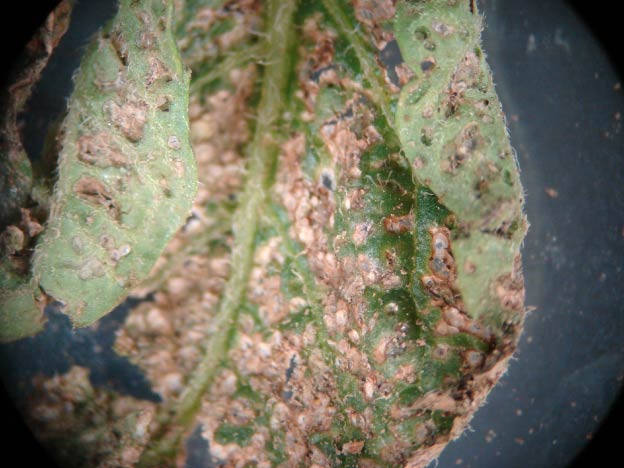
Photo Source: Michael Bush, WSU Extension, Yakima, WA
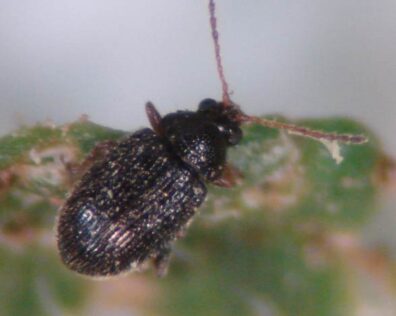
Photo Source: Michael Bush, WSU Extension, Yakima, WA
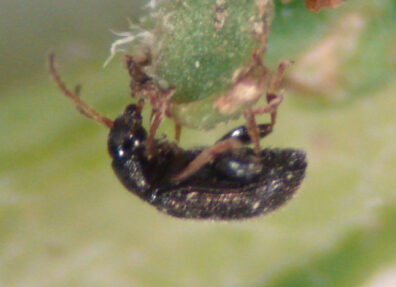
Photo Source: Michael Bush, WSU Extension, Yakima, WA
On-Line Resources:
- Potato Flea Beetles: Biology and Control (pdf), Washington State University Extension Bulletin 1198E.
- Potato Flea Beetles. Coleoptera: Chrysomelidae Western Potato Flea Beetle Epitrix subcrinita, Tuber Flea Beetle Epitrix tuberis (pdf).
- Pacific Northwest Insect Management Handbook. Chapter: Irish Potatoes, Section: Flea Beetle to Grasshopper.
- Vegetables: Potato: Potato flea beetles. Washington State University Hortsense.
Lygus bugs
Common name: Lygus bugs
Latin binomial: Lygus spp.
Host crops: Numerous different species of vegetables and other crops, e.g., alfalfa, beet, cabbage, carrot, potato, spinach, Swiss chard, etc. Lygus bugs can cause different types of damage to various growth stages of different crops. They cause blackheart on celery, blasting on flower tissues, collapse of asparagus spears, decreased yields in carrot, beet, spinach, and other seed crops, etc.
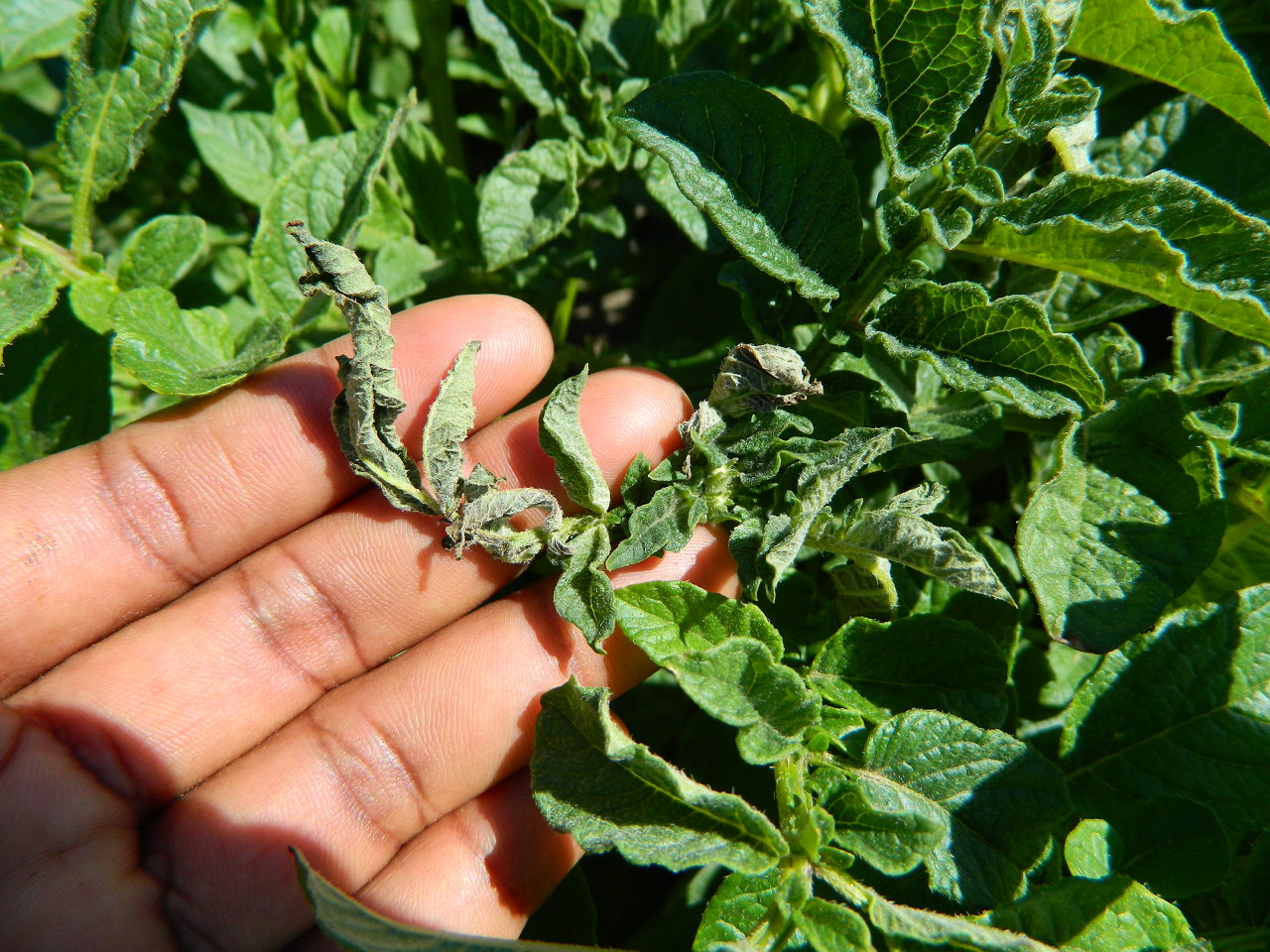
Photo Source: Oregon State University HAREC Irrigated Agricultural Entomology Program (Silvia Rondon)
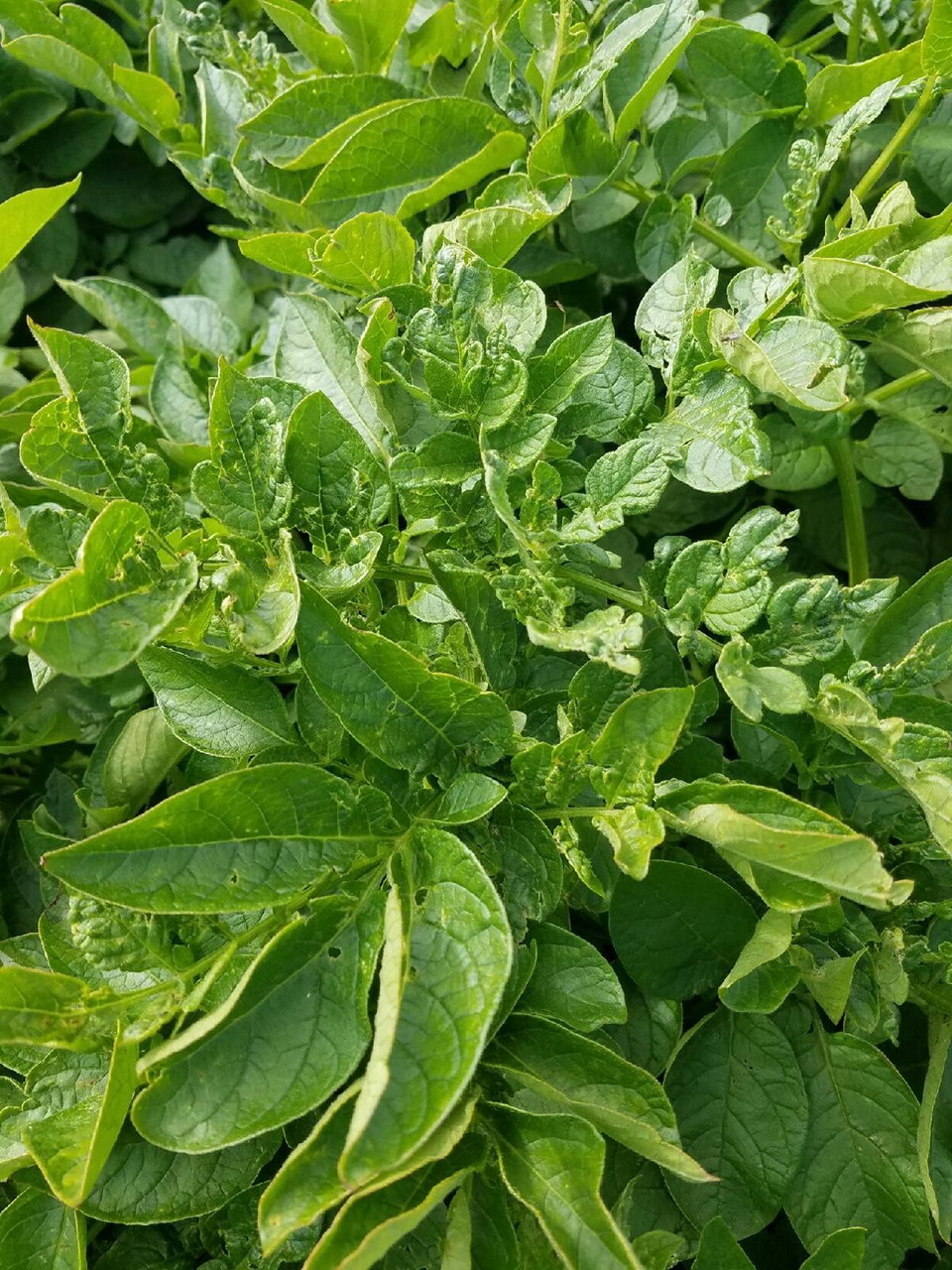
Photo Source: Oregon State University HAREC Irrigated Agricultural Entomology Program (Silvia Rondon)
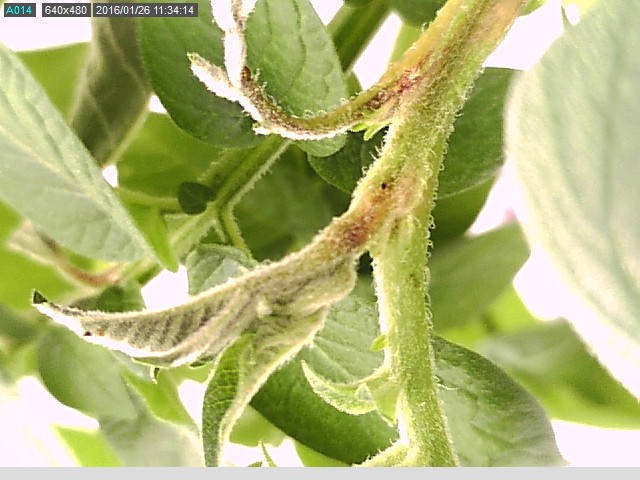
Photo Source: Oregon State University HAREC Irrigated Agricultural Entomology Program (Silvia Rondon)
Photo Source: Lindsey du Toit, Washington State University
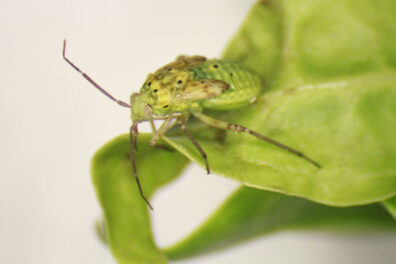
Photo Source: Bev Gerdeman, WSU Entomologist
On-Line Resources:
- Pacific Northwest Insect Management Handbook: Carrot seed – Lygus bug.
- Lygus bugs on potatoes in the Pacific Northwest (pdf). Josephine Antwi, Silvia I. Rondon, and Rodney Cooper, Oregon State University Extension Service Bulletin EM9173, 2017.
- Lygus Control in Potato, 2016 (pdf). Silvia I. Rondon and Daniel I. Thompson, Arthropod Management Tests, 2017, 1–2, Oxford University Press, 2017.
Seedcorn maggot
Disease: Seedcorn maggot
Pathogen: Delia platura
Host Crops: Many vegetable crops including snap, kidney, and lima beans, onion, corn, turnip, pea, cabbage, and cucurbits. They cause the most damage in spring to newly emerging seedlings.
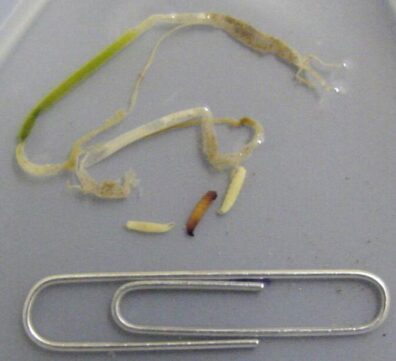
Photo Source: Lindsey du Toit, Washington State University
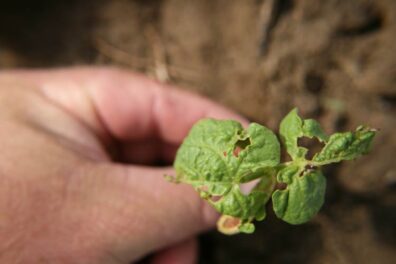
Photo Source: Tim Waters, WSU Extension Educator for Benton and Franklin Counties
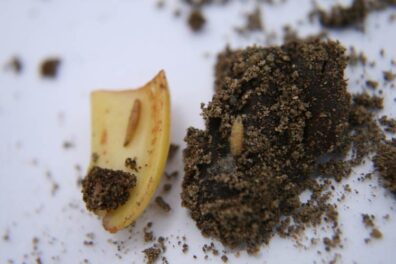
Photo Source: Tim Waters, WSU Extension Educator for Benton and Franklin Counties
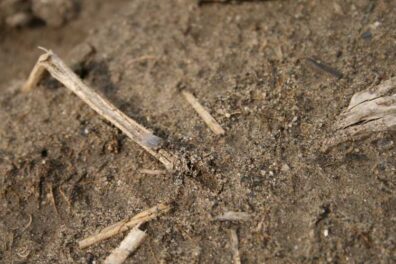
Photo Source: Tim Waters, WSU Extension Educator for Benton and Franklin Counties
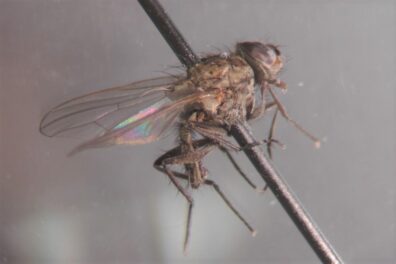
Photo Source: Tim Waters, WSU Extension Educator for Benton and Franklin Counties
On-Line Resources:
- Pacific Northwest Insect Management Handbook: Vegetable crop pests – Seedcorn maggot.
- Seed Corn Maggot. VegEdge, University of Minnesota.
- Seed Corn Maggot. UMass Amherst.
Spider mites
Common name: Spider mites
Latin binomial: Tetranychus spp. including twospotted spider mite (Tetranychus urticae), strawberry spider mite (Tetranychus turkestani), and Pacific spider mite (Tetranychus pacificus)
Host crops: Wide host range, including many vegetables such as bean, carrot seed crops, potato, etc.
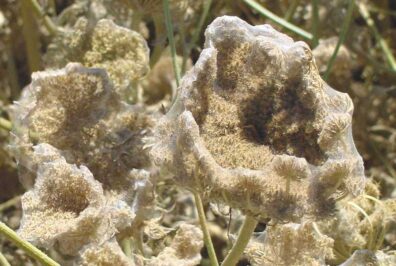
Photo Source: Lindsey du Toit
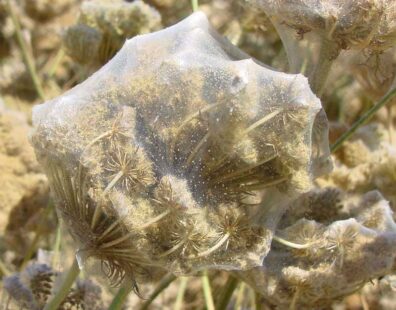
Photo Source: Lindsey du Toit
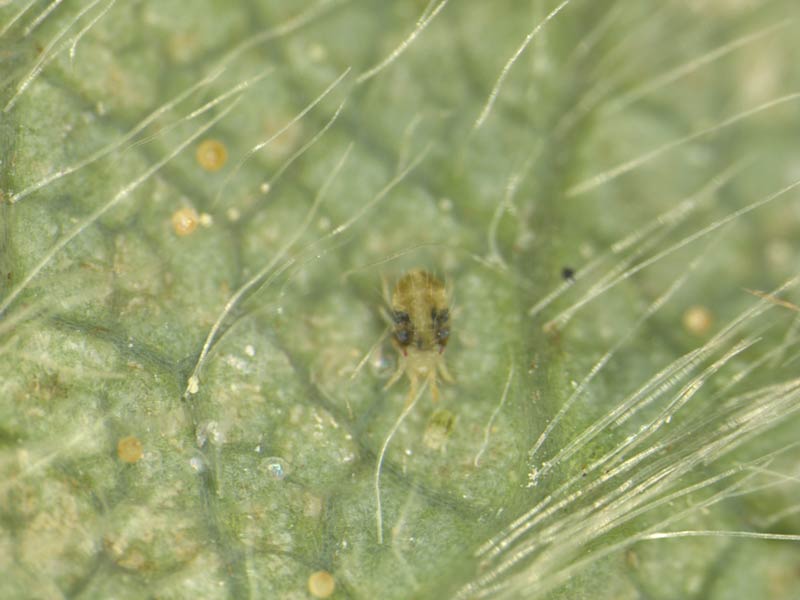
Photo Source: Silvia Rondon, Oregon State University
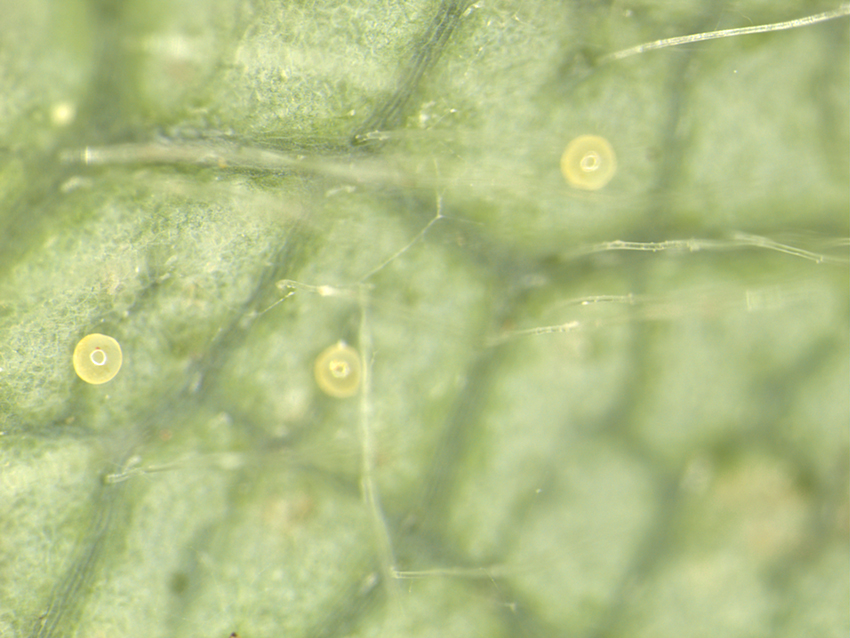
Photo Source: Silvia Rondon, Oregon State University
On-Line Resources:
- Some Common Plant-Feeding Mites and Plant-Inhabiting Mite Predators in the Northwestern United States. PNW Insect Management Handbook.
- Lima Bean – Spider Mites. PNW Insect Management Handbook.
- Carrot seed – Twospotted spider mite. PNW Insect Management Handbook, Chapter: Vegetable Seed, Section: Carrot Seed.
- Managing spider mites in gardens and landscapes. University of California Online Statewide Integrated Pest Management Program.
Squash bug
Common Name: Squash bug
Latin binomial: Anasa tristis
Host crops: Cucurbit vegetables (e.g. pumpkin and squash).
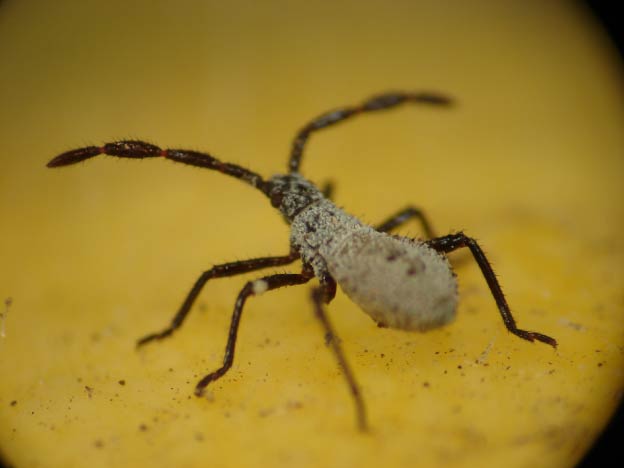
Photo Source: Michael Bush, WSU Extension, Yakima, WA
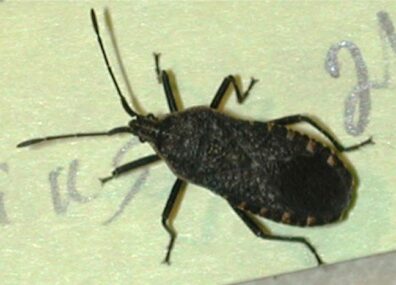
Photo Source: Michael Bush, WSU Extension, Yakima, WA
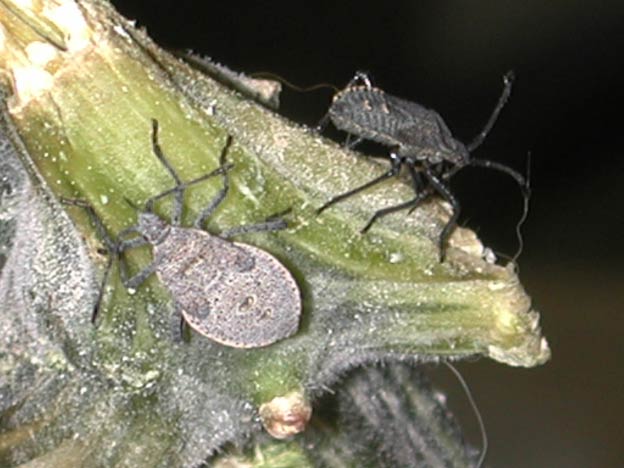
Photo Source: Michael Bush, WSU Extension, Yakima, WA
Online Resources:
- Pacific Northwest Insect Management Handbook. Chapter: Vegetables, Section: Pumpkin and Squash, pt.2.
- Vegetables: Cucumber, Pumpkin, Squash: Squash bug. Washington State University Hortsense.
Western flower thrips
Common name (of damaging stage): Western flower thrips
Latin binomial: Frankliniella occidentalis
Host crops: Basil, Broccoli, Cabbage, Cauliflower, Cucumber, Onion, Potato, Pumpkin, Squash, Tomato, and Watermelon.
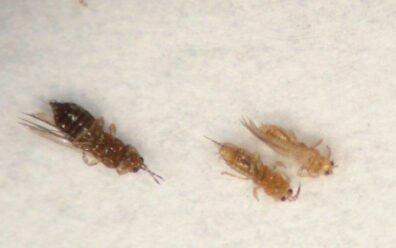
Photo Source: Michael Bush, WSU Extension, Yakima, WA
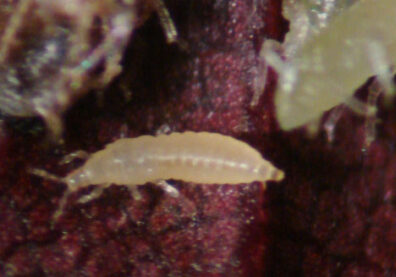
Photo Source: Michael Bush, WSU Extension, Yakima, WA
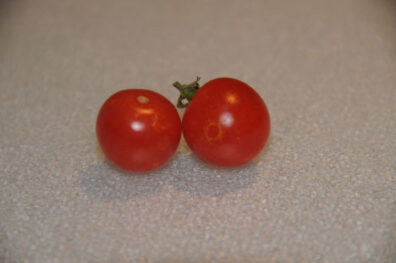
Photo Source: Michael Bush, WSU Extension, Yakima, WA
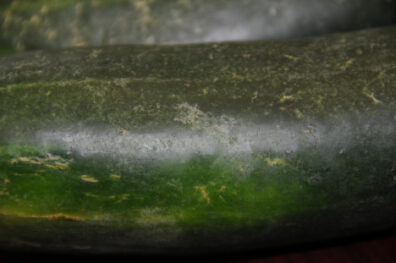
Photo Source: Michael Bush, WSU Extension, Yakima, WA
On-Line Resources:
- Western Flower Thrips Thysanoptera: Thripidae Frankiniella occidentalis.
- Pacific Northwest Insect Management Handbook. Chapter: Vegetables, Section: Broccoli, Cabbage, Other Crucifers.
- Pacific Northwest Insect Management Handbook. Chapter: Vegetables, Section: Cucumber (garden symphylan to wireworm).
- Vegetables: Bean: Thrips. Washington State University Hortsense.
- Vegetables: Broccoli, Cole crops: Thrips. Washington State University Hortsense.
Whitefly
Common name: Whitefly
Latin binomial: Pictured in these photos is the greenhouse whitefly (Trialeurodes vaporariorum), but there are multiple species of whitefly that can plague vegetable crops.
Host crops: Eggplant, pepper, potato, tomato, and other crops. Whiteflies are more frequently a problem in greenhouse (transplants) than in field situations in the Pacific Northwest region of the USA.
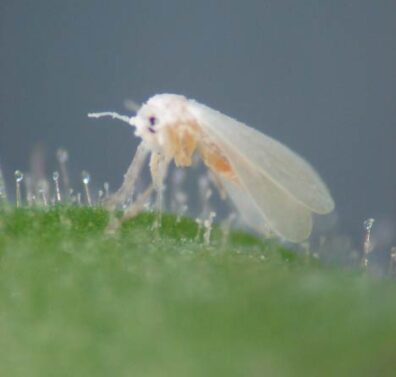
Photo Source: Michael Bush, WSU Extension, Yakima, WA
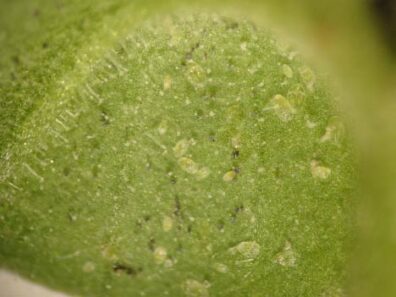
Photo Source: Michael Bush, WSU Extension, Yakima, WA
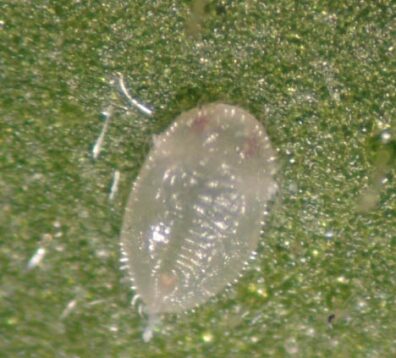
Photo Source: Michael Bush, WSU Extension, Yakima, WA
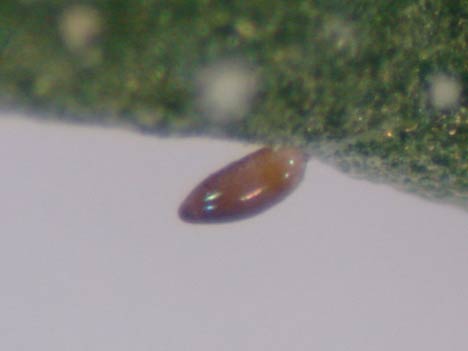
Photo Source: Michael Bush, WSU Extension, Yakima, WA
On-Line Resources:
- Greenhouse Whitefly: Biology and Control (pdf). Extension Bulletin 1349, Washington State University.
- Pacific Northwest Insect Management Handbook. Chapter Irish Potatoes, Section: Tuberworm to Wireworm.
Wireworm
Common name (of damaging stage): Wireworm (adults are called click beetles or snapping beetles)
Latin binomial: Ctenicera spp. and Limonius spp. Several kinds of wireworms are in the Pacific Northwest. Wireworms causing the most damage in irrigated areas are the Pacific Coast wireworm (Limonius canus), the sugar beet wireworm (L. californicus), the western field wireworm (L. infuscatus), and the Columbia Basin wireworm (L. subauratus). The Pacific Coast and sugar beet wireworms are the most common. Where annual rainfall is <15 inches, the Great Basin wireworm (Ctenicera pruinina) may be a problem, especially when irrigated crops are grown on sagebrush or dry wheat land. This species usually disappears after a few years of irrigation, but may be replaced by Limonius spp. which are favored by moist conditions. West of the Cascades, other wireworm species are pests, including Agriotes spp.
Host crops: All crops are susceptible to wireworm, but this pest is most destructive on beans, carrot,
corn, grain, onion, potatoes, spinach seed crops, and other annual crops in the PNW.
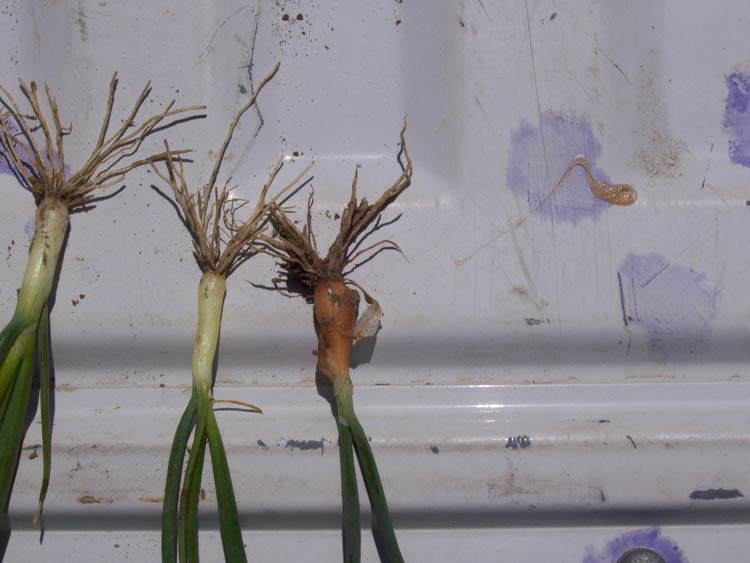
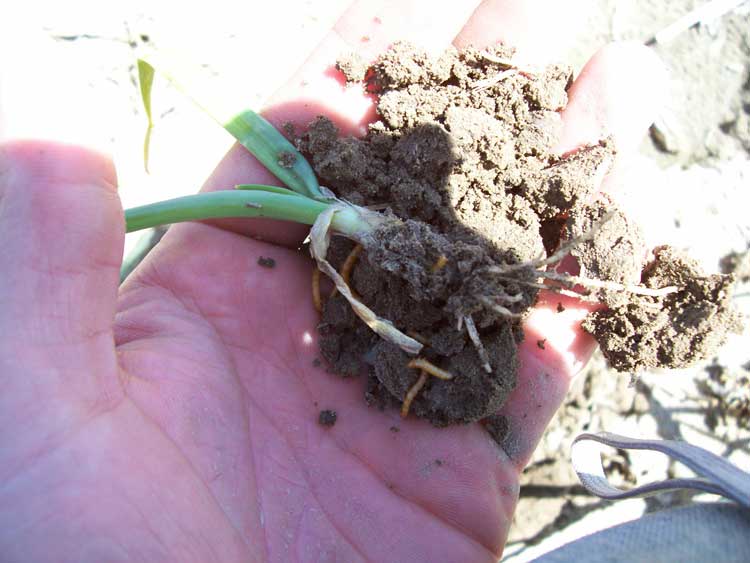
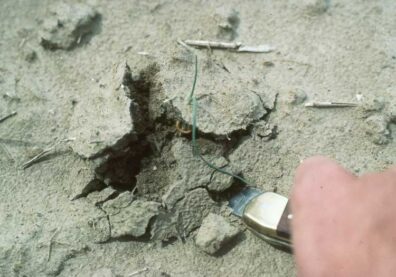
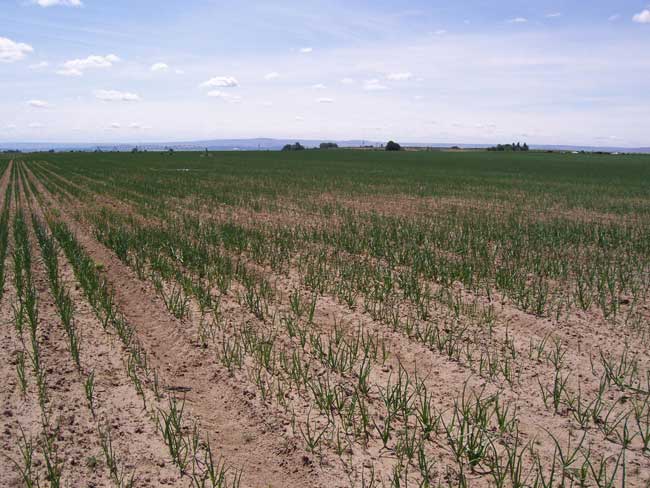
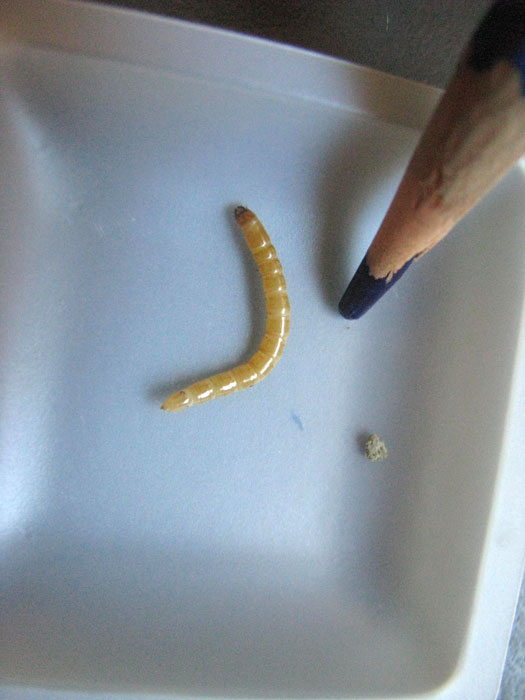
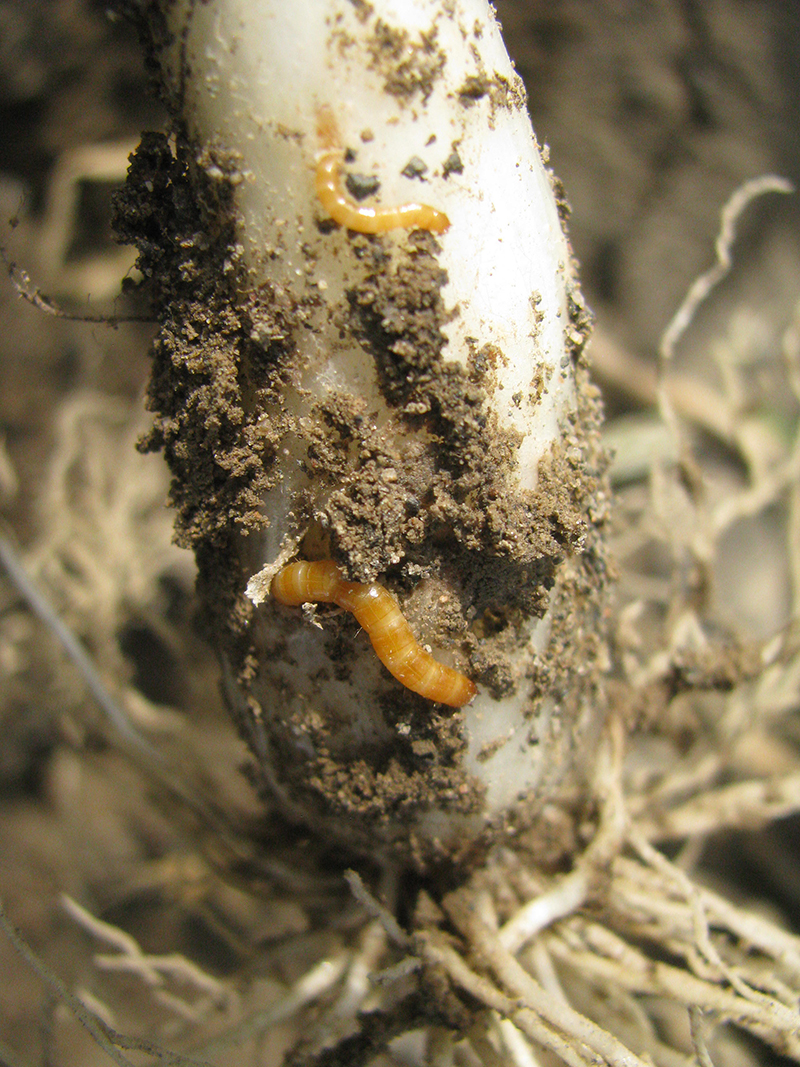
Photo Source: Lindsey du Toit, Washington State University

Photo Source: Doug Young, Professor Emeritus of Washington State University
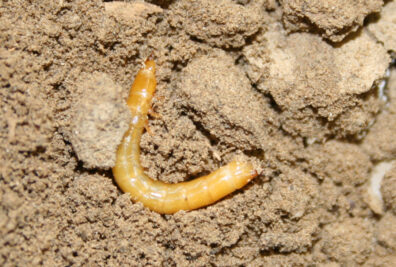
Photo Source: Oregon State University-Irrigated Agricultural Entomology Program (Silvia Rondon’s lab).
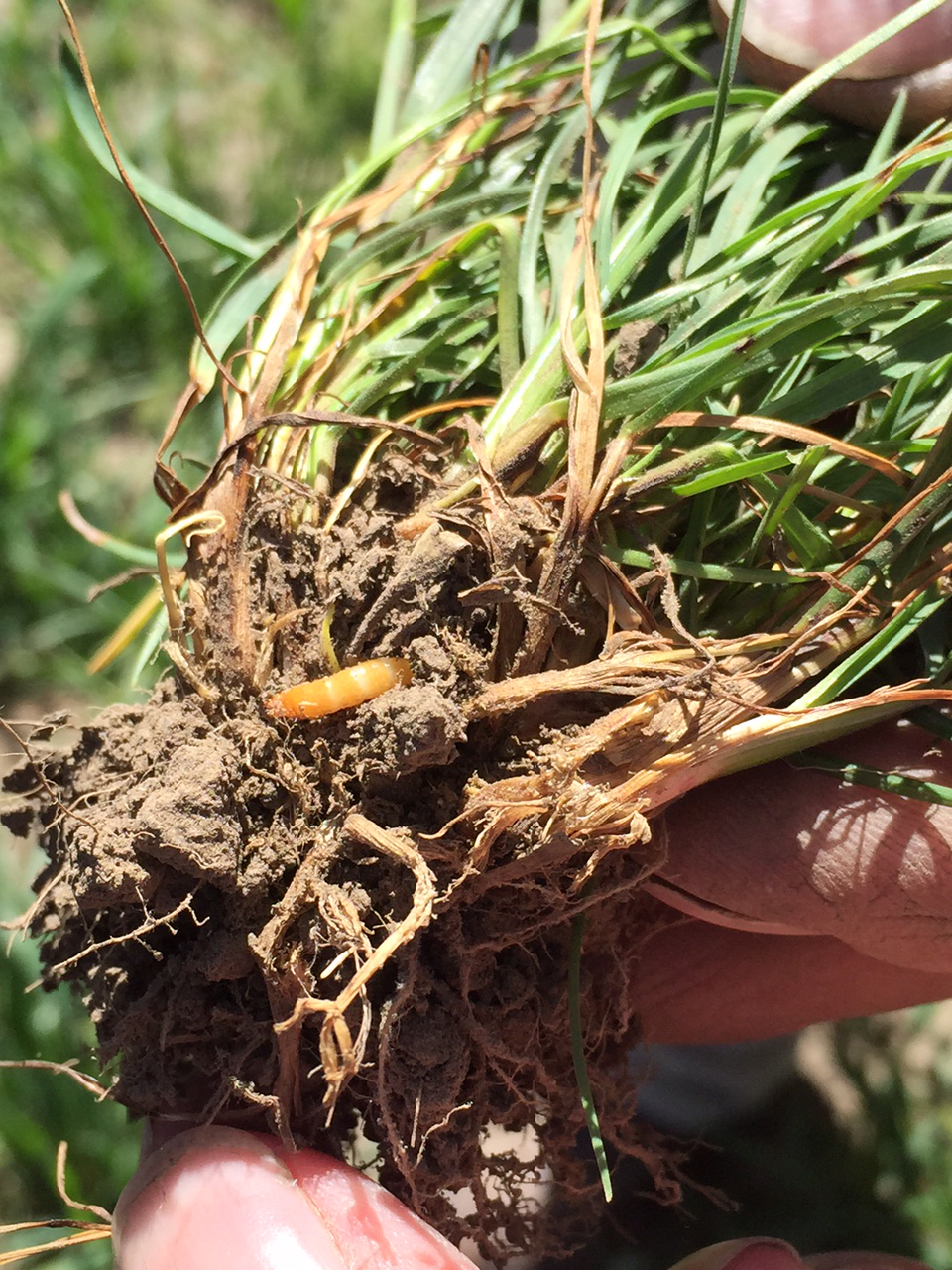
Photo Source: Oregon State University-Irrigated Agricultural Entomology Program (Silvia Rondon’s lab).
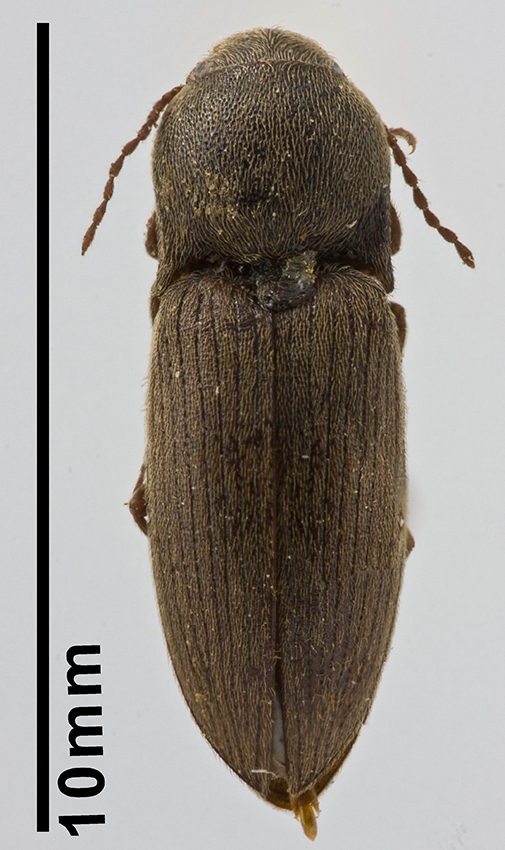
Photo Source: Oregon State University –Oregon State Arthropod Collection.
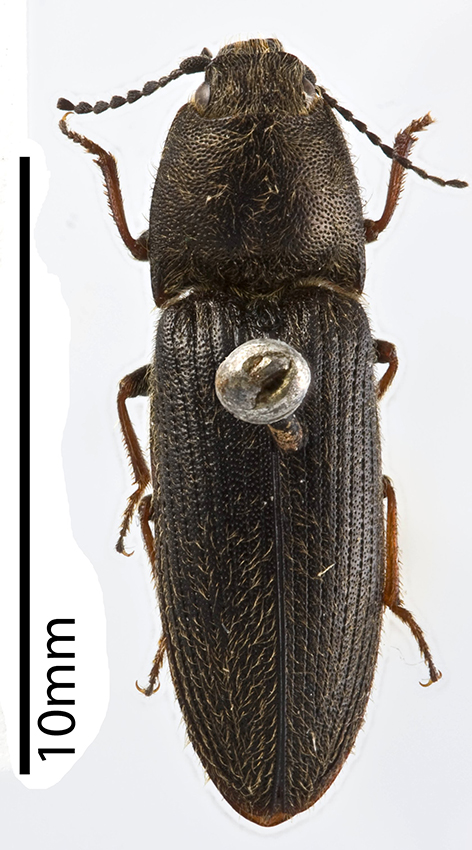
Photo Source: Oregon State University – Oregon State Arthropod Collection.
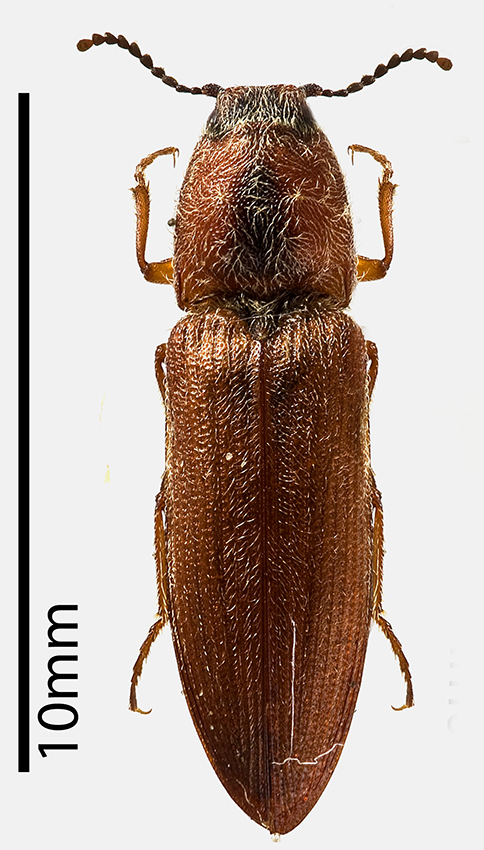
Photo Source: Oregon State University – Oregon State Arthropod Collection.
On-Line Resources:
- Pacific NorthwestInsect Management Handbook: Vegetable crop pests – Wireworm.
- Managing Wireworms in Vegetable Crops. Ontario Ministry of Agriculture and Food
- Wireworms. VegEdge, University of Minnesota.
- Wireworm Field Guide (pdf) – A guide to the identification and control of wireworms, Syngenta Crop Protection Canada, Inc.
- Wireworm Biology and Nonchemical Management in Potatoes in the Pacific Northwest, N. Andrews, M. Ambrosino, G. Fisher, and S.I. Rondon, Pacific Northwest Extension Publication no. PNW607.
Weeds
Field dodder
Common name: Field dodder
Latin binomial: Cuscuta spp.
Host Crops: Bean, beet, carrot, onion, pepper, potato, tomato, and many other crops (not only vegetables). Dodder is a parasitic plant that feeds on many other plant species. Dodder cannot photosynthesize, but produces haustoria that penetrate the host plant to absorb water and nutrients. Small, white to cream flowers are produced.
Photos: Carrot and Pepper
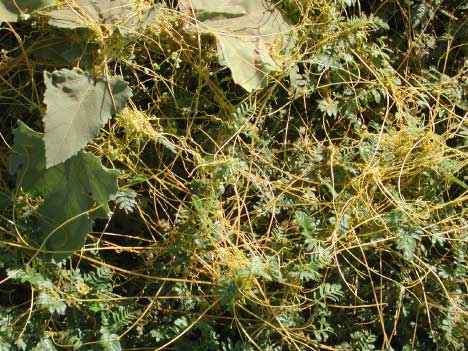
Photo Source: Michael Bush, WSU Extension, Yakima, WA
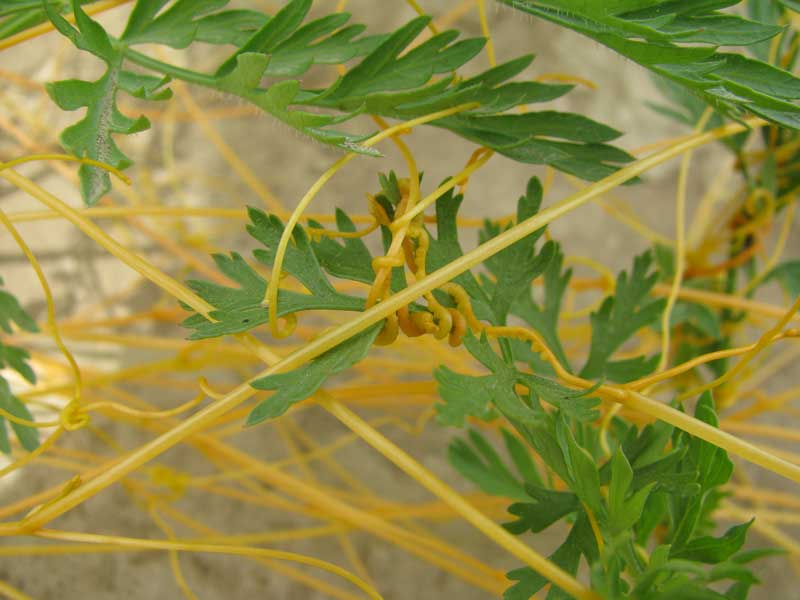
Photo Source: Lindsey du Toit, Washington State University
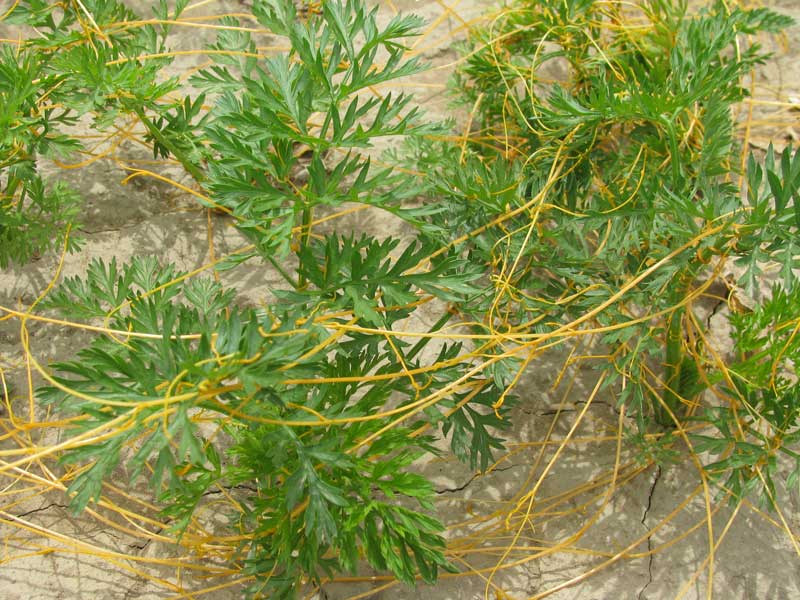
Photo Source: Lindsey du Toit, Washington State University
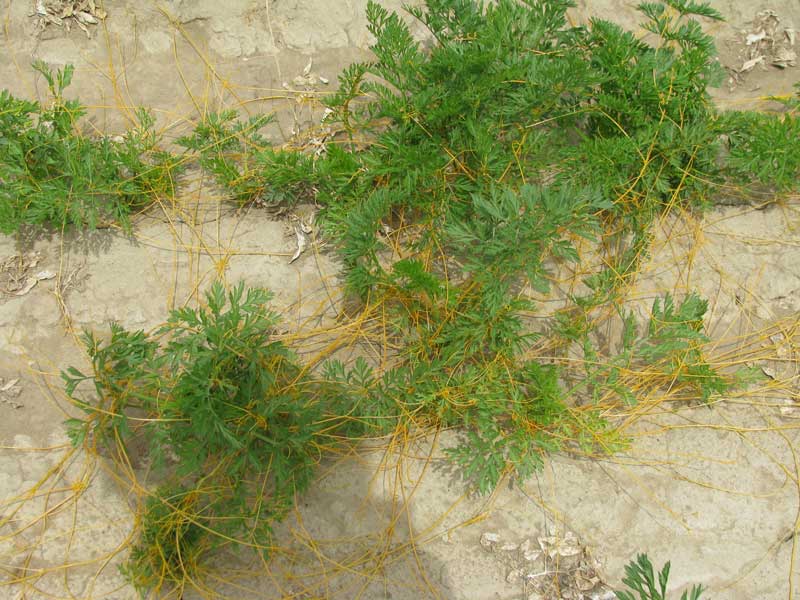
Photo Source: Lindsey du Toit, Washington State University
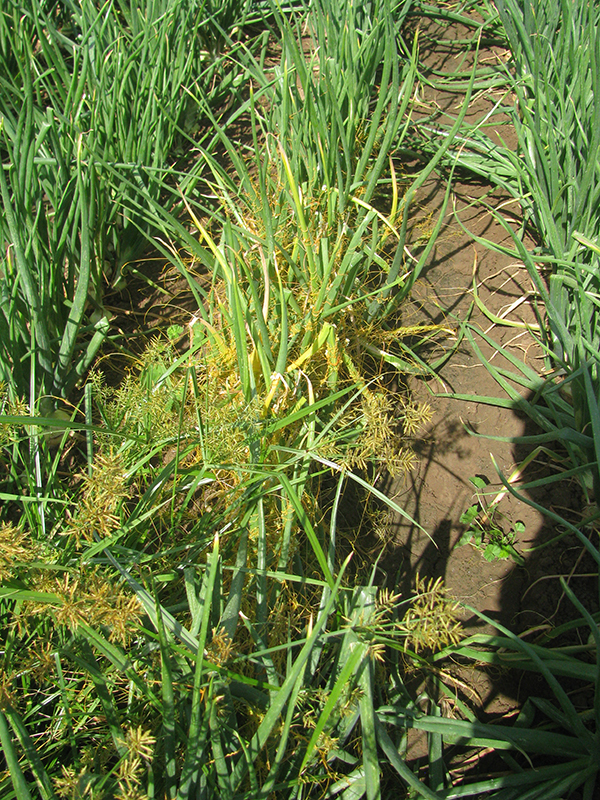
Photo Source: Lindsey du Toit, Washington State University
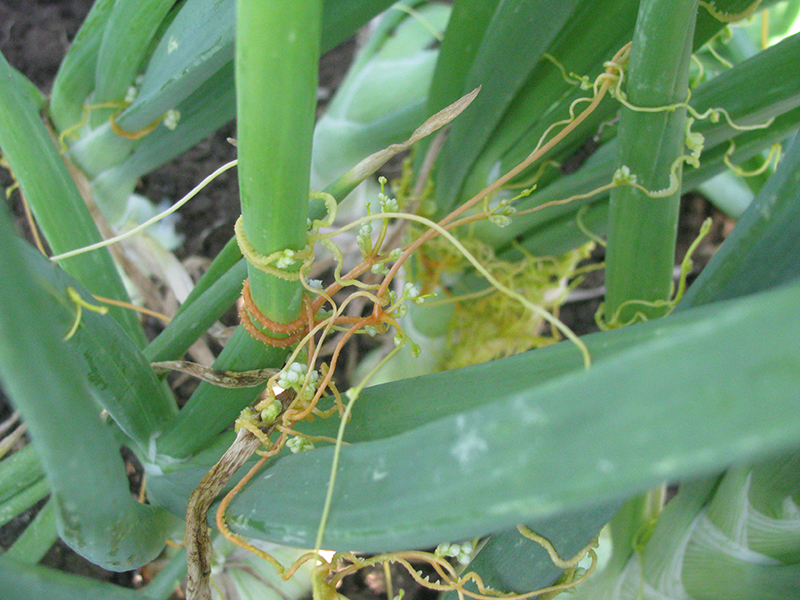
Photo Source: Lindsey du Toit, Washington State University
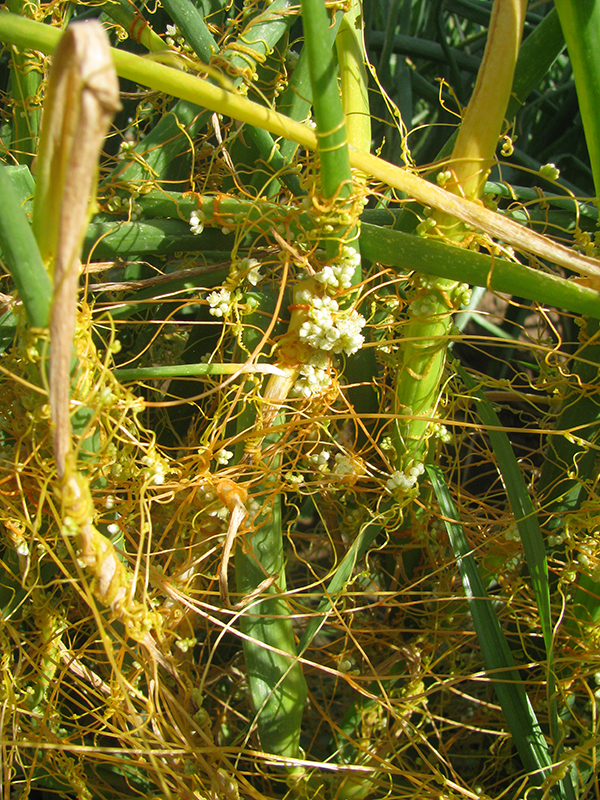
Photo Source: Lindsey du Toit, Washington State University
On-Line Resources:
- Pacific Northwest Plant Disease Management Handbook: Parasitic Plants of Oregon. Oregon State University Extension.
- Pacific Northwest Weed Management Handbook. Chapter: Control of Problem Weeds, Section: Full chapter. pp 483–484, Oregon State University Extension.
- https://www.ipm.ucdavis.edu/PMG/PESTNOTES/pn7496.html.
- https://www.colostate.edu/Dept/CoopExt/4DMG/Weed/dodder.htm.
- Pathogens common many plants – pnwhandbooks.
Yellow nutsedge
Common name: Yellow nutsedge
Latin binomial: Cyperus esculentus (Cyperaceae)
Plants affected: Any annual crop; the most seriously affected crops include onion and other plants with a light canopy and narrow range of herbicides available for use.
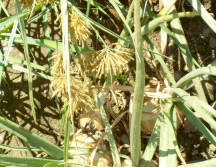
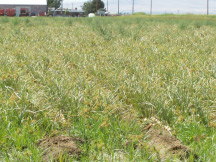
On-Line Resources:
- Yellow Nutsedge (pdf). Identification & Management of Emerging Vegetable Problems in the Pacific Northwest, Pacific Northwest Vegetable Extension Group.
Abiotic Problems Common to Vegetables
Air pollution or ozone injury
Common name: Air pollution or ozone injury
Cause: During very hot conditions in summer, combined with the presence of excessive air particulate matter, e.g., from wildfires, symptoms of air pollution and/or ozone injury have been observed in center-pivot irrigated crops of various vegetables east of the Cascade Mountains in the Pacific Northwest USA.
Host Crops: Various vegetables such as bean, potato, and sweet corn.
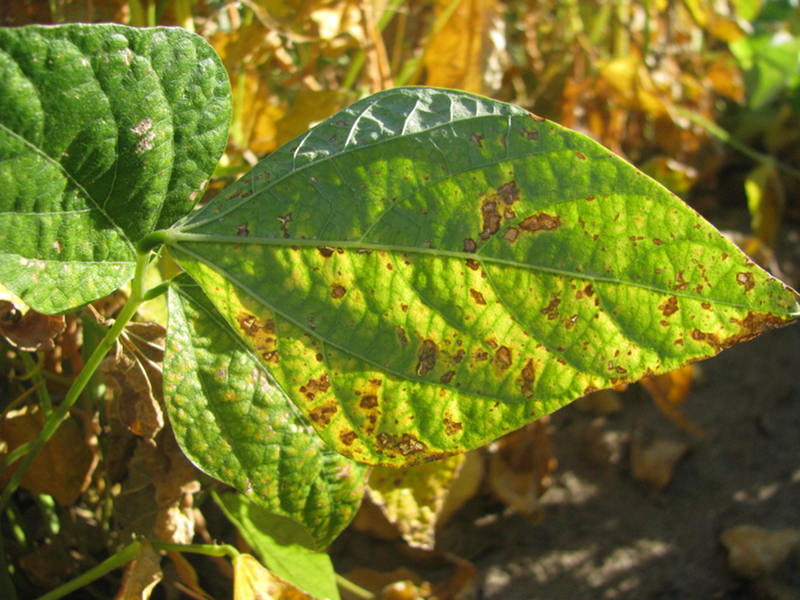
Photo Source: Lindsey du Toit, Washington State University
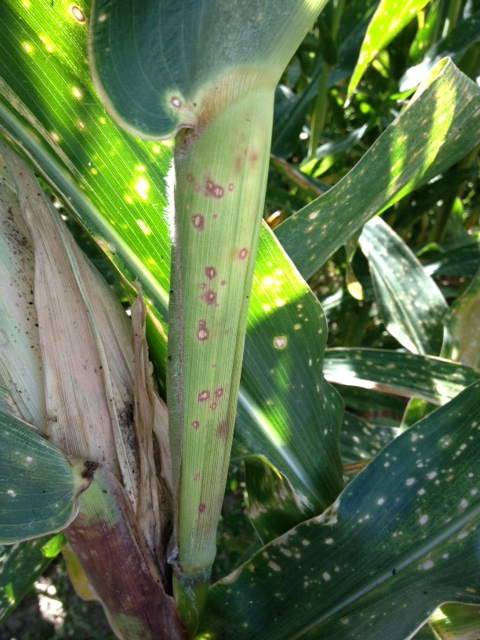
Photo Source: Carrie H. Wohleb, Washington State University Extension
Blossom end rot of vegetable fruit
Problem: Blossom end rot of vegetable fruit
Cause: Calcium deficiency resulting from various environmental conditions and management practices, e.g., inadequate Ca in the soil, inconsistent water as a result of alternating wet and dry periods that decrease Ca uptake by plants, and even excellent growing conditions such as a period of very bright sunshine and warm temperatures mid-season.
Crops affected: Tomato, pepper, eggplant, and various cucurbits.
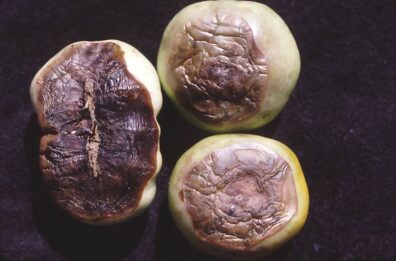
Photo Source: Krishna Mohan, University of Idaho
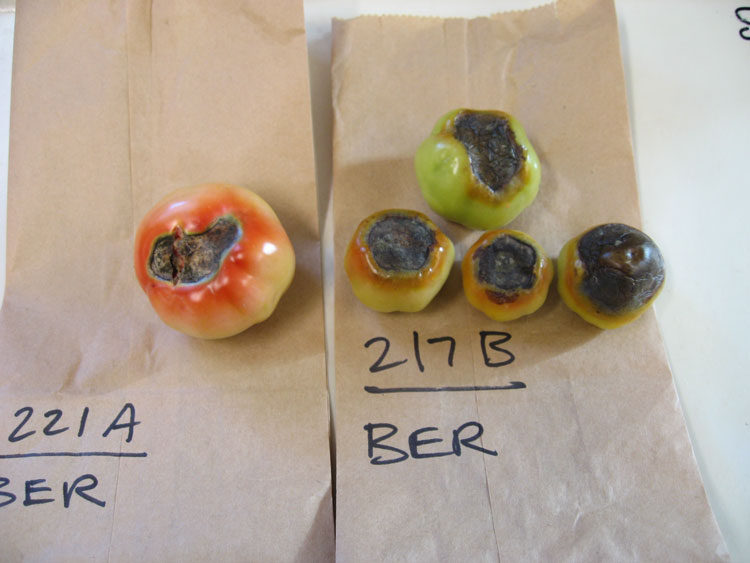
Photo Source: Carol Miles, Washington State University
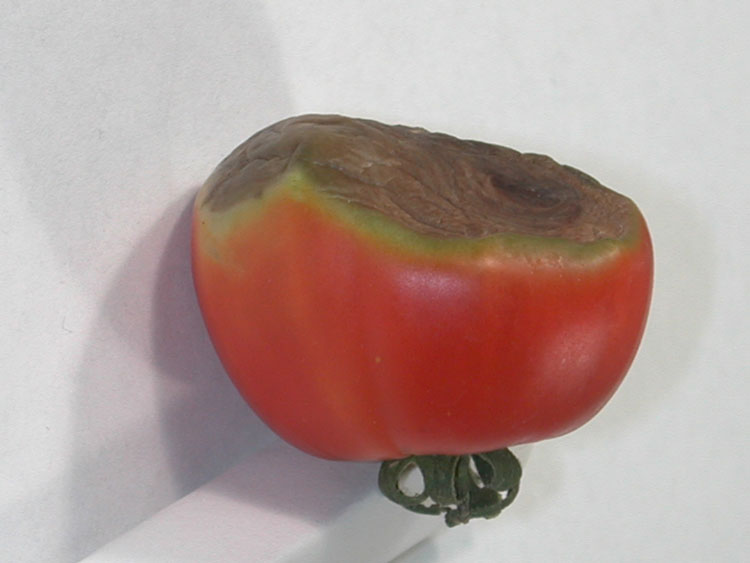
Photo Source: Mike Bush, WSU Yakima Co. Extension Educator
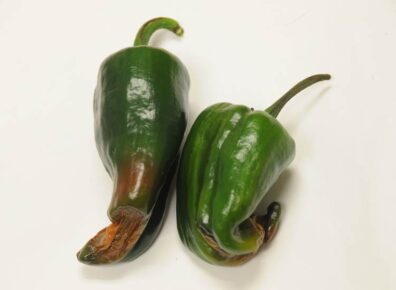
Photo Source: Mike Bush, WSU Yakima Co. Extension Educator
On-Line Resources:
- Blossom-end-rot on Tomatoes. By M. Ophardt, 2013. WSU Extension Garden Tips.
- Blossom end rot: Understanding a perennial problem. Michigan State University Extension.
- Blossom-End Rot of Tomato, Pepper, and Eggplant. By Miller, S.A., R. C. Rowe, and R. M. Riedel, The Ohio State University Extension Fact Sheet HYG-3117-96.
- Blossom-end Rot of Tomatoes (pdf). Oregon State University Extension Service Bulletin FS 139. By I.C. MacSwan, 2000. Oregon State University Extension Service Bulletin.
- Vegetables: Tomato: Blossom-end Rot. Washington State University Hortsense.
Edema
Problem: Edema
A physiological problem that is prominent when air is cooler than the soil, soil moisture is high, and relative humidity is high. The low plant transpiration rate combined with an increase in water absorption by roots from the soil leads to increased cell turgor pressure, resulting in eruption of epidermal cells as the inner cells enlarge. Protrusion of the inner cells causes epidermal cells to die and discolor, resulting in a ’warty’ appearance that can be misidentified as a disease. Symptoms are usually worse on lower leaf vs. upper leaf surfaces.
Host Crops: Numerous vegetables including brassicas, cucurbits, peas, spinach, tomato, etc. Vegetables with waxy leaves, e.g., brassicas, tend to be most susceptible.
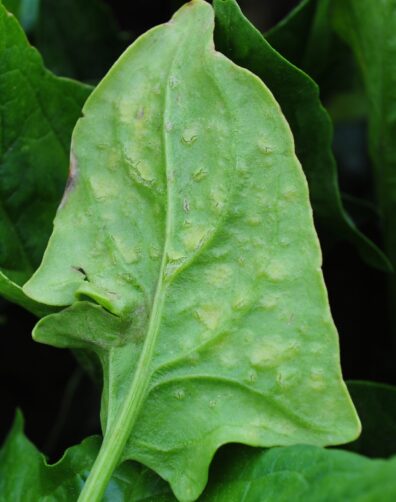
Photo Source: Pop Vriend Seed Co., Holland
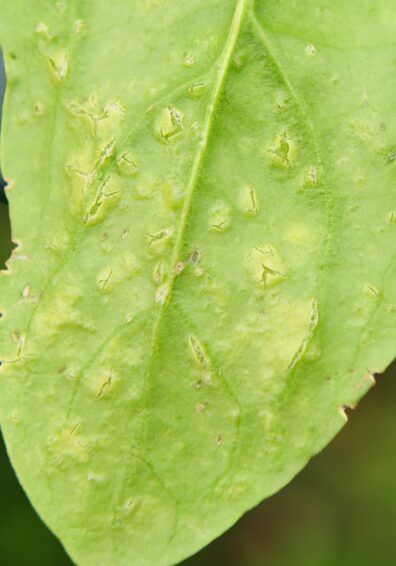
Photo Source: Pop Vriend Seed Co., Holland

Photo Source: Pop Vriend Seed Co., Holland


Photo Source: Lindsey du Toit, Washington State University.
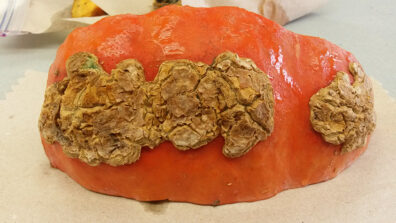
Photo Source: Phil Hamm, Oregon State University.
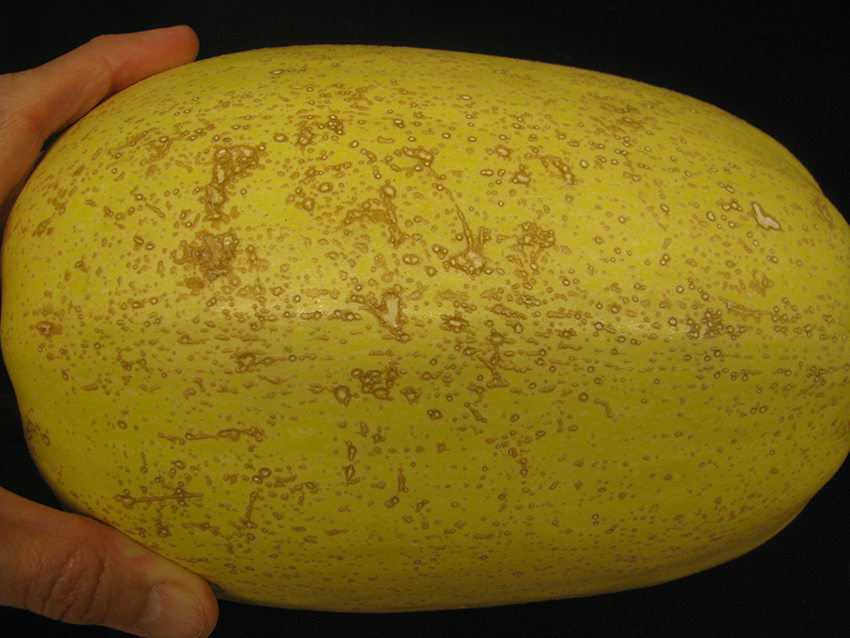
Photo Source: Lindsey du Toit, Washington State University
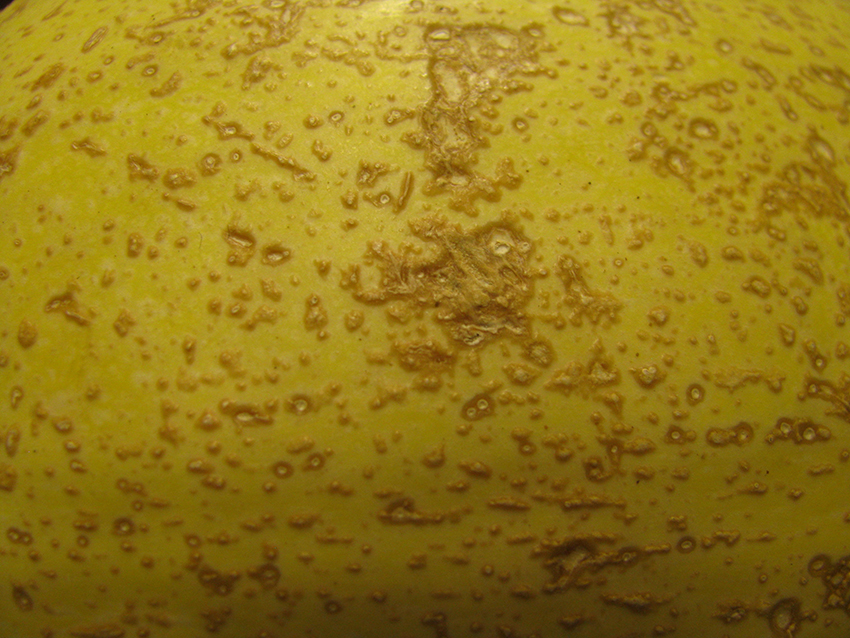
Photo Source: Lindsey du Toit, Washington State University
On-Line Resources:
- Cabbage and Cauliflower Brassica SP Oedema-Edema.
- Cabbage and Cauliflower Brassica SP Oedema-Edema.
- Edema Spring Crops.
- What are these bumps on my vegetables? Edema or oedema: It doesn’t matter how you spell it, it still doesn’t look good. What is it, what causes it and how can I prevent it? Michigan State University Extension.
General nutrient deficiencies and toxicities
Problem: General nutrient deficiencies and toxicities
On-Line Resources:
- Plant Nutrient Functions and Deficiency and Toxicity Symptoms (pdf). By Ann McCauley, Montana State University Extension. This article provides information on nutrient management issues.
Vivipary
Problem: Vivipary (germination of seeds while still attached to the mother plant)
Crops affected: Solanaceaous vegetables like tomato and pepper.
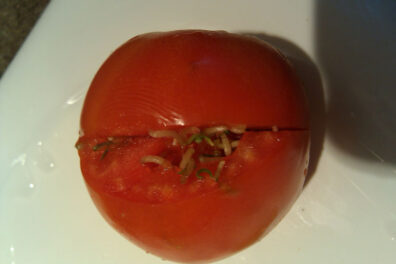
Photo Source: Michael Bush, Washington State University Extension, Yakima, WA
On-Line Resources:
- Effect of potassium nutrition during bell pepper seed development on vivipary and endogenous levels of abscisic acid (ABA). (pdf). By Marrush, M., M. Yamaguchi and M. E. Saltveit. 1998. J. Amer. Soc. Hort. Sci. 123(5):925–930.
- Physiological and Nutrient Disorders (pdf). University of Kentucky Vegetable Integrated Pest Management Program. Vegetable Manuals.
Stem splitting in brassica crops
Problem: Stem splitting in brassica crops
Crops affected: Any brassica crop grown for seed can develop stem splitting under conditions that promote very rapid spring growth (high soil moisture and warm temperatures).
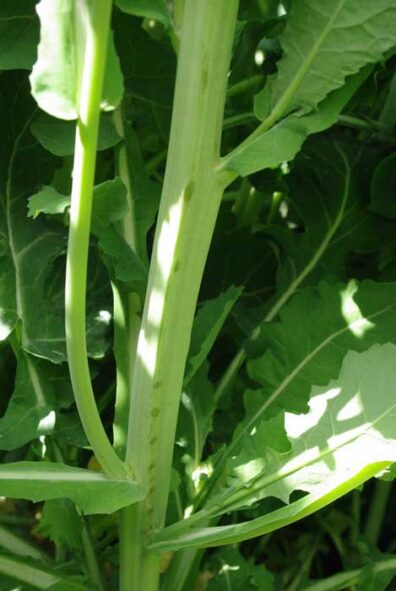
Photo Source: Karen Sowers, Washington State University Dept. of Crop & Soil Sciences
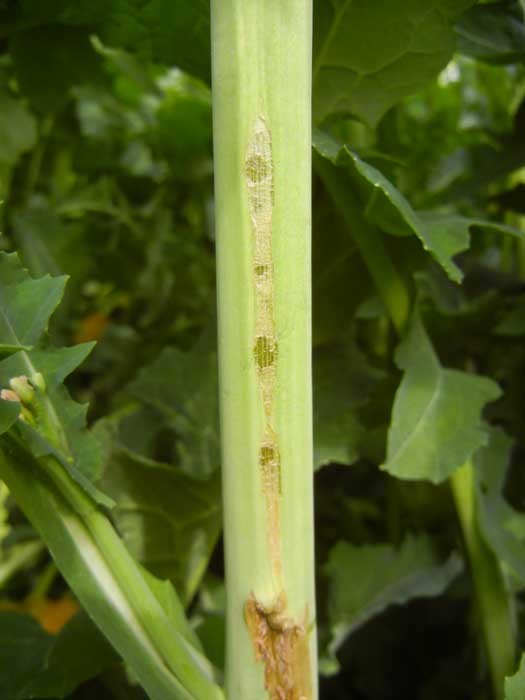
Photo Source: Karen Sowers, Washington State University Dept. of Crop & Soil Sciences
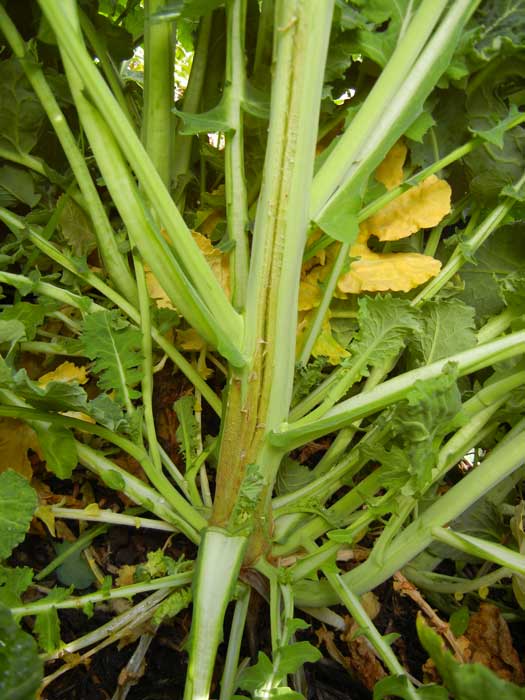
Photo Source: Karen Sowers, Washington State University Dept. of Crop & Soil Sciences
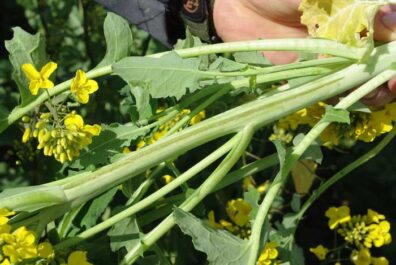
Photo Source: Karen Sowers, Washington State University Dept. of Crop & Soil Sciences
Herbicide Injury
Problem: Herbicide injury to vegetables
Cause: Various kinds of herbicides can cause injury to different types of vegetable crops depending on the mode of action, use pattern, timing of application, rate of application, crop rotation, etc. Always follow label instructions to avoid herbicide injury to crops.
Crops affected: All vegetables are prone to some kind of herbicide injury if the herbicide products are not used according to label instructions or vegetable crops are not planted in accordance with label herbicide instructions.
On-Line Resources:
- Herbicide Modes and Action and Symptoms on Plants (pdf), Richard Smith, Farm Advisor, University of California Cooperative Extension.
- Herbicide-related injury to plant species, including vegetables (~1100 images), University of California Statewide IPM Program.
- Herbicide Mode of Action and Injury Symptoms (pdf), University of Minnesota Extension Service.
Aminopyralid toxicity to vegetables
Problem: Aminopyralid toxicity to vegetables from pre-plant compost application.
Crops affected: bean, pea, pepper, tomato, spinach, etc. (almost any dicotyledonous plants).
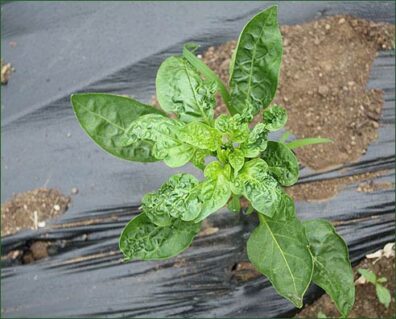
On-Line Resources:
- Aminopyralid Residues in Compost and other Organic Amendments. Washington State University Whatcom County Extension.
- Herbicides in Compost (pdf), Washington State Department of Agriculture
Pesticide Management Division (PDF, 2010). - The Allowance of Green Waste in Organic Production Systems. Organic Materials Review Institute.
2, 4-D herbicide injury
Problem: 2,4-D herbicide injury
Crops affected: Most vegetables are susceptible to 2,4-D injury
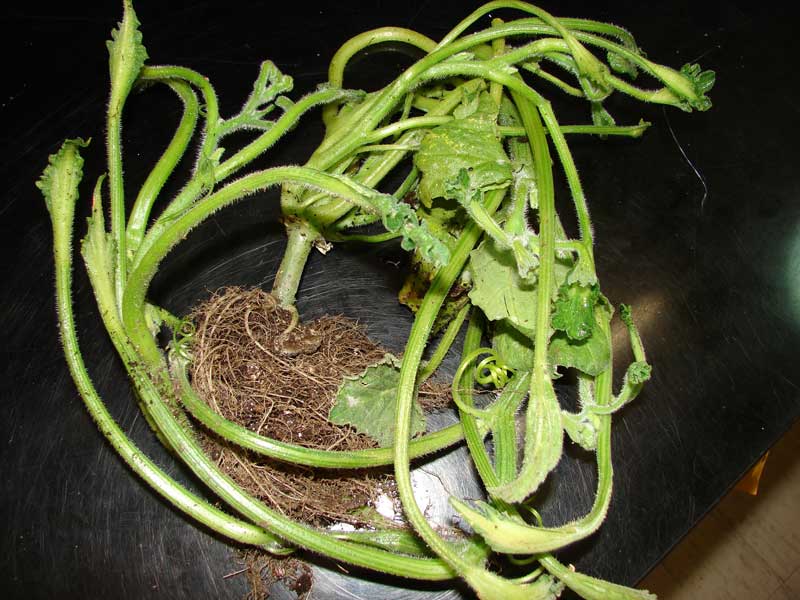
Photo Source: Jenny Glass, WSU Puyallup PIDL
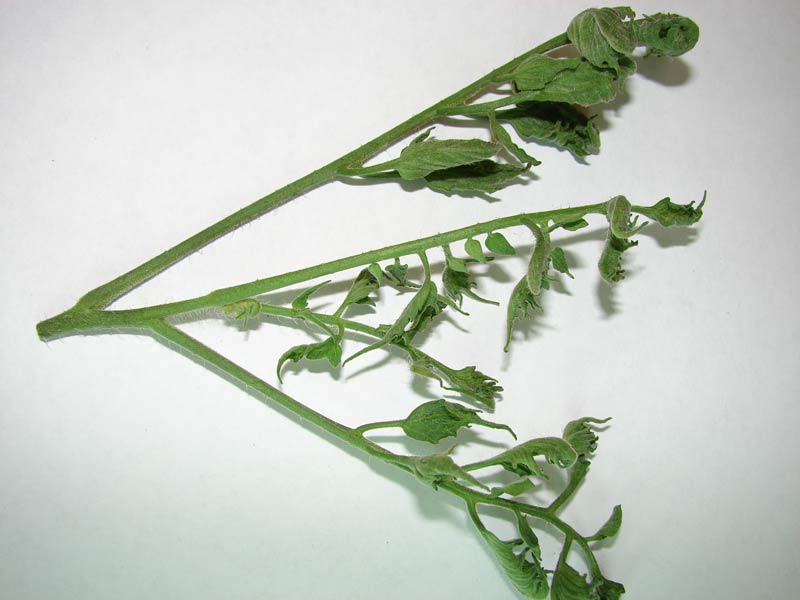
Photo Source: Jenny Glass, WSU Puyallup PIDL
On-Line Resources:
- Injury from 2,4-D. University of Illinois Extension Extension.
- Herbicide Mode-Of-Action Summary (pdf). Cooperative Extension Service, Purdue University. See section I.A.1. Auxin Growth Regulators.
- Herbicide Damage: 2,4-D and triclopyr. Hortsense, Washington State University. Click on Herbicide Damage, 2,4-D and triclopyr.
- Vegetable Herbicide Damage. Colorado State University.
- 2,4-D Amine 4L injury symptoms on vegetables. University of Kentucky.
If you need the content provided on this site in an alternate format or for further information on the Vegetable Seed Pathology program,
please contact: Lindsey du Toit at dutoit@wsu.edu or at 360-848-6140.
Our pages provide links to external sites for the convenience of users. WSU Extension does not manage these external sites, nor does Extension review, control, or take responsibility for the content of these sites. These external sites do not implicitly or explicitly represent official positions and policies of WSU Extension.