Diseases
Nematodes
Insect/Mite Pests
Parasitic Plants
Abiotic Problems Common to Carrot
Diseases
General Carrot Disease Management
- Various root rots of carrots. Dr. Caterina Saude and Dr. Mary K. Hausbeck, Department of Plant Pathology, Michigan State University, Carrot Country, Summer 2006
Bacterial blight
Disease: Bacterial blight
Pathogen: Xanthomonas hortorum pv. carotae (formerly Xanthomonas campestris pv. carotae)
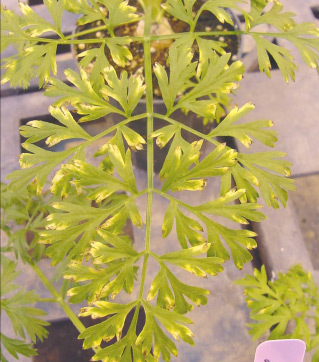
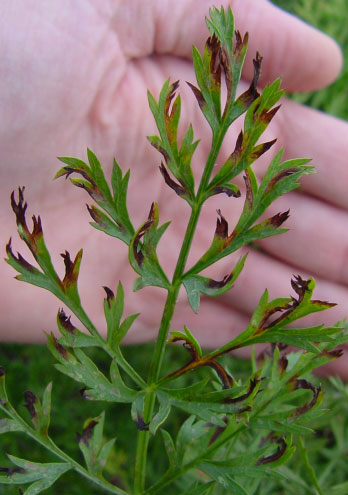
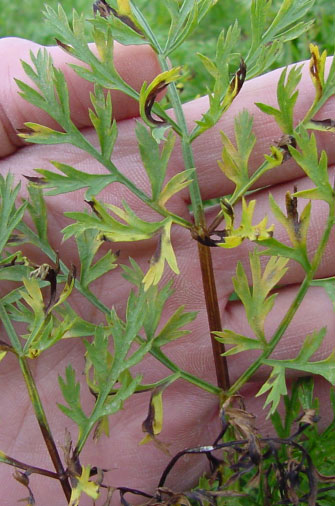
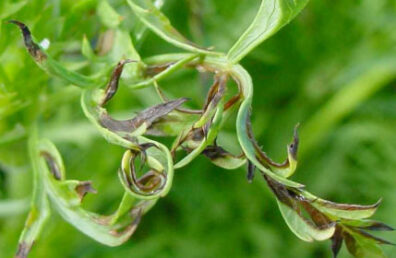
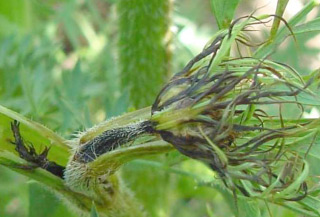
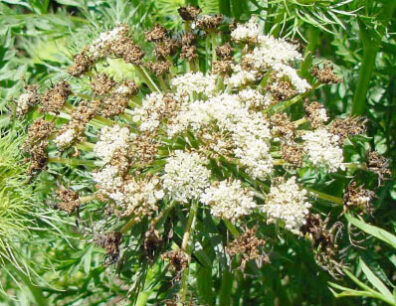
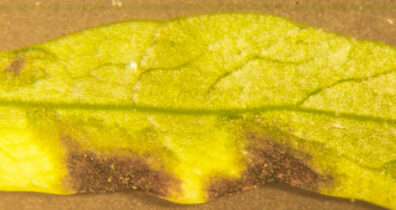
Photo Source: Lindsey du Toit, Washington State University
Online Resources:
- Quantitative Molecular Detection of Xanthomonas hortorum pv, carotae in Carrot Seed Before and After Hot-Water Treatment (pdf). Plant Disease 97:1585–1592.
- Pacific Northwest Plant Disease Management Handbook: Carrot (Daucus carota) – Bacterial Leaf Blight.
Bacterial soft rot
Disease: Bacterial soft rot
Pathogen: Various bacteria including Dickeya spp. and Pectobacterium spp. (formerly Erwinia spp.)
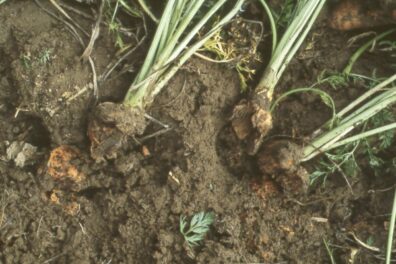
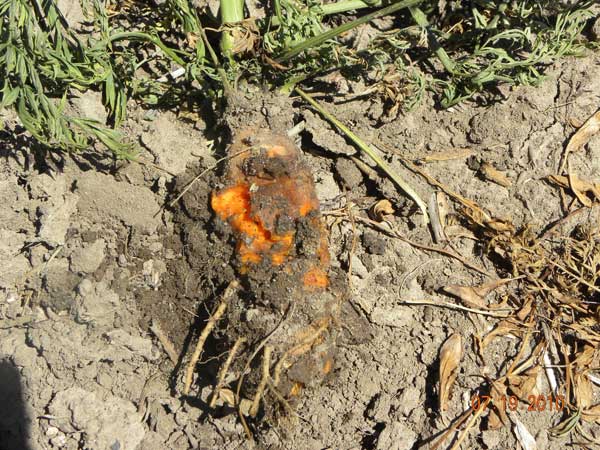
Photo Source: Bo-Ming Wu, Oregon State University
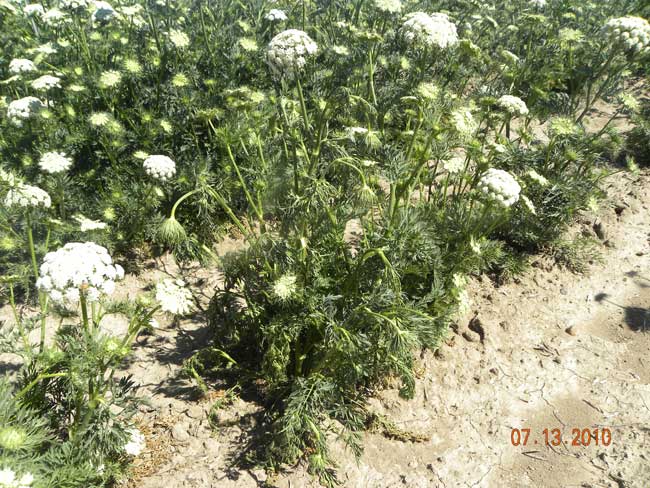
Photo Source: Bo-Ming Wu, Oregon State University
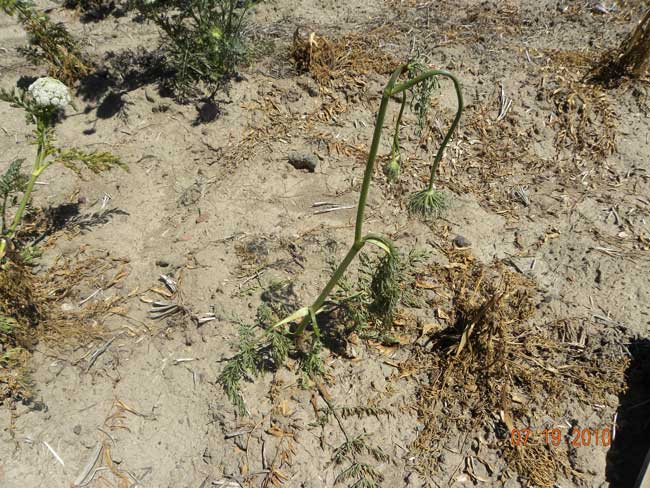
Photo Source: Bo-Ming Wu, Oregon State University
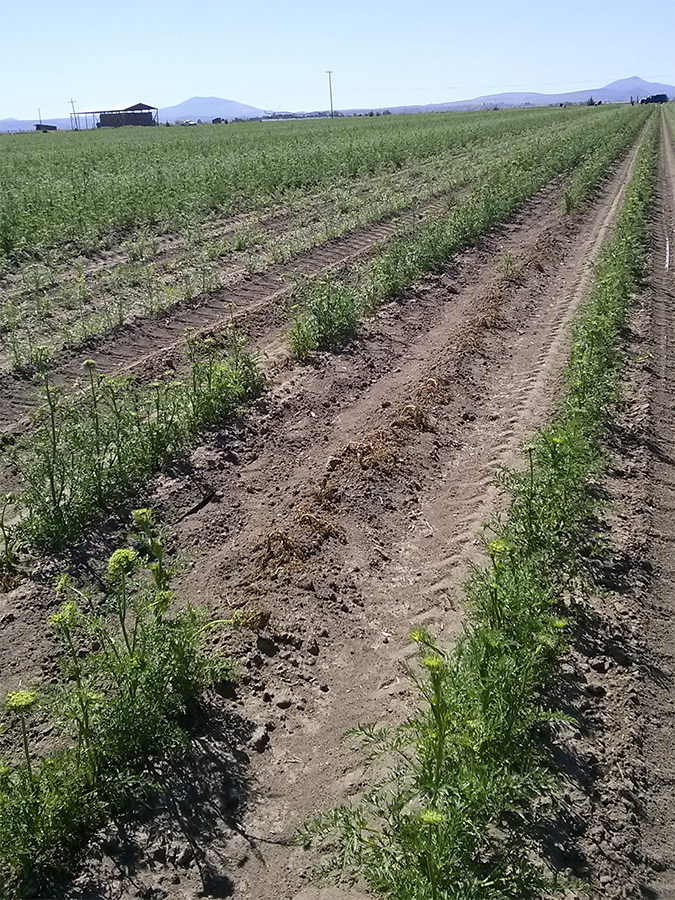
Photo Source: Jeremiah Dung, Oregon State University
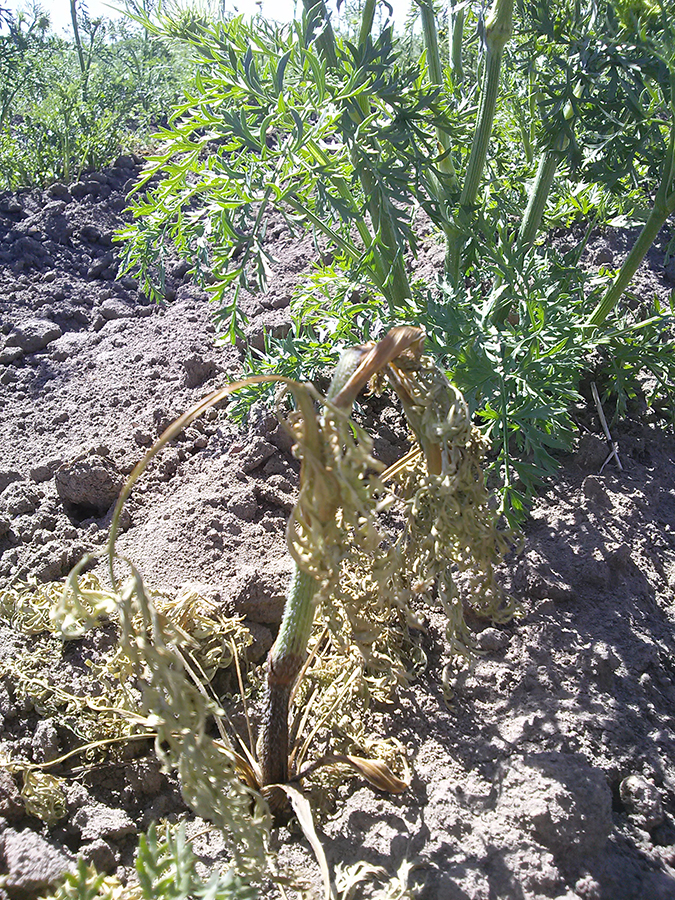
Photo Source: Jeremiah Dung, Oregon State University
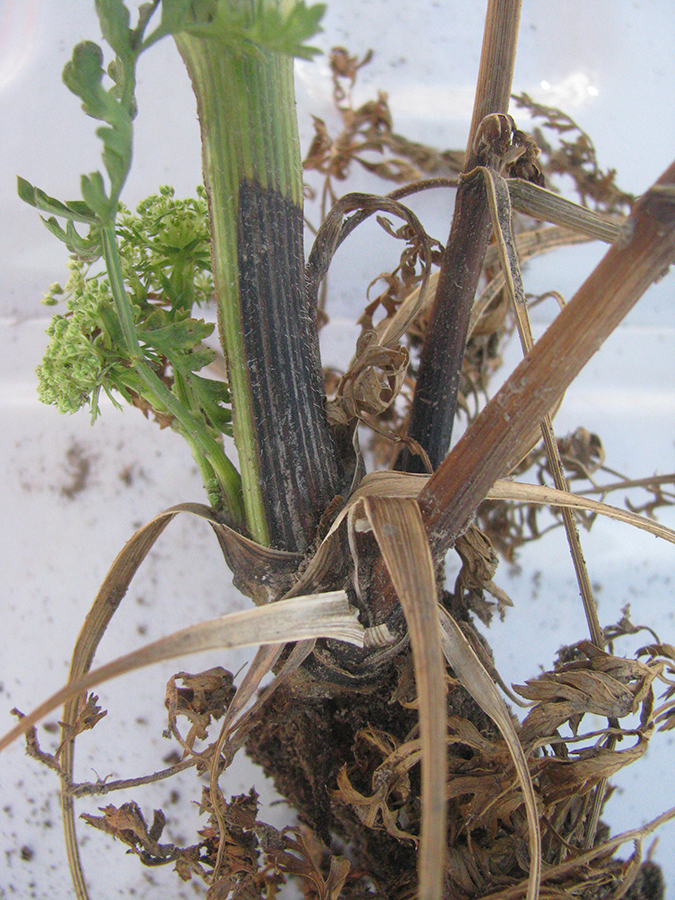
Photo Source: Lindsey du Toit, Washington State University
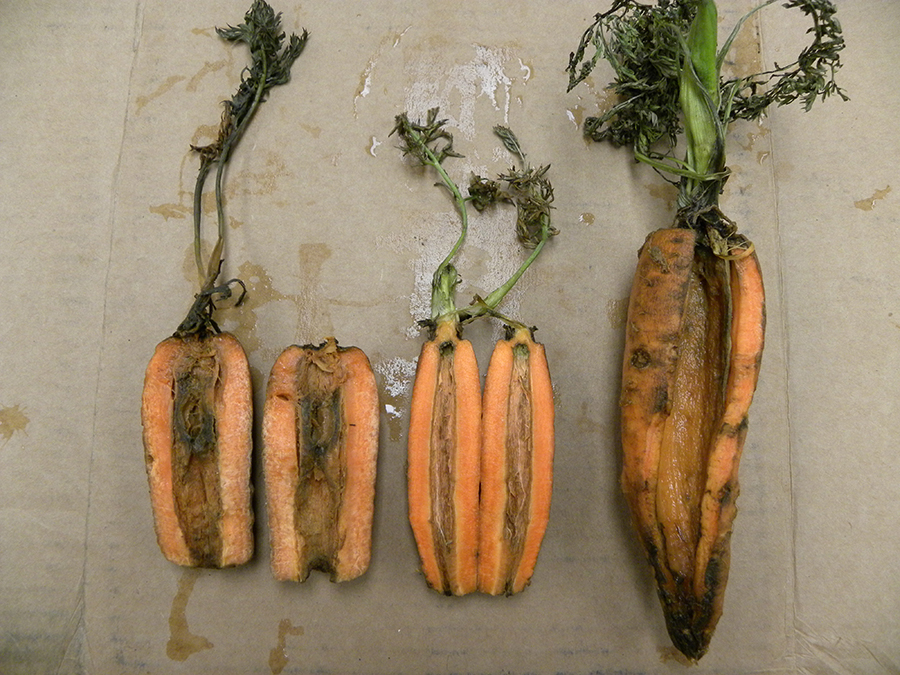
Photo Source: Jeremiah Dung, Oregon State University
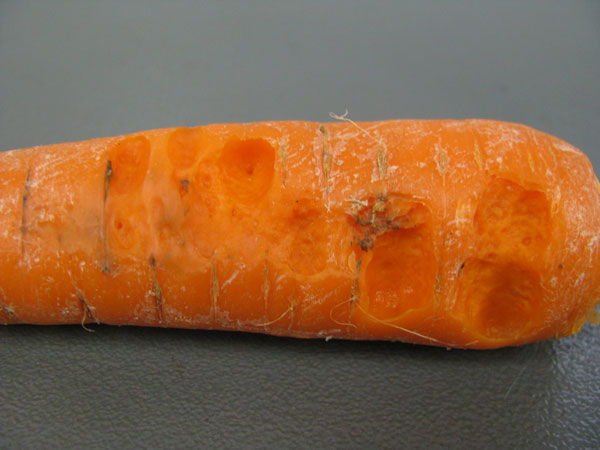
Photo Source: Lindsey du Toit, Washington State University
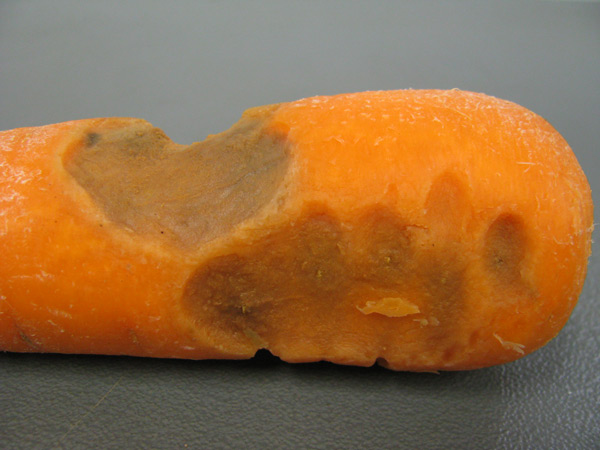
Photo Source: Lindsey du Toit, Washington State University
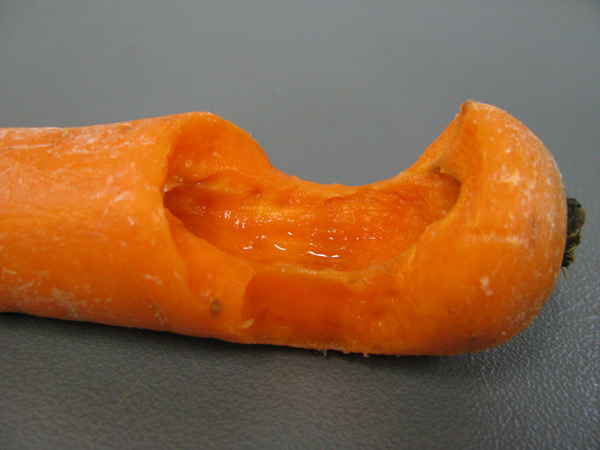
Photo Source: Lindsey du Toit, Washington State University
Online Resources:
Black root rot
Disease: Black root rot
Pathogen: Thielaviopsis basicola (= Chalara elegans)
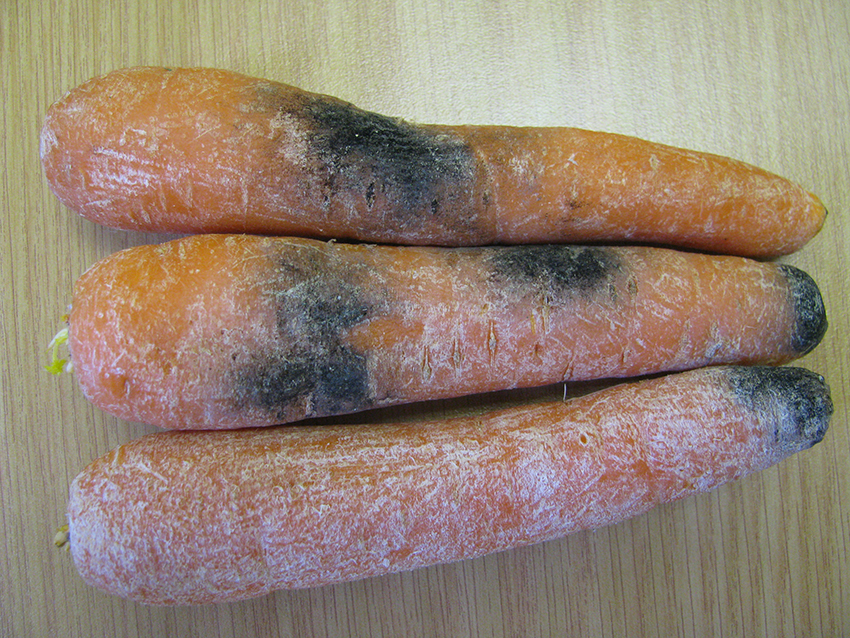
Photo Source: Lindsey du Toit, Washington State University
Online Resources:
- Black root rot. University of Massachusetts Amherst, Agriculture & Landscape Program, Vegetable Program, Soil, Crop & Pest Management.
Black rot
Disease: Black rot
Pathogen: Alternaria radicina
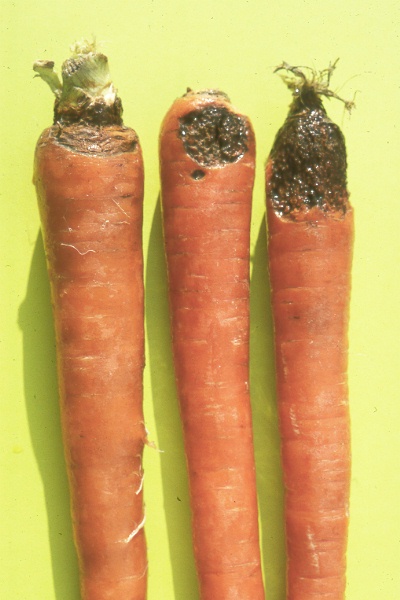
Photo Source: E. J. Sorensen
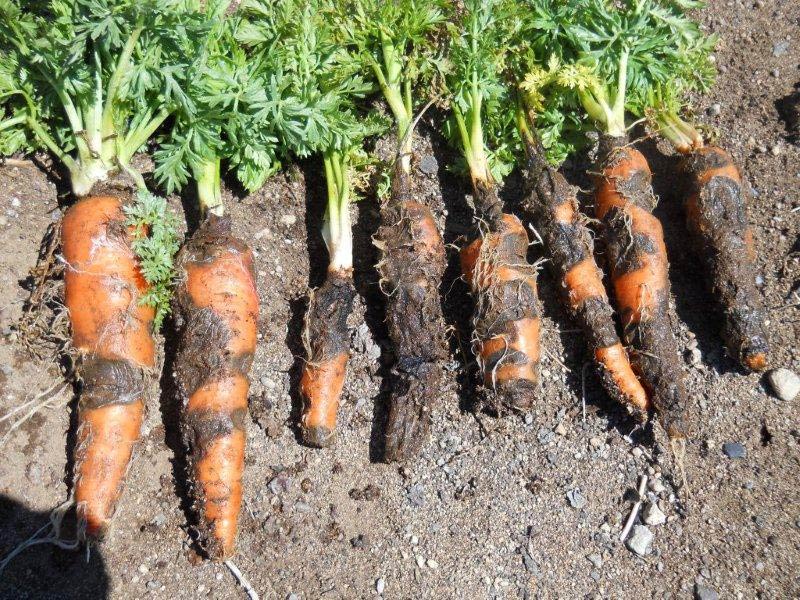

Online Resources:
Cavity spot
Disease: Cavity spot
Pathogen: Pythium spp. such as P. violae and P. sulcatum
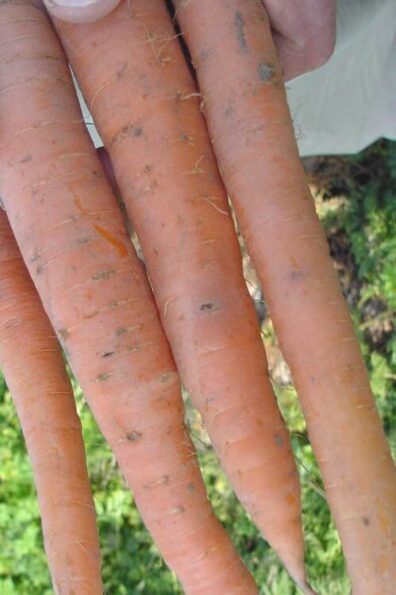
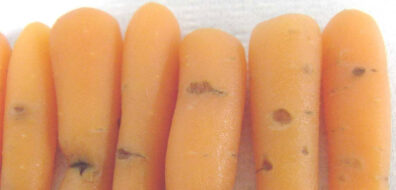
Online Resources:
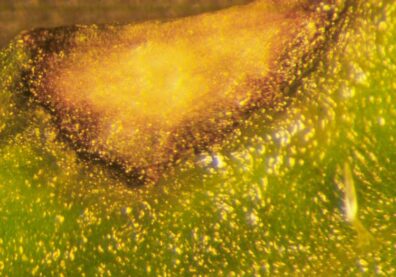
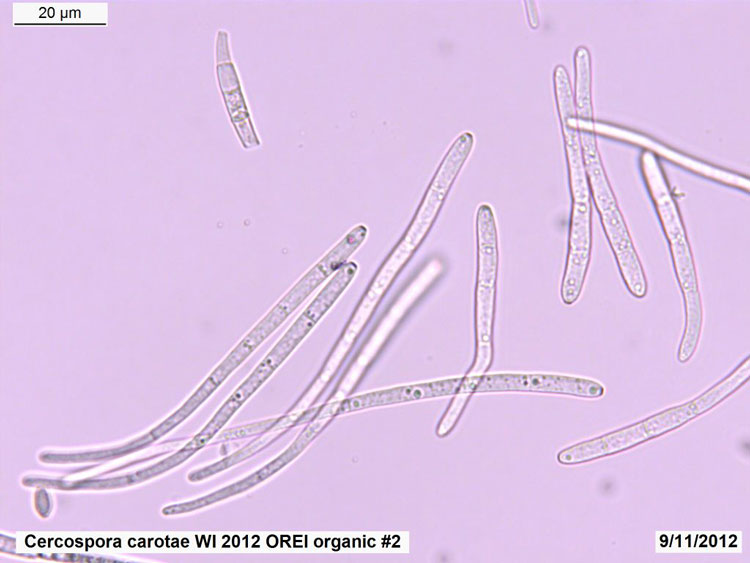
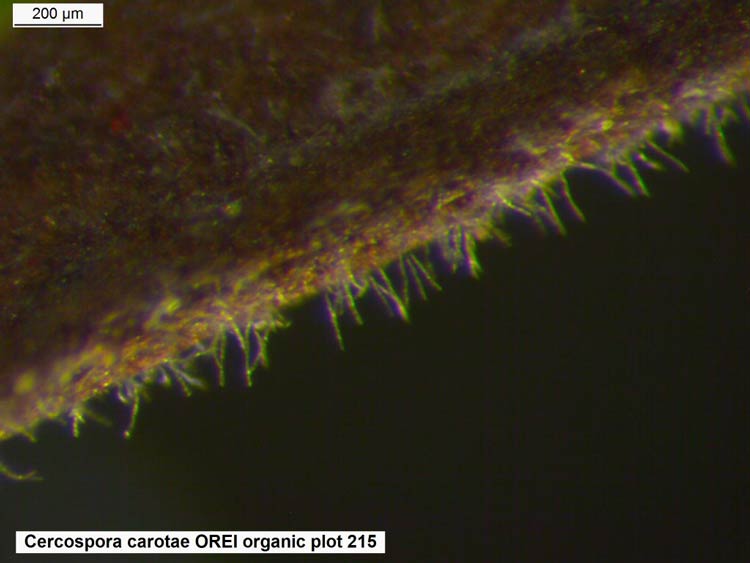
Cercospora leaf spot
Disease: Cercospora leaf spot
Pathogen: Cercospora carotae
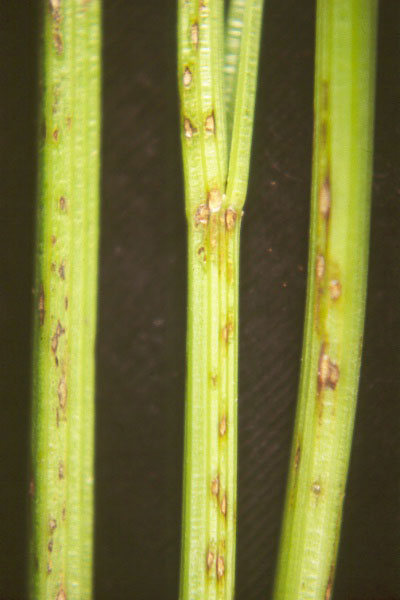
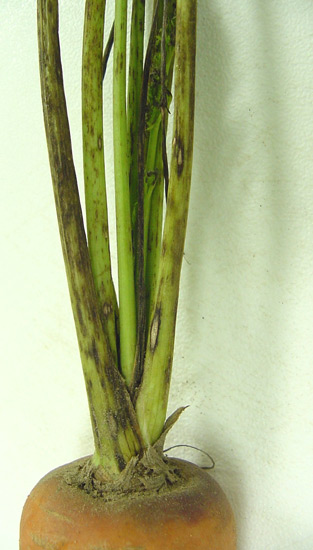
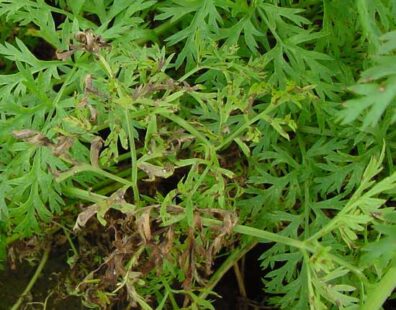
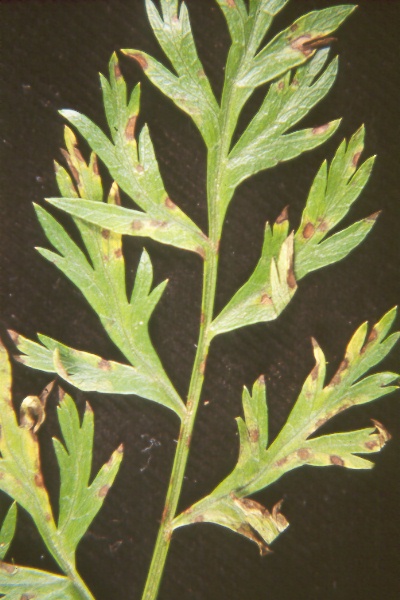
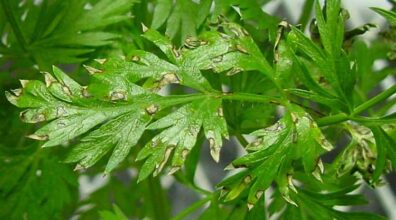
Online Resources:
- Pacific Northwest Plant Disease Management Handbook: Carrot (Daucus carota) – Cercospora Leaf Blight.
- Carrot: Leaf spot, Washington State University.
- Carrot Leaf Blight, Vegetable MD Online, Cornell University.
- Leaf Blights or Spots of Carrot (pdf), Universion of Illinois Extension.
- Management of Carrot Leaf Diseases, Ontario Ministry of Agriculture, Food and Rural Affairs.
Phytoplasma and spiroplasma infection
Disease: Phytoplasma and spiroplasma infection (e.g., aster yellows)
Pathogen: Various types of phytoplasmas and spiroplasma, e.g., Aster yellows phytoplasma, Beet leafhopper transmitted virescence agent (BLTVA), and Spiroplasma citri
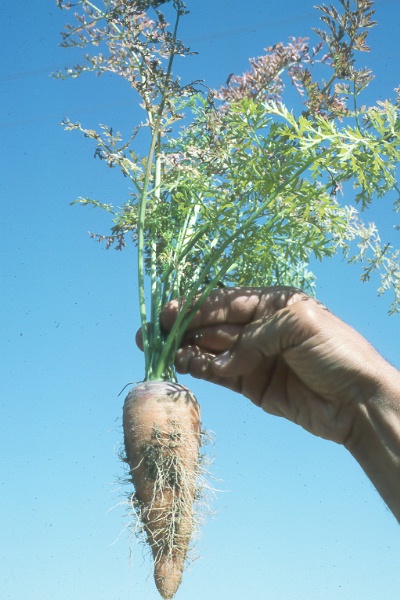
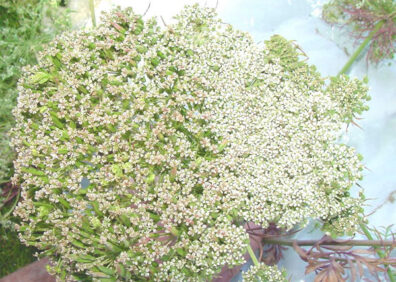
Photo Source: Lindsey J. du Toit
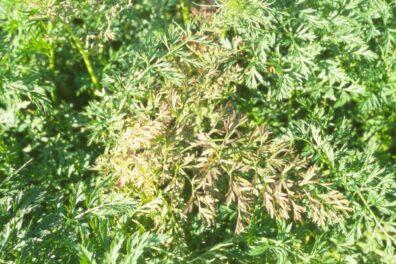
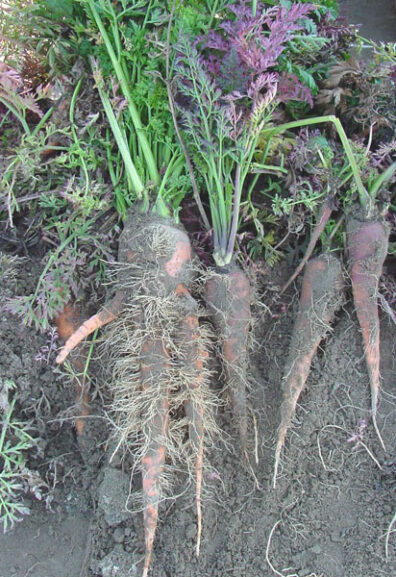
Photo Source: Lindsey J. du Toit
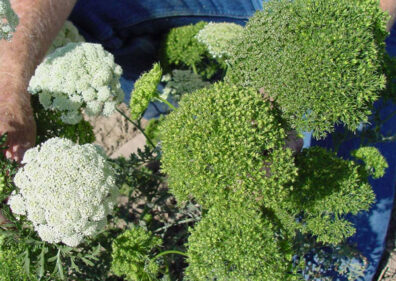
Photo Source: Lindsey J. du Toit
Online Resources:
- Pacific Northwest Plant Disease Management Handbook: Carrot (Daucus carota) – Aster Yellows.
- Aster leafhoppers in carrots, Live barley near carrots when leafhoppers may be present increases the number of leafhoppers and their potential to spread aster yellows phytoplasma. Integrated Pest Management Resources, Michigan State University.
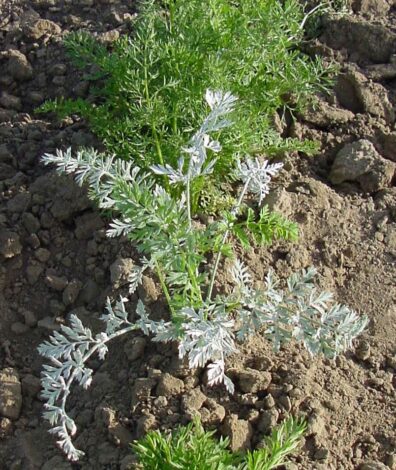
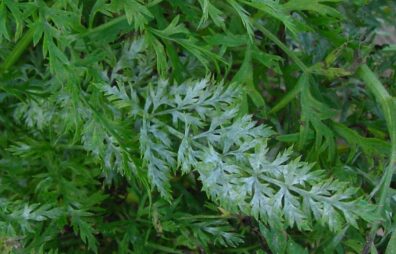
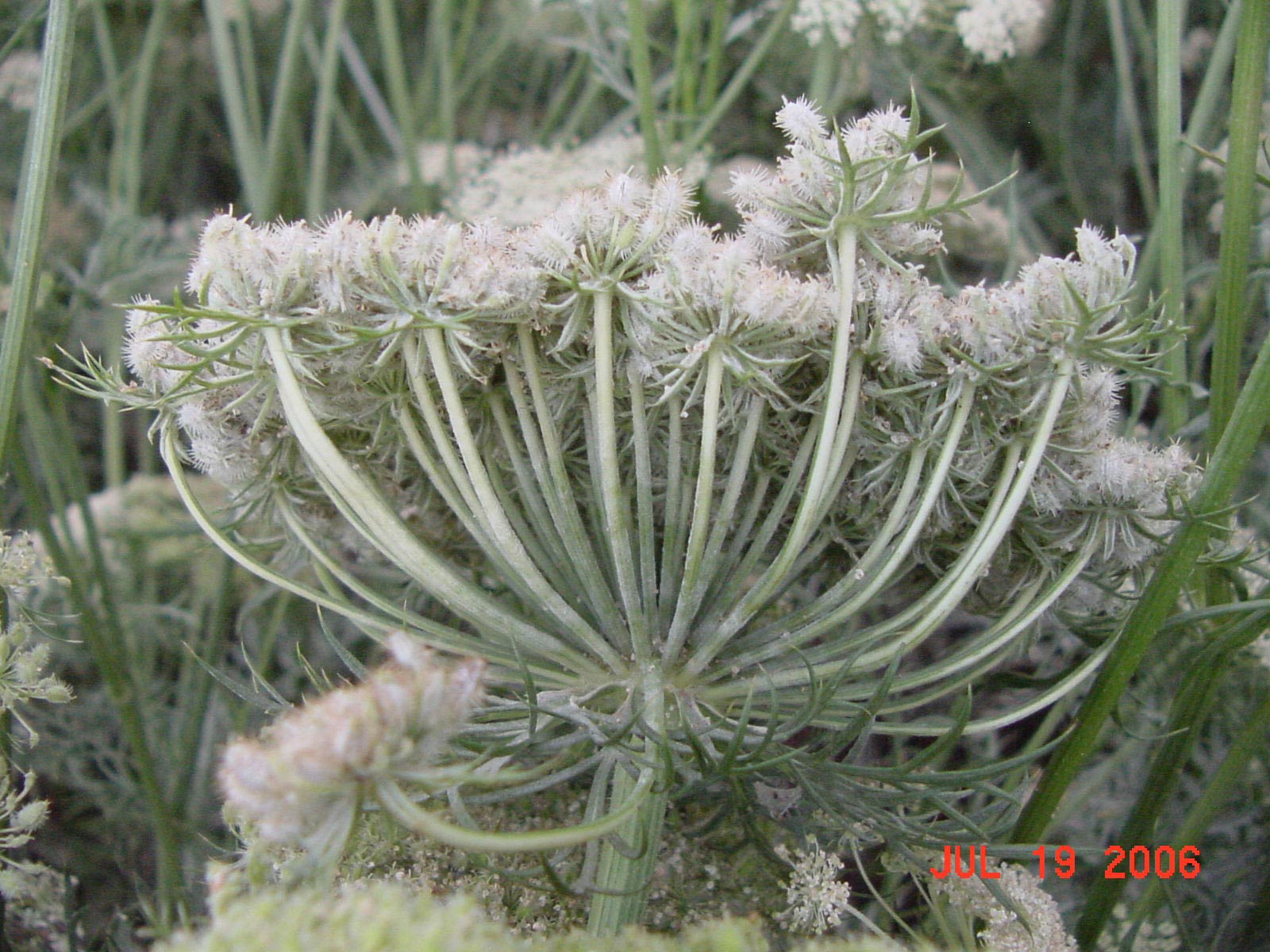
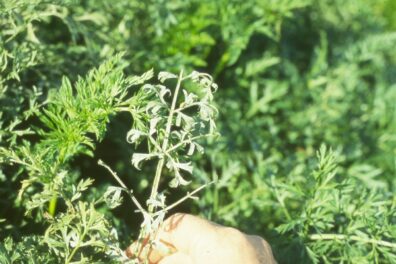
Powdery mildew
Disease: Powdery mildew
Pathogen: Erysiphe heraclei
Online Resources:
Rhizoctonia
Disease: Rhizoctonia
Pathogen: Rhizoctonia solani
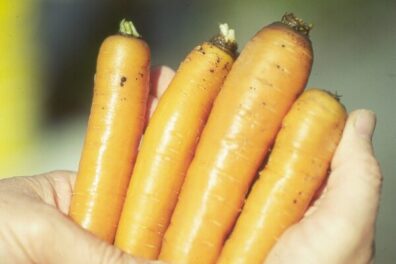
Violet root rot
Disease: Violet root rot
Pathogen: Rhizoctonia crocorum (sexual stage = Helicobasidium brebissonii)
Host crops: Violet root rot has been reported on carrot, celery, fennel, parsley, and parsnip within the Umbelliferae. However, the fungus reportedly has a wide host range that includes asparagus, artichoke, alfalfa, bean, beet, cabbage, clover, dandelion, mangel, potato, rape, rhubarb, sugar beet, sweet potato, and turnip as well as numerous weed species.
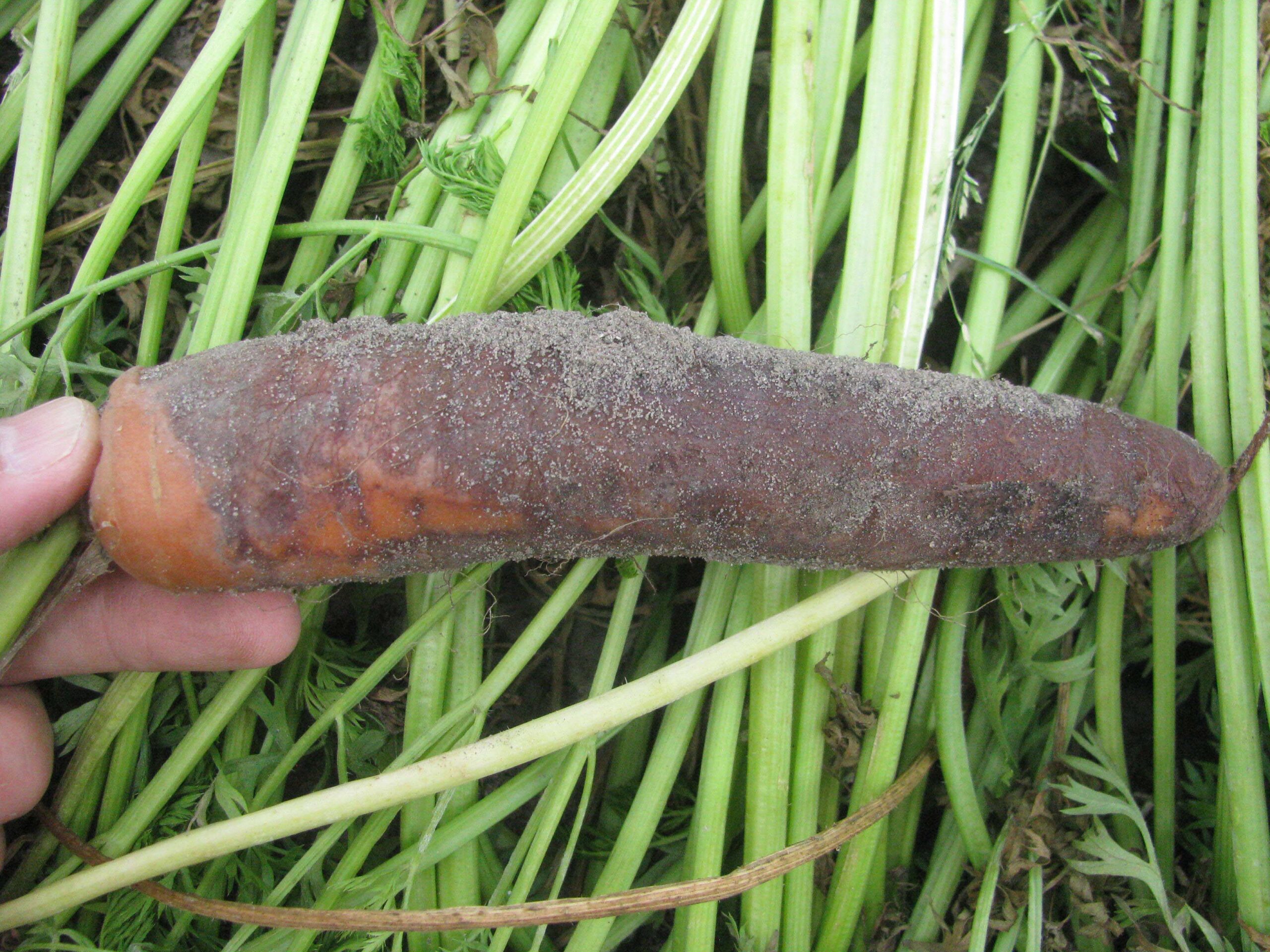
Photo Source: Lindsey du Toit, Washington State University
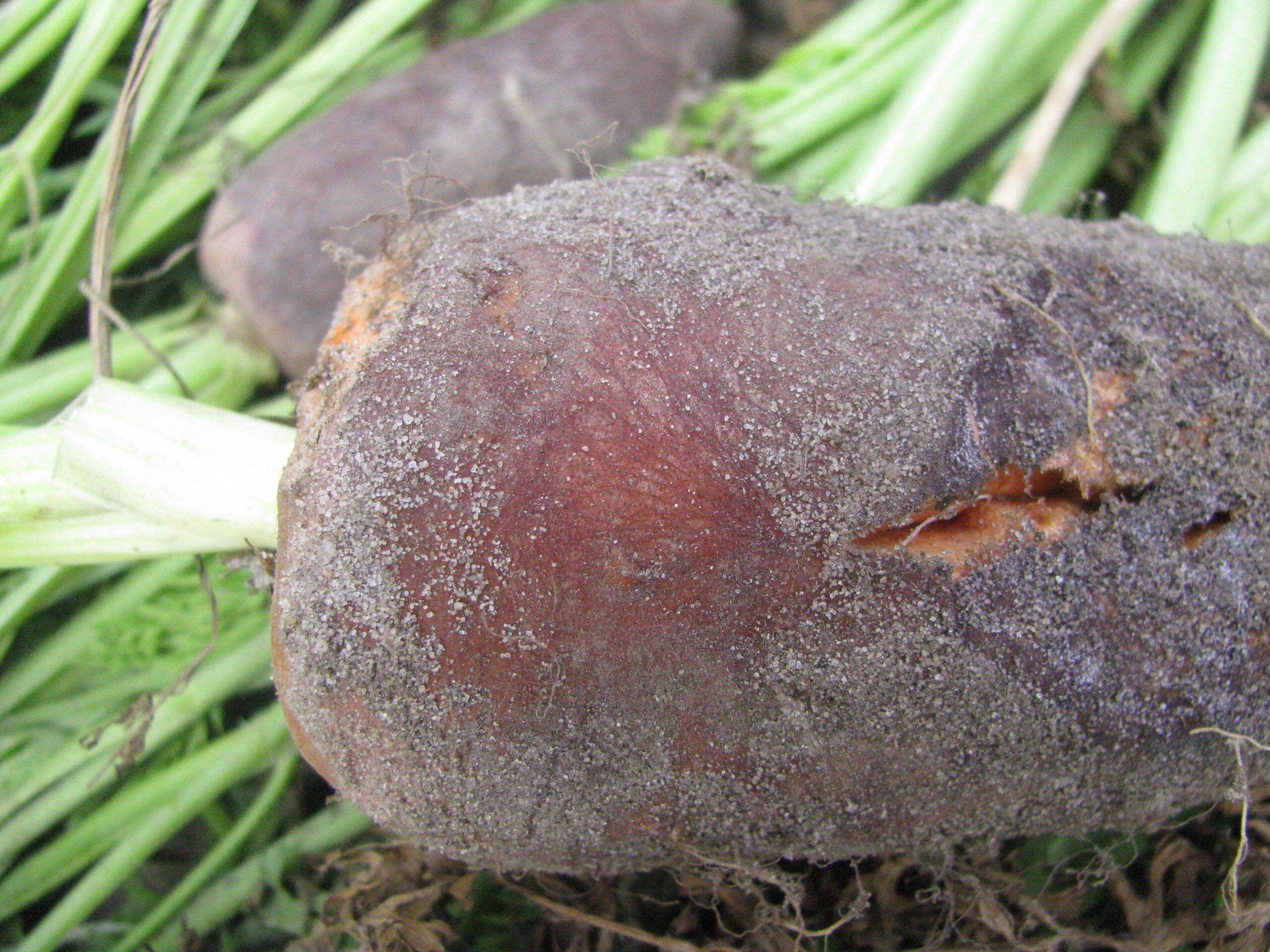
Photo Source: Lindsey du Toit, Washington State University
Online Resources:
- Carrot – Violet root rot – PNW Handbooks.
- Carrot – Violet root rot – Identification and Management of Carrot Root Diseases, Factsheet. Ontario.
White mold
Disease: White mold (=Cottony rot)
Pathogen: Sclerotinia sclerotiorum
Host crops: Bean, various brassica vegetables, carrot, eggplant, lettuce, potato, tomato, etc.
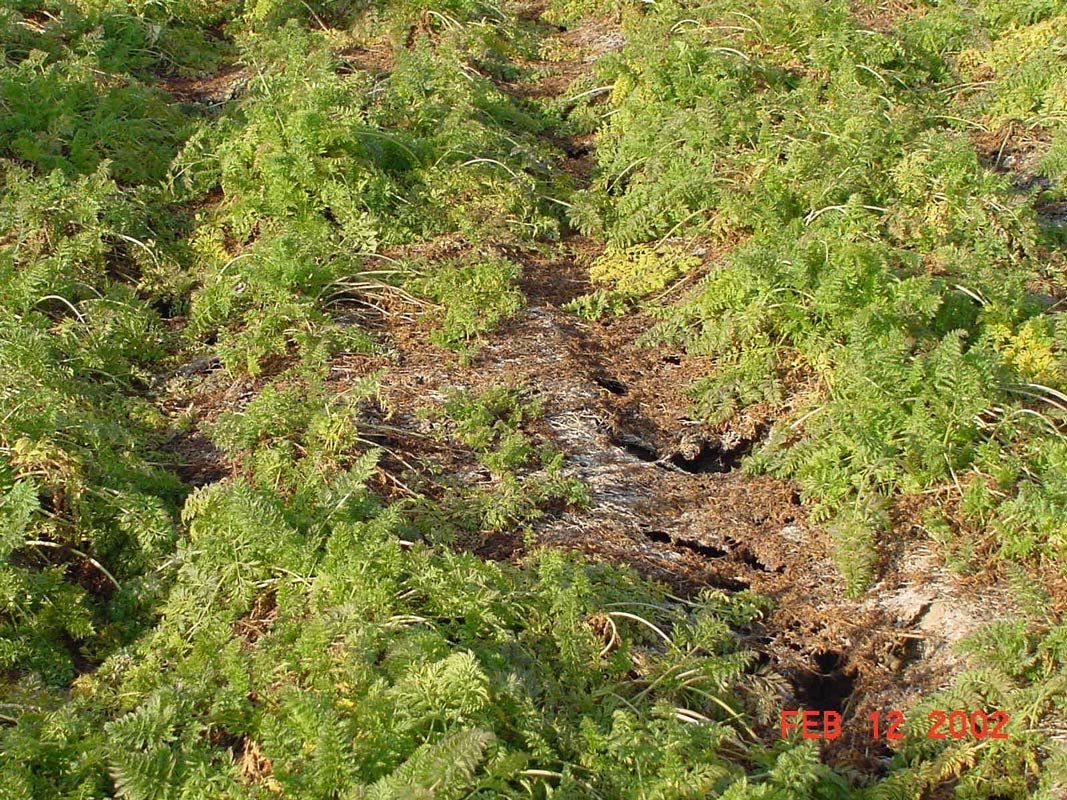
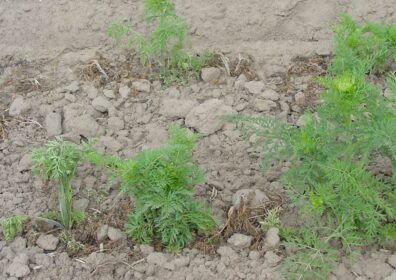
Photo Source: Lindsey du Toit, Washington State University
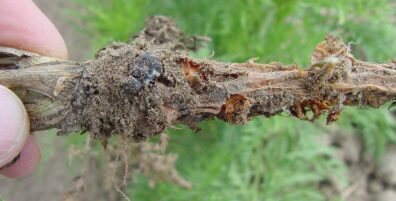
Online Resources:
- Pacific Northwest Plant Disease Management Handbook: Carrot (Daucus carota) Cottony Rot.
- Carrot: Cottony Rot (White Mold) (pdf). Howard F. Schwartz and David H. Gent, Colorado State University.
- See Diseases, pests, and other problems common to many vegetables: White mold.
Nematodes
Root knot
Disease: Root knot
Pathogen: Meloidogyne species
Host crops: Numerous plant species, including many vegetables such as carrot, coriander, onion,
potato, etc.
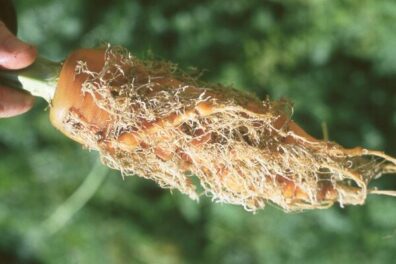

Photo Source: Lindsey du Toit, Washington State University
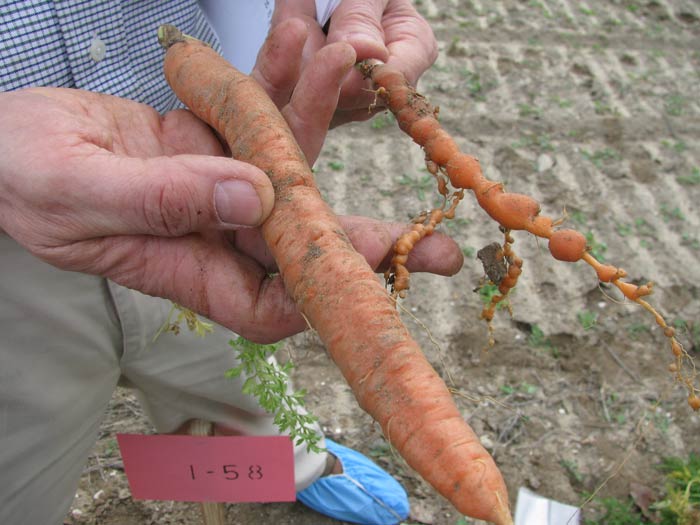
Photo Source: Lindsey du Toit, Washington State University
Online Resources:
- Pacific Northwest Plant Disease Management Handbook: Carrot (Daucus carota) – Nematode, Root-knot.
- Carrot: Root-knot nematode, Washington State University Hortsense.
- Major Emerging Problems with Minor Meloidogyne Species (pdf). By Axel A. Elling, Washington State University, Phytopathology Review.
- See Diseases, pests, and other problems common to many vegetables: Root knot.
Insect/Mite Pests
Carrot rust fly
Common name: Carrot rust fly
Latin binomial: Psila rosae
Host crops: Carrot, parsnip, celeriac, celery, turnip and other umbelliferous crops, including the weed, hemlock.
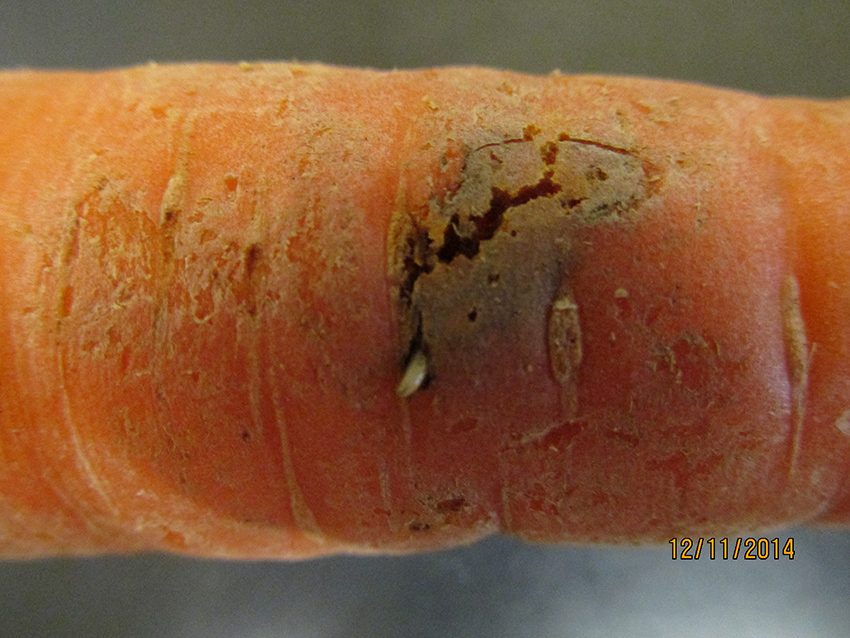
Photo Source: Mike Derie, Washington State University
Online Resources:
- Vegetable crop pests-Carrot rust fly. Pacific Northwest Insect Management Handbook, Oregon State University.
- Carrot Rust Fly Biology & Management. Nick Andrews, Small Farms, Oregon State University.
- Carrot: Carrot rust fly, Use IPM (Integrated Pest Management) for successful plant problem management. Hortsense, Carrie Foss, Pesticide Education, Art Antonelli, Extension Entomology, WSU Puyallup.
- Managing Carrot Rust Fly – In Search of Alternatives for a Tough Customer (pdf). Dr. David Muehleisen, Andrew Bary, Dr. Craig Cogger, Dr. Carol Miles, Amanda Johnson and Dr. Marcia Ostrom, WSU, and Terry Carkner, Terry’s Berries Organic Farm, Agrichemical and Environmental News, March 2003.
- Intercropping in Carrots for Rust Fly Control. Carol Miles, Ph.D.,WSU Extension, Leslie Zenz, Research Assistant, Betsie DeWreede, Owner, Independence Valley Farm, and Julie Puhich, Owner, Common Ground CSA, Mount Vernon Northwestern Washington Research and Extension Center, Vegetable Research and Extension.
- Carrot Rust Fly – Life Cycle and Habits. Carrot Insects, Ontario Ministry of Agriculture, Food and Rural Affairs Factsheet 93-077.
- Carrot rust fly (pdf). Plant Health Australia Factsheet.
Lygus bugs
Common name: Lygus bugs
Latin binomial: Lygus spp.
Host crops: Numerous different species of vegetables and other crops, e.g., alfalfa, beet, cabbage, carrot, potato, spinach, Swiss chard, etc. Lygus bugs can cause different types of damage to various growth stages of different crops. They cause blackheart on celery, blasting on flower tissues, collapse of asparagus spears, decreased yields in carrot, beet, spinach, and other seed crops, etc.
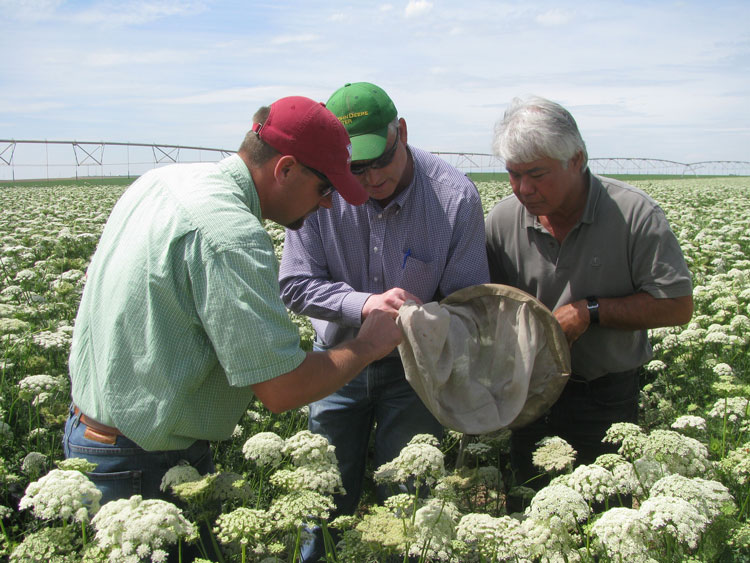
Photo Source: Lindsey du Toit, Washington State University
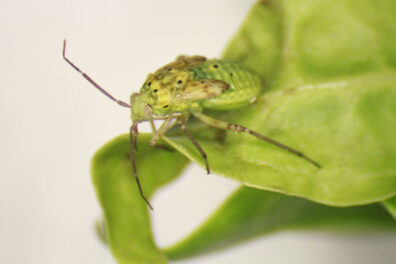
Photo Source: Bev Gerdeman, WSU Entomologist
Online Resources:
Spider mites
Common name: Spider mites
Latin binomial: Tetranychus spp. including twospotted spider mite (Tetranychus urticae), strawberry spider mite (Tetranychus turkestani), and Pacific spider mite (Tetranychus pacificus)
Host crops: Wide host range, including many vegetables such as bean, carrot seed crops, potato, etc.
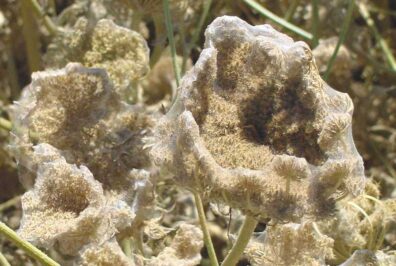
Photo Source: Lindsey du Toit
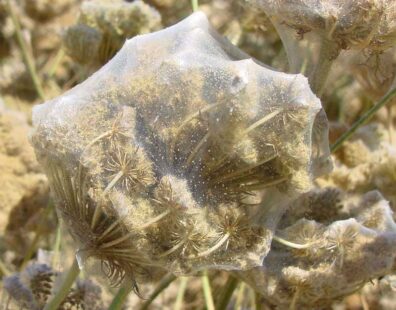
Photo Source: Lindsey du Toit
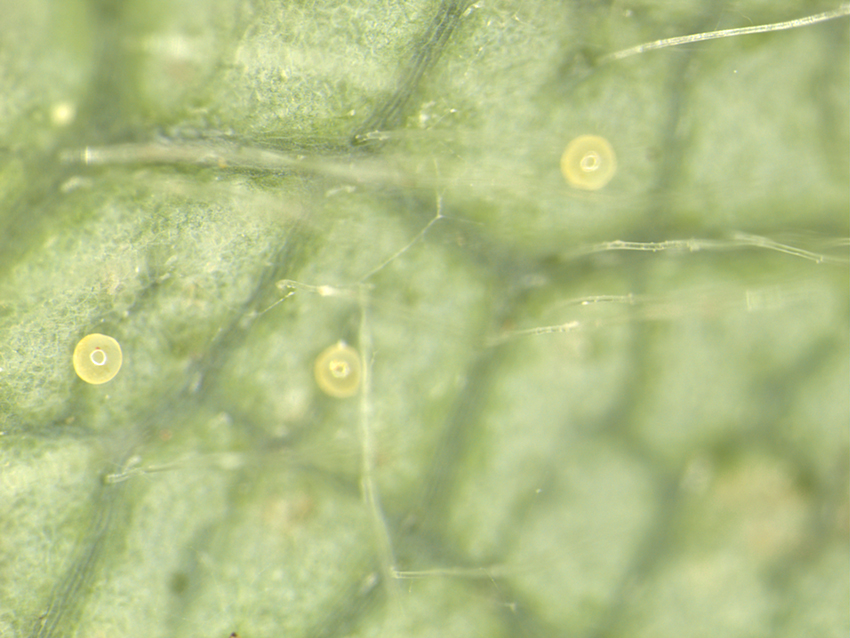
Photo Source: Silvia Rondon, Oregon State University
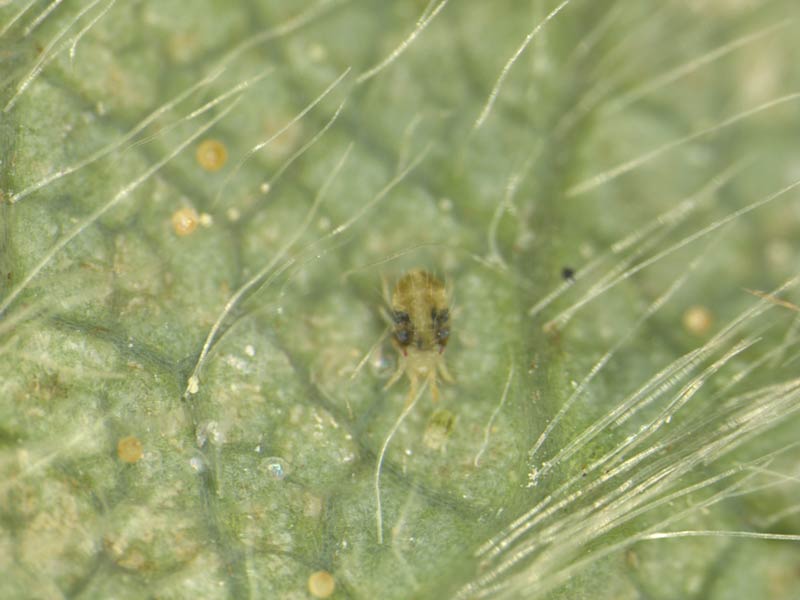
Photo Source: Silvia Rondon, Oregon State University
Online Resources:
- Carrot seed – Twospotted spider mite. PNW Insect Management Handbook, Chapter: Vegetable Seed, Section: Carrot Seed.
- See Diseases, pests, and other problems common to many vegetables: Spider mites.
Wireworm
Common name: Wireworm
Latin binomial: Limonius spp. (including L. canus and L. californicus). Other wireworm species including Agriotes spp. and Ctenicera spp. can be pestiferous.
Host crops: Potato, onion, carrot, beet, spinach seed crops, and radish. Other crops, like corn, beans
and peas can be impacted by high densities of wireworms feeding on seedlings resulting in poor crop stands.
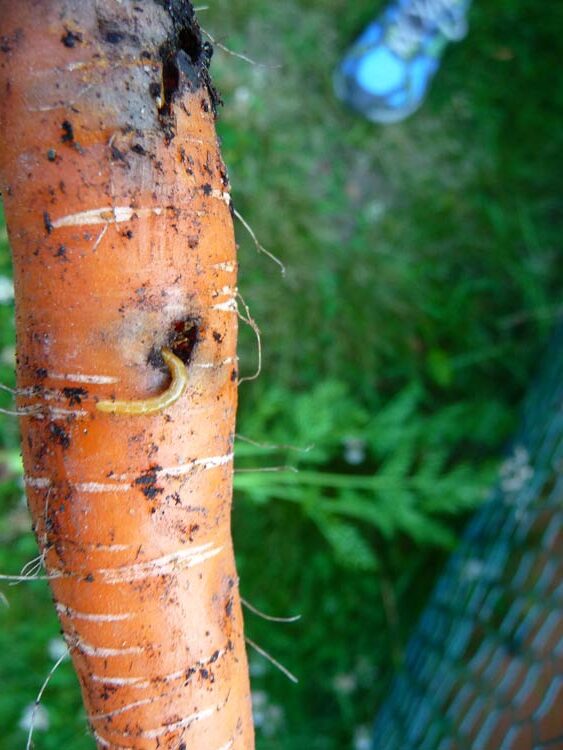
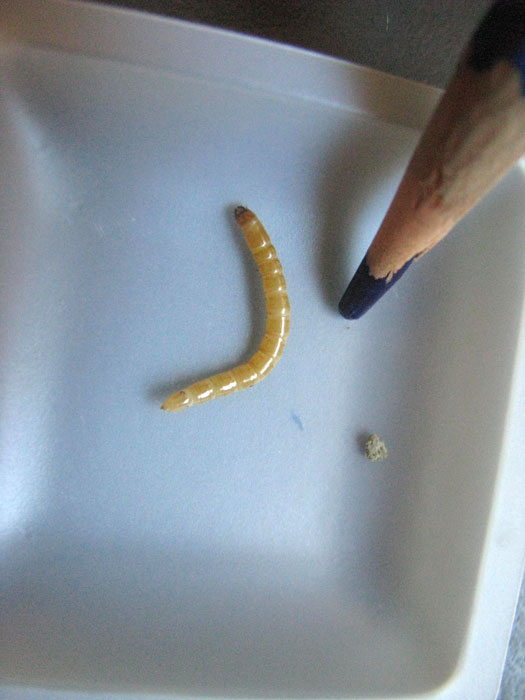
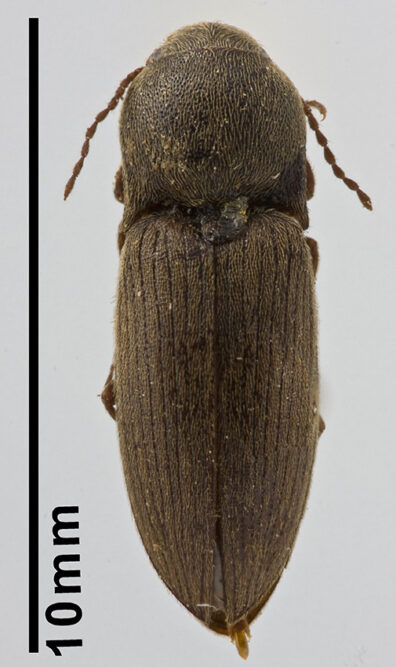
Photo Source: Oregon State University –Oregon State Arthropod Collection.
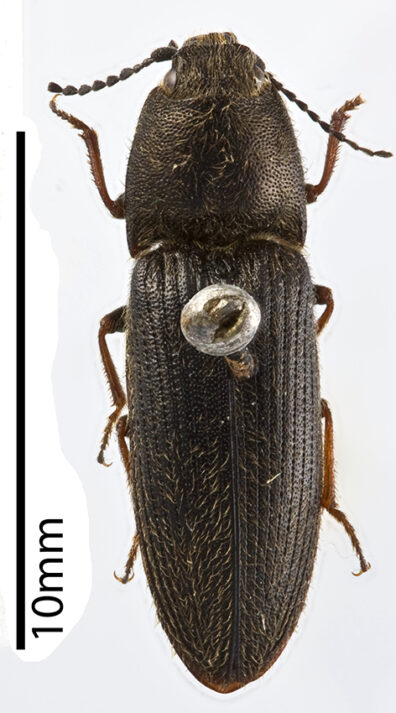
Photo Source: Oregon State University – Oregon State Arthropod Collection.
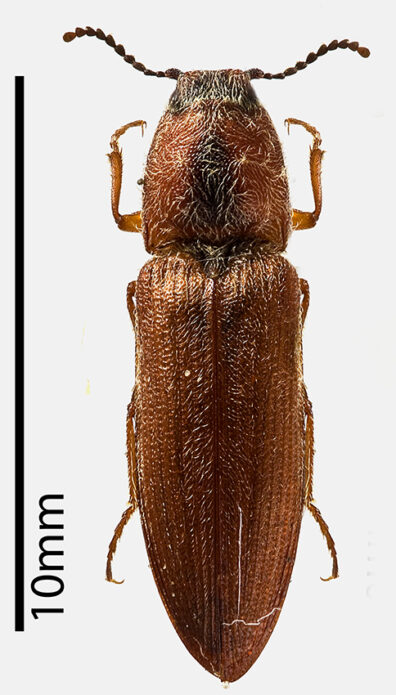
Photo Source: Oregon State University – Oregon State Arthropod Collection.
Online Resources:
- Vegetable crop pests – Wireworm. PNW Insect Management Handbook.
- Wireworms. Ontario Ministry of Agriculture and Food.
- Managing Wireworms in Vegetable Crops. VegEdge, University of Minnesota.
- Wireworm Field Guide (pdf) – A guide to the identification and control of wireworms, Syngenta Crop Protection Canada, Inc.
- Wireworm Biology and Nonchemical Management in Potatoes in the Pacific Northwest, N. Andrews, M. Ambrosino, G. Fisher, and S.I. Rondon, Pacific Northwest Extension Publication no. PNW607.
- See Diseases, pests, and other problems common to many vegetables: Wireworm.
Parasitic Plants
Field dodder
Common name: Field dodder
Latin binomial: Cuscuta spp.
Host Crops: Bean, beet, carrot, onion, pepper, potato, tomato, and many other crops (not only vegetables).
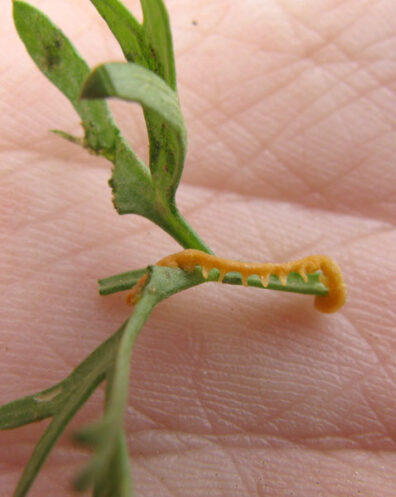
Photo Source: Lindsey du Toit, Washington State University
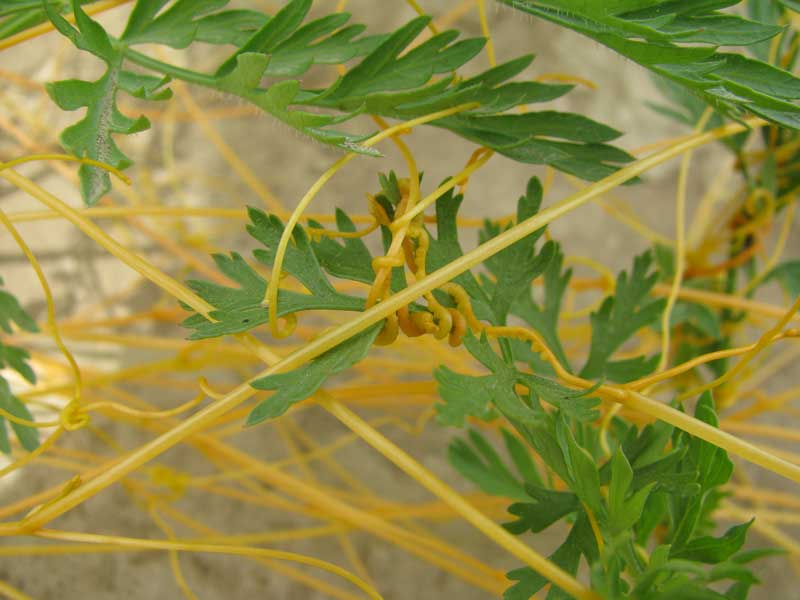
Photo Source: Lindsey du Toit, Washington State University
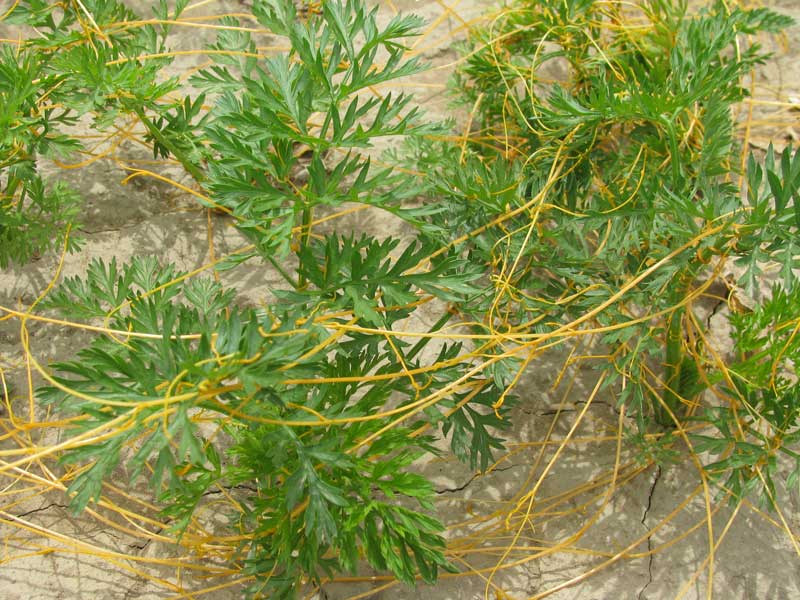
Photo Source: Lindsey du Toit, Washington State University
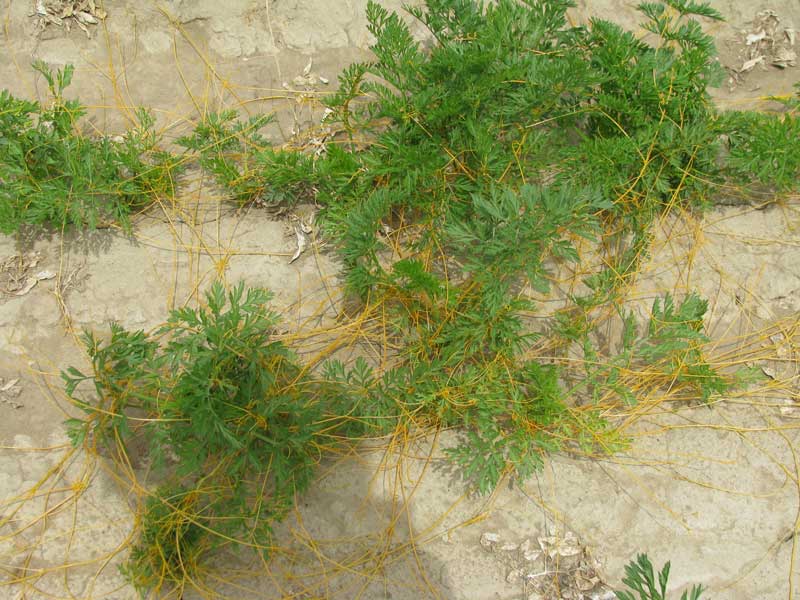
Photo Source: Lindsey du Toit, Washington State University
Online Resources:
- See Diseases, pests, and other problems common to many vegetables: Field dodder.
Abiotic Problems Common to Carrot
Split roots
Problem: Split roots
Cause: Wide fluctuations in soil moisture and growth rate of carrot roots, particularly early in the growth stage. Splitting can lead to secondary bacterial infections.
Crops affected: Beet, carrot, parsnip, radish and other root crops.
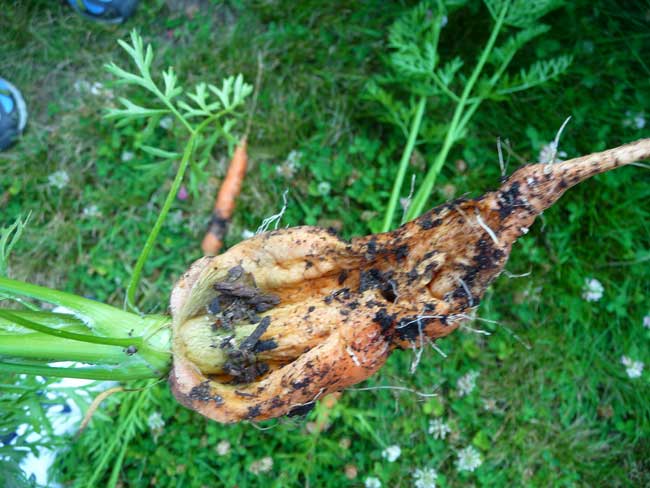
Photo Source: Tom Brown
Online Resources:
- See Root vegetables: splitting. Royal Horticultural Society.
If you need the content provided on this site in an alternate format or for further information on the Vegetable Seed Pathology program,
please contact: Lindsey du Toit at dutoit@wsu.edu or at 360-848-6140.
Our pages provide links to external sites for the convenience of users. WSU Extension does not manage these external sites, nor does Extension review, control, or take responsibility for the content of these sites. These external sites do not implicitly or explicitly represent official positions and policies of WSU Extension.