Diseases
Insect/Mite Pests
Abiotic Problems
(Click on photo to enlarge)
Diseases
Phoma leaf spot and root rot
Disease: Phoma leaf spot and root rot
Pathogens: Phoma betae (Pleospora betae)
Host crops: Table beet, sugar beet, Swiss chard.

Photo Source: Lindsey du Toit, Washington State University
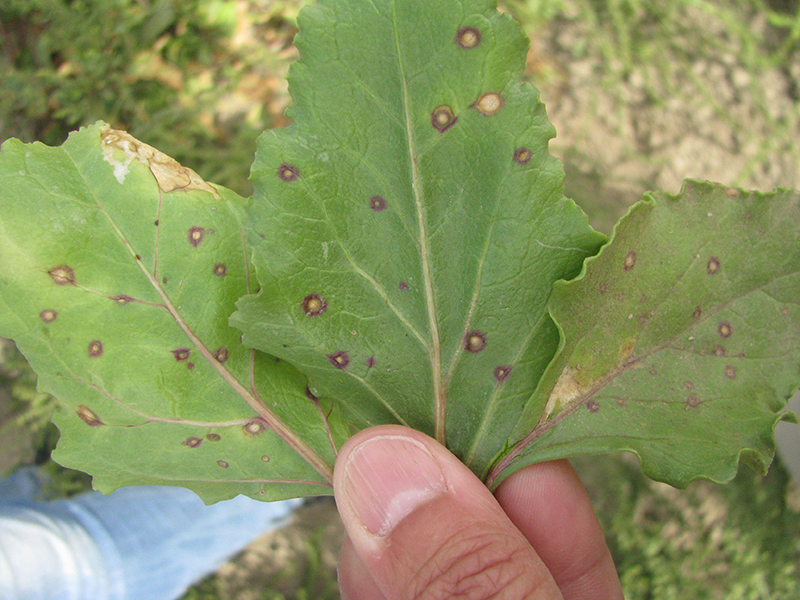
Photo Source: Lindsey du Toit, Washington State University
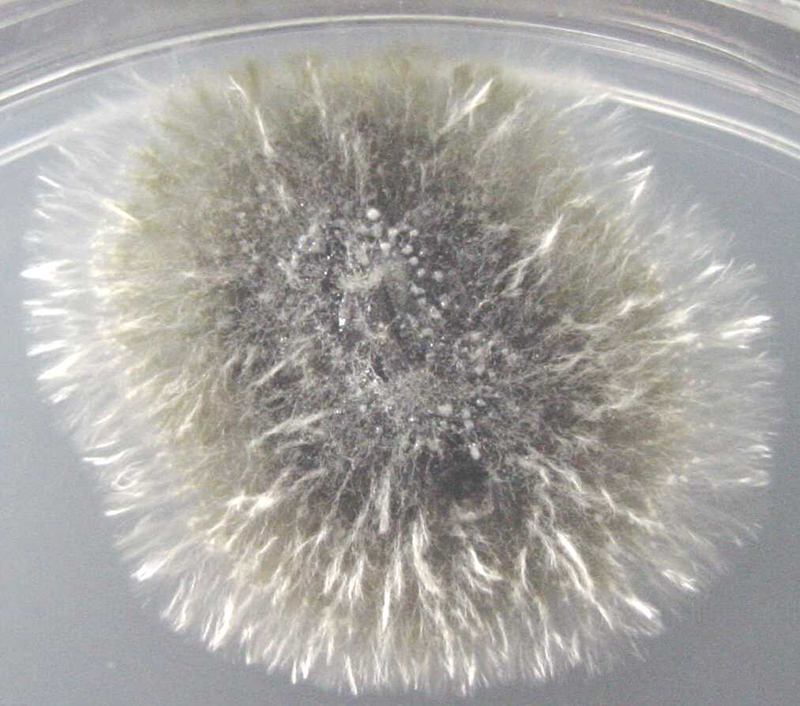
Photo Source: Lindsey du Toit, Washington State University
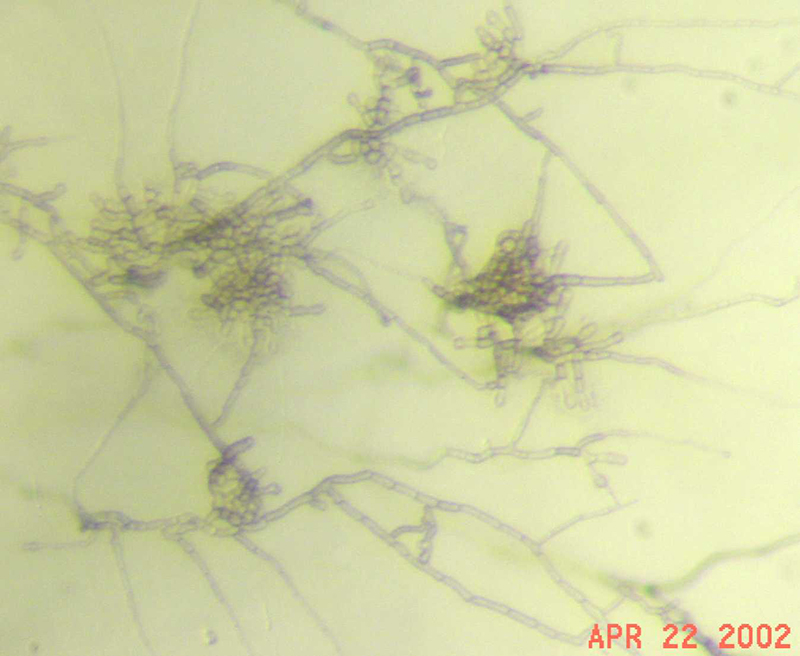
Photo Source: Lindsey du Toit, Washington State University
Online Resources:
Powdery mildew
Disease: Powdery mildew
Pathogens: Erysiphe betae (= E. polygoni or Microsphaera betae)
Host crops: Table beet, sugar beet, Swiss chard
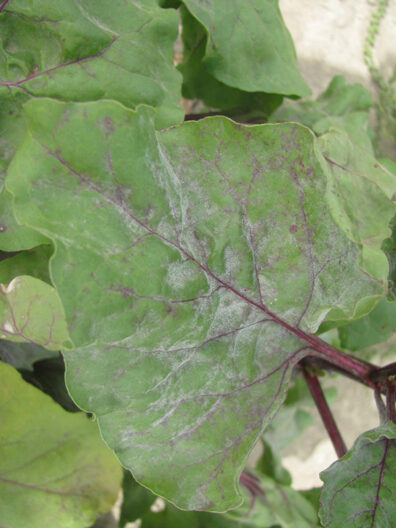
Photo Source: Lindsey du Toit, Washington State University
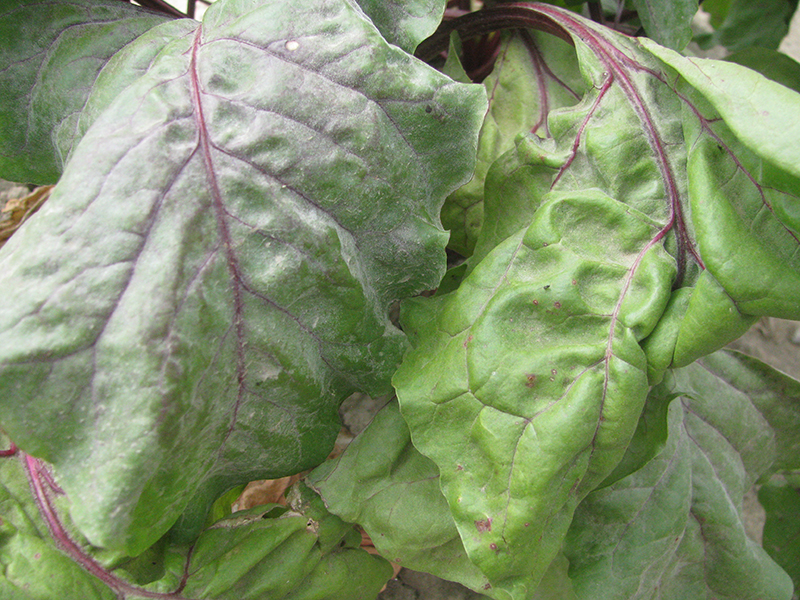
Photo Source: Lindsey du Toit, Washington State University
Online Resources:
Ramularia leaf spot
Disease: Ramularia leaf spot
Pathogen: Ramularia beticola
Host crops: Most vegetables in the Chenopodiaceae, i.e., sugar beet, table beet, and swiss chard.
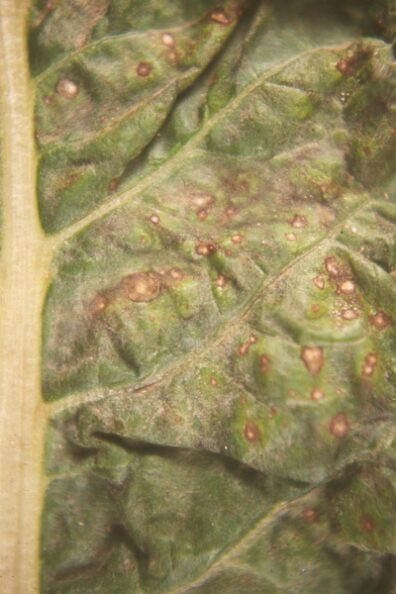
Photo Source: D.A. Inglis, Washington State University
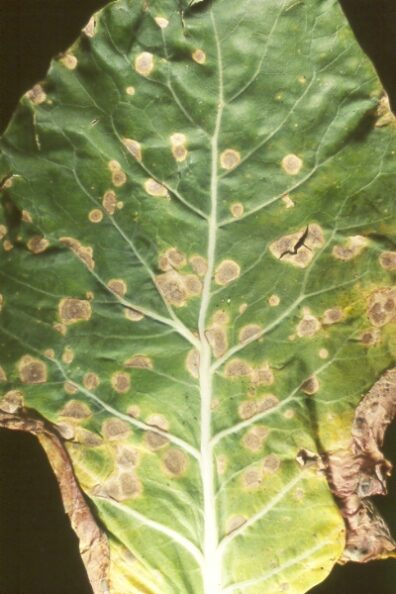
Photo Source: D.A. Inglis, Washington State University

Photo Source: Lindsey du Toit, Washington State University
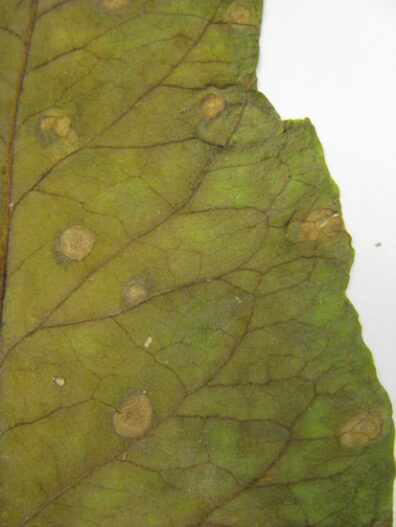
Photo Source: Lindsey du Toit, Washington State University
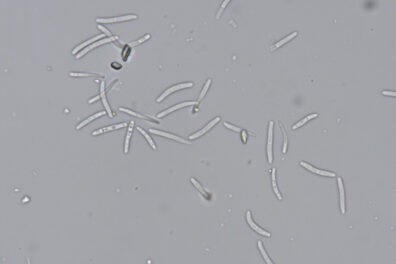
Photo Source: Lindsey du Toit, Washington State University
On-Line Resources:
Rhizoctonia basal petiole and crown infection
Disease: Rhizoctonia basal petiole and crown infection
Pathogens: Rhizoctonia
Host crops: Many vegetables are susceptible to infection by Rhizoctonia spp., which are common soilborne fungi. In beet and swiss chard, these fungi can infect the base of petioles and the crown or main root at or below the soil surface, particularly in moist soil conditions. During very wet conditions, infection can also occur on the leaves.
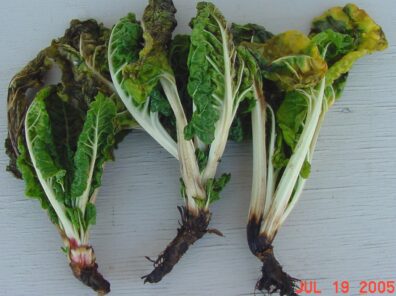
Photo Source: Lindsey du Toit, Washington State University
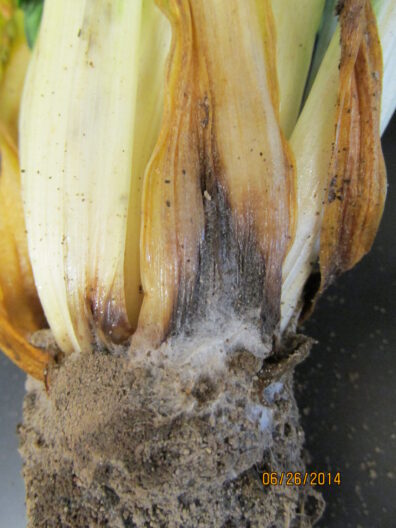
Photo Source: Lindsey du Toit, Washington State University
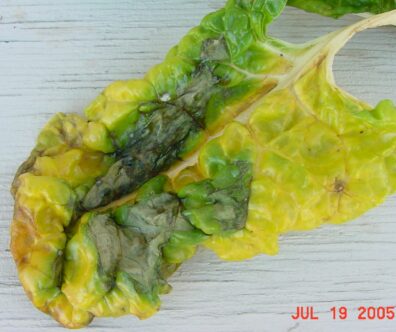
Photo Source: Lindsey du Toit, Washington State University
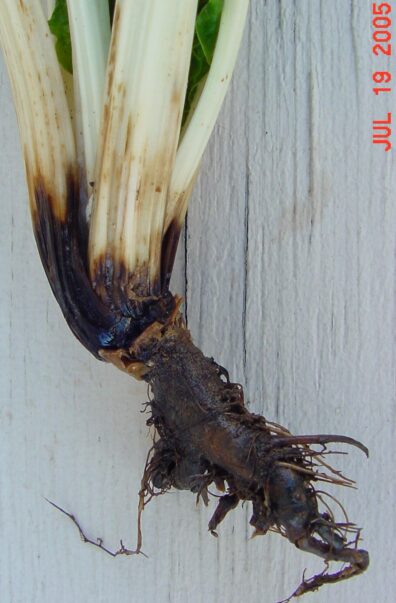
Photo Source: Lindsey du Toit, Washington State University
Online Resources:
Rust
Disease: Rust
Pathogens: Uromyces betae
Host crops: Table beet
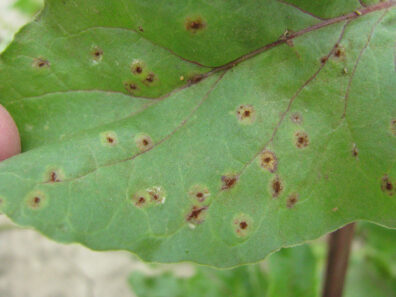
Photo Source: Lindsey du Toit, Washington State University
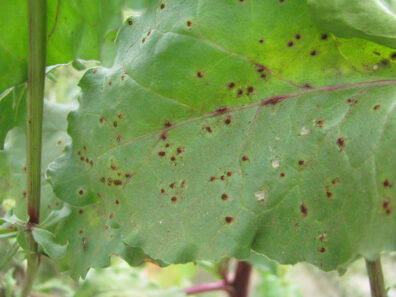
Photo Source: Lindsey du Toit, Washington State University
Online Resources:
Scab
Disease: Scab
Pathogen: Streptomyces scabies
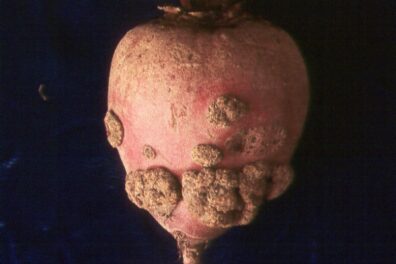
Insect/Mite Pests
Aphids
Common names: Numerous aphids can infest vegetable crops, e.g., bean aphid, cowpea aphid, green peach aphid, melon aphid, and potato aphid.
Latin binomial: Numerous types of aphids including Aphis fabae (bean aphid), Myzus persicae (green peach aphid), Aphis gossypii (melon aphid), and Acrosiphum euphorbiae (potato aphid).
Host crops: In addition to beet, cucumber, corn seed, melon, potato, tomato, eggplant and pepper, aphids can feed on many other vegetables including broccoli, cabbage, spinach, Swiss chard, squash, pumpkin, as well as many weed species including brassicaceae (cruciferous) weeds.
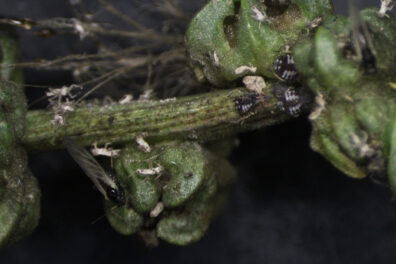
Photo Source: Bev Gerdeman, WSU Entomologist
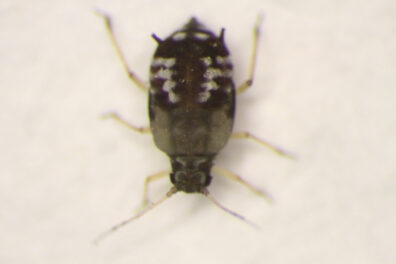
Photo Source: Bev Gerdeman, WSU Entomologist
Online Resources:
- Pacific Northwest Insect Management Handbook: Vegetable crop pests-Aphid.
- Common Insect & Mite: Aphids, Washington State University Hortsense.
Beet leafminer
Common name: Beet leafminer and spinach leafminer
Latin binomial: Pegomya betae and Pegomya hyoscyami
Host crops: Beet, spinach, sugar beet, Swiss chard, and many weeds including lamb’s-quarters, chickweed, and nightshade.
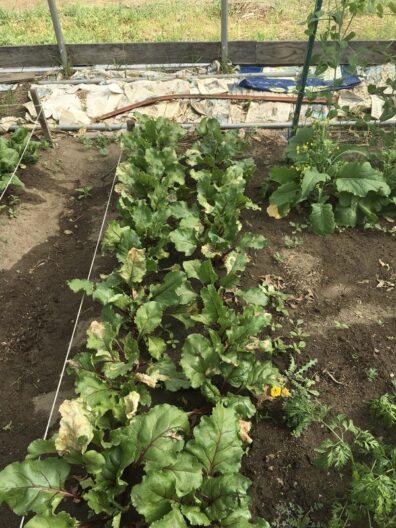
Photo Source: Kari Saunders

Photo Source: Lindsey du Toit, Washington State University
Online Resources:
Cutworms
Common name: Cutworms
Latin binomial: Various cutworms can feed on beets, e.g., Agrostis ipsilon (black cutworm), Apamea devastator (glassy cutworm), redbacked cutworm (Euxoa ochrogaster), army cutworm (Euxoa auxiliaris), spotted cutworm (Xestica c-nigrum), and variegated cutworm (Peridroma saucia).
Host crops: Wide host range, including many vegetables such as beet (sugar beet, table beet, fodder beet), bean, carrot, onion, spinach, potato, etc. Subterranean species feed on plant roots and stems, cutting the plants at the soil surface. Climbing species are nocturnal, i.e., they hide in the soil during the day and cut off plants at the soil surface or feed on new leaves and stems in the crown.
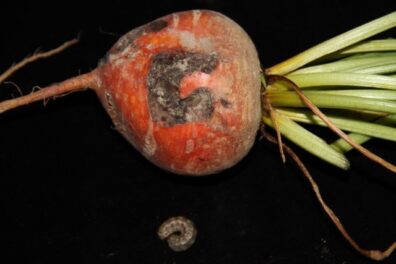
Photo Source: Bev Gerdeman, Washington State University Entomologist
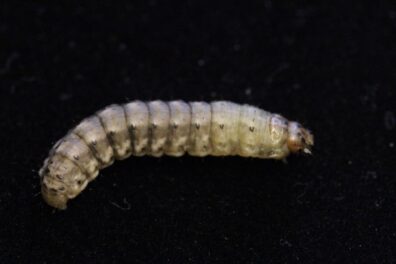
Photo Source: Bev Gerdeman, Washington State University Entomologist
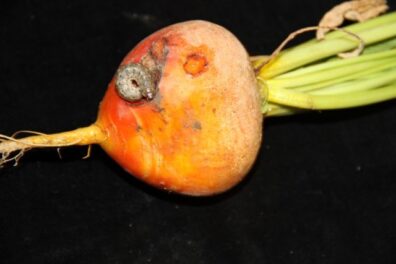
Photo Source: Bev Gerdeman, Washington State University Entomologist
Online resources:
- https://insect.pnwhandbooks.org/vegetable-seed/table-beet/table-beet-seed-armyworm-cutworm-and-looper.
- https://insect.pnwhandbooks.org/legume-grass-field-seed/sugar-beet/sugar-beet-seed-cutworm.
Root aphid
Common name: Root aphid
Latin binomial: Pemphigus betae, Pemphigus populivenae
Host crops: Table beet, sugar beet, swiss chard
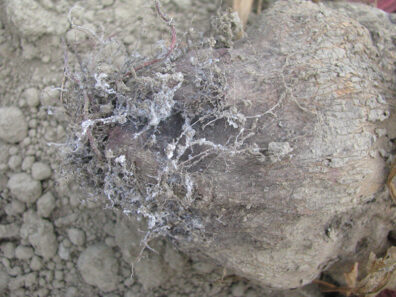
Photo Source: Lindsey du Toit, Washington State University
Online Resources:
- https://pnwhandbooks.org/insect/agronomic/sugar-beet/sugar-beet-sugar-beet-root-aphid.
- Sugarbeet Root Aphid-UC Pest Management Guidelines.
Springtails
Common name: Springtails (subterranean types)
Latin binomial: Order Collembola. There are numerous types of springtails or collembola, which are divided into two groups – subterranean springtails and surface springtails.
Host crops: Multiple vegetables, but most damage has been reported on spinach and beets, primarily in heavier, organic soils during very wet, cool spring conditions.
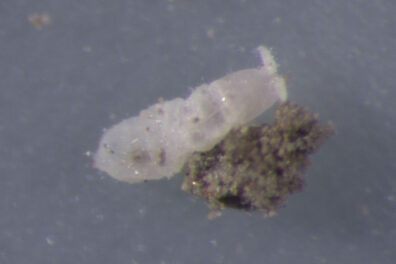
Photo Source: Lindsey du Toit, Washington State University
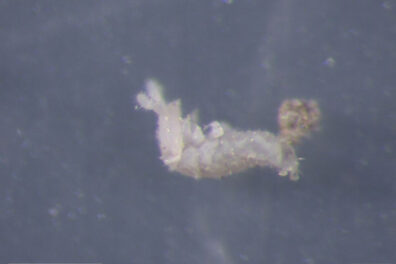
Photo Source: Lindsey du Toit, Washington State University
On-Line Resources:
- Springtails Springtails in Sugarbeet: Identification, Biology, and Management. North Dakota State University, Fargo.
- Control of Subterranean Springtails in Sugarbeet Using Granular, Liquid, and Seed Treatment Insecticides (pdf). North Dakota State University, Fargo.
- Springtail feeding on emerging crops (especially sugarbeet) (pdf). Michigan State University.
- Pest: Springtail. Pest Spotter, Bayer CropScience.
- Also, see Swiss chard: springtails.
Spider mites
Common name: Spider mites
Latin binomial: Tetranychus spp. including twospotted spider mite (Tetranychus urticae), strawberry spider mite (Tetranychus turkestani), and Pacific spider mite (Tetranychus pacificus)
Host crops: Wide host range, including many vegetables such as bean, carrot, spinach, potato, etc.
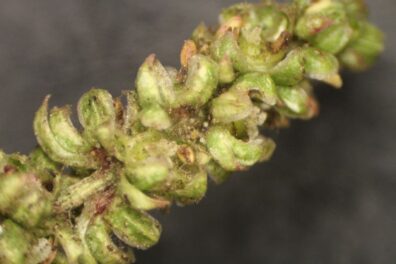
Photo Source: Bev Gerdeman, WSU Entomologist
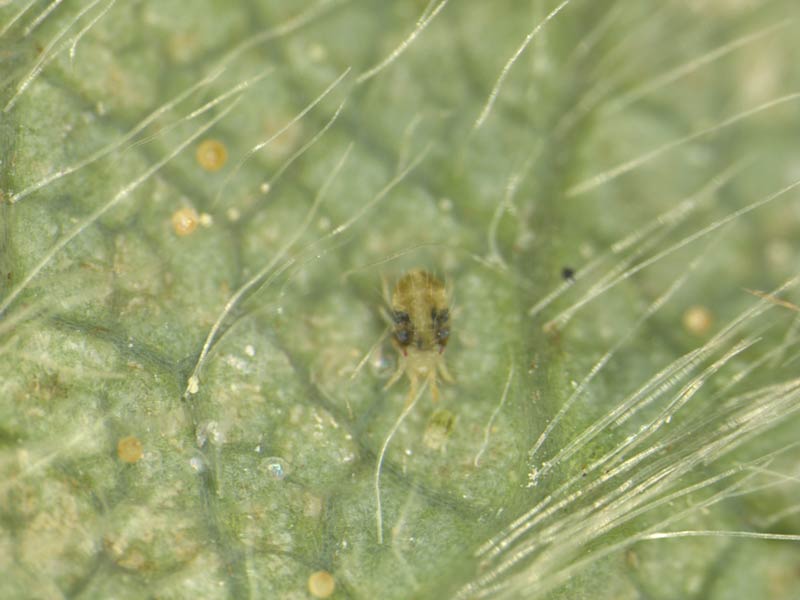
Photo Source: Silvia Rondon, Oregon State University
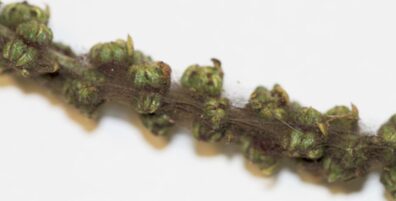
Photo Source: Bev Gerdeman, WSU Entomologist
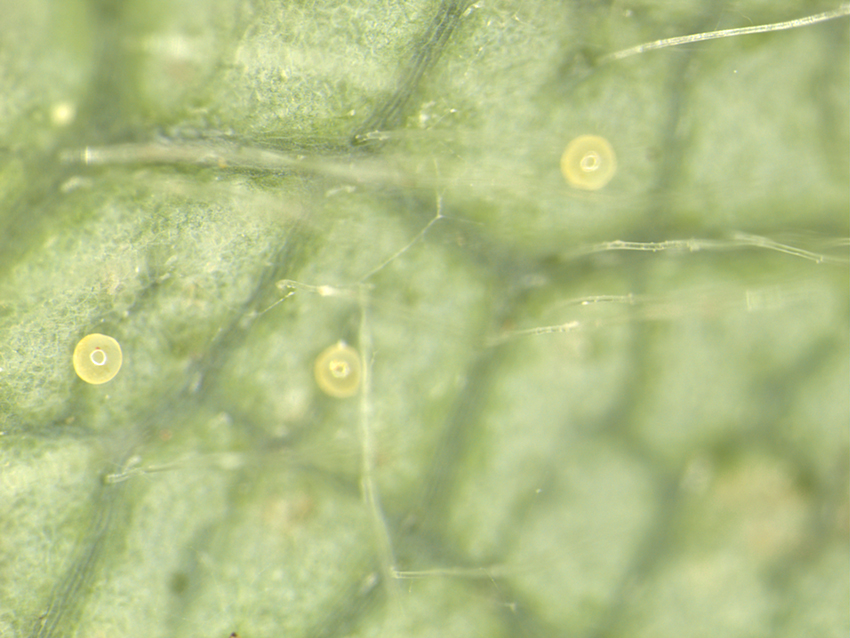
Photo Source: Silvia Rondon, Oregon State University
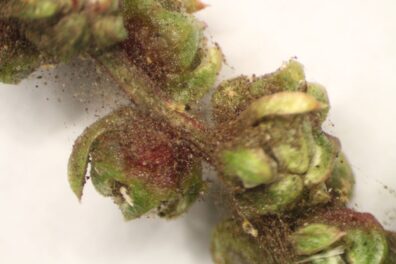
Photo Source: Bev Gerdeman, WSU Entomologist

Photo Source: Bev Gerdeman, WSU Entomologist
Online Resources:
- Carrot seed – Twospotted spider mite. PNW Insect Management Handbook, Chapter: Vegetable Seed, Section: Carrot Seed.
- See Diseases, pests, and other problems common to many vegetables: Spider mites.
- Managing spider mites in gardens and landscapes. University of California Online Statewide Integrated Pest Management Program.
Abiotic Problems
Herbicide Injury
Problem: Injury from application of specific herbicides to certain parent lines in seed crops, higher rates of application of some herbicides, or application of tank mixes (combinations) of some herbicides.
Crops affected: Some table beet and Swiss chard parent lines are more sensitive than others to injury by specific herbicides, even when these products are applied at recommended (labeled) rates; or injury can occur when higher rates of certain herbicides are applied to beet and chard crops; or injury may occur when certain herbicides are applied in tank-mix combinations.
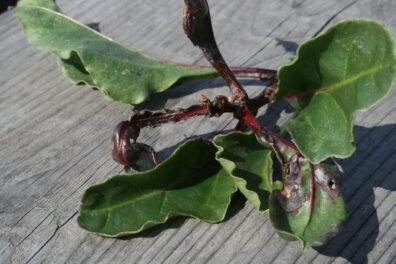
Photo Source: Tim Miller, Washington State University
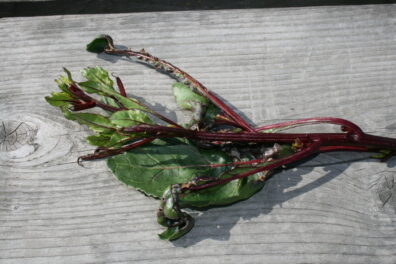
Photo Source: Tim Miller, Washington State University
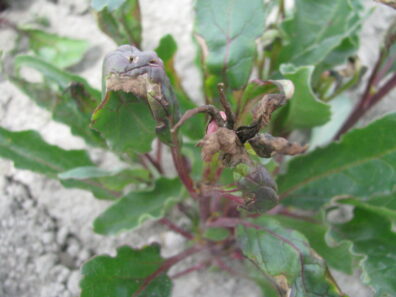
Photo Source: Lindsey du Toit, Washington State University
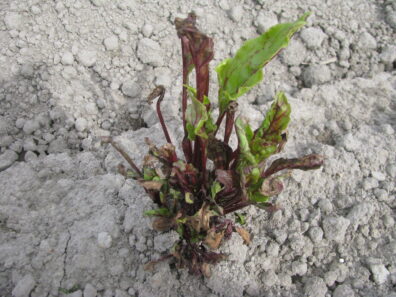
Photo Source: Lindsey du Toit, Washington State University
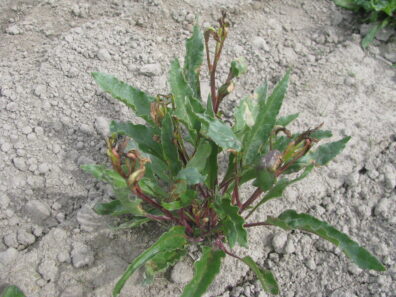
Photo Source: Lindsey du Toit, Washington State University
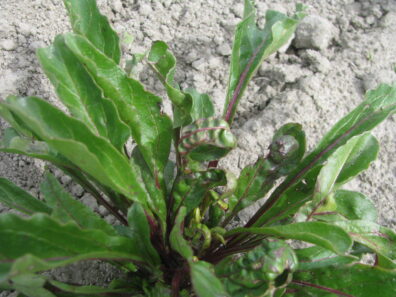
Photo Source: Lindsey du Toit, Washington State University
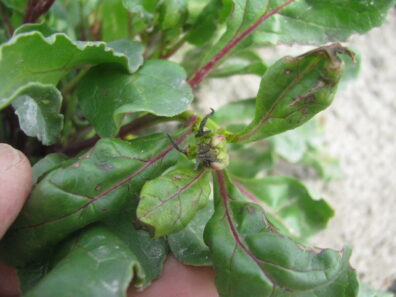
Photo Source: Lindsey du Toit, Washington State University
Online Resources:
- Herbicide Symptoms, University of California, Division of Agriculture and Natural Resources
- Herbicide Modes and Action and Symptoms on Plants (pdf), Richard Smith, Farm Advisor, University of California Cooperative Extension.
If you need the content provided on this site in an alternate format or for further information on the Vegetable Seed Pathology program,
please contact: Lindsey du Toit at dutoit@wsu.edu or at 360-848-6140.