Diseases
Insect/Mite Pests
Abiotic Problems on Bean
(Click on photo to enlarge)
Diseases
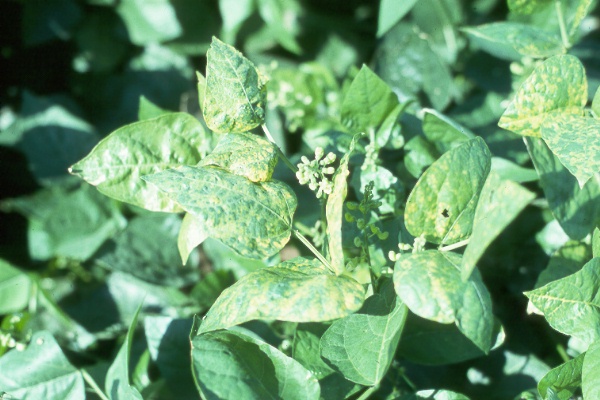
Alfalfa mosaic
Disease: Alfalfa mosaic
Pathogen: Alfalfa mosaic virus
Online Resources:
- Pacific Northwest Plant Disease Management Handbook: Bean, All (Phaseolus vulgaris) – Bean Common Mosaic, Oregon State University.
Alternaria leaf and pod spot
Common name: Alternaria leaf and pod spot
Cause: Alternaria species, including A. alternata (synonym A. tenuis), A. brassicae f. phaseoli, and A. brassicicola.
Host Crops: Various types of bean.
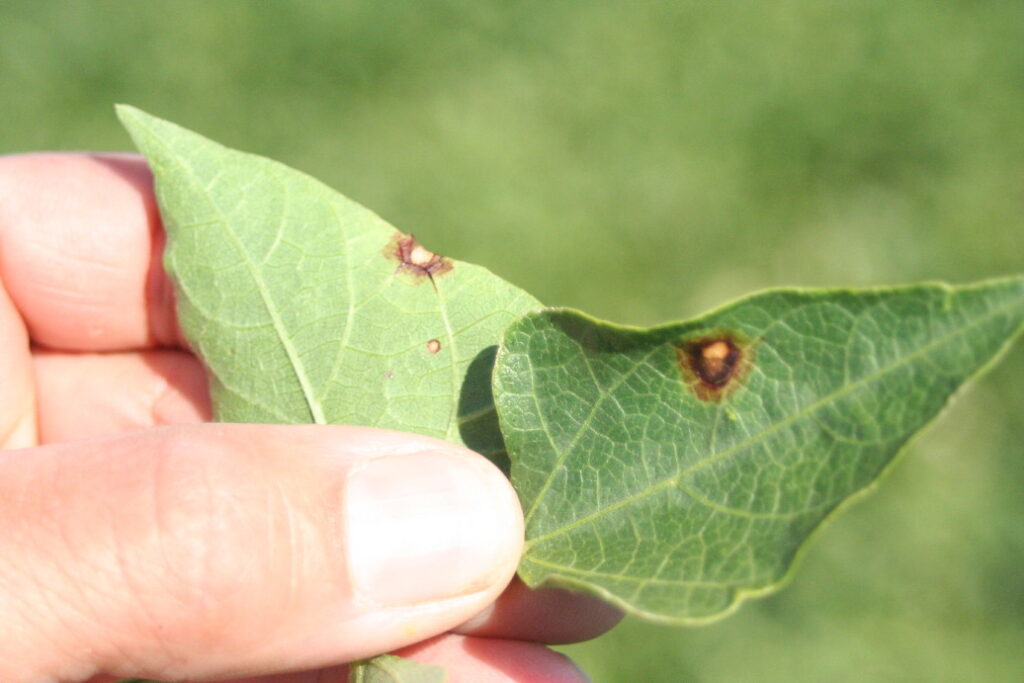
Photo Source: Carrie H. Wohleb, Washington State University Extension
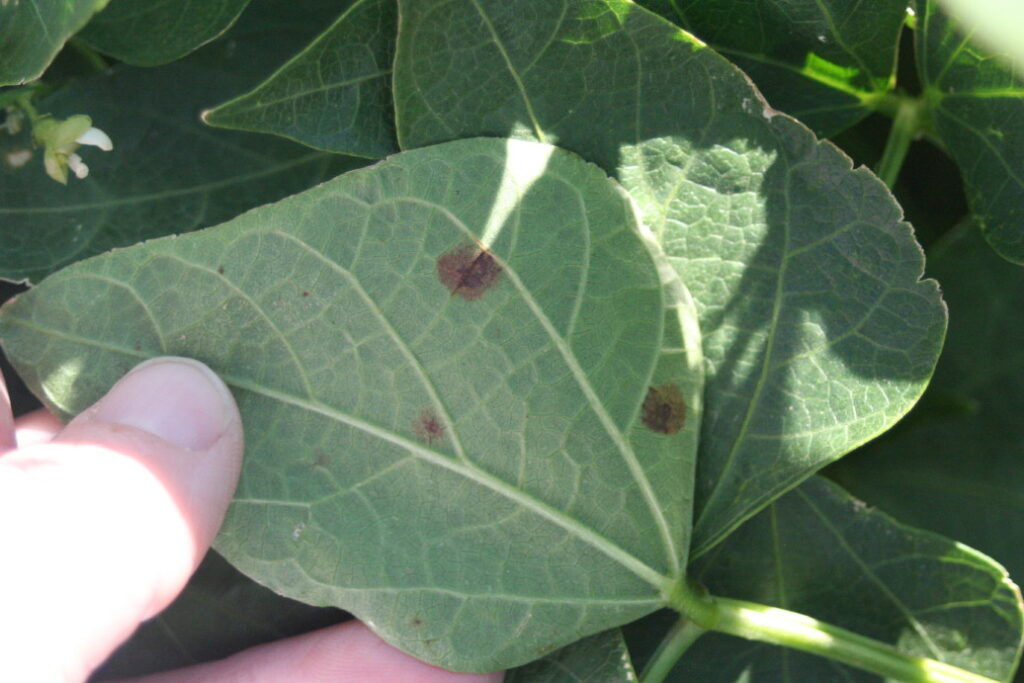
Photo Source: Carrie H. Wohleb, Washington State University Extension
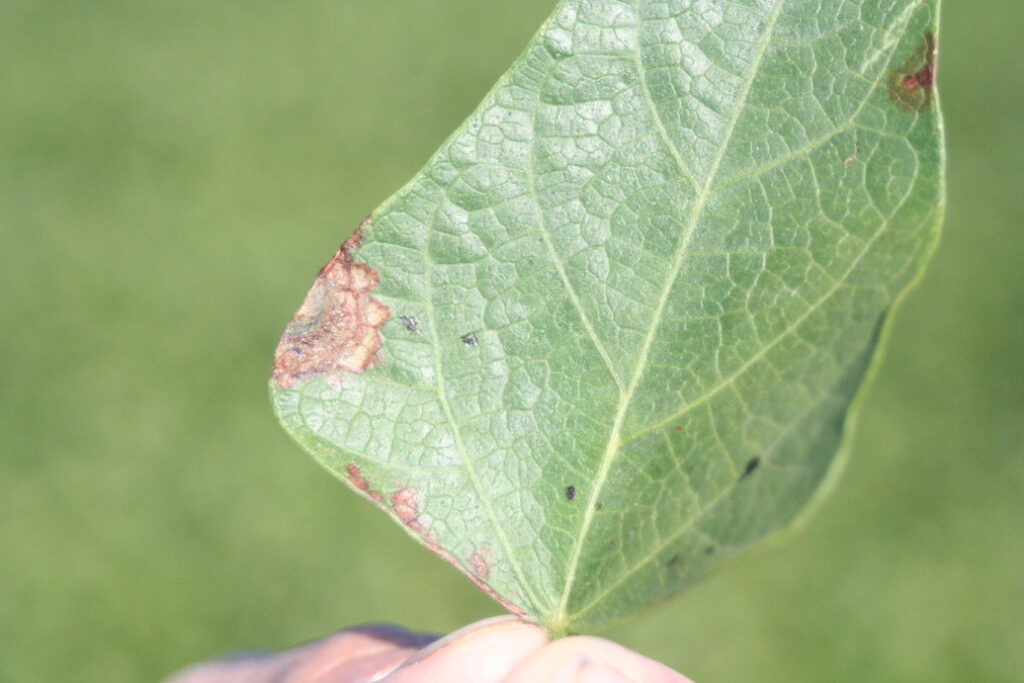
Photo Source: Carrie H. Wohleb, Washington State University Extension
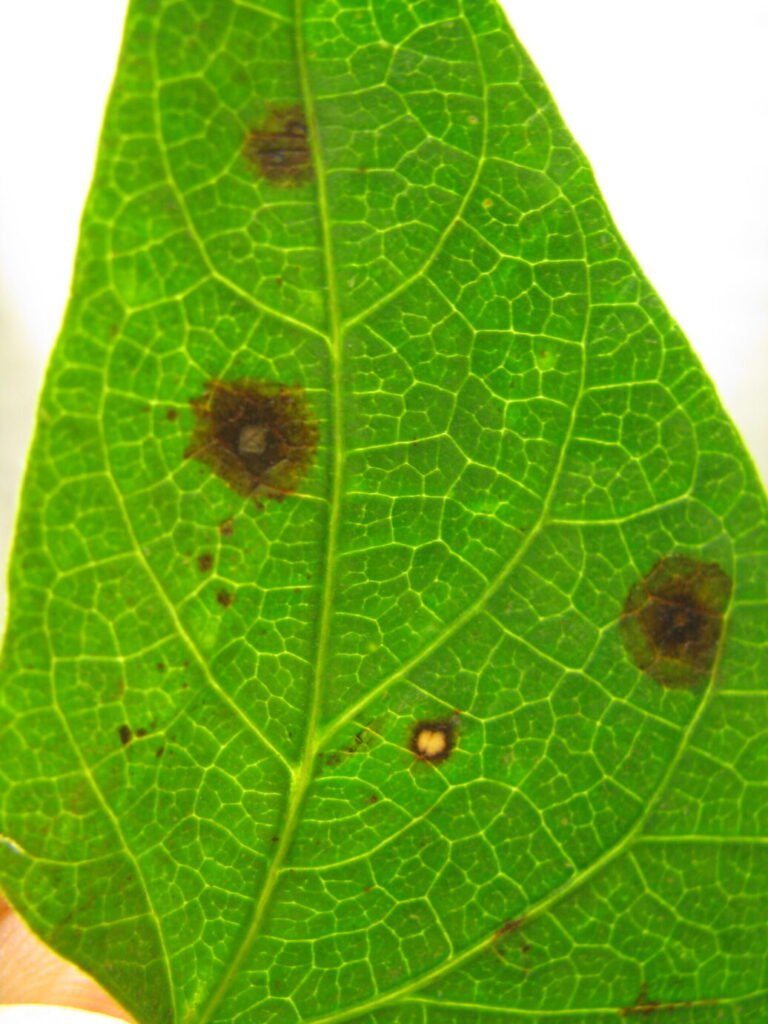
Photo Source: Lindsey du Toit, Washington State University
Online Resources:
- Fungal Leaf Spots, Bean IPM, Legume ipmPIPE Diagnostic Series, H.F. Schwartz (Colorado State University) and S.K.Mohan (University of Idaho).
- Alternaria Leaf and Pod Spot of Snap Bean in Florida, Shouan Zhang, Aaron J. Palmateer, Ken Pernezny, and R. T. McMillan, Jr., U.S. Department of Agriculture, UF/IFAS Extension Service, University of Florida, IFAS, Florida A & M University Cooperative Extension Program, and Boards of County Commissioners Cooperating. Nick T. Place, dean for UF/IFAS Extension.
- Alternaria leaf spot of faba beans, Grains Research and Development Corp., State Government of Victoria, AU.
Anthracnose
Disease: Anthracnose
Pathogen: Colletotrichum lindemuthianum

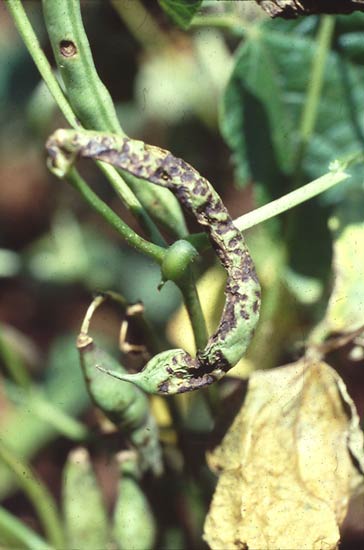

Photo Source: Brook Brouwer, Washington State University
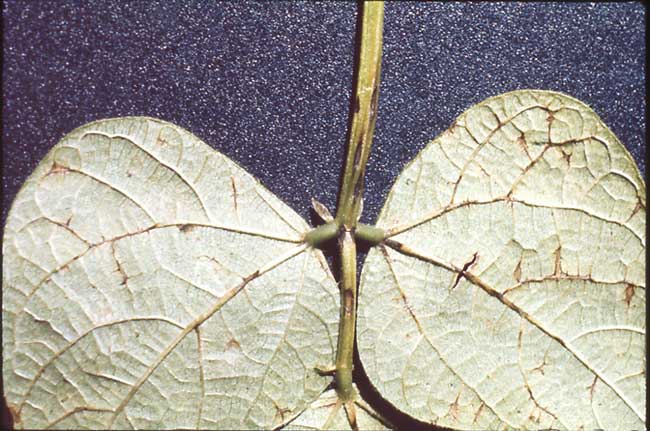
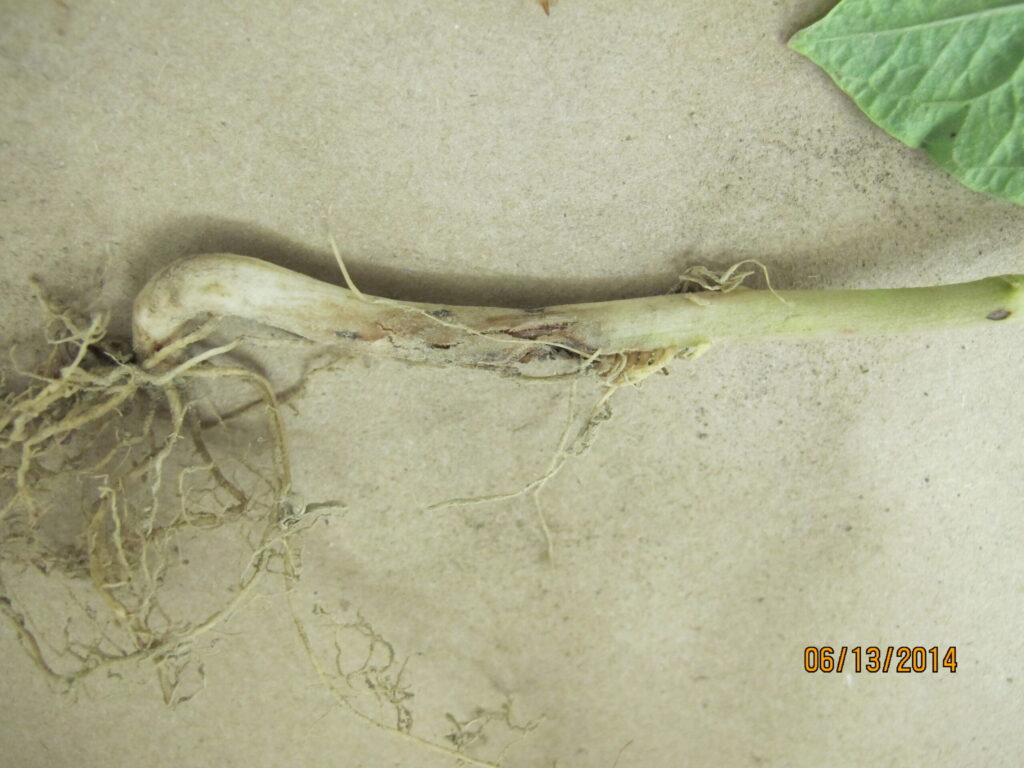

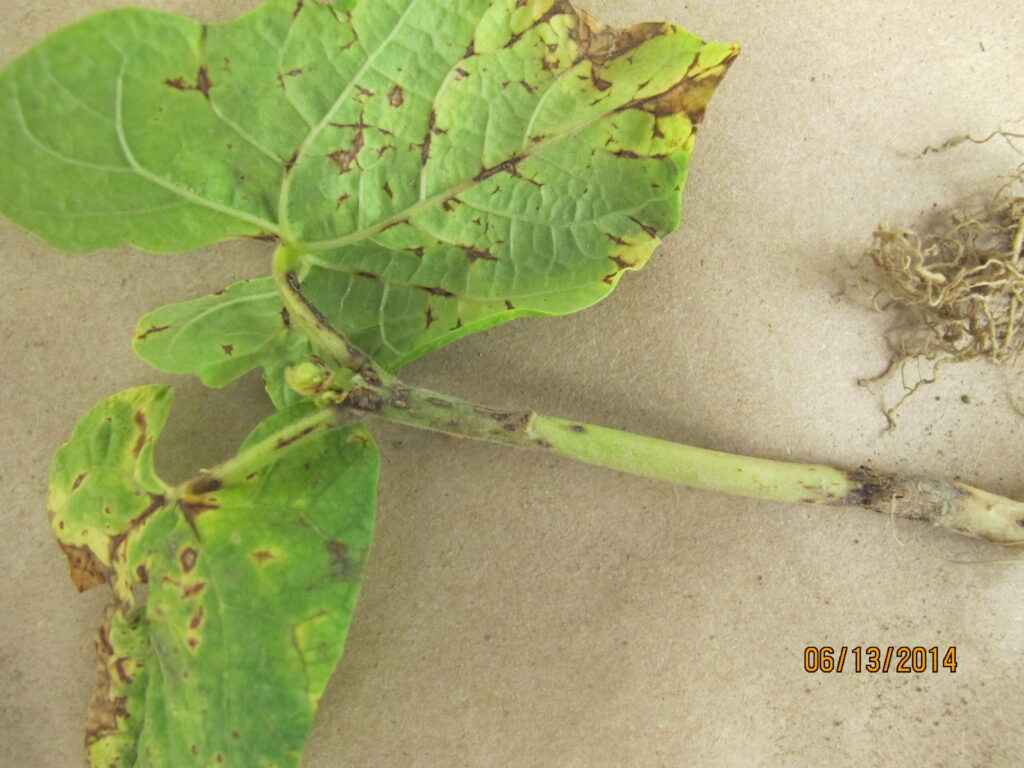
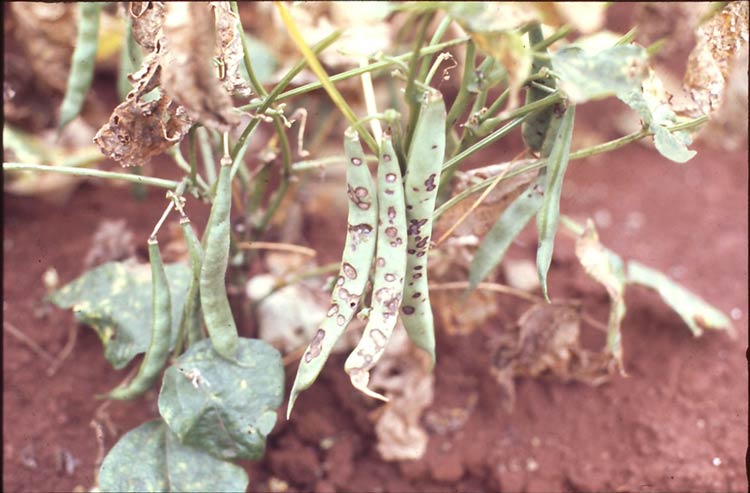
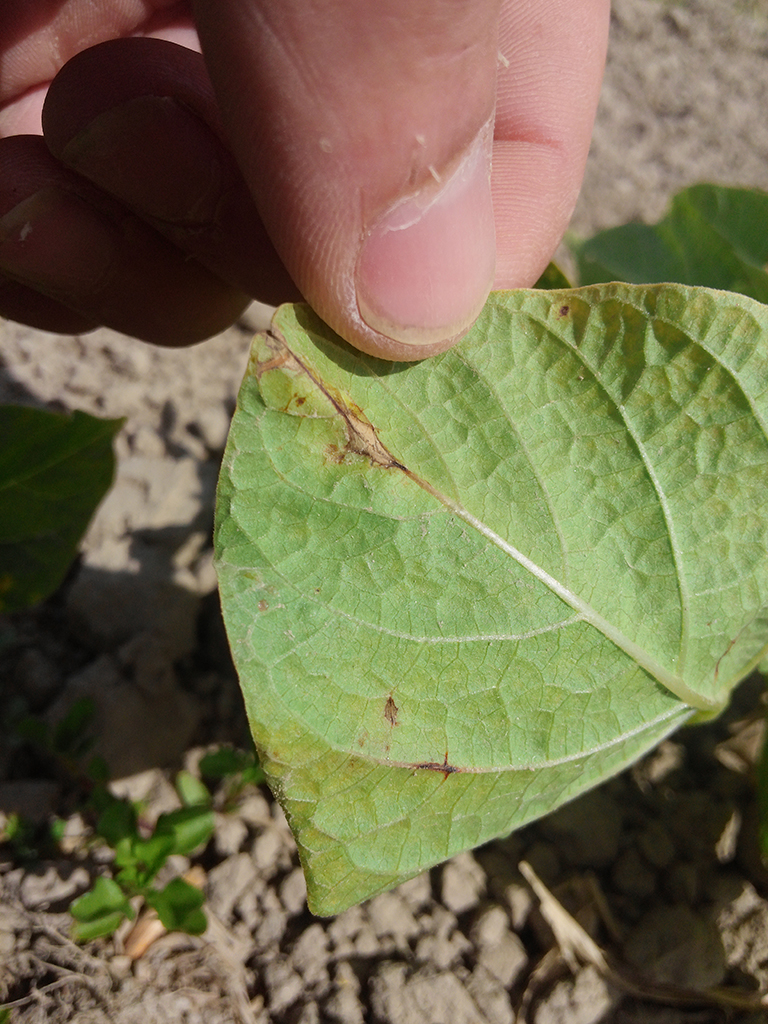
Photo Source: Brook Brouwer, Washington State University
On-Line Resources:
- Vegetable MD Online: Bean Anthracnose, Cornell University.
Bacterial brown spot
Disease: Bacterial brown spot
Pathogens: Pseudomonas syringae pv. syringae
Host crops: Bean crops (including snap beans, lima beans, and dry beans), vetch, and several leguminous weeds. Lima beans are more susceptible than snap green beans. Strains of P. syringae that infect fruit crops do not cause brown spot on bean. The pathogen can be seedborne in bean.
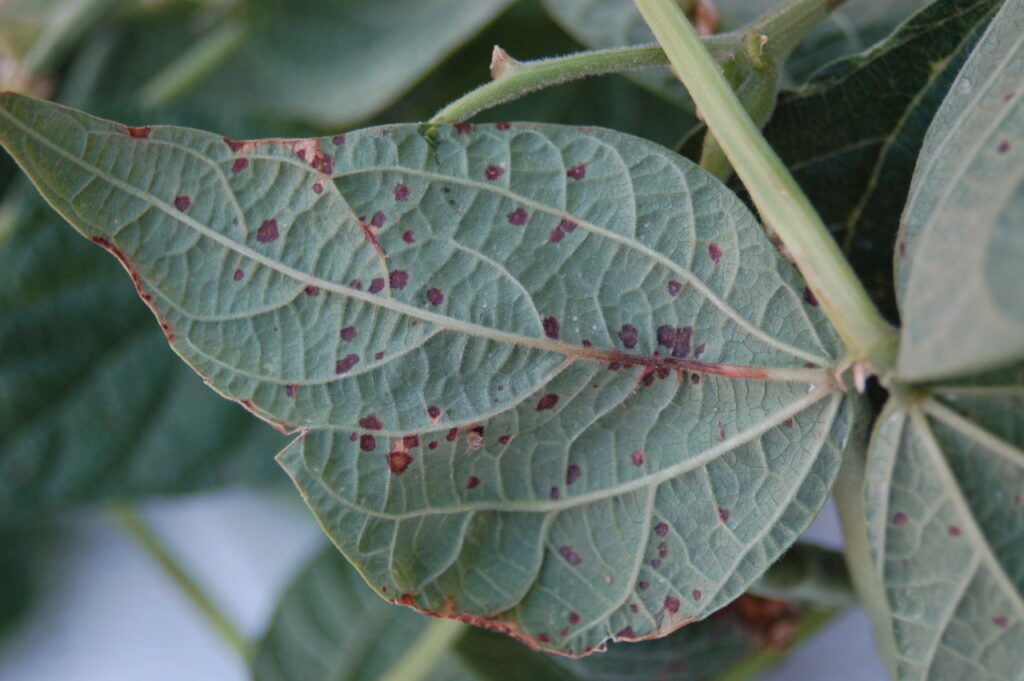
Photo Source: Lyndon Porter, USDA ARS plant pathologist
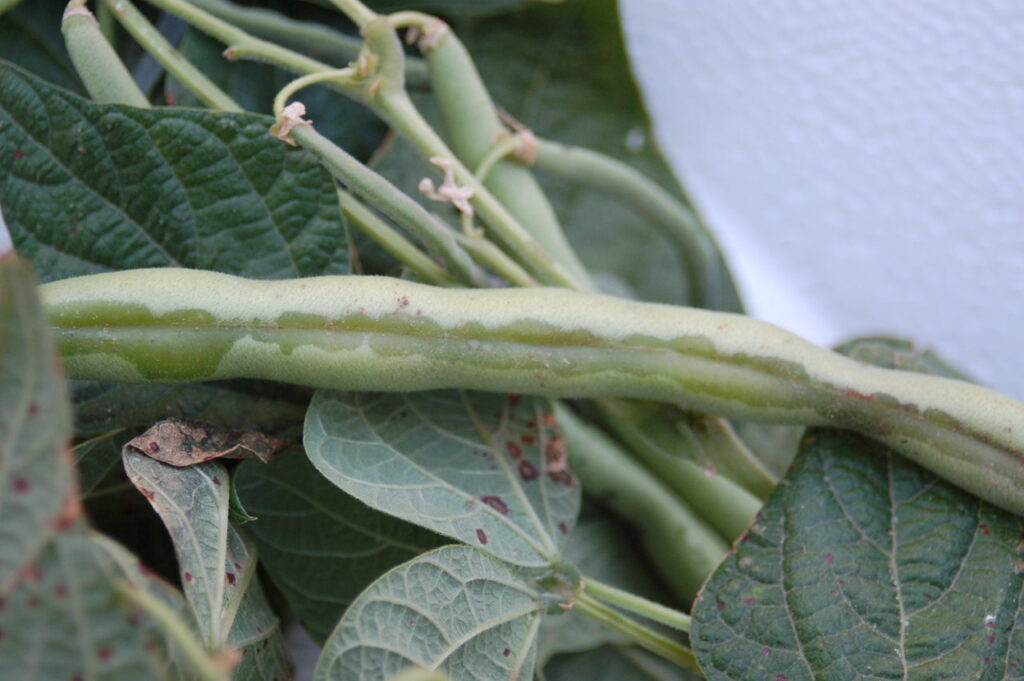
Photo Source: Lyndon Porter, USDA ARS plant pathologist
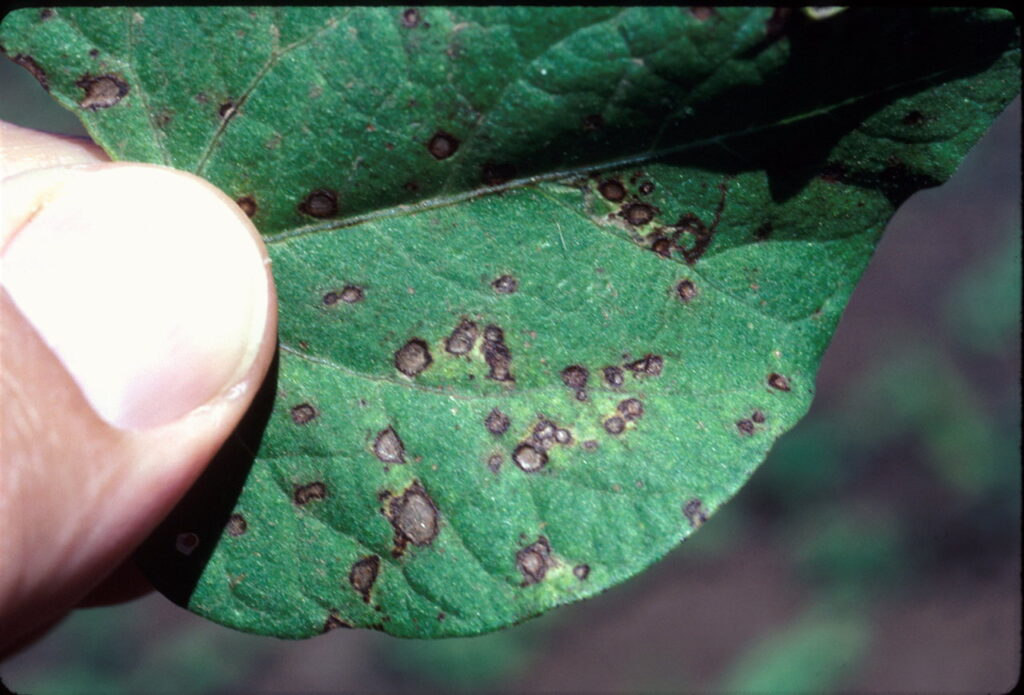
Photo Source: Phil Miklas, USDA ARS bean breeder
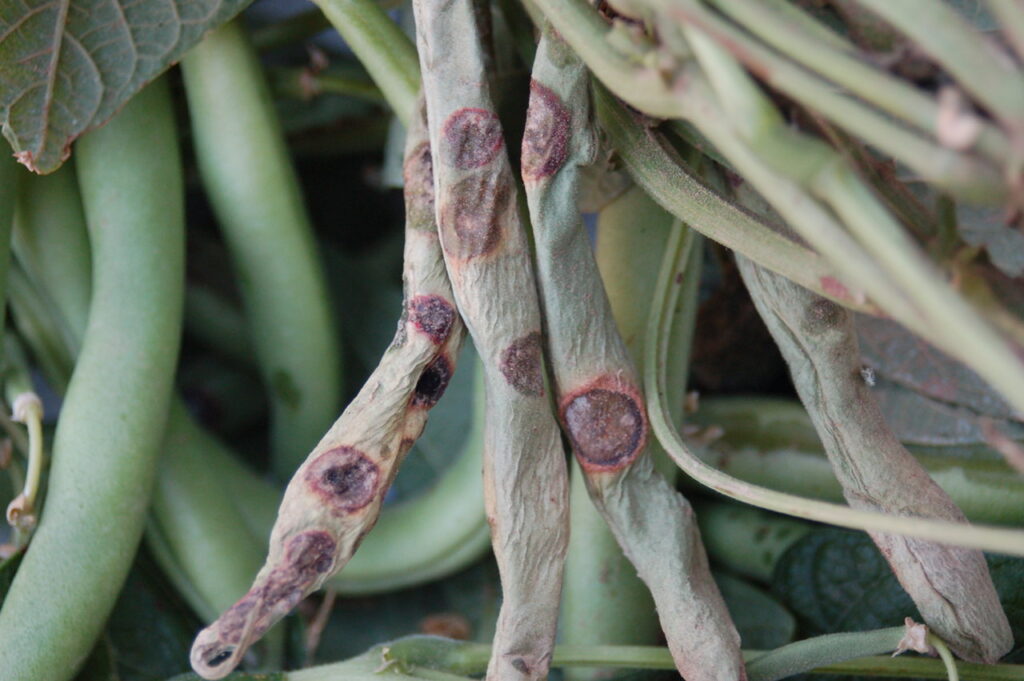
Photo Source: Lyndon Porter, USDA ARS plant pathologist
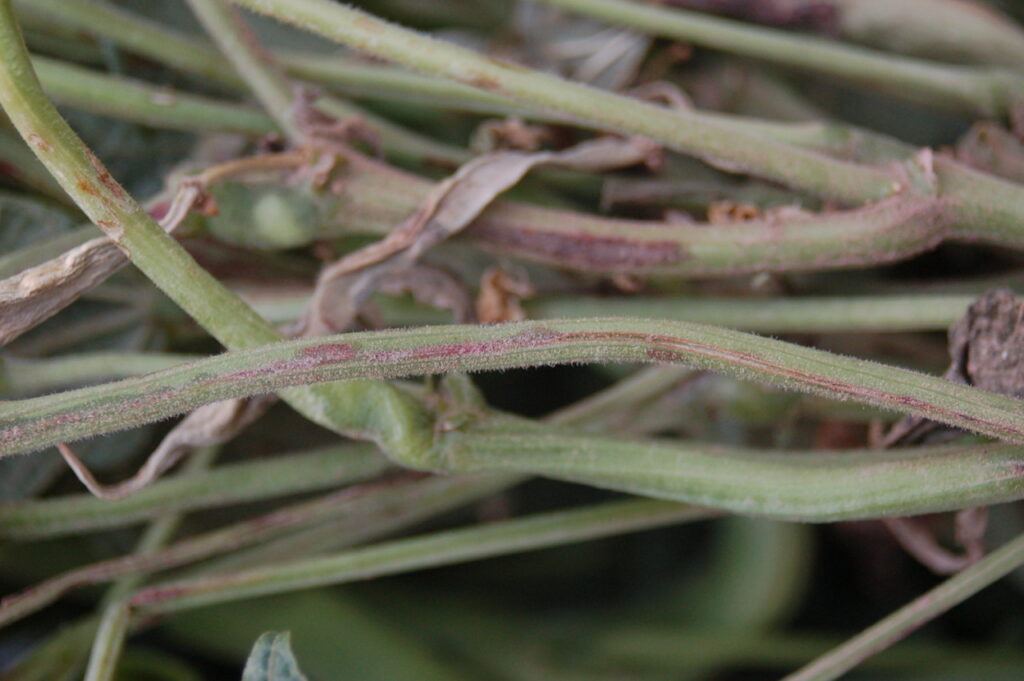
Photo Source: Lyndon Porter, USDA ARS plant pathologist
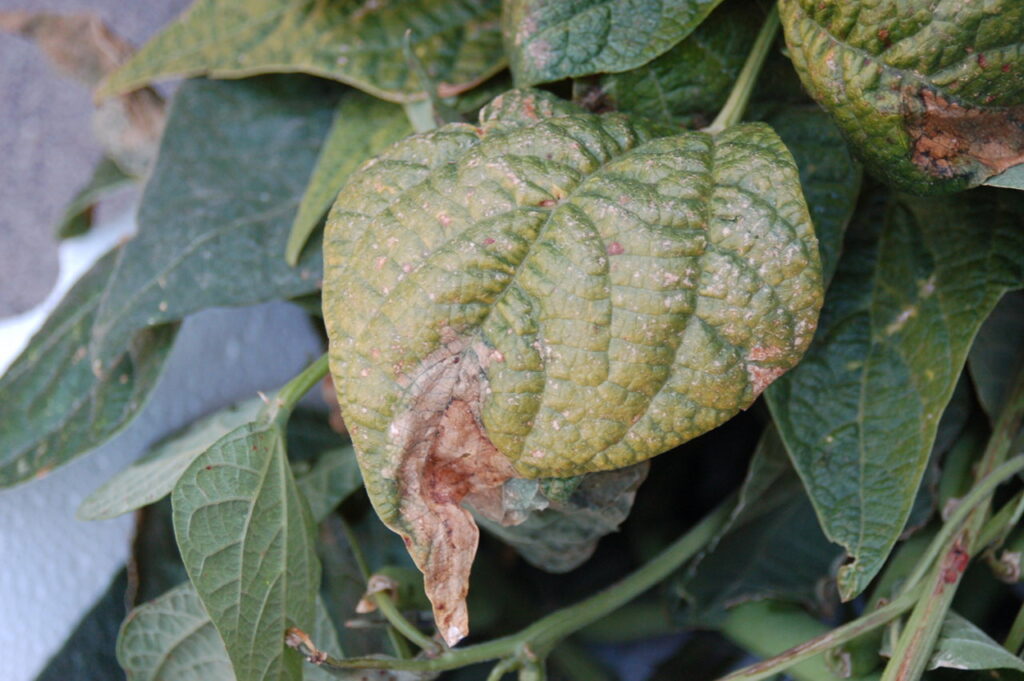
Photo Source: Lyndon Porter, USDA ARS plant pathologist
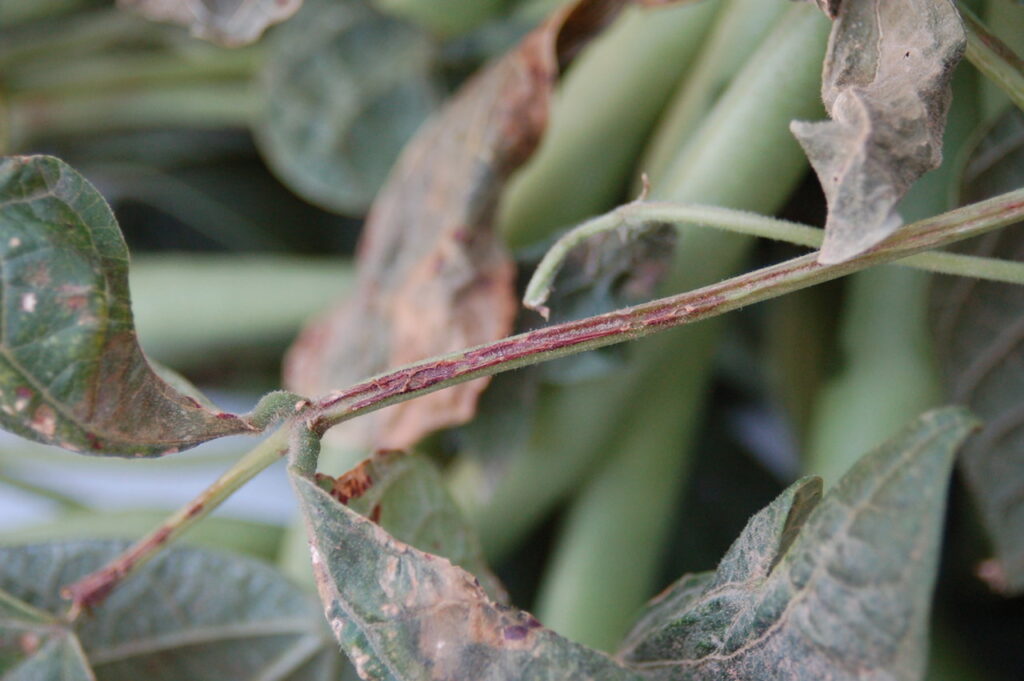
Photo Source: Lyndon Porter, USDA ARS plant pathologist
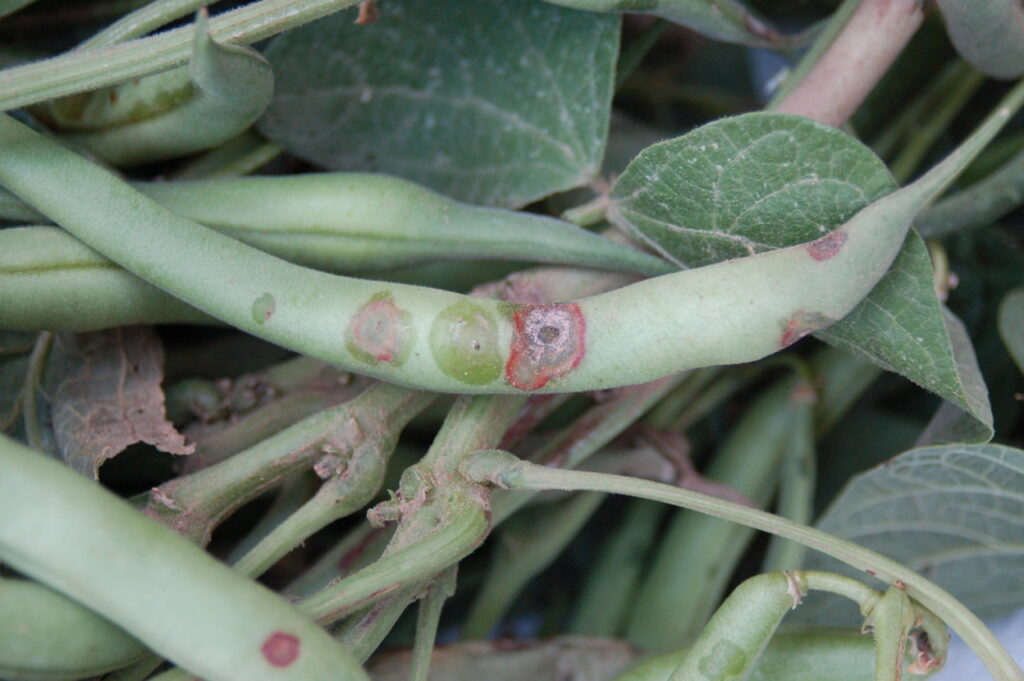
Photo Source: Lyndon Porter, USDA ARS plant pathologist
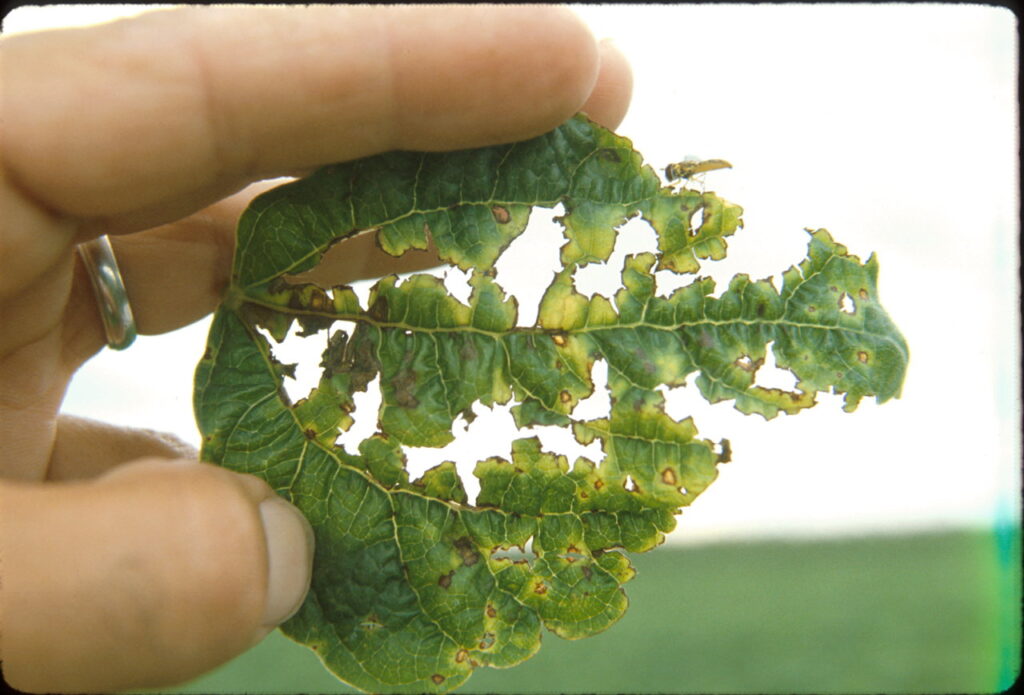
Photo Source: Phil Miklas, USDA ARS bean breeder
Online Resources:
- Bacterial Brown Spot, PNW Plant Disease Management Handbook, a Pacific Northwest Extension Publication.
- Bacterial Diseases of Beans, Fact Sheet Page 729.50, Date: 10-1991, Cornel University Vegetable MD On-line.
- Bacterial Brown Spot, How to Manage Pests, University of California Inetgrated Pest Management Guidelines.
- Bacterial Diseases of Dry Edible Beans in the Central High Plains, Plant Management Network.
Bean common mosaic
Disease: Bean common mosaic
Pathogen: Bean common mosaic virus (BCMV)
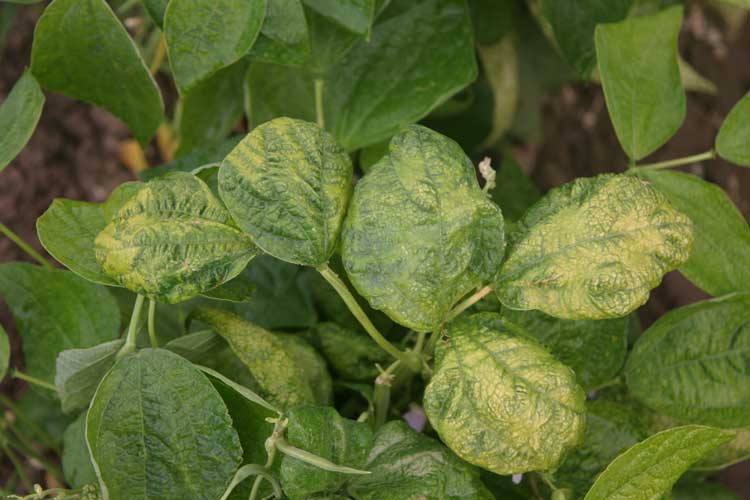
Photo Source: Krishna Mohan, University of Idaho
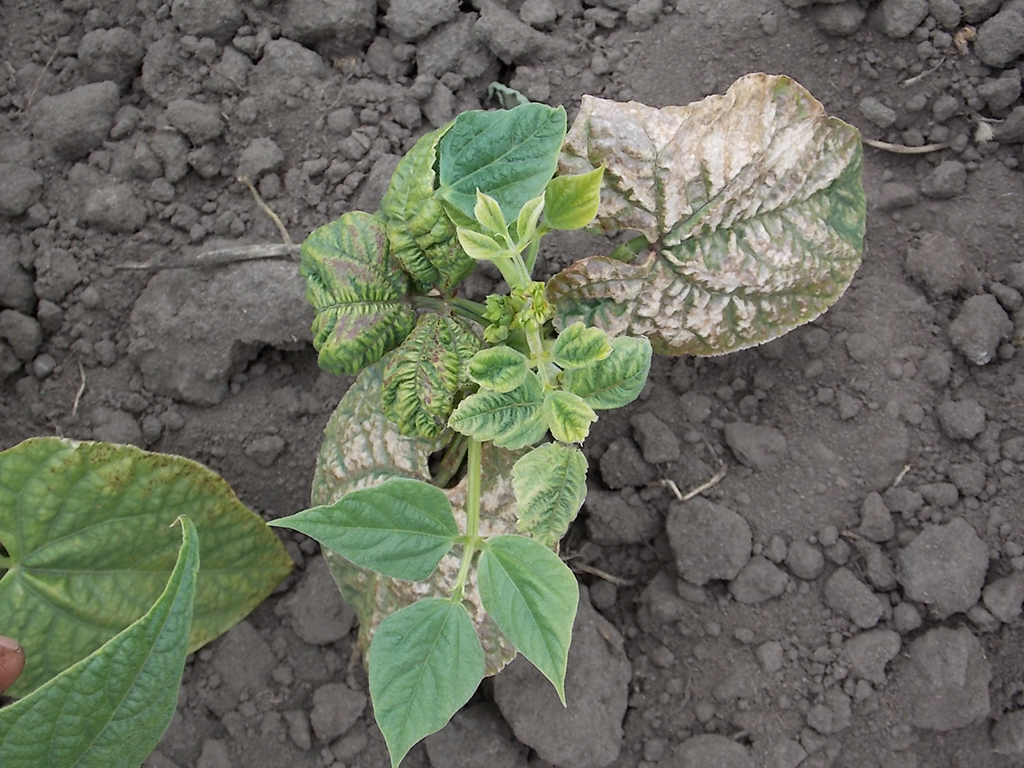
Photo Source: Brook Brouwer, Washington State University
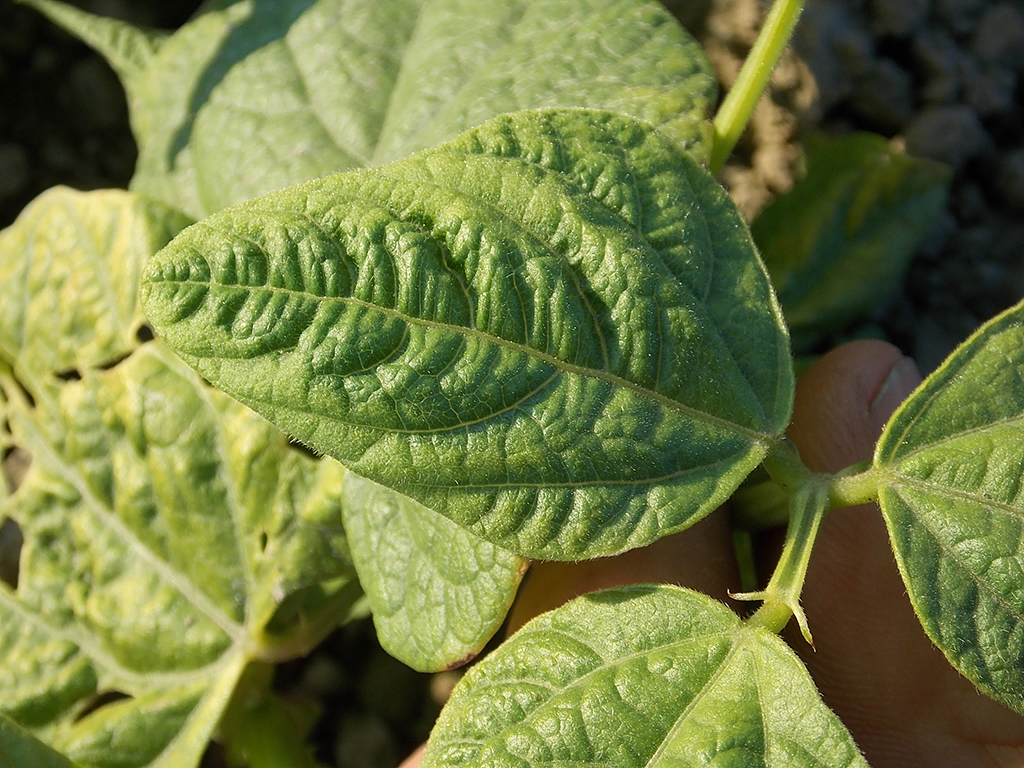
Photo Source: Brook Brouwer, Washington State University
Online Resources:
- Pacific Northwest Plant Disease Management Handbook: Bean, All (Phaseolus vulgaris) – Bean Common Mosaic.
Common bacterial blight
Disease: Common bacterial blight
Pathogen: Xanthomonas axonopodis pv. phaseoli
Host crops: Edible beans crops and bean seed crops (including snap beans, lima beans, and dry beans)

Photo Source: Howard F. Schwartz, Colorado State University

Photo Source: Howard F. Schwartz, Colorado State University

Photo Source: Howard F. Schwartz, Colorado State University
On-Line Resources:
- Common Bacterial Blight and Halo Blight: Two Bacterial Diseases of Phytosanitary Significance for Bean Crops in Washington State, Washington State University Extension Fact Sheet.
- Pacific Northwest Plant Disease Management Handbook: Bean, All (Phaseolus vulgaris) – Common Bacterial Blight {Common Blight}.
Curly top
Disease: Curly top
Pathogen: Beet curly top virus (BCTV), vectored by the beet leafhopper Circulifer tenellus
Host crops: Numerous plant species including many vegetables such as bean, beet, carrot, eggplant,
coriander, pepper, potato, tomato, various cucurbits such as squash, cucumber, pumpkin, watermelon, etc.
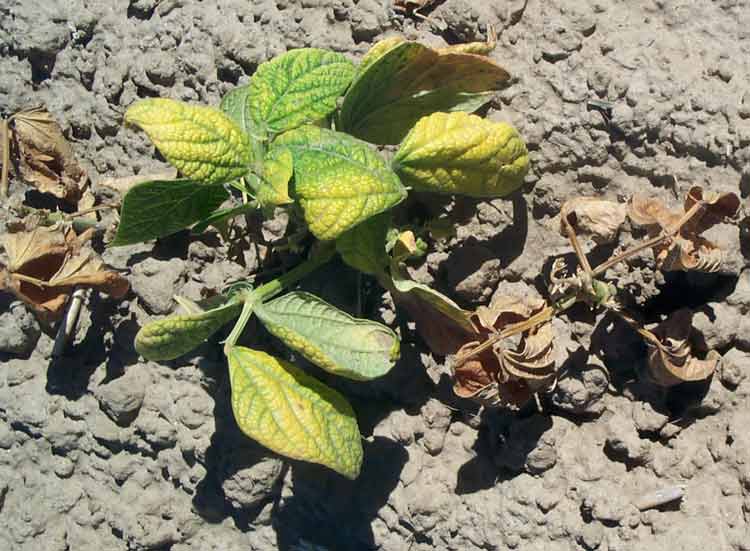
Photo Source: Phil Hamm
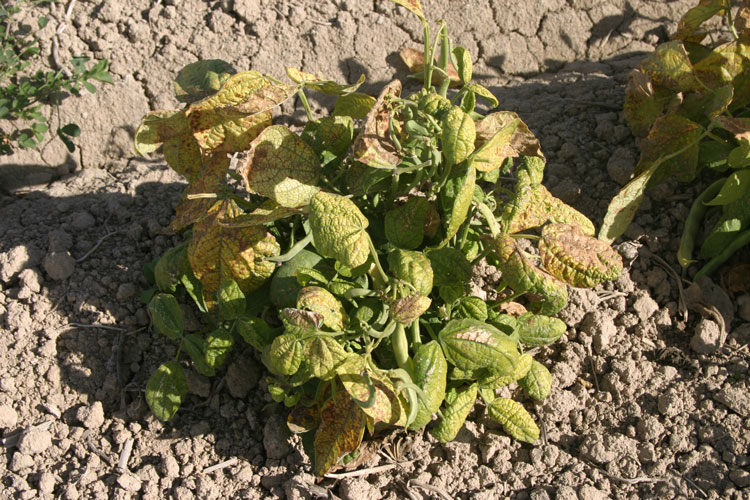
Photo Source: Krishna Mohan, University of Idaho
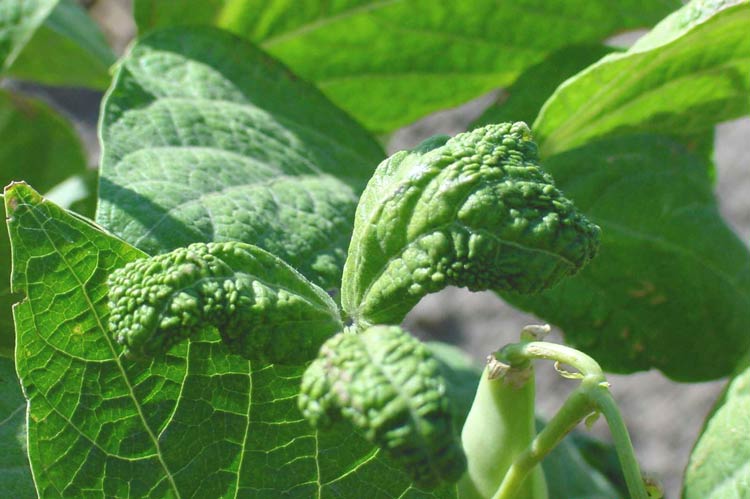
Photo Source: Lindsey J. du Toit
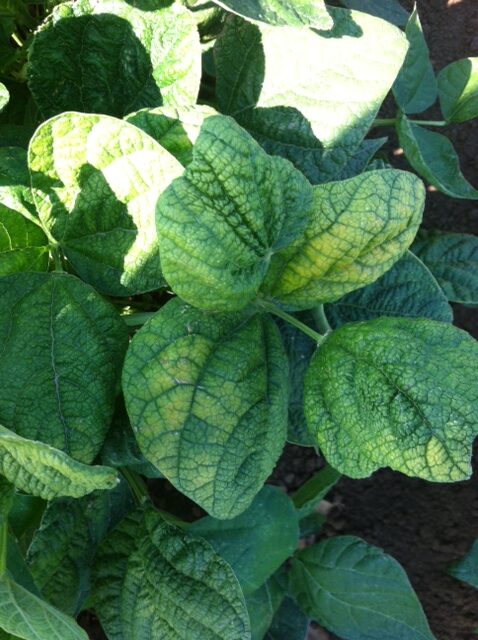
Photo Source: Carrie Wohleb, Washington State University
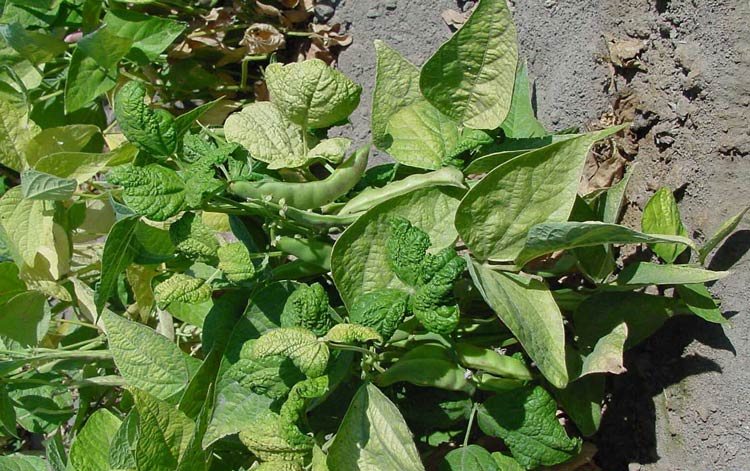
Photo Source: Lindsey J. du Toit
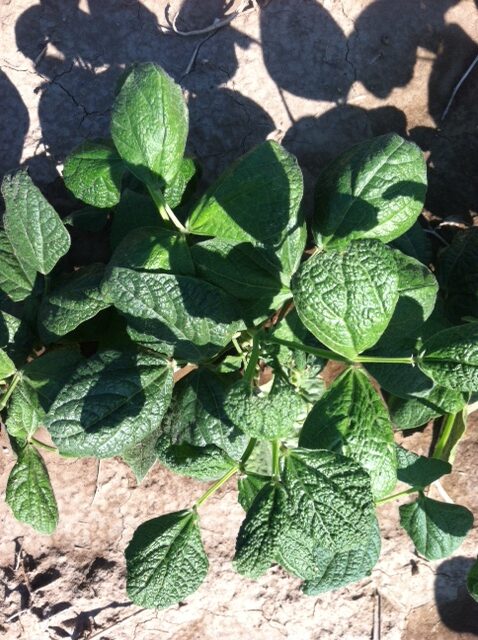
Photo Source: Carrie Wohleb, Washington State University
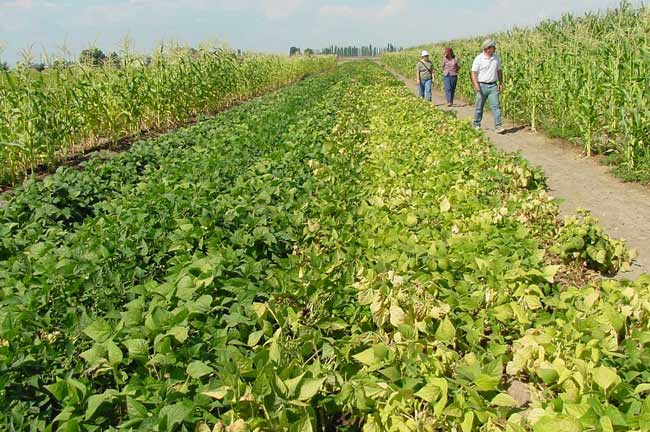
Photo Source: Lindsey J. du Toit
On-Line Resources:
- Pacific Northwest Plant Disease Management Handbook: Bean, All (Phaseolus vulgaris) – Curly Top.
- Curly Top Disease of Tomato, Plant Management Network International.
Fusarium root rot
Disease: Fusarium root rot
Pathogen: Fusarium solani
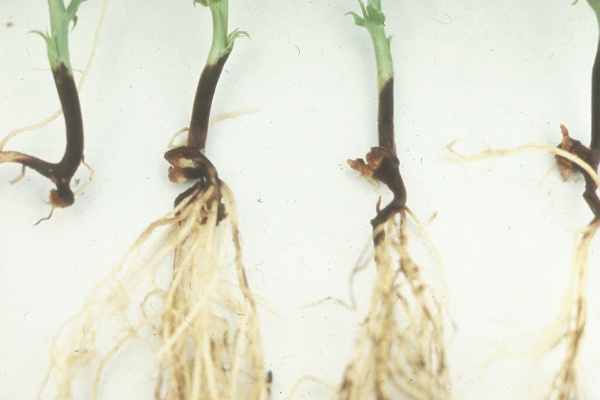
On-Line Resources:
- Pacific Northwest Plant Disease Management Handbook: Bean, Snap (Phaseolus vulgaris) – Fusarium Root Rot.
- Bean: Fusarium root rot, Washington State University Hortsense.
Gray mold
Disease: Gray mold
Pathogen: Botrytis cinerea
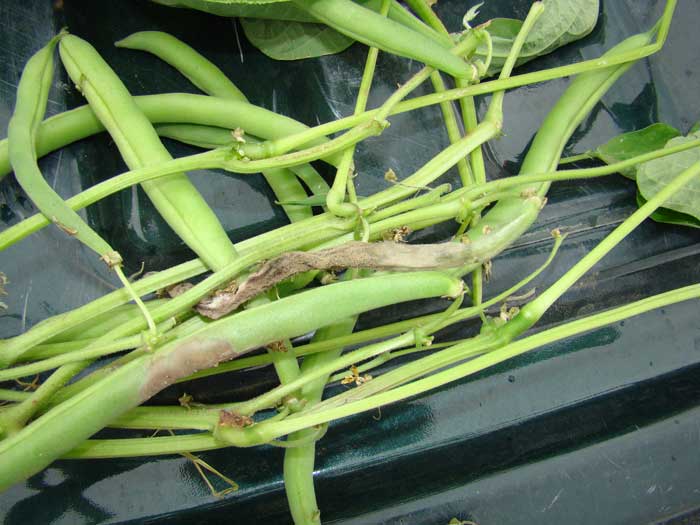
Photo Source: Carrie H. Wohleb
On-Line Resources:
- Pacific Northwest Plant Disease Management Handbook: Bean, Snap (Phaseolus vulgaris) – Gray Mold.
- Pacific Northwest Plant Disease Management Handbook: Bean, Lima Phaseolus lunatas – Gray Mold.
Halo blight
Disease: Halo blight
Pathogen: Pseudomonas syringae pv. phaseolicola
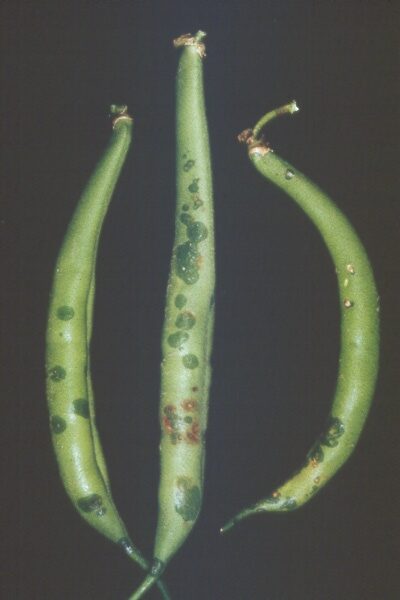
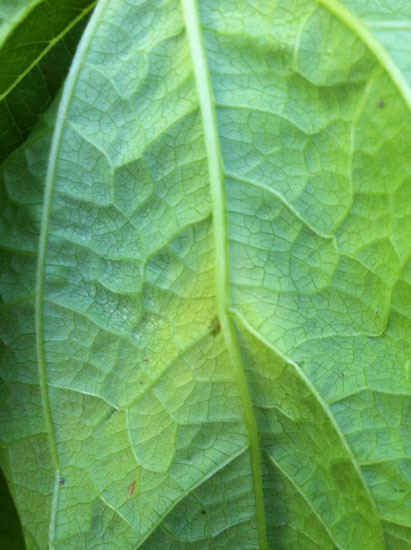
Photo Source: Carrie Wohleb, WSU Extension Educator, Grant and Adams Counties
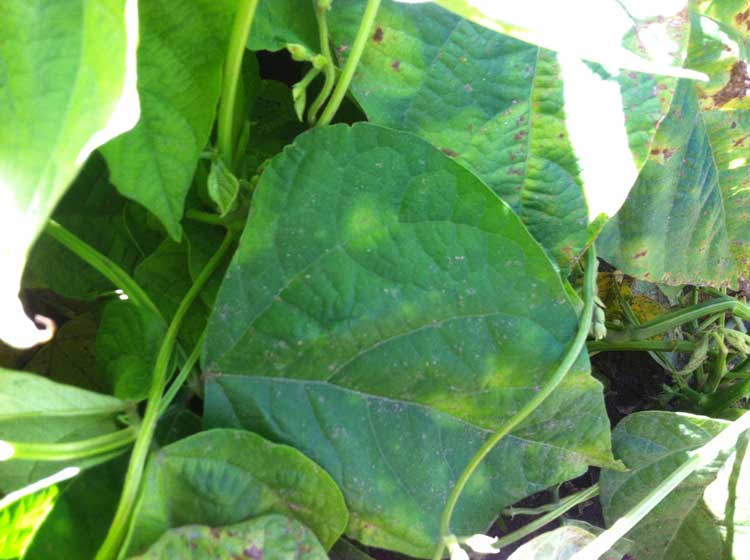
Photo Source: Carrie Wohleb, WSU Extension Educator, Grant and Adams Counties
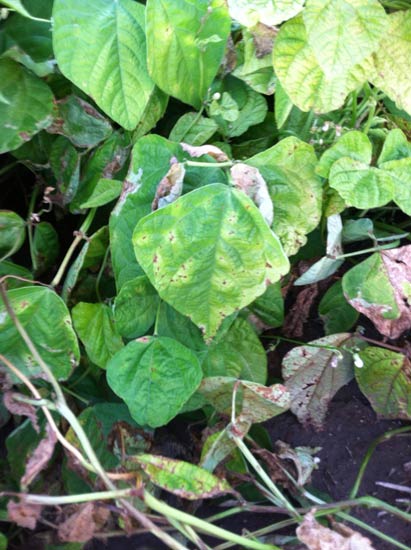
Photo Source: Carrie Wohleb, WSU Extension Educator, Grant and Adams Counties
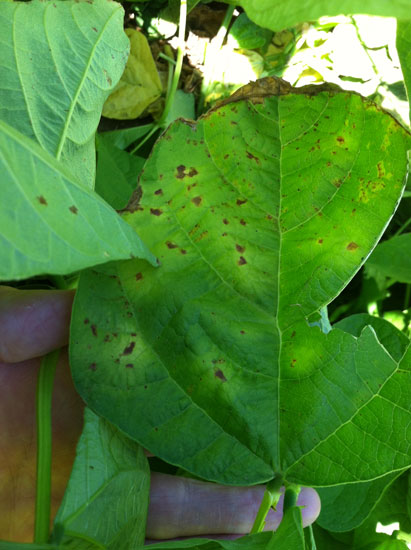
Photo Source: Carrie Wohleb, WSU Extension Educator, Grant and Adams Counties
On-Line Resources:
- Common Bacterial Blight and Halo Blight: Two Bacterial Diseases of Phytosanitary Significance for Bean Crops in Washington State, Washington State University Extension Fact Sheet.
- Halo Blight of Beans (pdf), Identification & Management of Emerging Vegetable Problems in the Pacific Northwest. Pacific Northwest Vegetable Extension Group.
- Pacific Northwest Plant Disease Management Handbook: Bean, All (Phaseolus vulgaris) – Halo Blight.
Pythium blight
Disease: Pythium blight (also known as cottony leak or Pythium leak)
Pathogen: Pythium species
Host Crops: When bean plants are under excessive irrigation, or during cool and/or prolonged periods of moist conditions, Pythium spp. may colonize the stems, branches, and even pods of bean plants, resulting in a water-soaked rot of the affected tissues, accompanied by fluffy, white, aerial mycelium of the pathogen. The disease may be mistaken for early stages of white mold caused by Sclerotinia sclerotiorum, but microscopic examination readily enables differentiation of the two diseases/pathogens.
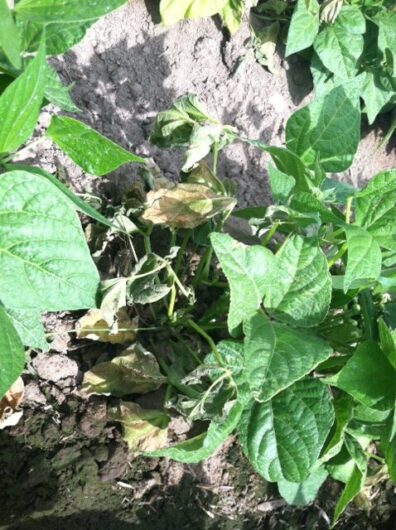
Photo Source: Carrie H. Wohleb, Washington State University
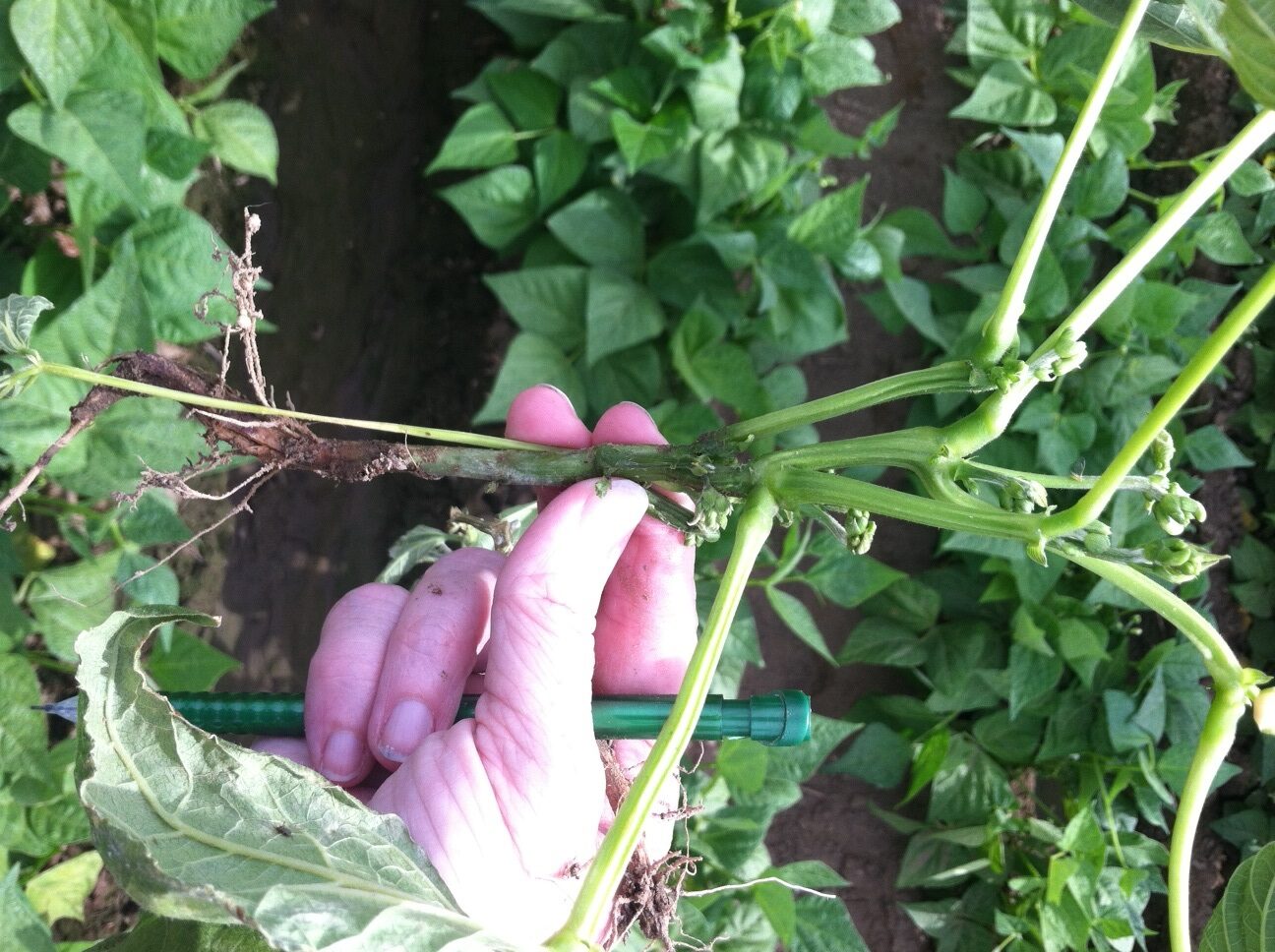
Photo Source: Carrie H. Wohleb, Washington State University
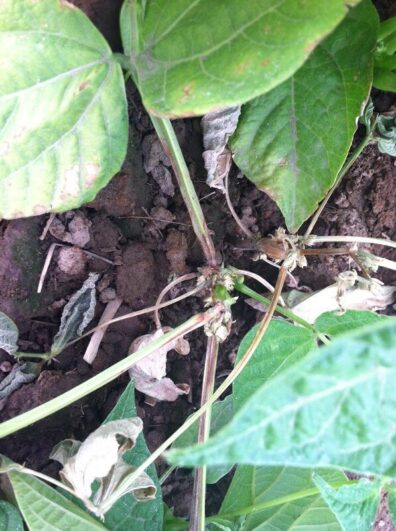
Photo Source: Carrie H. Wohleb, Washington State University
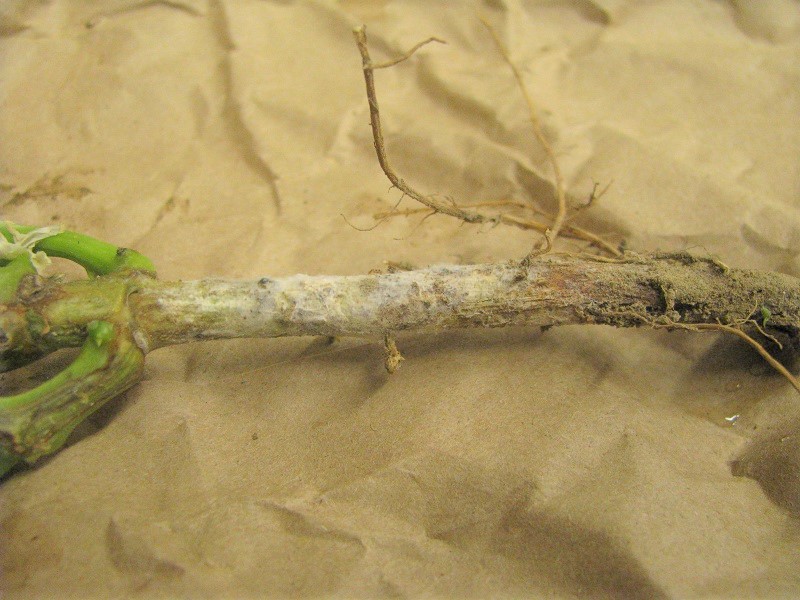
Photo Source: Lindsey J. du Toit, Washington State University
Online Resources:
- Bean, Dry (Phaseolus vulgaris)-Pythium Diseases {Pythium Blight}, Pacific Northwest Plant Disease Handbook.
- Cultivar and Fungicide Effects on Pythium Leak of Snap Bean, Plant Health Progress, Plant Management Network.
Pythium root rot
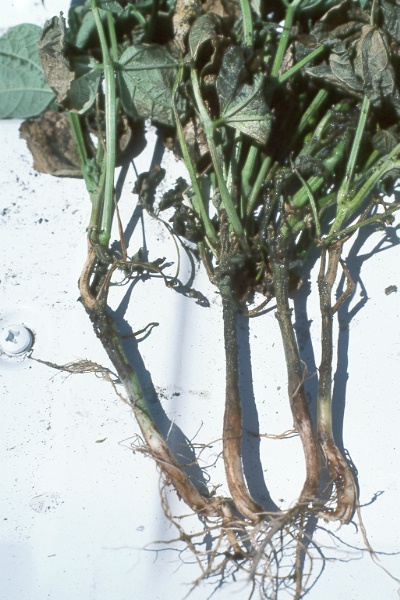
Disease: Pythium root rot
Pathogen: Pythium species
On-Line Resources:
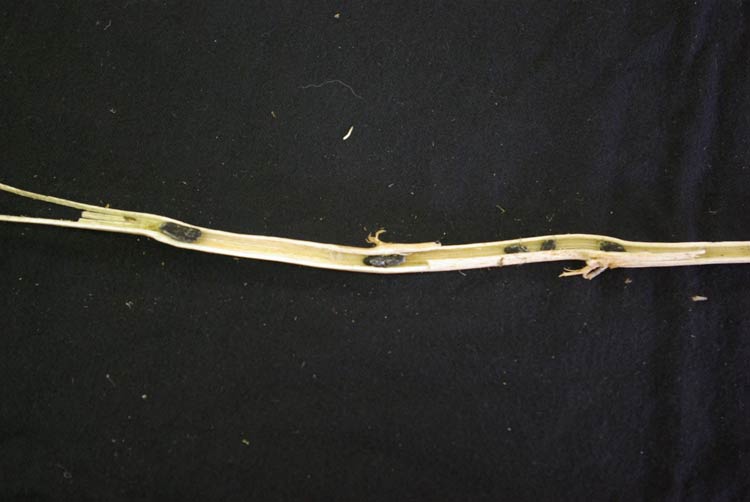
White mold
Disease: White mold
Pathogen: Sclerotinia sclerotiorum
Host crops: Bean, various brassica vegetables, carrot, eggplant, lettuce, potato, tomato, etc.
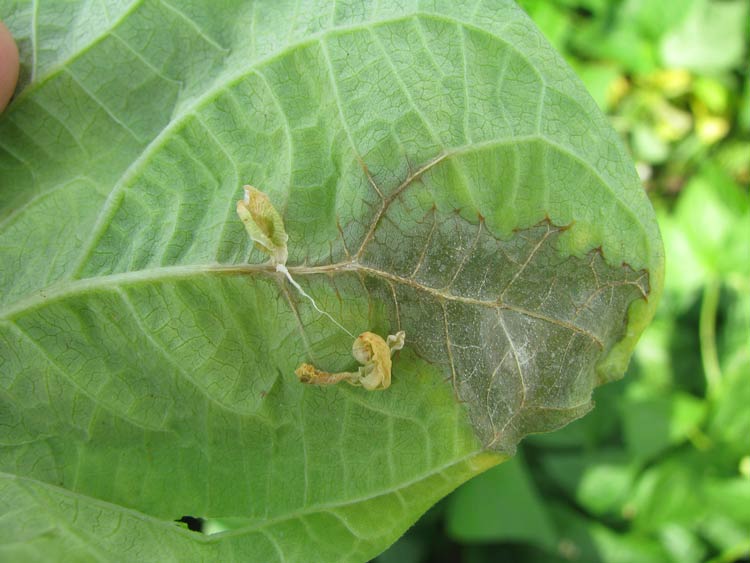
Photo Source: Lindsey du Toit
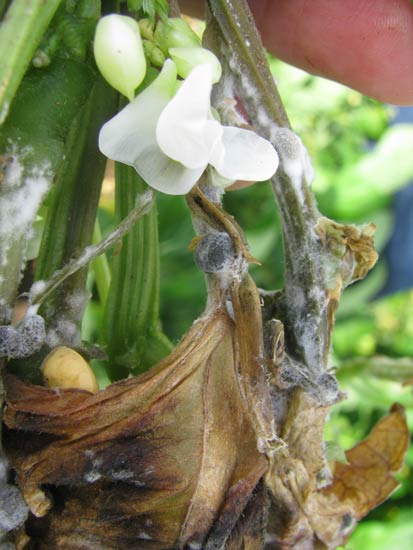
Photo Source: Lindsey du Toit
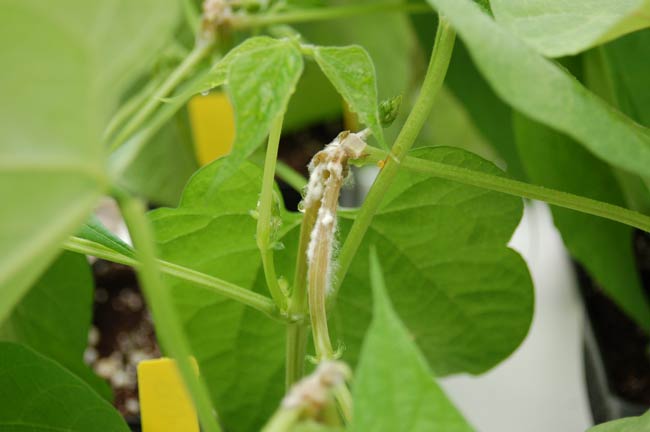
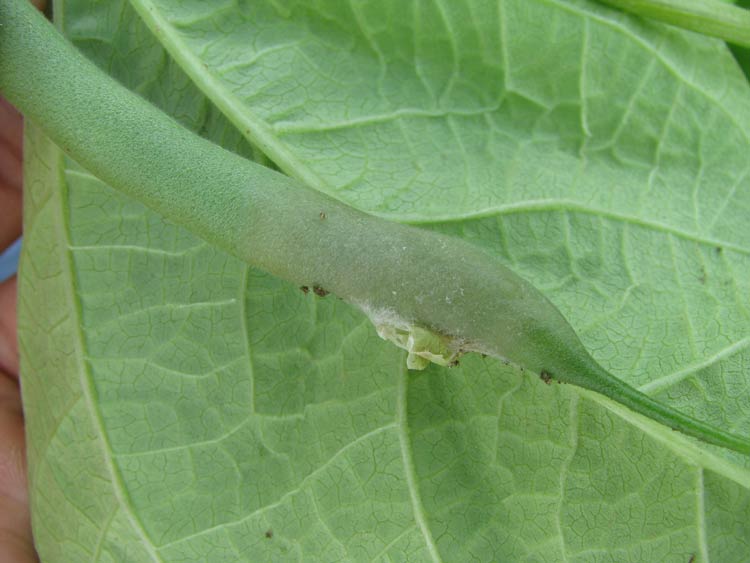
Photo Source: Lindsey du Toit
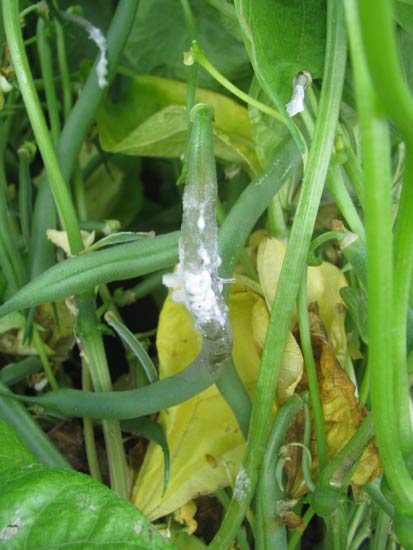
Photo Source: Lindsey du Toit
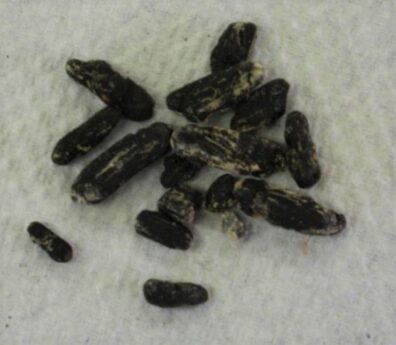
Photo Source: Jordan Eggers
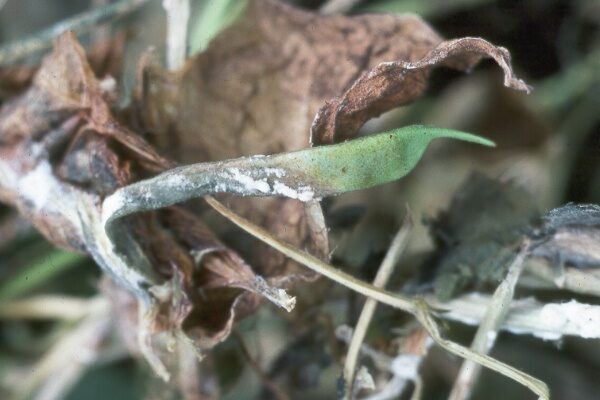
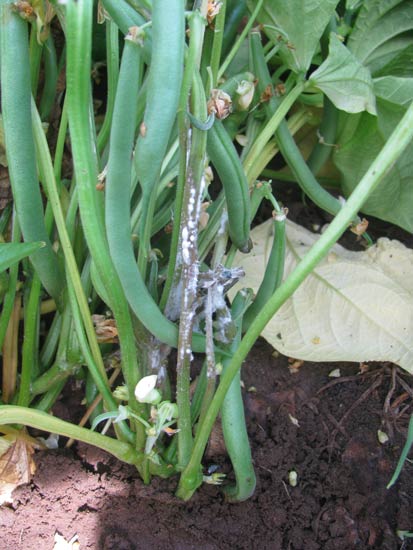
Photo Source: Lindsey du Toit
On-Line Resources:
- Pacific Northwest Plant Disease Management Handbook: Bean, Snap (Phaseolus vulgaris) – White Mold {Sclerotinia Rot}.
- Bean: White mold (Sclerotinia rot). Washington State University Hortsense.
- See Diseases, pests, and other problems common to many vegetables: White mold.
Insect/Mite Pests
Seedcorn maggot
Disease: Seedcorn maggot
Pathogen: Delia platura
Host Crops: Many vegetable crops including snap, kidney, and lima beans, onion, corn, turnip, pea, cabbage, and cucurbits. They cause the most damage in spring to newly emerging seedlings.
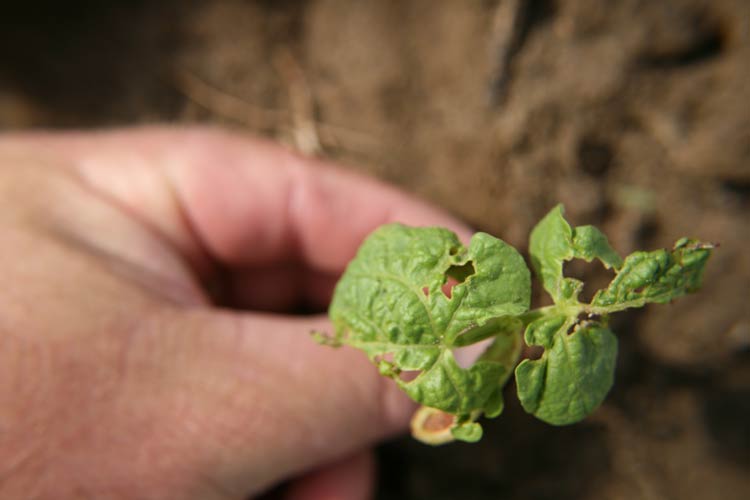
Photo Source: Tim Waters, WSU Extension Educator for Benton and Franklin Counties
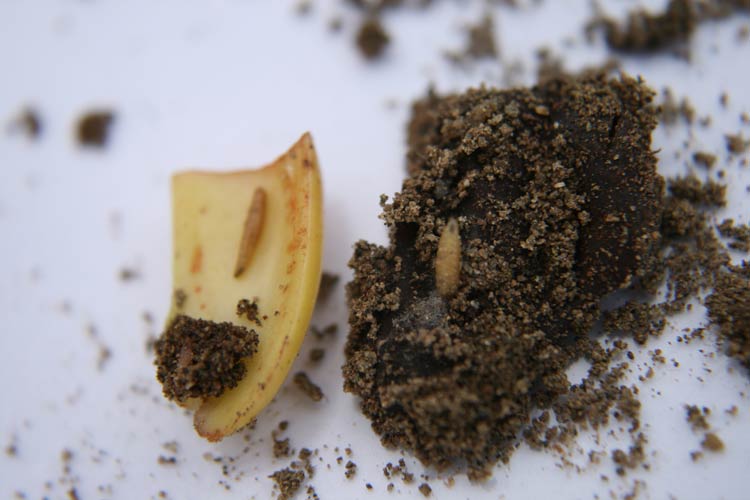
Photo Source: Tim Waters, WSU Extension Educator for Benton and Franklin Counties
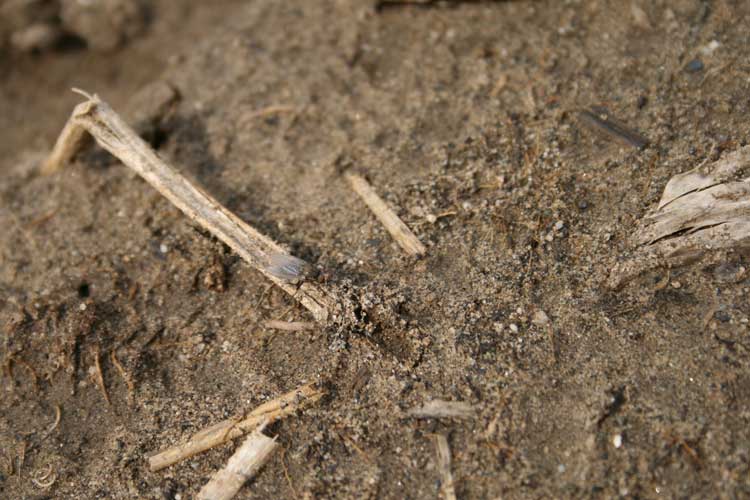
Photo Source: Tim Waters, WSU Extension Educator for Benton and Franklin Counties
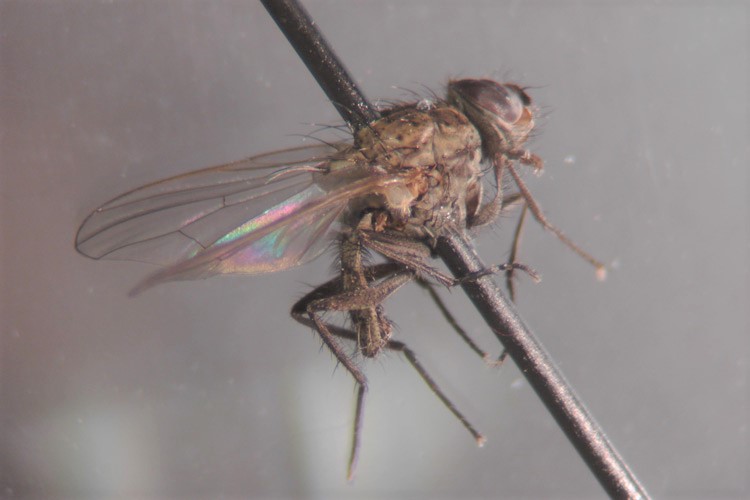
Photo Source: Tim Waters, WSU Extension Educator for Benton and Franklin Counties
On-Line Resources:
- Pacific Northwest Insect Management Handbook: Vegetable crop pests – Seedcorn maggot.
- Seed Corn Maggot. VegEdge, University of Minnesota.
- Seed Corn Maggot. UMass Amherst.
- See Diseases, pests, and other problems common to many vegetables: Seedcorn maggot.
Spider mites
Common name: Spider mites
Latin binomial: Tetranychus spp. including two-spotted spider mite (Tetranychus urticae), strawberry spider mite (Tetranychus turkestani), and Pacific spider mite (Tetranychus pacificus)
Host crops: Wide host range, including many vegetables such as bean, carrot, potato, etc.
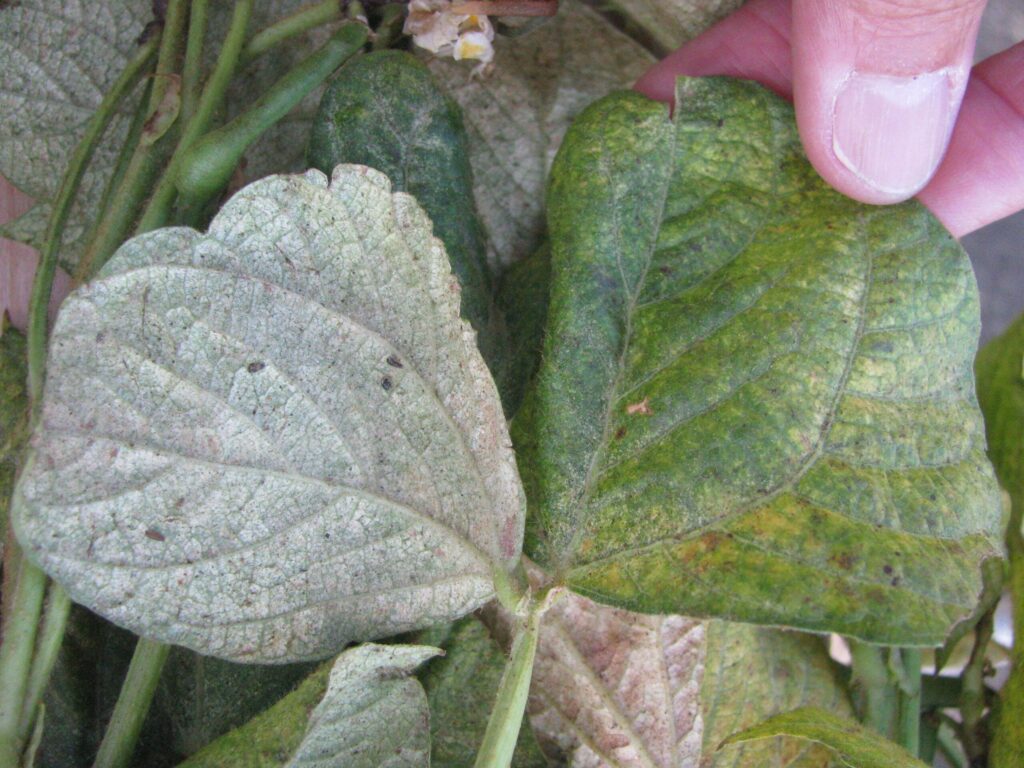
Photo Source: Lindsey du Toit, Washington State University
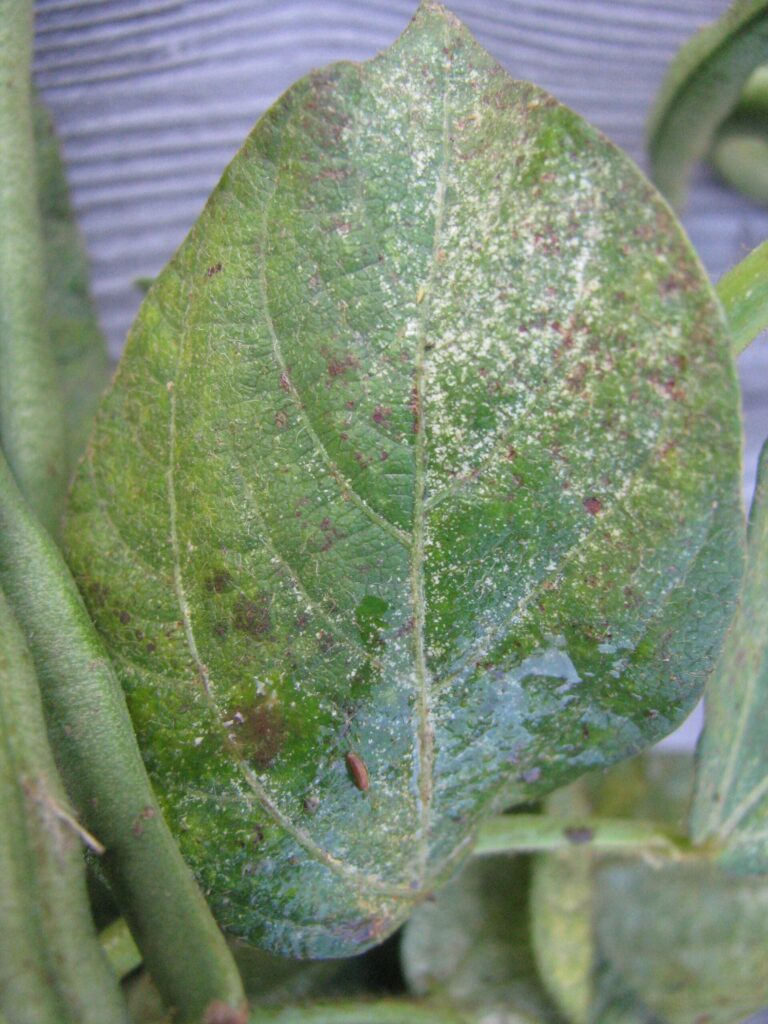
Photo Source: Lindsey du Toit, Washington State University
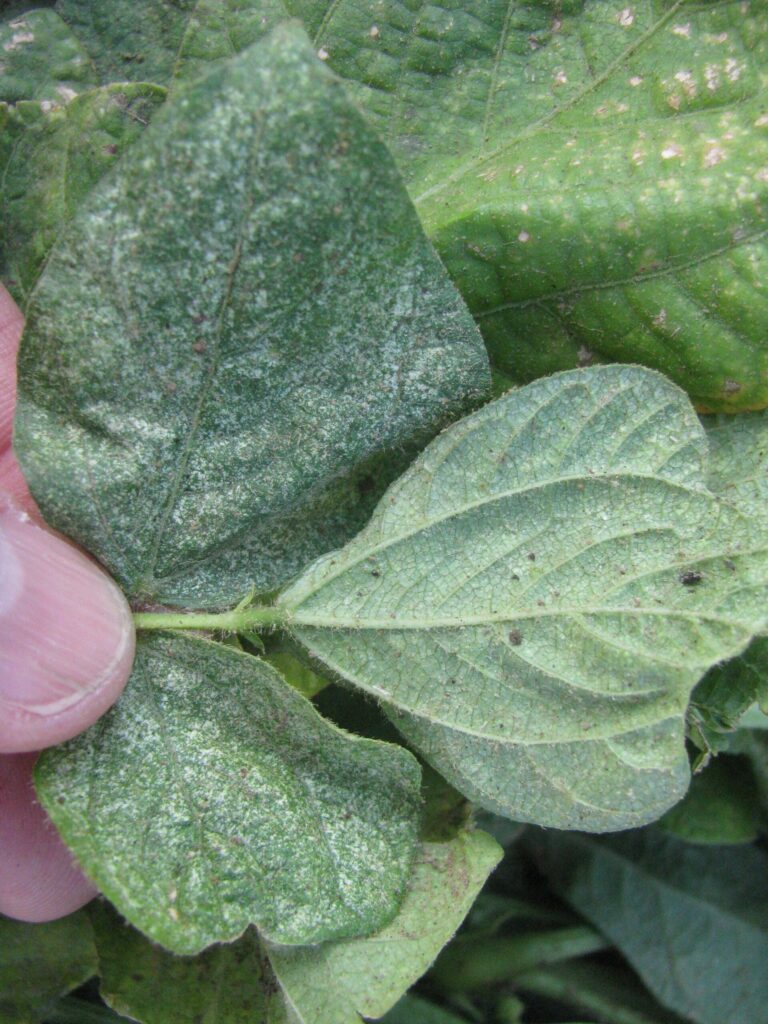
Photo Source: Lindsey du Toit, Washington State University
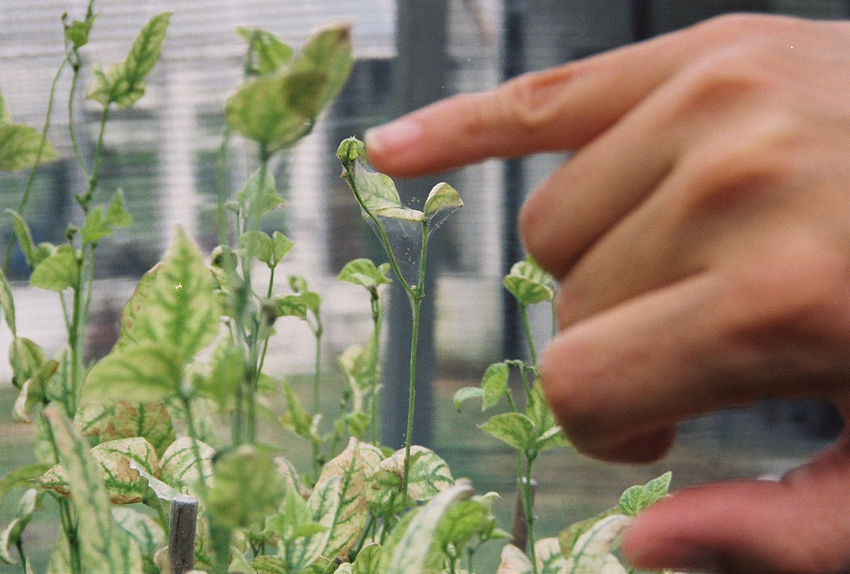
Photo Source: Silvia Rondon, Oregon State University
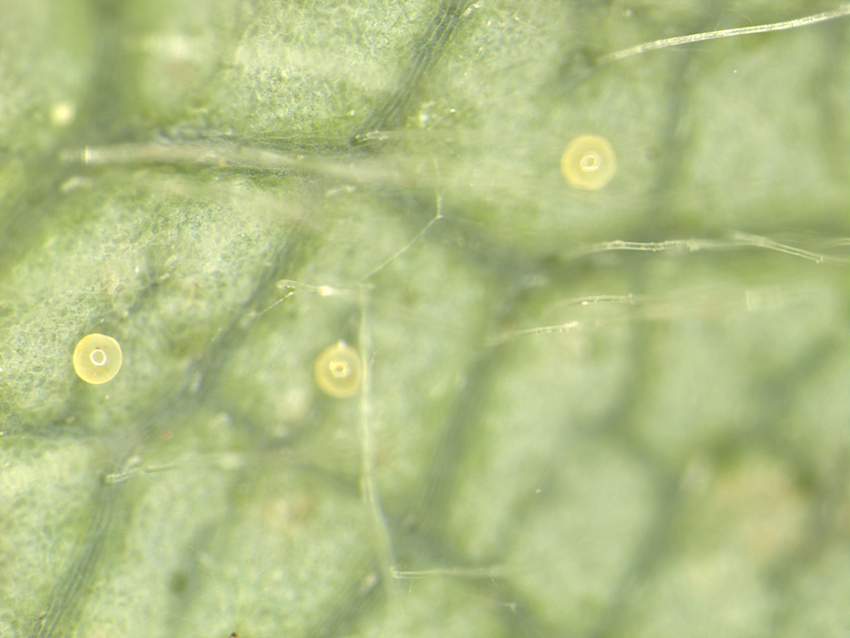
Photo Source: Silvia Rondon, Oregon State University
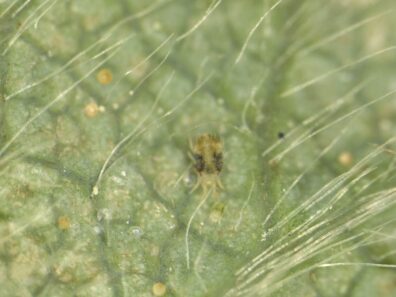
Photo Source: Silvia Rondon, Oregon State University
Online Resources:
- Bean, dry-spider-mite.
- Bean, lima-Spider mite.
- Bean, snap-spider-mite.
- See also Diseases, pests, and other problems common to many vegetables: Spider mites.
Thrips
Common name: Thrips, including western flower thrips, onion thrips, and other species.
Latin binomial: Various thrips including Frankliniella occidentalis (western flower thrips) and Thrips tabaci (onion thrips).
Host crops: Numerous plant species including many vegetables such as basil, broccoli, cabbage, cauliflower, cucumber, onion, potato, pumpkin, squash, tomato and watermelon.
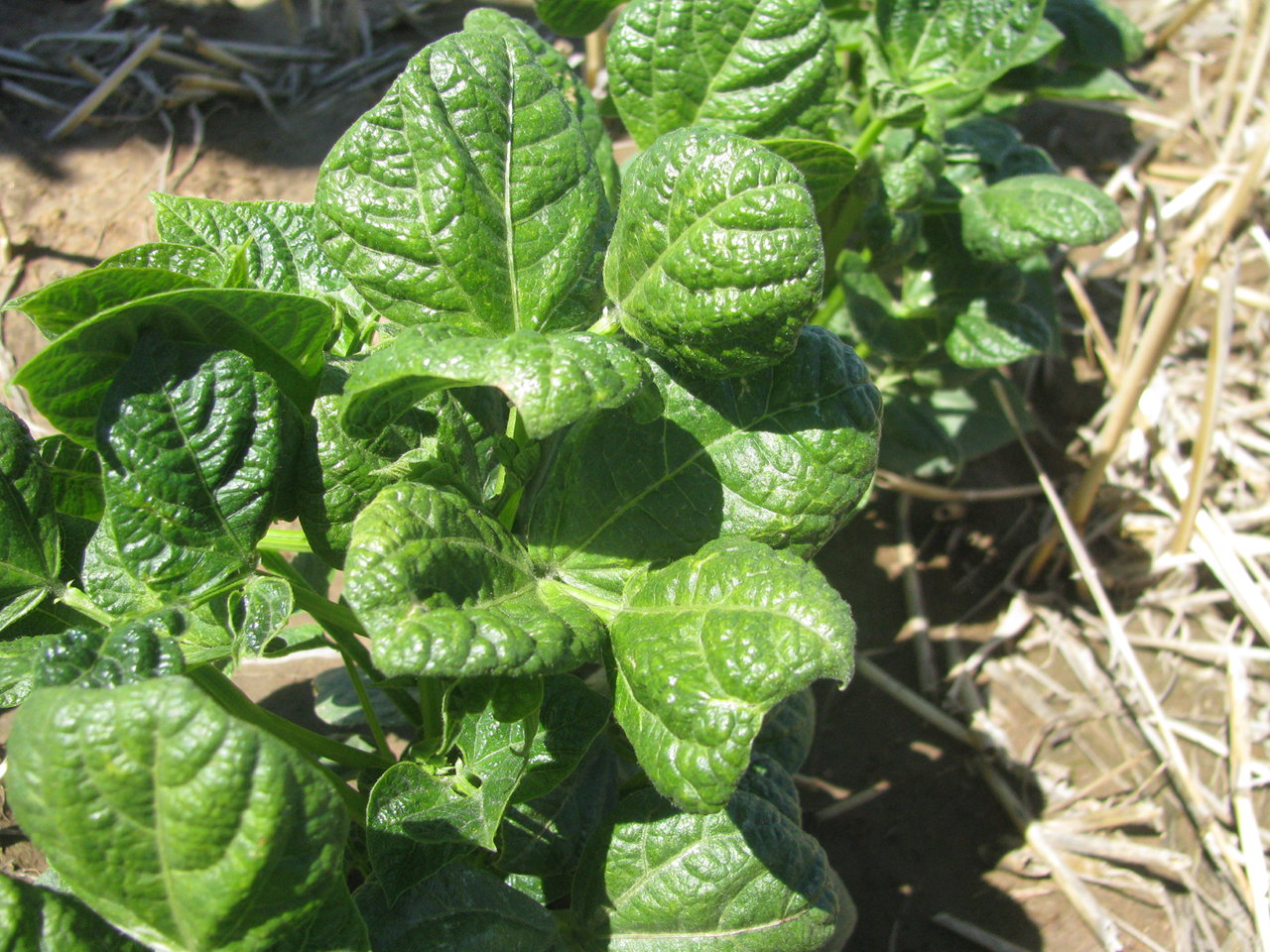
Photo Source: Lindsey du Toit, Washington State University
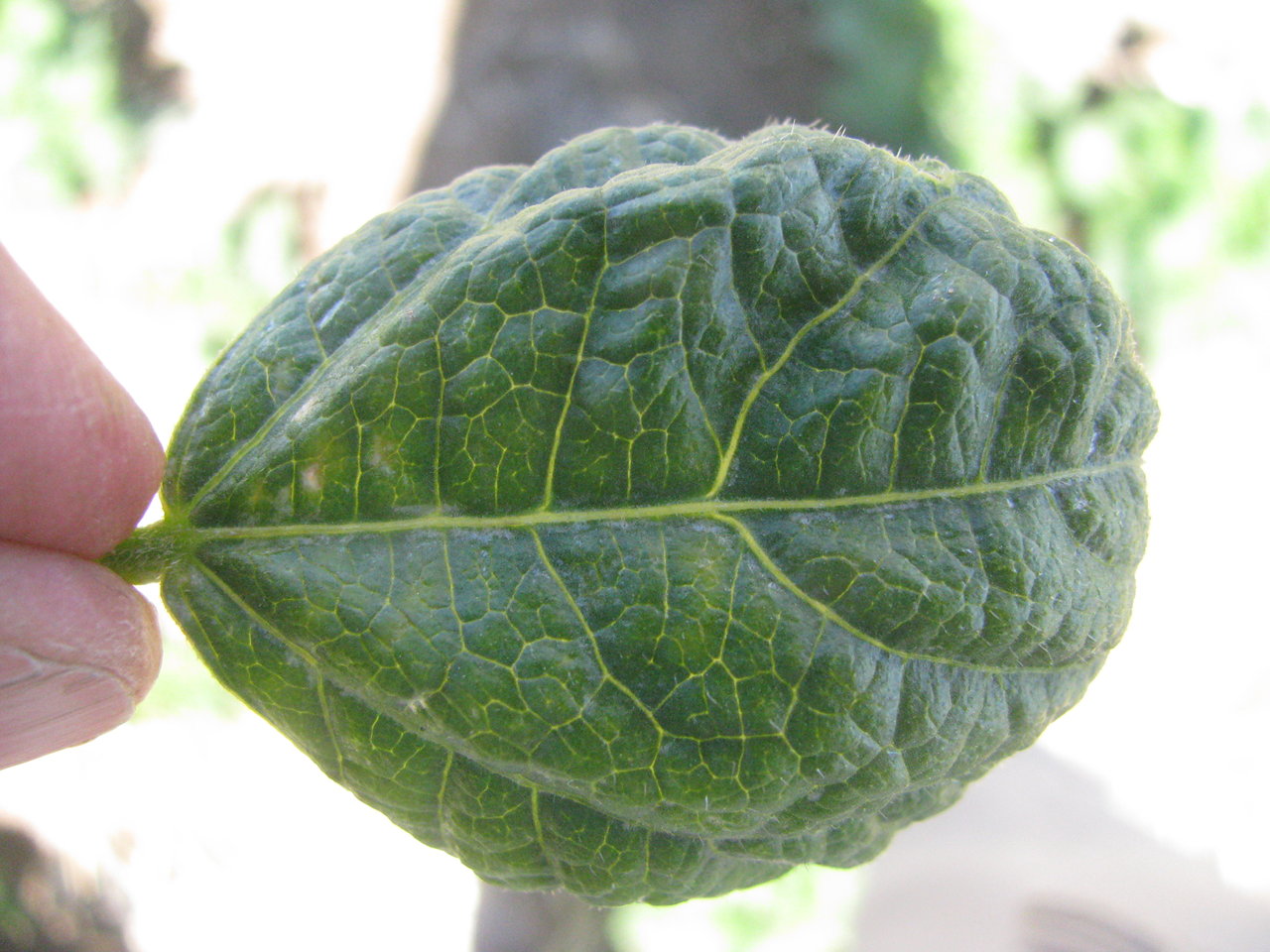
Photo Source: Lindsey du Toit, Washington State University
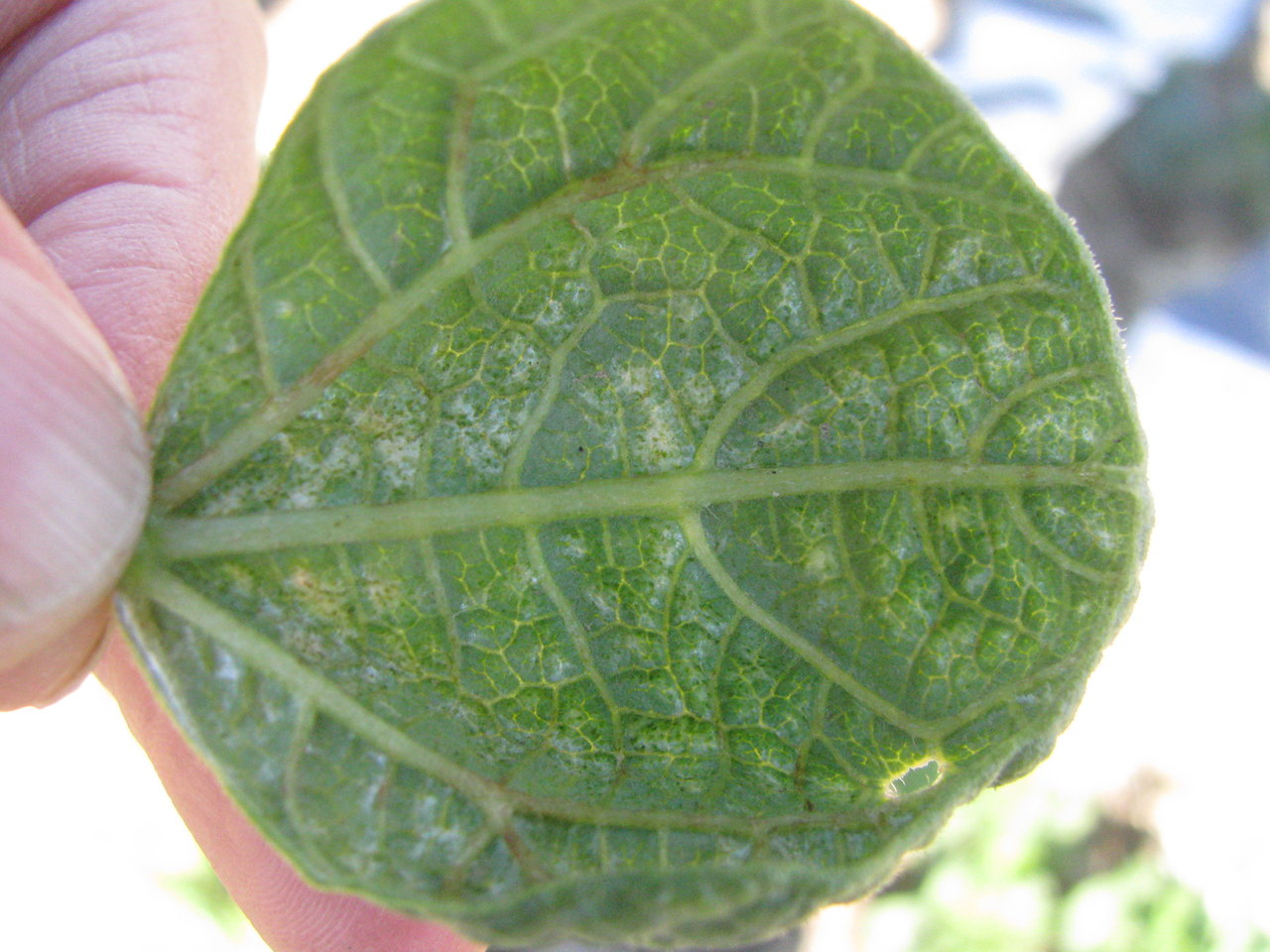
Photo Source: Lindsey du Toit, Washington State University
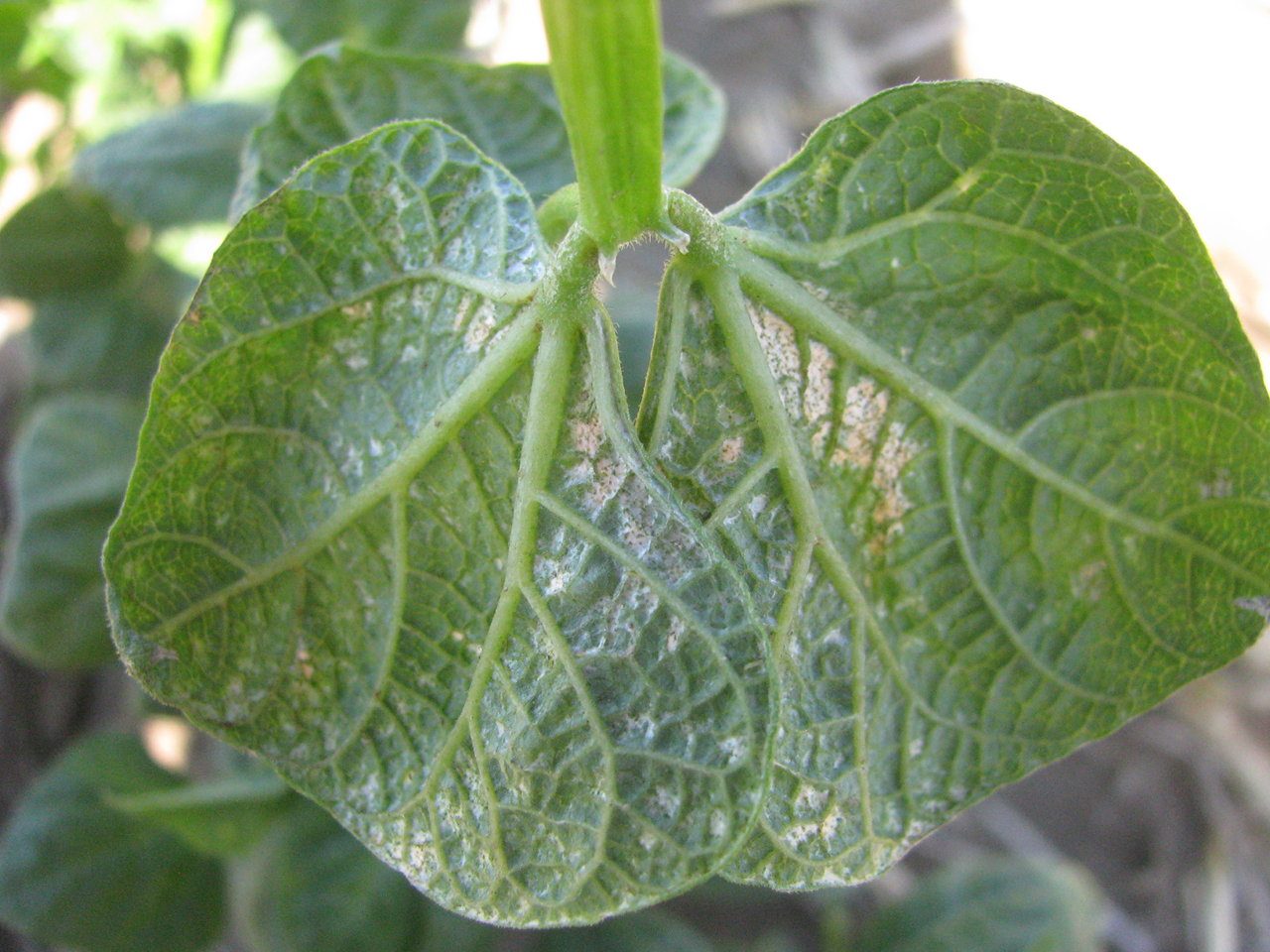
Photo Source: Lindsey du Toit, Washington State University
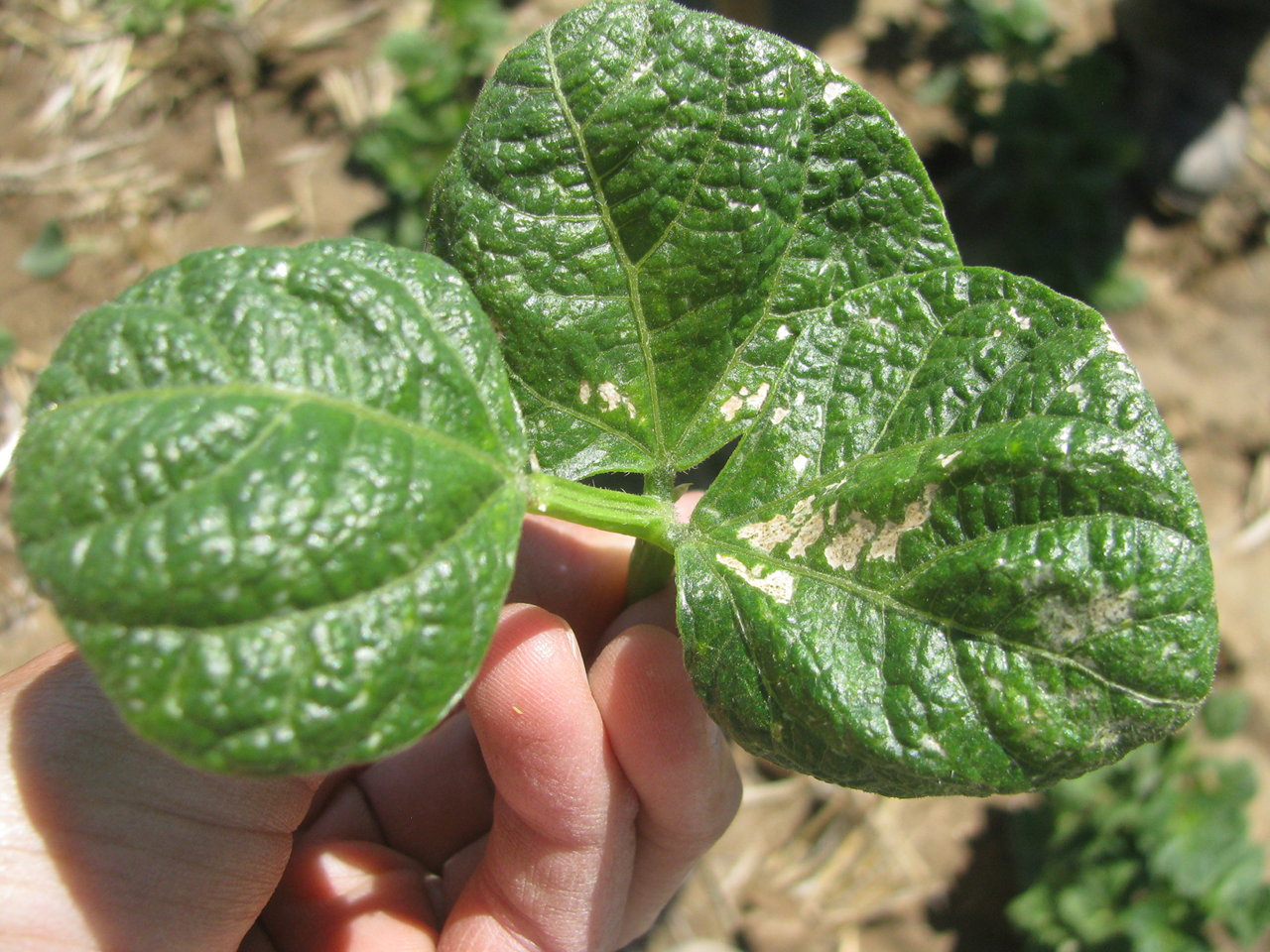
Photo Source: Lindsey du Toit, Washington State University
Online Resources:
- Pacific Northwest Insect Management Handbook. Chapter: Vegetable Crops, Section: Bean, dry.
- Washington State University Hortsense.
- Western Flower Thrips Thysanoptera: Thripidae Frankiniella occidentalis (pdf),
- See Diseases, pests, and other problems common to many vegetables: Western flower thrips.
Wireworm
Common name (of damaging stage): Wireworm (adults are called click beetles or snapping beetles)
Latin binomial: Ctenicera spp. and Limonius spp. Several kinds of wireworms are in the Pacific Northwest. Wireworms causing the most damage in irrigated areas are the Pacific Coast wireworm (Limonius canus), the sugar beet wireworm (L. californicus), the western field wireworm (L. infuscatus), and the Columbia Basin wireworm (L. subauratus). The Pacific Coast and sugar beet wireworms are the most common. Where annual rainfall is <15 inches, the Great Basin wireworm (Ctenicera pruinina) may be a problem, especially when irrigated crops are grown on sagebrush or dry wheat land. This species usually disappears after a few years of irrigation, but may be replaced by Limonius spp. which are favored by moist conditions. West of the Cascades, other wireworm species are pests, including Agriotes spp.
Host crops: All crops are susceptible to wireworm, but this pest is most destructive on
beans, carrot, corn, grain, onion, potatoes, spinach seed crops, and other annual crops in the PNW.
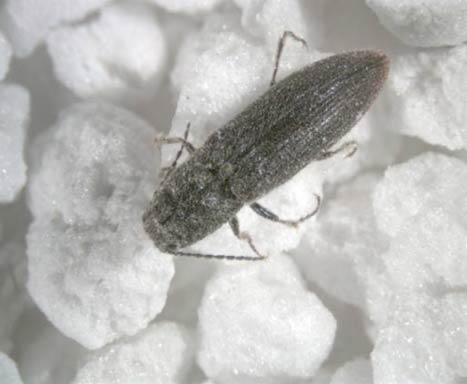
Photo Source: David Horton, USDA-ARS, Wapato
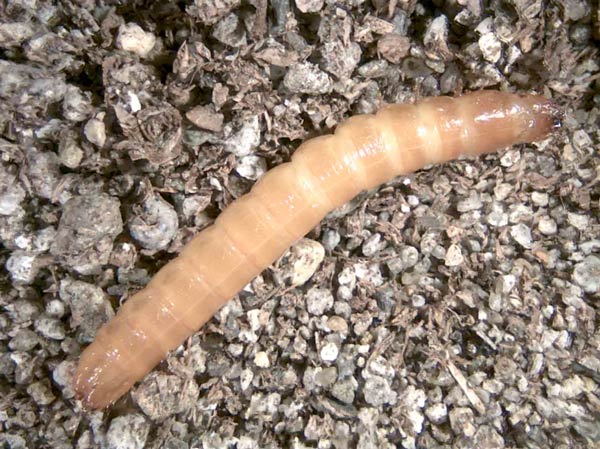
Photo Source: David Horton, USDA-ARS, Wapato
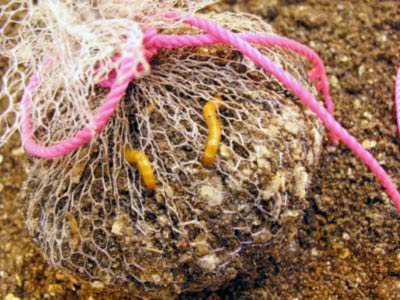
Photo Source: David Horton, USDA-ARS, Wapato
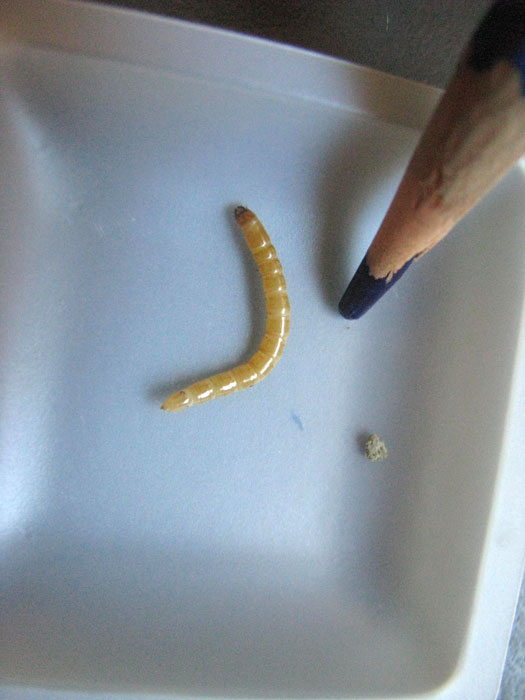
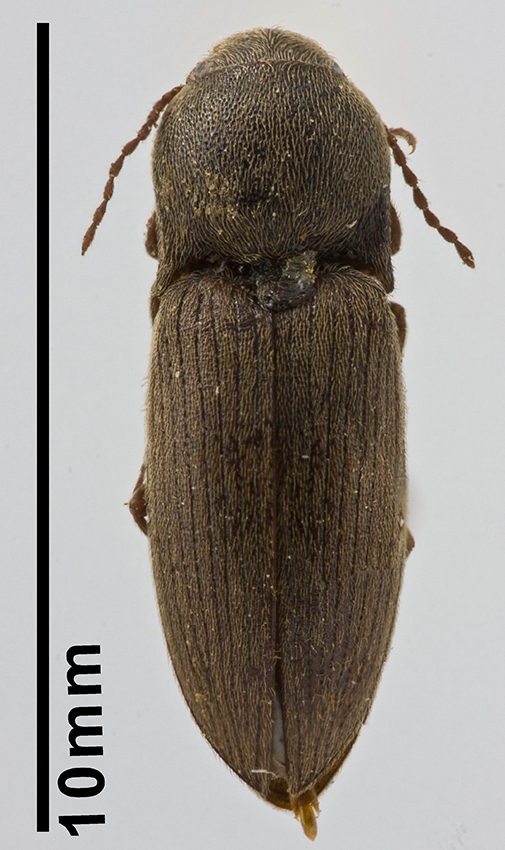
Photo Source: Oregon State University –Oregon State Arthropod Collection.
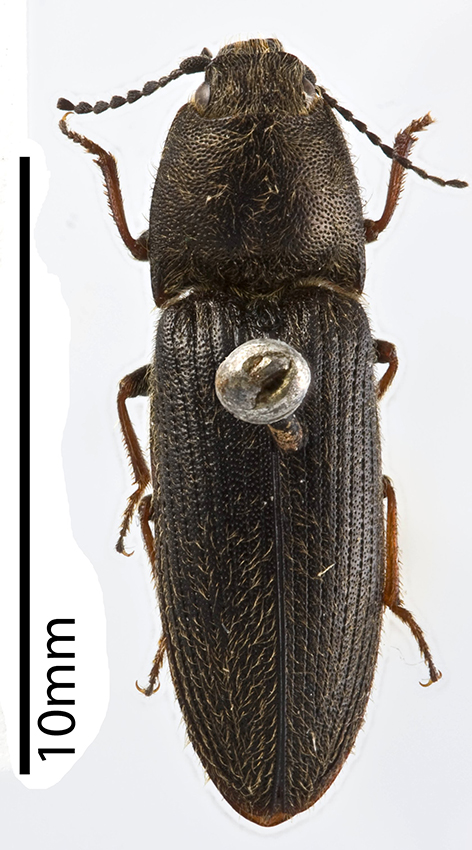
Photo Source: Oregon State University – Oregon State Arthropod Collection.
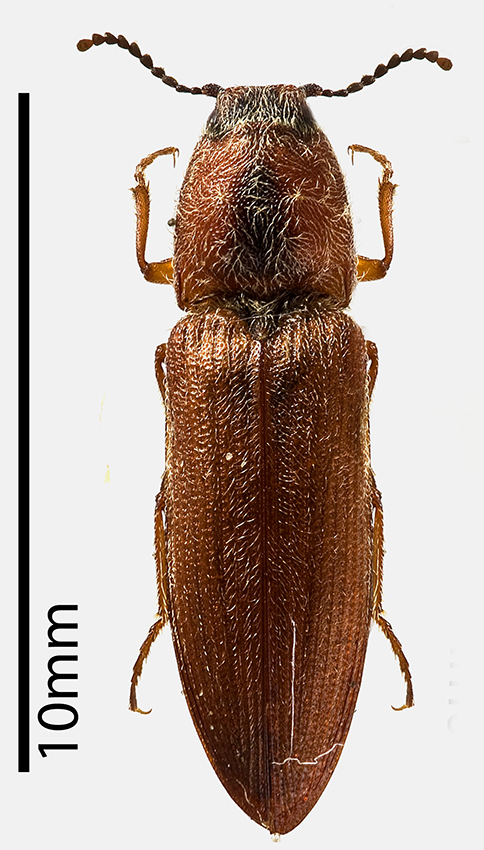
Photo Source: Oregon State University – Oregon State Arthropod Collection.
On-Line Resources:
- Pacific NorthwestInsect Management Handbook: Vegetable crop pests – Wireworm.
- Managing Wireworms in Vegetable Crops. Ontario Ministry of Agriculture and Food.
- Wireworms. VegEdge, University of Minnesota.
- Dry beans: Wireworms. UC IPM Online, University of California.
- Wireworm Field Guide (pdf) – A guide to the identification and control of wireworms, Syngenta Crop Protection Canada, Inc.
- Wireworm Biology and Nonchemical Management in Potatoes in the Pacific Northwest, N. Andrews, M. Ambrosino, G. Fisher, and S.I. Rondon, Pacific Northwest Extension Publication no. PNW607.
- See Diseases, pests, and other problems common to many vegetables: Wireworm.
Abiotic Problems on Bean
Crumpled leaf
Common name: Crumpled leaf or LCR
Cause: A genetic disorder or trait called crumpled leaf or LCR caused by an incompatible developmental reaction when beans from different centers of domestication are crossed, e.g., in crosses of Mesoamerican bush blue lake materials with Andean Midwestern types of beans.
Host Crops: Various types of beans resulting from crosses of different races of beans.
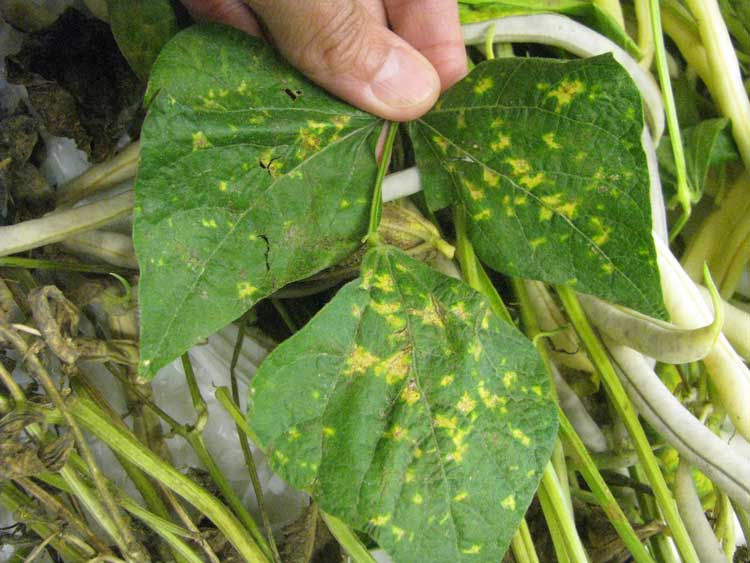
Photo Source: Lindsey du Toit, Washington State University
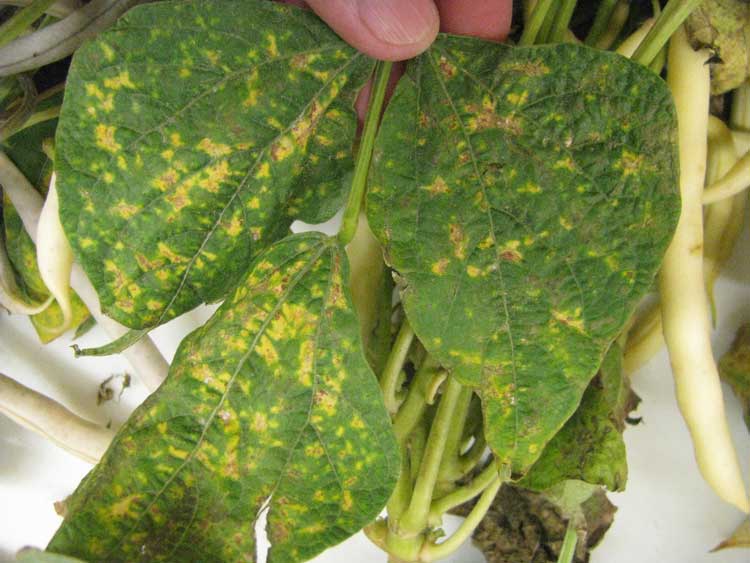
Photo Source: Lindsey du Toit, Washington State University
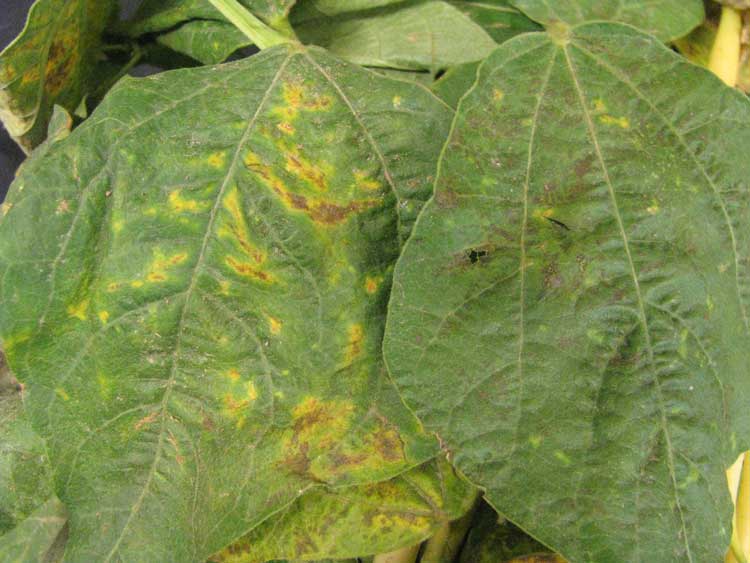
Photo Source: Lindsey du Toit, Washington State University
On-Line Resources:
- Singh, S.P. and A. Molina. 1996. Inheritance of crippled trifoliolate leaves occurring in interracial crosses of common bean and its relationship with hybrid dwarfism. J. Hered. 87:464-469. xHerbicide Injury.
Herbicide Injury
Common name: Injury from various types of herbicides can result from drift, residual carryover in soil or planting material, excessive rates of application, overlap in applications, etc.
Cause: Various types of herbicides can cause injury to bean plants.
Host Crops: This depends on the specific herbicide. For example, most broadleaf plants are susceptible to injury by 2,4-D.
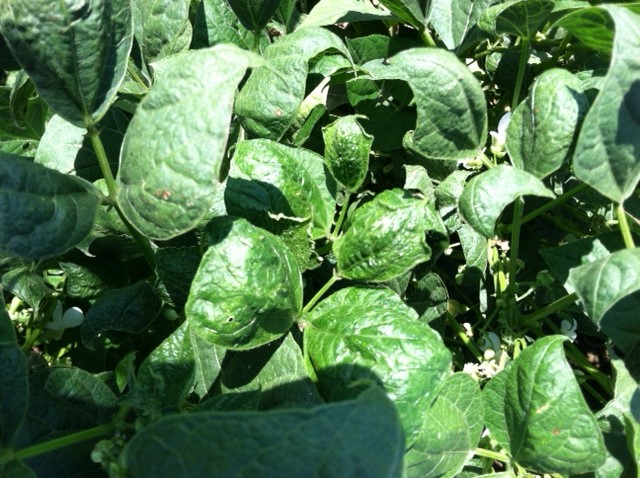
Photo Source: Carrie H. Wohleb, Washington State University
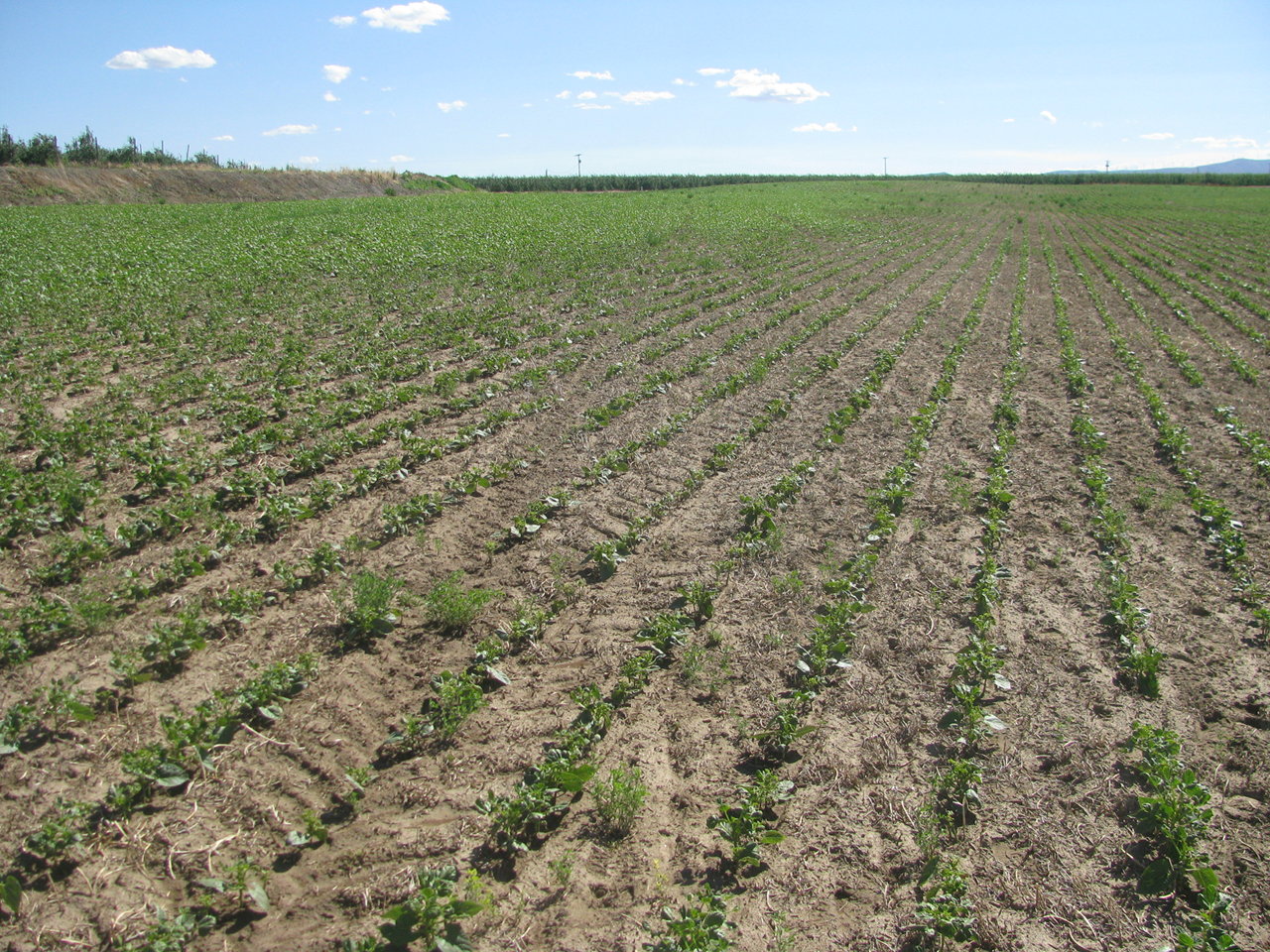
Photo Source: Lindsey du Toit, Washington State University
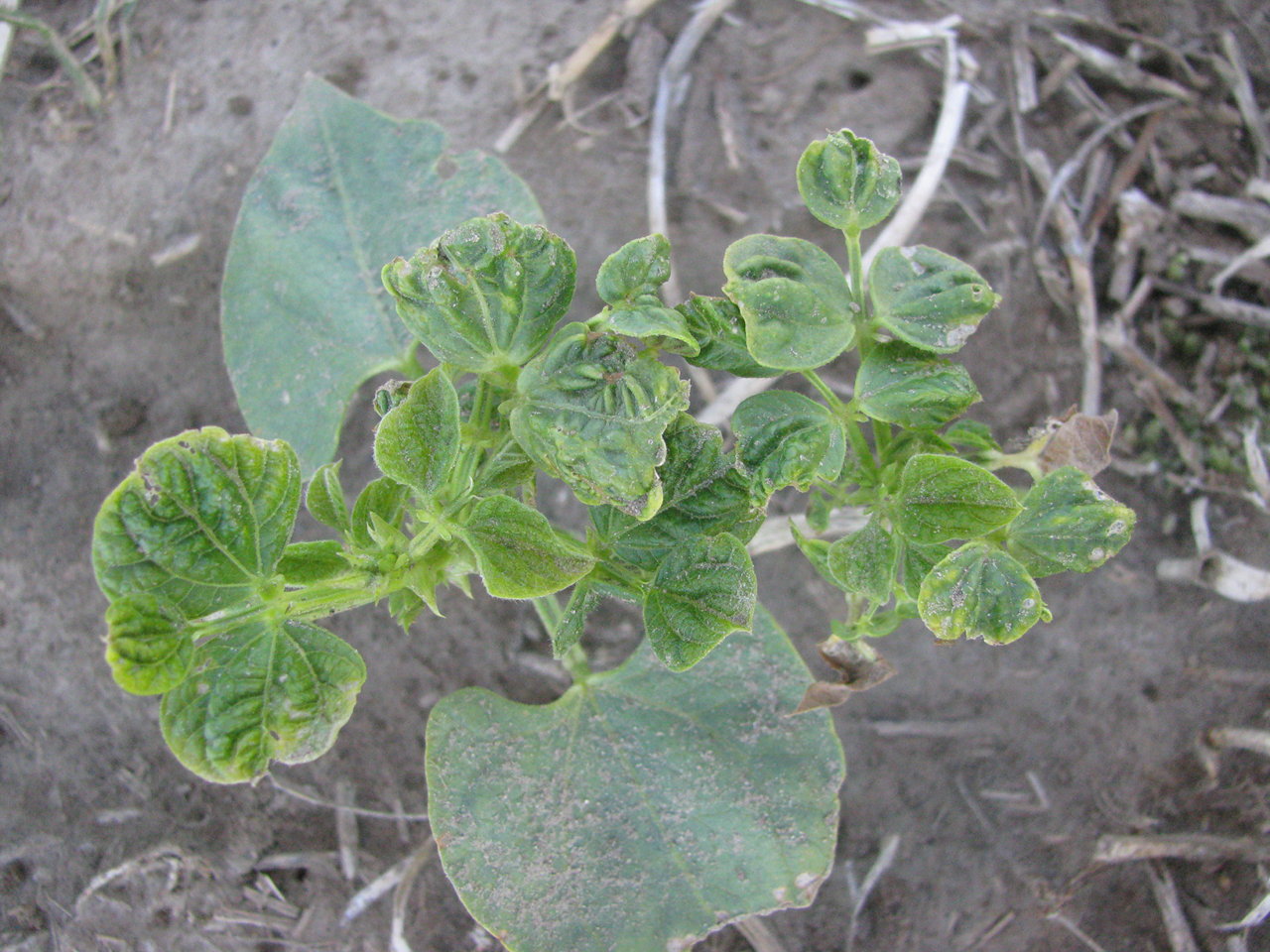
Photo Source: Lindsey du Toit, Washington State University
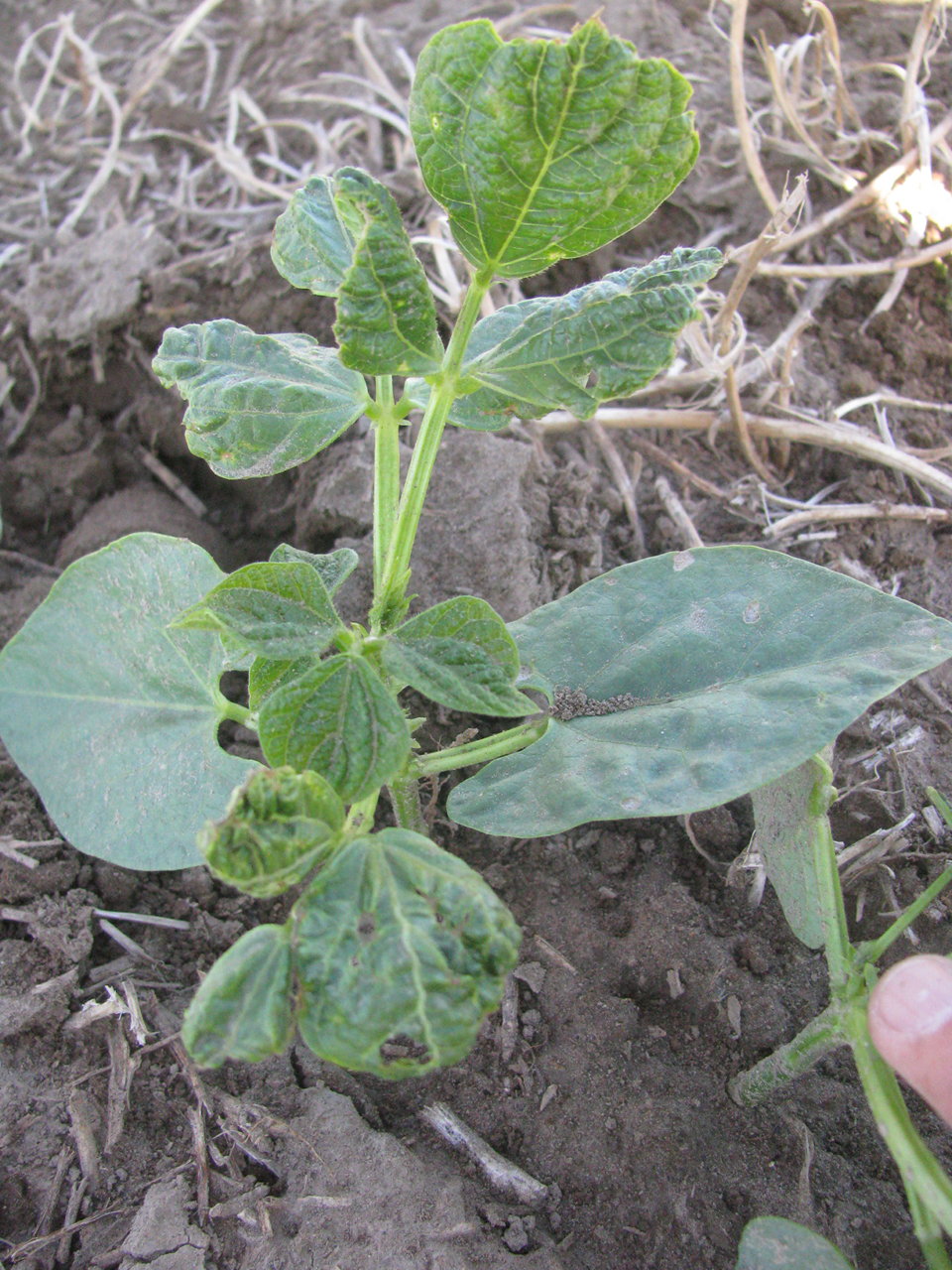
Photo Source: Lindsey du Toit, Washington State University
Online Resources:
- 2,4-D- and Dicamba-tolerant Crops (pdf) — Some Facts to Consider, Purdue University Extension.
- Herbicide Mode of Action and Injury Symptoms (pdf), University of Minnesota Extension Service.
Air pollution/ozone injury
Common name: Air pollution or ozone injury
Cause: During very hot conditions, combined with the presence of excessive air particulate matter, e.g., from wildfires, symptoms of air pollution and/or ozone injury have been observed in multiple bean fields in central Washington, particularly in adzuki bean crops.
Host Crops: Various types of beans, but adzuki beans seem to be particularly susceptible.
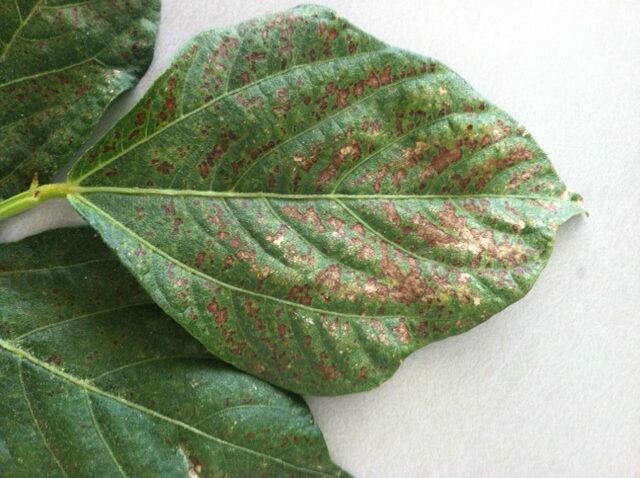
Photo Source: Carrie H. Wohleb, Washington State University Extension
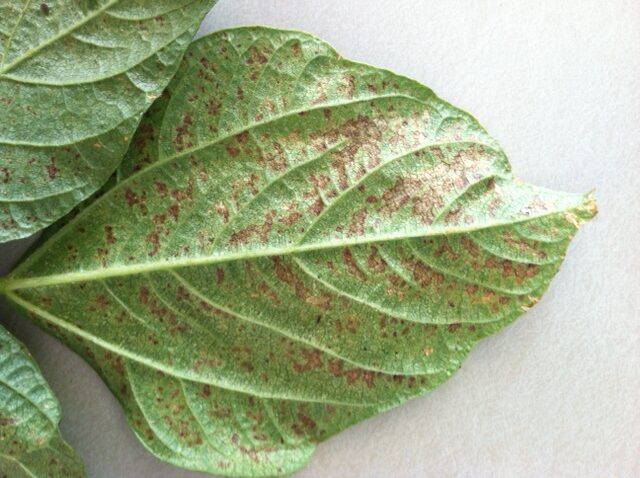
Photo Source: Carrie H. Wohleb, Washington State University Extension
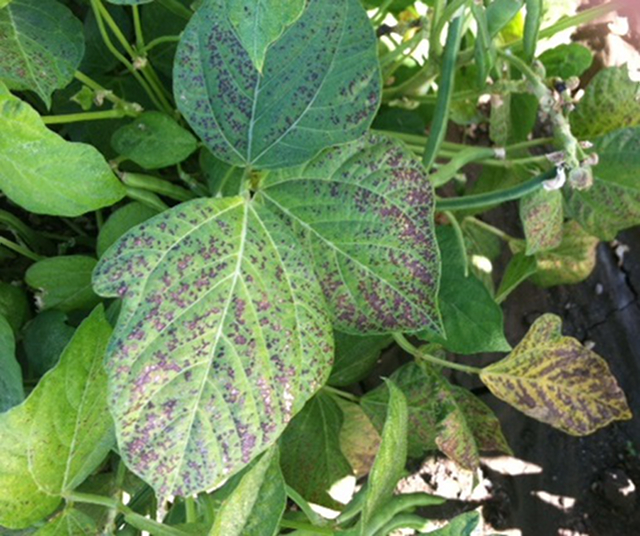
Photo Source: Carrie H. Wohleb, Washington State University Extension
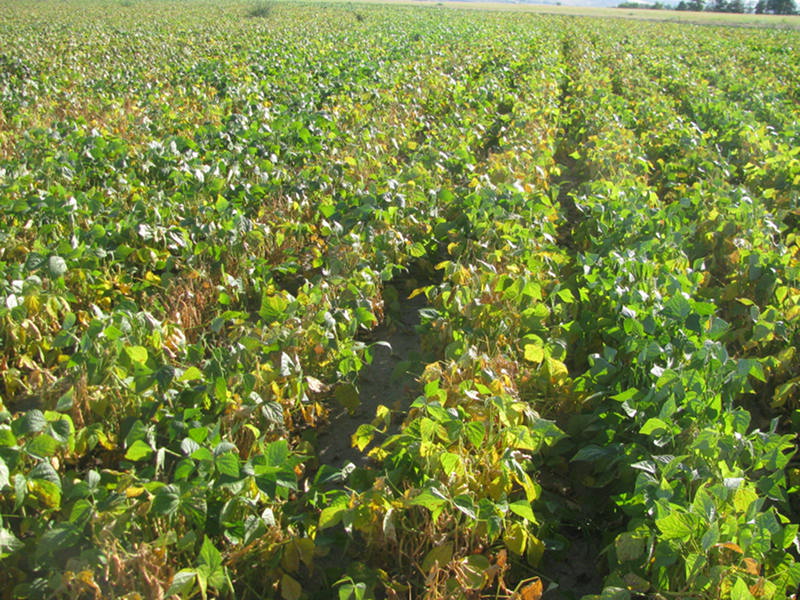
Photo Source: Lindsey du Toit, Washington State University
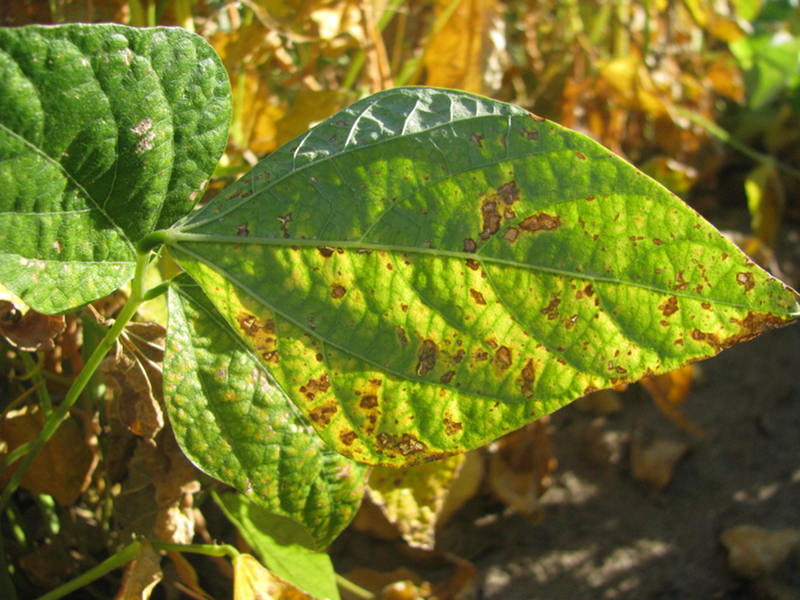
Photo Source: Lindsey du Toit, Washington State University
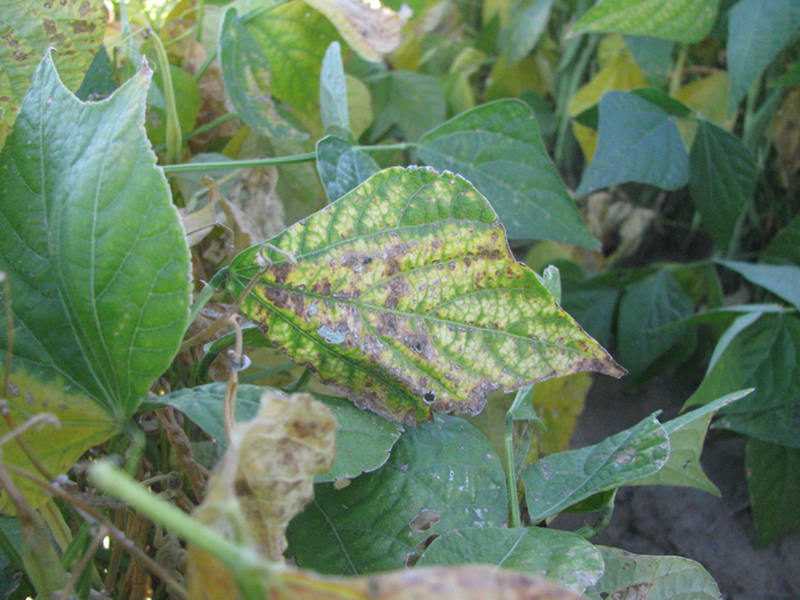
Photo Source: Lindsey du Toit, Washington State University
Online Resources:
- Dry Beans, University of California IPM Pest Management Guidelines.
- Ozone injury on beans, Cornell Univ. College of Agriculture and Life Sciences, Vegetable Pathology.
- Air Pollution Effects on Vegetables (pdf), Gerald E. Brust, IPM Vegetable Specialist, University of Maryland, 2007.
If you need the content provided on this site in an alternate format or for further information on the Vegetable Seed Pathology program,
please contact: Lindsey du Toit at dutoit@wsu.edu or at 360-848-6140.
Our pages provide links to external sites for the convenience of users. WSU Extension does not manage these external sites, nor does Extension review, control, or take responsibility for the content of these sites. These external sites do not implicitly or explicitly represent official positions and policies of WSU Extension.