
VSP Team Members
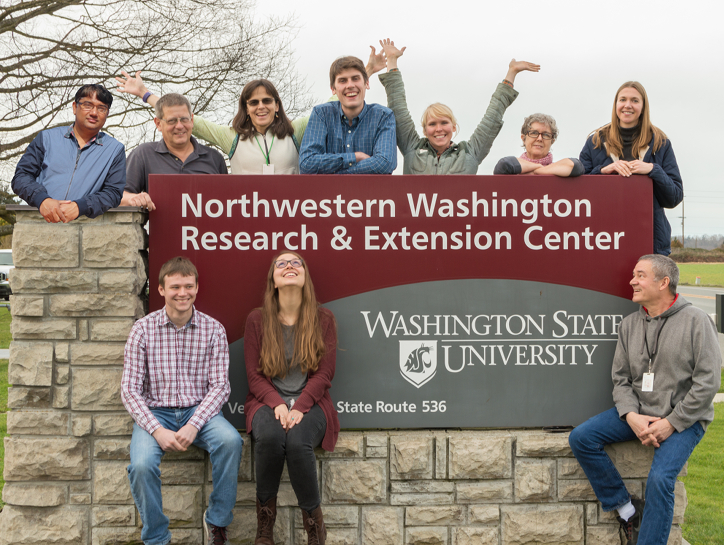
Vegetable Seed Pathology team members in January 2019 (left to right): Standing = Sanjaya Gyawali (Postdoctoral Research Associate), Mike Derie (Scientific Assistant Sr.), Lindsey du Toit (Program Director), Alex Batson (MS student), Eliza Mae Andrews (time-slip assistant), Barbara Holmes (Agricultural Research Technologist I), and Louisa Brouwer (Postdoctoral Research Associate). Seated = Ryan Solemslie (MS student), Kayla Spawton (PhD student), and Paul Morgan (Agricultural Research Technologist I).
VSP Program Director | VSP Technical Staff | VSP Project Manager
Graduate Students | MS in Agriculture Graduate Students | Postdoctorates
Graduate Interns | Undergraduate Interns
|
|
Program DirectorDr. Lindsey du Toit Lindsey du Toit grew up in KwaZulu Natal Province, South Africa, where she completed her undergraduate education at the University of Natal, Pietermaritzburg (UNP) in 1991 with a major in plant pathology. While at the UNP, Drs. Mike Wallis, Fritz Rijkenberg, and Mark Laing had a wonderful influence on Lindsey’s decision to pursue her education in plant pathology. Lindsey then completed her MS (1995) and PhD (1998) degrees at the University of Illinois at Urbana-Champaign (UIUC), majoring in plant pathology. Her PhD dissertation was on field and epidemiological aspects of common smut of sweet corn caused by Ustilago maydis, under the direction of Dr. Jerald Pataky. During her time in Illinois, Lindsey interned at the Plant Clinic of the UIUC for five growing seasons, supervised by Nancy Pataky. Lindsey’s first position after graduate school was as the diagnostician for the Plant & Insect Diagnostic Lab at the Puyallup Research & Extension Center of Washington State University (WSU), from 1998 to 2000. Lindsey was then hired as an Assistant Professor & Extension Specialist E2 in vegetable seed pathology for WSU in August 2000, based at the WSU Mount Vernon NWREC. Lindsey was promoted to Associate Professor & Extension Specialist E3 in 2006, and to Professor & Extension Specialist E4 in 2013. The focus of Lindsey’s vegetable seed pathology research and extension program is on the etiology, biology and management of diseases that affect vegetable seed crops grown in the Pacific Northwest USA. Small-seeded vegetable seed crops such as spinach, brassicas, carrot, onion, radish, and table beet are the focus of Lindsey’s program. In 2012, Lindsey started teaching a summer graduate course, Field Plant Pathology (Pl P 525), in the WSU Department of Plant Pathology. Lindsey received the Early Career Award of the Pacific Division of the American Phytopathological Society (APS) in 2006, the WSU Kenneth J. Morrison Extension Award in 2009 for outstanding contributions to the improvement of Washington State’s crop production, the WSU CAHNRS Interdisciplinary Team Award in 2012 for co-leading the Pacific Northwest Vegetable Extension Group (PNW VEG), and the APS Syngenta Award in 2013 for outstanding contribution to research and extension in plant pathology. In 2014, Lindsey was elected to serve as APS Councilor-at-Large (2014-2017), and in 2017 she was elected as Vice President of APS (2017-2021 APS presidential team). In 2018, Lindsey received the Alfred Christianson Distinguished Professorship in Vegetable Seed Science. Lindsey was elected as a Fellow of APS in 2022.
|
| to top | |
VSP Technical StaffMike Derie, Babette Gundersen, Paul Morgan, Barbara Holmes, Tomasita Villaroel, |
|
|
|
Mike Derie Mike Derie, a native of Idaho, received his M.S. degree in plant science from the University of Idaho in 1989. He worked for 11 years at the WSU-Puyallup Research and Extension Center as a research technician in the vegetable seed pathology program under Dr. Gabrielson, where he focused on detection and control of black rot in crucifer seed. Mike joined the vegetable pathology program at Mount Vernon in 1997, with responsibility for carrying out laboratory-based research, making disease diagnoses, and helping prepare manuscripts. In March 2001, Mike joined the vegetable seed pathology program at the WSU Mount Vernon NWREC. Mike is responsible for carrying out lab, field, and greenhouse trials on diseases of vegetable seed crops in Washington. Mike also isolates, and helps identify and maintain many vegetable pathogens. In 2007, he was promoted to Scientific Assistant in the vegetable seed pathology program, and in 2017 he was promoted to Scientific Assistant Senior. In 2009, Mike Derie received the Administrative Professional Staff Excellence Award for the WSU College of Agricultural, Human, & Natural Resource Sciences. In 2016, Mike celebrated his 30th year with WSU! |
|
|
Babette Gundersen Raised in the Skagit Valley, Babette Gundersen received her M.S. degree in experimental psychology from Central Washington University in 1990. She worked for 27 years at the WSU Mount Vernon NWREC as a research technician in the vegetable pathology program under Dr. Debra Inglis, where she focused on water molds and fungal diseases on potato and green pea. In 2000, Babette received the President's Employee Excellence award. She was promoted to Scientific Assistant Senior in 2018. In October 2020, Babette joined the vegetable seed pathology program to assist with the USDA NIFA SCRI 'Stop the Rot' project on onion bacterial diseases. Babette assists with diverse lab, field, and greenhouse trials on diseases of vegetable seed crops in Washington. |
|
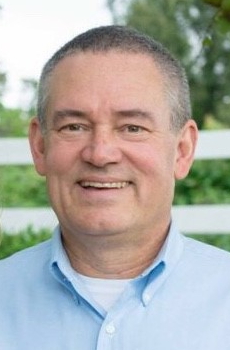
Paul Morgan Paul Morgan is a Mount Vernon, WA native and a graduate of Mount Vernon High School. He has bachelor’s degrees in accounting (Central Washington University) and biology (University of Washington – Bothell). While at the UW he worked on research related to fungal endophytes and their effects on drought resistance in vegetable crops. He has been at the WSU Mount Vernon NWREC since September 2016. Paul started in the Vegetable Pathology program with Dr. Debra Inglis, and then he split his time in 2018 between the Vegetable Horticulture program of Dr. Carol Miles, the Vegetable Seed Pathology program of Dr. Lindsey du Toit, and the Vegetable Pathology program of Dr. Debbie Inglis. Projects included studying a new bacterial infection of pumpkins, the use of fungal endophytes for control of Verticillium wilt, colonization of onion roots by arbuscular mycorrhizal fungi, management of cider apple trees and analysis of the fruit, and grafting of vegetable crops to increase resistance to Verticillium wilt. In April 2019, Paul was hired as the full-time Agricultural Research Technologist 2 for the Vegetable Seed Pathology program, assisting with the full diversity of lab, greenhouse, and field trials in vegetable and vegetable seed crop pathology. Paul resides in Snohomish Co. When he is not working, he enjoys a variety of outdoor activities. He has previously worked as a CPA and in construction management, and is retired from the National Guard. In 2021, Paul left WSU to start working for a family business restoring antique rifles. |
|
|
Barbara Holmes Barbara Holmes was born and raised in Ontario, Canada, but has lived in Mount Vernon, WA since 1974, where she raised her family and worked in many of the local nurseries and greenhouses. Barbara started working for the Vegetable Seed Pathology program as a temporary employee. In August 2008, Barbara was hired on as a permanent employee in the VSP program as Agricultural Research Technician I. Barbara provided invaluable assistance with a wide diversity of field, greenhouse, and lab trials on diseases of vegetable and vegetable seed crops. Barbara retired from WSU at the end of February 2019. Congratulations, Barbara, on a well-earned retirement! |
|
|
Tomasita Villaroel Tomasita Villaroel grew up in Venezuela before moving to Washington DC, where she managed a dental office for 23 years. In 2019, Tomasita moved to Anacortes with her husband, Peter, and children, Fiona (a junior at Anacortes High School) and Luke (at Anacortes Middle School). Tomasita started working for the Vegetable and Seed Pathology Program in September 2021 as a Service Worker 2. Working in agricultural research is a new experience for Tomi and she is very excited to be part of the VSP team. She is looking forward to learning about the inner workings of bacteria, fungi, and other pathogens, including their effects on the food we eat. In her spare time, Tomi enjoys running on the trails in the Anacortes Community Forest Lands (where she met Lindsey du Toit, who leads the VSP Program), and supporting her family in their adventures and discoveries. The VSP team is grateful for the energy, passion, and diligence Tomi brings to their program. |
|
Eliza Mae Andrews Eliza Mae Andrews came to the Vegetable Seed Pathology program from Whatcom Co., where she worked on an organic CSA (Community Supported Agriculture) farm for six seasons. During the spring and summer months, Eliza Mae works for the Bellingham Food Bank, where she manages two agriculture programs: the Small Potatoes Gleaning Project and Seed Money. Eliza Mae has worked in the Vegetable Seed Pathology program each winter since 2017-18 to help with the annual Spinach Fusarium Wilt Soil Bioassay and Spinach Parent Line Fusarium Wilt Resistance Screening Trial. When she's not helping process soils for these projects, Eliza Mae enjoys riding bikes, running, climbing, skiing, cooking and sewing. Her previous research experience includes a preliminary survey involving XRF analyses of urban soils for lead and other heavy metal contamination, completed at Georgia State University in Atlanta, GA in 2008; and using quenched magmatic inclusions in dacite to understand magma mixing on the Glacier Peak volcano in the North Cascades, a project completed at Western Washington University in Bellingham in 2012. |
|
|
Erin Miller Erin Miller grew up in Glen Gardner, NJ. As a child, she spent lots of time on her grandparents’ farm and always enjoyed helping out in the garden. In high school, Erin worked at a flower shop with a small nursery and was responsible for watering the greenhouse. In 2016, Erin graduated from Hobart and William Smith Colleges in Geneva, NY, with a major in Biochemistry and a minor in Latin American Studies. As an undergraduate, Erin worked at the New York State Agricultural Experiment Station for Cornell University in Dr. Kerik Cox’s Fruit Pathology lab, first as a National Science Foundation REU (Research Experience for Undergaduates) intern, and the following summer as a temporary service technician. Both summers, Erin assisted a PhD candidate studying antibiotic use to protect against fire blight (a disease caused by the bacterium Erwinia amylovora) in apple orchards. Also, during her undergraduate studies, Erin spent a semester on exchange in Perth, Australia, to study agribusiness. After graduating, Erin moved to Wenatchee, WA to work in Dr. Vince Jones’ Entomology lab at the WSU Wenatchee Tree Fruit Research & Extension Center, where she studied the use of volatile lures to attract green lacewings in apple orchards. Erin spent the winter of 2016-17 in Utah working at Alta Ski Area, and was excited to be back in Washington by late spring 2017 to work in Dr. Lindsey du Toit’s Vegetable Seed Pathology program. Erin helped with an onion mycorrhizae project funded by the Washington State Department of Agriculture Specialty Crop Block Grant (No. K1769), in addition to contributing technically to many other projects in the Vegetable Seed Pathology program through October 2017. |
|
|
Brian Henrichs Brian grew up in Medford, OR and learned the importance of agriculture from an early age by weeding the garden and raising dairy goats. His formal education started at Portland State University but finding that city life did not agree with him, he moved to Corvallis, OR to attend Oregon State University. Brian earned a Bachelor’s of Science degree in Zoology in 2010 studying symbiosis as well as disease ecology with Dr. Anna Jolles. He continued on with Dr. Jolles to earn a Master’s of Science degree from Oregon State University in disease ecology. Brian’s Master’s thesis focused on the community ecology of blood parasites, and how interactions within a host determine which parasites are able to persist and eventually cause disease. After graduating in 2014, he held various temporary jobs, ranging from farming to aquatic insect surveys. In 2015, Brian moved to Mount Vernon. In 2016, he joined the Vegetable Seed Pathology group at the WSU Mount Vernon NWREC. Regardless of the subject matter, Brian is interested in how microbes enhance (or detract) from our everyday lives. His day-to-day work includes being helpful generally and, specifically, providing technical support for a project investigating the role of mycorrhizae in growth and disease suppression in onion and carrot crops in the Columbia Basin. The 2-year project is funded by the Washington State Department of Agriculture Specialty Crop Block Grant (No. K1769). Publications from the 2016-17 WSDA SCBG mycorrhizae project:
|
|
|
Jenny (Anne) Knerr Jenny is a Moscow, Idaho native. She obtained three Bachelor’s degrees (Microbiology, Biology, and Horticulture) and two minors (Chemistry and Plant protection) at the University of Idaho in 2008. Her early growth as a scientist was supplemented by summer employment with the U of I Weed Science lab where she assisted with large-scale field studies on primarily wheat, barley, and peas and discovered her love for agriculture. After completing her undergraduate education, she worked as a laboratory technician at a local water and soil quality testing laboratory, Anatek Labs. Jenny returned to the U of I in 2009 to obtain a Master’s degree in Plant Science with Dr. Robert Tripepi. Her research focused on using PCR-DGGE and 454 pyrosequencing to identify the changing microbial communities in composting dairy manure, and determine if the compost itself was harmful to Oceanspray (Holodiscus discolor) and a tomato variety. After completion of her Master’s degree, Jenny joined the WSU Department of Plant Pathology in 2012, working in the laboratory of Dr. Brenda Schroeder for two years designing a DNA macroarray for identification of bacterial bulb rot pathogens of onion. In the summer of 2014, Jenny joined the Vegetable Seed Pathology program of Dr. Lindsey du Toit, to work on a project examining the role of arbuscular mycorrhizal fungi in onion production. In 2015, Jenny transferred to a position as Research Specialist in Dr. Robert Tripepi’s plant propagation lab in the Department of Plant, Soil and Entomological Science at the University of Idaho. Jenny continued to work part-time for the VSP program through May 2016 to finish up several projects. Publications from the 2014-15 onion mycorrhizae project:
|
| to top | |
VSP Project Manager |
|
|
|
Heather MacKay Heather MacKay has lived in Lynden, WA with her family since 2005. She grew up on a farm in Zimbabwe before moving to South Africa to complete her college education. Heather has a B.Sc. in Physics and Applied Mathematics from Rhodes University, South Africa, and a Ph.D. in Physical Oceanography from the University of Port Elizabeth, South Africa. Heather's career has been mostly in the public sector, working as a water and environmental policy specialist. She served for several years as Senior Specialist Scientist in the South African Department of Water Affairs and Forestry focusing on development of water quality standards, national water policy and water law. Heather was then appointed to the Water Research Commission of South Africa where she managed national portfolios related to water policy, water law and governance, institutional development and environmental water requirements. She chaired the Scientific and Technical Review Panel of the Ramsar Convention on Wetlands from 2005 to 2012, and concurrently was a member of the Panel's international working group on water resources and river basin management. Heather's local work in Washington State has focused on water management and agriculture in Whatcom County, helping farmers and planners find ways to protect and enhance both working farmlands and water resources. Heather joined the WSU Mount Vernon NWREC in November 2019, and served as the Project Manager for the USDA NIFA Specialty Crops Research Initiative project: ‘Stop the rot: Combating onion bacterial diseases with pathogenomic tools and enhanced management strategies’ through September 2023. Heather also was involved as project manager for the USDA NIFA SCRI project ‘Improving end-of-life management of plastic mulch in strawberry systems’ in 2023. In her spare time, Heather enjoys hiking, sailing the coastal waters with her family, and exploring local trails with her horse. |
| to top | |
Graduate StudentsTessa Belo, Marilen Nampijja, Kayla Spawton, Ryan Solemslie, Alex Batson, John Weber, Shannon Carmody, Sean Mullahy, Eric Christianson, Ana Vida Alcala, Emily Gatch, Maxwell Handiseni, Leigh Ann Harrison, Jaime Cummings, Pablo Hernandez-Perez |
|
|
|
Tessa Belo Tessa was born and raised in Minneapolis, Minnesota. She attended the University of Minnesota where she graduated in 2017 with a B.S. in Environmental Science and a minor in Soil Science. During her time as an undergraduate, Tessa participated in soil judging competitions around the Midwest and contributed to research on sources of sediment bound phosphorus in the Minnesota River Valley. After graduating, she was hired as a researcher in a freshwater ecology lab at the University of Minnesota. Tessa conducted a study quantifying nutrient removal from street sweeping. In addition, she worked on research aimed at better understanding wetlands and stormwater ponds as tools to improve water quality. Tessa joined the Soils & Water program at the WSU Mount Vernon NWREC as a MS student in the summer of 2020. She was advised by Dr. Gabe LaHue and co-advised by Dr. Lindsey du Toit. Tessa’s project focused on combatting bacterial rots in onion bulb crops through fertilizer and irrigation management. Tessa’s hobbies include amateur woodworking, cross-country skiing, and gardening. After completing her MS degree in summer of 2022, Tessa took a position as Water Quality Nonpoint Specialist for the Department of Ecology at the Bellingham Field Office. Publications and technical reports from MS program:
|
|
|
Marilen Nampijja Marilen was born and raised in Masaka, Uganda in East Africa where she received her primary and secondary education. She was admitted to Makerere University in Uganda’s capital, Kampala, in 2010 to pursue a Bachelor of Science degree in Conservation Forestry and Production Technology. In 2015, after completing her BS degree, Marilen worked with Hall Hunter Partnership, the leading soft fruit grower in the United Kingdom, after which she returned to Uganda to start passion fruit farming. Having worked in the UK and on her passion fruit farm, Marilen realized that plant diseases are among the most challenging aspects to manage in crops, and recognized the need for a better understanding of plant diseases so that she could help other farmers when she returns to her home country. In 2017, Marilen enrolled in an MS degree in Plant Science at South Dakota State University, with an emphasis in Plant Pathology. Her MS research project evaluated the efficacy of synthetic and biopesticides on bacterial leaf streak of wheat, and examined the influence of cultivar and environment on epiphytic bacterial diversity on wheat seeds. After completing her MS degree in 2019, Marilen was offered a job at North Dakota State University at the Williston Research & Extension Center as laboratory technician. Her major area of research was on soilborne pathogens: Aphanomyces euteiches and Fusarium species affecting field peas, evaluating the impacts of seed treatments on commercial rhizobia inoculants, and evaluation of the relative nodulation of chickpea using different rhizobial isolates that are native to western North Dakota. Marilen has started a PhD degree at Washington State University in spring 2020, based at the WSU Mount Vernon Northwestern Washington Research & Extension Center under the supervision of Dr. Lindsey du Toit. Her dissertation project is on management of bacterial leaf spot in table beet and Swiss chard, caused by Pseudomonas syringae pv. aptata. This project is part of a larger USDA NIFA Specialty Crops Research Initiative project on Pseudomonas syringae pathogens of Cucurbitaceae and Chenopodiaceae (Award No. 2019-51181-30019). Publications and technical reports from PhD program:
|
|
|
Kayla Spawton Kayla graduated from the University of California, Davis in 2014 with a B.S. in Evolution, Ecology, and Biodiversity and a minor in Fungal Biology and Ecology. As an undergraduate, Kayla contributed to research on sudden oak death in California’s coastal forests, soft rot of table grapes, and pitch canker of Monterey pine in various faculty programs at UC-Davis. She also completed her honors thesis on the insect-gall diversity of sagebrush in the Eastern Sierras, which was published in a peer-reviewed academic journal (Environmental Entomology 44:1095-1100). After graduating, Kayla worked as a microbiologist at an agricultural biotechnology company, researching beneficial plant-associated bacteria and fungi. She then returned to UC-Davis to manage the California stream monitoring project for sudden oak death. Kayla joined Dr. Lindsey du Toit’s program at the WSU Mount Vernon NWREC in fall 2018 as a plant pathology PhD student, and is co-advised by Dr. Tobin Peever. Kayla received a fellowship from the Seattle Chapter of the ARCS Foundation, Inc. (Achievement Rewards for College Scientists). Her dissertation project is on the ecology and management of Stemphylium leaf spot of spinach. In 2019, Kayla received theJoseph Kuc Student Travel Award from the American Phytopathological Society Foundation to help cover expenses for presenting a poster on her research at the APS annual meeting in Cleveland, OH in August 2019. Publications and technical reports from PhD program:
|
|
|
Ryan Solemslie Ryan Solemslie grew up in Mount Vernon, Washington. Living in the Skagit Valley, he developed a love for agriculture starting with the work he did in his parents’ gardens and greenhouse throughout his childhood. In high school, Ryan spent time throughout the spring and summer working at a local nursery and garden center. During the summers of his college years at Washington State University, Ryan worked as a technician for Sakata Seed America, Inc., where he assisted with evaluating spinach trials, squash pollination, and packaging seed for various trials. In the spring of 2017, Ryan graduated from Washington State University with a B.S., majoring in Nursery and Greenhouse Management and minoring in Horticulture. Ryan enrolled as an MS student in the WSU Department of Plant Pathology in spring of 2018, and defended his thesis in fall of 2020. Ryan was hired in January 2021 as the Senior Stockseed Coordinator for Sakata Seed America, based in Mount Vernon, WA. Publications and technical reports from MS program:
|
|
|
Alex Batson Alex graduated from Western Washington University with a major in cellular and molecular biology. His research during that undergraduate degree focused on the Arabadopsis-Aspergillus pathosystem. Specifically, he investigated several flavonoid biosynthesis genes in Arabadopsis that influence resistance against Aspergillus. After graduation, Alex worked at Adaptive Symbiotic Technologies in Seattle, WA where he studied fungal endophytes that confer multiple stress tolerances to crop plants. He is grateful to have had hands-on experience researching fungal pathogens and mutualists. As an MS student at WSU, Alex identified putative effector genes in Fusarium oxysporum f. sp. spinaciae, the causal agent of Fusarium wilt of spinach. Alex started as a time-slip employee in spring 2017 in Lindsey du Toit’s program at the WSU Mount Vernon NWREC, and enrolled as an MS student in fall semester of 2017. Alex successfully defended his thesis in June 2019, and enrolled as a PhD student in the WSU Department of Plant Pathology, starting in fall 2019. His PhD dissertation project continued from his MS thesis project on spinach Fusarium wilt. Alex’ MS program was funded by the Robert MacDonald Vegetable Seed Memorial Fellowship, the Puget Sound Seed Growers’ Association (via the Northwest Agricultural Research Foundation), and the Washington State Commission for Pesticide Registration. During his MS program, Alex also received an Alaska Airlines Travel Grant (awarded in 2017 to support travel expenses to the International Congress of Plant Pathology in Boston, MA in 2018), a Washington State Crop Improvement Association (WSCIA) Travel Grant (awarded in 2017 to support travel expenses to the ICPP in Boston, MA in 2018), the Richard and Marcia Morrison Seed Production Pathology and Seed Health Fellowship (awarded in 2018), and a WSU Graduate and Professional Student Association Travel Grant (awarded in 2019 to support travel expenses to the University of Amsterdam, Netherlands to work with Drs. Martijn Rep and Like Fokkens on sequencing the genomes of isolates of the spinach Fusarium wilt project). Alex’s PhD program is supported financially by a Foundation for Food and Agricultural Research (FFAR) Fellowship which includes co-funding from three vegetable seed companies (Pop Vriend, Rijk Zwaan, and Sakata America) as well as the Robert MacDonald Graduate student fellowship. Additionally, Alex was awarded an Achievement Rewards for College Scientists (ARCS) scholarship for his PhD program. In his free time, Alex enjoys cycling, rock climbing, hiking, and photography. Publications and technical reports from MS & PhD programs:
|
|
|
John Weber John Weber began his graduate studies at WSU in the Department of Plant Pathology in April 2015. John achieved a strong analytical background from Trinity University in San Antonio, TX, with a B.A. in Mathematics in 2009. He then worked for the Federal Reserve Board of Governors in Washington, DC from September 2010 until June 2013. However, John has always had a love for agriculture and commitment to the agricultural community. In middle school, John, who grew up in Madras, OR, helped his father, who runs a seed company in central Oregon, put up signs to identify crops growing along Highways 97 and 26. On weekends, his father would take him on trips to hybrid carrot seed fields to scout or rogue off-type carrots. During the summers of John’s college years, he worked for Central Oregon Seeds, Inc., as a field technician, scouting peppermint fields for two-spotted spider mites and assisting in preparation for hybrid carrot seed planting. In the summer of 2010, John worked as a research assistant at the Oregon State University Central Oregon Agricultural Research Center in Madras, where he assisted with research projects on insect management in grass seed fields. Ultimately, John decided to combine his love for agriculture with his analytical predisposition by pursuing further education at Oregon State University in Corvallis, OR. He especially enjoyed Dr. Ken Johnson’s plant pathology course and Dr. Hiro Nonogaki’s course on seed biology. John continued to pursue his interest in plant pathology by working in Dr. Ken Johnson’s plant pathology lab during the winter 2015 term of OSU, before starting as an MS student in April 2015 in Dr. Lindsey du Toit’s vegetable seed pathology program at the WSU Mount Vernon NWREC. John completed his MS degree in May 2017, after which he was hired as a Potato Agronomist at Walker Brother Farms in Klamath Falls, OR. In 2018, John was hired by Central Oregon Seeds, Inc., a third-party seed production company based in Madras, OR. Publications and technical reports from MS program:
|
|
|
Shannon Carmody Shannon Carmody enrolled as a graduate student at WSU after working in organic seed and agriculture for the previous six years. Most recently, Shannon worked as the Operations Director for Viva Farms, a land-based farm business incubator in the Skagit Valley of northwestern Washington that helps beginning farmers and farm workers transition to farm ownership. Before that, Shannon worked for 5 years as the Public Programs Director at Seed Savers Exchange in Iowa, one of the largest non-governmental seed banks in North America. At Seed Savers, she was surrounded by an abundant diversity of vegetable seed, nearly 70 crop types in all, representing the cumulative work of many agriculturalists. It is at the intersection of seed and the people who grow them that Shannon is pursuing the study of vegetable seed pathology at Washington State University. Shannon grew up in Rock Island, Illinois, and graduated with a double major in Environmental Studies and International Relations from Beloit College in Beloit, Wisconsin. In 2015, Shannon received the Alexander A. Smick Scholarship in Rural Community Service and Development. The scholarship awarded Shannon $2,000 to develop a “Plant Pathology 101” workshop in Mount Vernon, WA with a local non-profit, Viva Farms, to provide outreach to Spanish-speaking farmers in the Skagit Valley. Shannon also received a Fellowship from the Seed Matters/Clif Bar Family Foundation ($50,000 over 2 years), and was awarded a Fellowship from the USDA Western Sustainable Agriculture Research and Education (SARE) Program ($15,675) for a proposal she submitted titled “Seed Transmission and Management of White Leaf Spot and Light Leaf Spot Pathogens in Brassicas in the Pacific Northwest”. Shannon successfully defended her MS thesis on June 14th. She continued working in the Vegetable Seed Pathology program to finish up some aspects of her thesis project for publication. In 2018, Shannon was hired as a Plant Pathologist by Ball Horticulture in Arroyo Grande, CA to provide pathology support to 15 ornamental breeders. Publications and technical reports from MS program:
Video on Carmody’s MS project: https://vimeo.com/195029063?from=outro-embed |
|
|
Sean Mullahy Sean Mullahy was raised in Illinois. He started his college career studying documentary film in the city of Chicago, and ended up completing a B.S. degree in Horticultural Science in the corn fields at the University of Illinois at Urbana-Champaign (UIUC) in May 2013. During his first summer at the UIUC, Sean was research assistant and liaison for a pollination study at community gardens in urban Chicago-land. It was during this time that he became interested in scientific research, especially projects with community involvement. Following this, Sean took his first course in plant pathology at the UIUC, which sparked an interest in diagnostics and led him to pursue a part-time position at the University of Illinois Plant Clinic while finishing his B.S. degree. In the Plant Clinic, he worked with the Director, Dr. Suzanne Bissonnette, and the diagnostician, Stephanie Porter. Sean spent his time at the clinic developing diagnostic and educational skills. He also served as a Teaching Assistant for the Introductory Plant Pathology course at the UIUC, developed a tomato fact sheet set (published in spring 2014), and worked on an undergraduate thesis project with mycologist, Dr. Andrew Miller, at the Illinois Natural History Survey, on endophyte systematics in horticultural tree leaves. It was Sean’s enjoyment of working at the clinic and his research experience with Dr. Miller that inspired him to pursue a graduate education in plant pathology. Sean joined Lindsey du Toit’s vegetable seed pathology program in January 2014 as an M.S. student. His thesis project was on investigating the management of white mold in sunflower seed crops in the semi-arid Columbia Basin of central Washington. Sean decided to leave WSU in August 2014 to pursue a career as a high school science teacher. |
|
|
Eric Christianson Eric Christianson is from Burlington, WA where he grew up on an ornamental tree farm. His interest in vegetable seed production, pathology, and breeding came from his family’s long-time involvement in the vegetable seed industry. He earned his Bachelor’s degree in Field Crop Management at Washington State University in May 2012. In the summers of 2010 and 2011, Eric worked on onion research trials for Rich Pollard and Brandon Kania at Bejo Seeds, Inc. in the Columbia Basin of central Washington and Oregon. It was during this time with Bejo that Eric developed a strong interest in plant genetics, breeding, and pathology. From spring 2011 to spring 2012 at WSU, Eric worked in Dr. Laura Lavine’s entomology lab on insecticide cross resistance in the western flower thrips. His work in Dr. Lavine’s lab led to his interest in continuing his education beyond a Bachelor’s degree. During the summer of 2012, after graduating from WSU, Eric had the unique experience of traveling to Rwanda. Along with four other WSU students and leaders, Dr. Kim Kidwell and Colleen Taugher, he helped bring agricultural innovations like food dehydration, mushroom production, composting, and eco-latrines to the small rural town of Gashora. Seeing crop production in a developing country further stimulated Eric’s fascination with plant breeding, pathology, and production. Eric’s MS thesis project with Dr. Lindsey du Toit at the WSU Mount Vernon NWREC, co-advised by Dr. Steve Jones, plant breeder in the Dept. of Crop and Soil Sciences, was on screening carrot (Daucus carota) germplasm for resistance to Xanthomonas hortorum pv. carotae, causal agent of bacterial blight. His thesis committee also included Scot Hulbert, Chair of the WSU Department of Plant Pathology, and Irwin Goldman, Chair of the Department of Horticulture at the University of Wisconsin-Madison (and a carrot breeder). Eric defended his thesis on 7 July 2014. Eric is a Spinach, Table Beet, and Swiss Chard Specialist for the international seed company Rijk Zwaan. He is based in Salinas, CA. Publications from MS program:
|
|
|
Ana Vida Alcala Ana Vida was born and raised in a small town in the Philippines. Being in an agricultural country, she decided to pursue a BS degree in agriculture followed by an MS in Plant Pathology from the University of the Philippines at Los Baños. Avi worked particularly on the control of a postharvest disease caused by Colletotricum gloeosporioides on mango (Mangifera indica) for her Master’s thesis. Afterwards, Avi pursued a career in research working on biological control of soilborne diseases of vegetables in the tropics, and management of postharvest diseases of paddy rice at the Philippine Rice Research Institute. Avi’s desire to further equip herself in her chosen field of study led her to go back to university for a PhD degree. Ana Vida started her PhD program in the WSU Dept. of Plant Pathology in January 2009, with her research project based out of the WSU Mount Vernon NWREC where she worked with Dr. Lindsey du Toit on evaluation of seed and drench treatments for organic vegetable production in the Pacific Northwest. Avi defended her dissertation in the Vegetable Seed Pathology program in 2013, and has been working since then as a Research Scientist with Valent USA on seed treatments. Publications from PhD program:
|
|
|
Emily Gatch Emily Gatch grew up on a farm in eastern Iowa, and had an early introduction to the world of seed through summer jobs detassling corn and working for a prairie seed company. Emily obtained a B.S. in biology from Harvard University, followed by an M.S. in plant pathology at Iowa State University in the lab of Dr. Gary Munkvold. Emily’s thesis project examined the interaction of Bt corn hybrids and stalk rot, caused by a complex of fungal pathogens that includes several species of Fusarium. After finishing her degree in 2001, Emily worked for three years as a research associate at the West Tennessee Research and Education Center, reporting to both the horticulturalist and plant pathologist in the vegetable crops division. This exposure to crops such as tomatoes, snap beans, summer squash and pumpkins, sweet potatoes, and southern peas was a revelation for Emily, who became a specialty-crops devotee and pursued this interest to the far reaches of New Mexico, where she accepted a position as greenhouse and pathology coordinator at the research farm of Seeds of Change, an organic vegetable, herb, and flower seed company. In her efforts to assess and manage seedborne disease challenges for the company, Emily became aware of the research program of Dr. Lindsey du Toit, and joined Lindsey’s her lab at the WSU Mount Vernon NWREC as a Ph.D student in August 2008, investigating management strategies for control of Fusarium wilt in spinach seed crops. Emily successfully defended her dissertation on 17 July 2013. Since 2014, Emily has been teaching courses in sustainable agriculture and food production at Edmonds Community College in Seattle, WA. Emily also teaches an online introductory course in plant pathology for Washington State University students enrolled in the MS in Agriculture distance degree program. Publicationsfrom PhD program:
Video on Gatch’s PhD program:
|
|
|
Maxwell Handiseni Maxwell Handiseni was born in Murewa, Zimbabwe and grew up in Harare, Zimbabwe. He received his primary and high school education in Harare before starting a BS degree in Agriculture and Natural Resources at Africa University in eastern Zimbabwe in 1996. After graduating with a BS degree in 2000, Maxwell returned to Harare where he was awarded a Rockefeller Studentship to study for a Masters of Philosophy (MPhil) degree in crop protection. His research focus was on identifying alternatives to methyl bromide fumigation in Capsicum annuum cropping systems. After graduating with his MPhil degree in 2003, Maxwell was hired as a Plant Pathology Research Associate at the Tobacco Research Station in Harare for a year. In 2004, Maxwell joined the Midlands State University in the Zimbabwe Department of Horticulture as a lecturer. In August 2007, Maxwell enrolled as an MS student in Plant Sciences at the University of Idaho in the Canola, Rapeseed and Mustard Breeding program of Dr. Jack Brown. Maxwell’s MS research project focused on evaluation of Brassica seed meals as biofumigants to manage weeds, Rhizoctonia solani AG-8 and Pythium ultimum. He completed his MS degree in December 2009 (Maxwell’s MS thesis). Maxwell continued to work for Dr. Brown until mid-April 2010, when he joined the WSU Vegetable Seed Pathology program of Dr. Lindsey du Toit to work that season on a research project on Rhizoctonia in onion bulb crops in the Columbia Basin of Washington State. This project was a collaborative effort with Dr. Tim Paulitz in the USDA-ARS Root Disease and Biological Control Research Unit in Pullman, WA (https://plantpath.wsu.edu/people/faculty/paulitz.htm). In 2010, Lindsey received funding from the WA State Dept. of Agriculture Specialty Crop Block Grant that enabled Maxwell to enroll in a PhD program in the WSU Dept. of Plant Pathology, to continue with the onion Rhizoctonia project for his disseration. Maxwell was also looking at the effects of this pathogen on pea crops in central Washington. Lindsey and Tim co-advised Maxwell. Maxwell continued to work for Dr. Brown until April 2010, when he joined the WSU Vegetable Seed Pathology program of Dr. Lindsey du Toit to work on a research project on Rhizoctonia in onion bulb crops in the Columbia Basin of Washington State, in collaboration with Dr. Tim Paulitz, USDA-ARS Root Disease and Biological Control Research Unit in Pullman, WA (https://plantpath.wsu.edu/people/faculty/paulitz.htm). In 2010, Lindsey received funding from the WA State Dept. of Agriculture Specialty Crop Block Grant that enabled Maxwell to enroll in a PhD program with the onion Rhizoctonia project for his dissertation. Maxwell left WSU in June 2011. |
|
|
Leigh Ann Harrison Leigh Ann was born in Odessa, TX, and lived in TX for 10 years, in France for two years, and in South Carolina for 12 years. In May 2004, Leigh Ann received a B.S. degree in Biological Sciences at Clemson University in Clemson, SC, where she earned four varsity letters as a member of the Lady Tiger soccer team. As an undergraduate in 2002, Leigh Ann was a member of the Cornell University Food Science Scholar Program under the supervision of Dr. Dennis Miller, in which she worked on a project assessing bioavailability of iron powders intended for bread fortification. Leigh Ann's undergraduate senior research project at Clemson, with Drs. Steve Jeffers and Melissa Riley, dealt with analyzing and developing fatty acid methyl ester profiles for Phytophthora cactorum. From July 2004 to October 2006, Leigh Ann did an MS degree in the WSU Department of Plant Pathology under the supervision of Dr. Tim Murray. Leigh Ann's MS project was on the epidemiology of Wheat streak mosaic virus in perennial wheat, and screening for potential resistance to the virus in perennial wheat lines. Leigh Ann started a PhD degree in the same department in spring 2007 with Dr. Lindsey du Toit's program. Leigh Ann's PhD dissertation research was on management of Fusarium wilt in spinach seed production. In September 2007, Leigh Ann transferred to a PhD program at Virginia Tech. After Leigh Ann completed her PhD, she was hired in the Monsanto soybean pathology program at St. Louis, MO. |
|
|
Jaime Cummings Jaime was born in Binghamton, NY, and lived in NY for 20 years. Jaime attended Broome Community College to earn an A.S. degree in December 2002, with a focus on biology/chemistry. Jaime then attended the State University of West Georgia, where she completed courses towards her A.S., and focused on Spanish language studies. Jaime attended school in Cuernavaca, Morelos, Mexico for the summer of 2000-2001 - Jaime has completed six years of Spanish in high school, and 12 credits of Spanish at university level! She then earned a BS degree in wildlife biology/environmental forest biology in May 2004 from State University of New York College of Environmental Science and Forestry in Syracuse, NY. In 2004, Jaime ventured to the Amazon rainforest of Brasil to work on a tropical wildlife research project, followed by a position as research assistant on a small mammal research project at Virginia Tech, WV. Jaime worked as an outdoor environmental educator/naturalist, teaching biology and ecology courses to adults and children in 2004-2005. This was followed by a position in VA as a research assistant on a ground-nesting waterfowl research project for the College of William and Mary in 2005. Jaime completed her MS degree in the WSU Department of Plant Pathology from July 2005 to December 2007, working in Lindsey du Toit's vegetable seed pathology program for her thesis project. Jaime worked for Dr. Carol Miles in the vegetable horticulture program at the WSU Mount Vernon NWREC in the spring and summer of 2008. In fall 2008, Jaime accepted a position as a soybean pathologist at the St. Louis, MO headquarters for Monsanto. Publications from MS program:
|
|
|
Pablo Hernández-Pérez Pablo H. Palmández (previously Pablo Hernández Pérez) was born in Nayarit, Mexico. In 1990, he graduated from Universidad Autónoma Chapingo (Mexico), where he studied the equivalent of a B.S. in agronomy with an emphasis in agricultural parasitology. His undergraduate thesis was titled: Exploración competitiva entre la maleza y el cultivo del rabanito (Raphanus sativus minor L.) en Chapingo, Mexico (Study of competition between weeds and radishes (Raphanus sativus minor L.) in Chapingo, Mexico). Pablo studied English as a second language in Los Angeles, CA and in Yakima, Washington. In 1994, Pablo received a contract from the Plant Health Headquarters of the National Health, Food Safety and Quality Service of Mexico. He was sent to Washington State in 1995 by the Plant Health Headquarters to oversee adherence to the Work Plan for Apple Exportation from the United State to Mexico. In 1998, Pablo was contracted to work with the Washington State Horticultural Association as Scouting Coordinator for the Washington Pear IPM Project. Pablo received an M.S. degree in plant pathology from Washington State University in 2005 under the supervision of Dr. Lindsey du Toit. His M.S. thesis was entitled: Management of seedborne Stemphylium botryosum and Cladosporium variabile causing leaf spot of spinach seed crops in Western Washington. Pablo is a certified Spanish/English interpreter in Washington. He participated in the Spanish translation of the Orchard Monitoring Manual for Pests, Natural Enemies, and Diseases of Apple, Pear and Cherry, an illustrated guide for Washington State, compiled by Naná Simone. Pablo worked in insect genetics at the USDA ARS Yakima Agricultural Research Laboratory in Wapato, WA, and then accepted a position with the USDA APHIS at the Port of Seattle, WA in 2007. Publications from MS program:
|
| to top | |
M.S. in Agriculture Graduate StudentsZephyr Papin-Tillery, Stephanie Crane, Billie Espejo, Dmitriy Lis, Christeena Sevy |
|
|
Zephyr Papin-Tillery Zephyr lives in Auburn, California. She received a B.S. in Biology with an emphasis in neurobiology, physiology, and behavior from the University of California (UC) Davis in 2006. During her time at UC Davis, she worked as an intern for Genentech's microbial fermentation facility in Vacaville. After graduating, Zephyr worked at UC Davis assisting with surface water pesticide monitoring projects associated with the state's Irrigated Lands Regulatory Program, before going on to work as a regulatory consultant for Technology Sciences Group, specializing in registration and compliance of pesticide products. Zephyr now serves as Regulatory Affairs Manager and provides technical support for field trials at Lallemand Plant Care, working with microbial biofungicides and bioinsecticides, as well as plant growth promoting microbes. Zephyr is part of a global team that works collaboratively with universities and contract research organizations to develop regional efficacy data for specialty agriculture, including vineyard, tree, and vegetable crops. Her projects support regulatory and commercial efforts in California and the PNW. Past projects include Botrytis control on grapes, strawberry, hemp, and stone fruit, Sclerotinia control on lettuce, Fusarium control on tomato, and the effects of various beneficial microbes on the growth of grapes and almonds. She is grateful to have benefited from the investment of wonderful mentors and the support of her family throughout her education and career, and hopes to contribute in practical ways to the global advancement of sustainable agriculture. Zephyr joined WSU in summer 2022, and is studying while continuing employment at Lallemand Plant Care. Lindsey du Toit and Ian Burke are her co-advisors. |
|
|
Stephanie Crane Stephanie completed a B.S. in Biology/Anthropology at Western Washington University in 2013. While at WWU, she worked in a behavioral neuroscience research lab investigating the effects of nicotine exposure on nematodes. She enjoyed working in a lab environment and wanted to continue to do industry research after graduating. Stephanie began working for Sakata Seed America once she left WWU, and is now an Assistant Pathologist in the plant pathology lab at the Sakata Seed America research station in Mount Vernon, WA. During her time with Sakata, she has worked with a variety of crops and pathogens doing quality assurance testing, diagnostic support, indexing/selections for plant breeding programs, and implementing field trials for a variety of research projects. Stephanie has worked extensively with bacterial leaf spot (caused by Pseudomonas syringae pv. aptata = Psa) on beet and Swiss chard, and more recently started working with Phytophthora blight on pumpkin. Stephanie enrolled in the M.S. in Agriculture Plant Health Management degree at WSU in the spring of 2020. For her research project, she is investigating preventative chemical treatments to reduce Psa infection in beet and swiss chard seed crops. Stephanie is also researching Psa seedborne thresholds at which bacterial leaf spot symptoms develop under field conditions. Lindsey du Toit is serving as the chair of Stephanie’s committee, with David Weller and Lyndon Porter (USDA ARS plant pathologists) serving on her committee. |
|
|
Billie Espejo Billie Espejo lives in Durham, NC. She received a B.S. degree in Agriculture and Environmental Technology from North Carolina State University in 2013. During her undergraduate career, Billie was fortunate to have had several research opportunities; one of her most memorable experiences was participating in a Global Plant Health internship with Dr. Jean Ristaino’s program at North Carolina State University in the Department of Entomology and Plant Pathology, for which she spent three months learning about tropical plant diseases and studying nematodes at the University of Costa Rica in San Jose, CR. After completing the internship, Billie worked as an undergraduate research assistant in Dr. Eric Davis’ Nematology lab at North Carolina State University. Shortly after graduating, Billie joined AgBiome, an agricultural biotechnology company in the Research Triangle Park, NC. During her first years at AgBiome, Billie worked with the Microbiology Team, processing environmental samples and isolating thousands of bacterial strains to expand the microbe collection. She was introduced to the wealth of bacterial diversity present in environmental samples and agricultural soils across the U.S., and had the opportunity to learn about different bacterial isolation techniques and small-scale fermentation. In 2015, Billie transitioned into the Plant Pathology Team at AgBiome, where she’s involved in the development, validation, and optimization of high-throughput bioassays to test the activity of bacterial strains against fungal pathogens. Billie has worked with Fusarium spp. and Rhizoctonia solani on soybean, and is currently continuing the development of bioassays to test antifungal activity of bacterial strains against Pythium aphanidermatum on cucumber. Billie enrolled in the WSU MS in Agriculture degree program in fall 2017, with Dr. Lindsey du Toit as the chair of her committee and research project. Billie successfully completed her MS in Ag degree in December 2019 and has continued employment at AgBiome. |
|
|
Dmitriy Lis Dmitriy Lis was born in Belarus, where he visited his grandparents’ farm every summer. He completed a BS degree in agriculture at the University of Minnesota, during which time he worked in the Agricultural Engineering Department on a project involving algae for biodiesel production. Dmitriy then worked in the Agronomy Department on a project screening local Minnesota plants for medicinal activity, for which he presented a poster at the Native American Conference and the University of Minnesota Undergraduate Research Symposium. After graduation, Dmitriy completed an internship with Syngenta, which led to him being employed full-time at Syngenta, where he worked on plant disease trials. Dmitriy then worked for Bayer CropScience doing herbicide trials. He now works for BetaSeed Inc., a daughter company of KWS, as a Research Technician in charge of sugar beet disease trials, particularly Aphanomyces root rot and Cercospora leaf spot trials. Dmitriy enrolled in an MS in Agriculture degree in fall 2014. His non-thesis project was on screening sugar beets for resistance to Aphanomyces root rot. Publications from the MS in Ag degree:
|
|
|
Christeena Sevy Christeena Sevy was raised in North Pole, Alaska. She started her science career as a freshman at the College of Idaho, where she was required to take a Biology of Birds class to meet her science requirements. During that course, Christeena was introduced to the ‘awesomeness’ of avian respiratory systems, and has been hooked on biology ever since. She switched from business to biology, and took on a music degree as well. Christeena graduated with honors from the College of Idaho in 2011 with a dual BS degree in biology and music, and the hope of becoming an ornithologist. After graduation, Christeena worked for the Idaho National Guard for two years on an environmental crew that completed surveys to determine if the army was blowing up too many things up in the Orchard Combat Training Center. She then worked as an analyst for Syngenta Seed Co. in Nampa, ID, where she developed a new appreciation for agriculture. This led Christeena to look for research-based employment, and her taking a position as a Field Technician at the University of Idaho Parma Research and Extension Center for the Department of Nematology. The original position consisted of basic field tech duties, weeding, assisting in pesticide applications and data gathering, etc. After a few months, Christeena was managing the nematology program under the direction of Dr. Saad Hafez, and was placed in charge of basic operations for field, greenhouse, micro-plot, and lab research. Christeena attended the Society of Nematology (SON) conference in Michigan in 2015 where she presented a poster. She is Vice- Chair for the SON Graduate Student Committee, and is planning on presenting some of her MS in Ag research at the 2016 SON Conference in Montreal, Canada. Christeena is hoping, eventually, to obtain a PhD degree and start a private version of Dr. Hafez’s nematology program. Christeena enrolled in the WSU MS in Agriculture program in fall 2015. Christeena attended the Society of Nematology (SON) conference in Michigan in 2015 where she presented a poster and served as Vice- Chair for the SON Graduate Student Committee. Christeena enrolled in the WSU MS in Agriculture program in fall 2015, with a project on management of Verticillium wilt and nematodes in mint production in Idaho. In fall 2016, Christeena transferred to an MS degree at the University of Idaho. |
| to top | |
PostdoctoratesSanjaya Gyawali, Louisa Winkler, Leonard Kiirika, Dipak Sharma-Poudyal, Martin Chilvers |
|

|
Sanjaya Gyawali Sanjaya Gyawali’s Postdoctoral Research Associate position is funded by the 4-year USDA NIFA Specialty Crop Research Initiative Grant No. 2017-51181-26830, a collaboration with the University of Arkansas on marker assisted selection for resistance in spinach germplasm to downy mildew, white rust, and Fusarium wilt. Sanjaya is leading the screening of spinach germplasm for resistance to Fusarium wilt. He obtained a B.Sc. degree in plant pathology and an M.Sc. degree in plant breeding from Tribhuvan University in Nepal, where he also served as a Research and Teaching Assistant in 2000-2001. Sanjaya then worked as a Senior Rice Breeder for the Local Initiative for Biodiversity Research and Development (LI-BIRD) in Nepal from 2001-2005, and completed a PhD degree in plant pathology at North Dakota State University from 2006-2010. From 2010 to 2012, Sanjaya was a Visiting Research Fellow (Postdoctorate) at Agriculture and Agri-Food Canada in Saskatoon, Canada, where he was involved in breeding rapeseed (Canola), particularly for resistance to white mold caused by Sclerotinia sclerotiorum. From 2013-2016, he served as the Barley Breeder for the International Center for Agricultural Research in Dry Areas (ICARDA), working on barley improvement program with almost 100 scientists from 30 countries. In 2017, Sanjaya became a Research Associate and Instructor at the University of Manitoba in Winnipeg, Canada, breeding for resistance to Fusarium head blight of wheat and barley, and teaching a plant disease management course. We were very pleased to have Sanjaya lead the spinach Fusarium wilt breeding aspect of this project with his expertise in disease resistance breeding, genetics, plant-pathogen interactions, molecular genetics, genomics, QTL mapping, genome-wide association studies (GWAS), and marker assisted selection. In July 2021, Sanjaya took a position as a plant pathologist with Sakata Seed America, based in Mount Vernon, WA. Sanjaya lives in the Skagit Valley with his wife, Dr. Sharmila Sunwar, and daughter, Samridhee (Sammy). |
|
|
Louisa Winkler (neé Brouwer) Louisa Winkler graduated with her PhD in plant breeding and genetics from Washington State University in 2017. Before moving to the USA in 2013, Louisa worked on an agroforestry farm in the UK. Throughout her career in agriculture, she has specialized in the needs of organic and low external input production systems. Louisa now lives on San Juan Island, where she collaborates remotely with the Vegetable Seed Pathology program in addition to working on organic grain and vegetable seed production. Her work with Lindsey’s program from January to March 2018 is funded by a BIOAg Planning Grant from the WSU Center for Sustaining Agricultural & Natural Resources, to help prepare a 7-state, USDA NIFA Specialty Crop Research Initiative grant proposal to support research on bacterial diseases in onion production across the USA. From March to December of 2018, Louisa worked half-time in Lindsey’s program to help finish up a project funded by the WSDA Specialty Crop Block Grant evaluating arbuscular mycorrhizal fungi in onion production in the Columbia Basin of Washington and Oregon. Publications from postdoctorate:
|
|
|
Leonard Kiirika Leonard Kiirika was born in Meru District on the eastern slopes of Mt. Kenya. His passion for agriculture started while he was a young boy. He enjoyed raising plants in the backyard of his family house, and accompanying his mother in the field. After high school education at Nkubu Boys’, Leo joined Jomo Kenyatta University of Agriculture and Technology (JKUAT) in Nairobi, Kenya to pursue a degree in Horticulture (completed in 2004). Leonard then worked in various managerial positions within companies in Kenya, including Tambuzi (K) Ltd. and DuduTech (K) Ltd., as well as non-governmental organizations such as SOS Sahel (United Kingdom) and Resource Projects Kenya. His interest in pursuing further education was influenced by Profs. Losenge Turoop (his undergraduate supervisor) and John Wesonga from the Department of Horticulture at JKUAT, as a result of specializing in plant pathology. After observing a wilt disease in the field, Leonard submitted a research proposal to Deutscher Akademischer Austauch Dienst (DAAD) –German Academic Exchange Service, and was offered a 2-year scholarship to pursue a masters degree in International Horticulture at Leibniz University in Hannover, Germany, majoring in Plant Pathology and Entomology under the direction of Prof. Kerstin Wydra. Leo’s masters thesis project was on the effects of silicon and chitosan on resistance induction against bacterial wilt in tomato caused by Ralstonia solanacearum (graduated in 2010). Leo also completed field training at Queckbrunnenhof Agricultural Experimental Station in Rheinpfalz in the Bayern region of south Germany, supervised by Dr. Nobert Laun. He later submitted a second proposal to DAAD to fund his PhD degree at the same university with Profs. Hans Peter Braun and Udo Schmitz, under the project lead of Frank Colditz. His PhD dissertation was on molecular aspects of early microbial infection in Medicago truncatula Gaertn (degree completed in 2013). Leo aimed to provide an understanding of the molecular mechanisms underlying symbiotic and pathogenic interactions in legumes, particularly by characterizing the role of small G proteins during plant-microbe interactions. Leo then completed a postdoctorate position in the same group (2014) before joining Prof. Caitilyn Allen’s program at the University of Wisconsin-Madison in the USA as a Postdoctoral Research Associate (2014 to January 2016). His research in that program was funded by the US National Science Foundation, and focused on how the soilborne pathogen Ralstonia solanacearum, which causes a lethal wilt of many crops worldwide, utilizes inorganic nitrogen metabolism to cause disease. Leonard started as a Postdoctoral Research Scientist in Prof. Lindsey du Toit’s program at the WSU Mount Vernon NWREC in 2016 to gain experience in vegetable seed pathology, particularly field-oriented research, with a focus on the potential impact of arbuscular mycorrhizal fungi on onion and carrot production in the semi-arid, irrigated Columbia Basin of the inland Pacific Northwest. |
|
|
Dipak Sharma-Poudyal Dipak Sharma-Poudyal grew up in Chitwan, Nepal. He received his BS degree in Agricultural Science in 1998 and an MS degree in Plant Pathology in 2001 from Tribhuvan University, Nepal. His MS research was on rice root knot nematode, and his thesis was entitled “The Rice Root Knot Nematode: Its Impact on Rice-Wheat System of Nepal”. Dipak then worked as a lecturer in the Department of Plant Pathology, Rampur Campus, Tribhuvan University, Nepal from 2001 to 2007. During this period he carried out research on wheat and rice diseases. Dipak joined the lab of Dr. Xianming Chen at Washington State University in Pullman, WA in August 2007 as a PhD student. He completed his PhD research in spring 2012 on the “Prediction of disease damage, determination of pathogen survival regions, and characterization of international collections of wheat stripe rust.” From May 2012 to June 2014, Dipak was a postdoctoral research associate at Washington State University with Drs. Lindsey du Toit and Tim Paulitz. His postdoctorate project was on the epidemiology and management of Rhizoctonia in onion and pea cropping systems in the Columbia Basin of Washington and Oregon States. In July 2014, Dipak started a position with the Oregon Department of Agriculture based in Salem, OR. Publications from postdoctorate:
|
|
|
Martin Chilvers Martin Chilvers grew up in Tasmania, Australia, where he received a B.S. degree in agriculture, with honors in plant pathology (1998), from the University of Tasmania. In 2003, Martin received a Ph.D. degree in plant pathology from the University of Tasmania under Drs. Frank Hay and Calum Wilson. His PhD dissertation was entitled "Epidemiology of Botrytis spp. associated with neck rot of onion in northern Tasmania, Australia." In December 2003, Martin took a research associate position at Washington State University co-supervised by Drs. Lindsey du Toit and Tobin Peever in Pullman, WA. The project was focused on development of a real-time quantitative PCR assay for detection of neck rot Botrytis spp. associated with onion seed. Martin worked as a research associate for Dr. Tobin Peever from 2005-2007 at WSU, investigating various aspects of Ascochyta (Didymella) host specificity, epidemiology and genetics on chickpea. In 2007-08, Martin worked with Dr. Weidong Chen at the USDA ARS on the WSU Pullman campus, on Sclerotinia sclerotiorum in chickpea. In 2008, Marty moved to Michigan State University where he works as a Field Crops Pathologist/Assistant Professor. Publications from postdoctorate:
|
| to top | |
Graduate Interns |
|
|
|
Jenny Martin Jenny Martin is an enrolled citizen of the Cherokee Nation, located in Tahlequah, Oklahoma, and a descendent of the Choctaw Nation. She graduated with a BS in Native Environmental Science (emphasis in ethnobotany and classical botany) from Northwest Indian College (NWIC). NWIC is a Tribal College hosted by the Lummi Nation. Upon graduation in 2019, Jenny moved to Galway, Ireland to pursue an MA in Culture and Colonialism, with a thesis focus on Indigenous intellectualism and the importance of Tribal Colleges. Jenny spent 5 years as a Writing and Science tutor at NWIC where she worked with a wide range of students and community members. Throughout the last year, Jenny has balanced her time between several part-time jobs. She currently works part-time at Whatcom Community College in Bellingham, WA as an Internship Navigator, helping students find and complete academic internships for various degree programs. Jenny has also planted, maintained, and expanded a community teaching garden at the Lummi Tribal Health Clinic. Within the garden, she grows and cares for a variety of heirloom and traditional Native American crops, native food and medicinal plants. These foods are harvested and made accessible to the Lummi Community through the Diabetes Prevention Program, which sponsors her position. Jenny leads garden tours, provides community education, and consults with various departments in the clinic on aspects of Indigenous health relating to land use and traditional foods. She is deeply passionate about plants, plant health, and the role of plants in Indigenous societies. In her spare time, Jenny can be found tottering around the library or old bookstores, cooking, drinking tea and spending as much time outside as possible. While at the WSU Mount Vernon NWREC, Jenny will be investigating the effects of Xanthomonas campestris pathogens on ornamental and vegetable brassica cultivars, and creating extension materials on management of these X. campestris pathogens for the ornamental brassica industry. Her project is funded by the Fred. C. Gloeckner Foundation. Jenny is grateful for the chance to learn more about plant pathology and explore whether a PhD is a good path for her in the future. |
|
|
Haruka Fukada Haruka Fukada grew up in Kanagawa, Japan. She received a B.S. degree in Agriculture at Meiji University in 2011, where she majored in plant pathology in 2010-2011. Haruka assisted in developing a loop-mediated isothermal amplification (LAMP) marker to detect the DNA of turfgrass pathogens. She has worked at Sakata Seed Company in Japan since 2011, where she supports the vegetable breeding programs as a plant pathologist. Haruka completed an internship in the WSU Vegetable Seed Pathology Program at the WSU Mount Vernon NWREC from August 2017 to January 2018 to learn seed pathology techniques. In her spare time, Haruka enjoys snowboarding, rock climbing, and relaxing with cats and dogs. Publications from this internship:
|
|
|
Megan Twomey, Washington State University Megan Twomey completed an internship with the WSU Vegetable Seed Pathology program in summer 2008, while working on her MS degree in biology from Western Washington University (WWU) with a focus on molecular biology. Megan's MS thesis work involved isolating and characterizing a cDNA encoding a proline-rich protein involved in pollen tube growth and self-incompatibility. Megan was interested in working in the VSP program to gain experience in an applied research program. As a result of her work with the VSP program, Megan developed an interest in plant pathology. After her MS degree at WWU, Megan worked at Hopsteiner, SS Steiner Inc. in Yakima, WA from 2009 to 2011 where she was involved in research on screening hop populations for disease resistance for crop improvement, as well as development of new medicinal products from hops using a systems biology approach. In 2011, Megan took a position as Faculty Research Assistant with Dr. David Gent, Plant Pathologist with the USDA ARS in Corvallis, OR and Associate Professor with the Dept. of Botany and Plant Pathology at Oregon State University. Publications from this internship:
|
| to top | |
Undergraduate InternsThomas Synoground, Na’ta’ne Morning-Son Miles, Ed Thomas, John Kuhn, Martha Sudermann, |
|
|
|
Thomas Synoground, Washington State University Thomas Synoground grew up in Portland, Oregon and Friday Harbor, Washington. Friday Harbor is a small tourist town in the San Juan Islands. Thomas had no background in agriculture growing up. It wasn’t until the end of his sophomore year of college that he developed a passion for plants and decided to switch from engineering to pursue a degree in agricultural biotechnology in the College of Agricultural, Human, and Natural Resource Sciences at WSU. He joined the Horticulture club at WSU as a way to become more familiar with working in a greenhouse. During his Hort/Crop Sciences 102 course in fall 2018, Dr. Lindsey du Toit gave a lecture on seed production and seed pathology in the Skagit Valley and surrounding areas of the Pacific Northwest. This triggered Thomas’ interest in pathology and sparked his curiosity to understand the dynamics between plants and pathogens. He applied for, and received, funding for a WSU CAHNRS Undergraduate Summer Internship in Dr. du Toit’s Vegetable Seed Pathology program at the WSU Mount Vernon NWREC in summer 2019 to gain hands-on experience in agriculture and plant pathology skills. Publications from this internship:
|
|
|
Na’ta’ne Morning-Son Miles, Northwest Indian College, Bellingham, WA Na’ta’ne (Tawnie) Morning-Song Miles is a Native American student (Pima-Maricopa, Salinan, and Oglala Lakota Native American tribes) in the BS Native Environmental Science program at Northwest Indian College in Bellingham, WA. Na’ta’ne has been involved in several projects on the ethnobotany of Native American traditional food systems, environmental conservation and activism, and traditional ecological knowledge of indigenous peoples. While working with the U.S. Environmental Protection Agency as a tribal ecoAmbassador, Na’ta’ne developed the first award-winning food forest garden at a tribal college, consisting of significant native plants and traditional foods to Coast Salish and Pacific Northwest tribes. In the summer of 2015, Na’ta’ne participated in a National Science Foundation Research Experience for Undergraduates (REU) at the Richard Gilder Graduate School in Evolutionary Biology within the American Museum of Natural History, where she worked in the Department of Invertebrates investigating a leech infestation with the use of molecular techniques and bioinformatics through DNA barcoding. In the summer of 2016, Na’ta’ne worked with the Washington State University Graduate School in the Department of Horticulture and Plant Biotechnology on a genetic diversity analysis of extant apple trees of historical importance among the Lummi Nation Indian Reservation in northwestern Washington. With continued funding and support from the WSU Graduate School, Tawnie is currently conducting exploratory research at the WSU-Mount Vernon Northwestern Washington Research and Extension Center in Dr. Lindsey du Toit’s Vegetable Seed Pathology Program. The objective of Tawnies project is to assess the presence of fungi associated with camas (Camassia) seeds. Camas is an important traditional food among Coast Salish and Pacific Northwest tribes and horticulture. Publications from this internship:
|
|
|
Ed Thomas, Washington State University Ed Thomas grew up in Las Vegas, NV in the Mojave Desert. Living in the Mojave Desert was difficult for his love of plants. For a number of years, Ed worked in landscaping and received multiple certifications in arboriculture and irrigation, but had a strong desire to learn more about plants. He transferred from the College of Southern Nevada to Washington State University in 2012, where he enrolled in the College of Agricultural, Human, and Natural Resource Sciences (CAHNRS) in the Integrated Plant Sciences program. After the first time damping-off killed some of Ed’s seedlings, he developed a desire to learn more about plant pathogens. During a crop sciences class in fall 2012, Ed heard Dr. Lindsey du Toit give a guest lecture on seed production and plant pathology. Dr. du Toit’s knowledge of and enthusiasm for plant pathology inspired Ed to inquire about an internship in plant pathology. This led to Ed working part-time with Dr. Dipak Sharma Poudyal as an undergraduate student during spring semester of 2013. Ed assisted with research on onion and pea stunting caused by Rhizoctonia species. He gained experience with Rhizoctonia isolate maintenance, inoculum production, and plant inoculations. Thanks to a summer 2013 internship funded in part by WSU CAHNRS, Ed continued working on this project in fall–winter 2013–14, which presented an excellent opportunity to acquire further knowledge and skill in applied plant pathology. Publications from this internship:
|
|
|
John Kuhn, Washington State University John Kuhn grew up in Rosalia, WA working on local farms and participating in his high school FFA (Future Farmers of America) organization. For an FFA project, he learned about plant breeding and basic plant science. This sparked a new interest, and John enrolled at Washington State University to study Biotechnology in the Department of Crops and Soil Sciences. John has worked in the Winter Wheat Genetics Lab of Dr. Arron Carter for several years, helping with marker-assisted selection and tissue culturing. John was taking an Agricultural Food Systems class (AFS 101) in fall 2011, in which a guest lecture from Dr. Lindsey du Toit introduced him to the world of plant pathology. John applied for a WSU Translational Internship with Dr. du Toit in her Vegetable Seed Pathology program through the WSU College of Agricultural, Human, and Natural Resource Sciences. This internship enabled John to take on a research project for his internship, in collaboration with other public and private scientists. |
|
|
Martha Sudermann, St. Olaf College, Minnesota Martha Sudermann grew up in Northfield, MN, where she now attends St. Olaf College. Prior to college, Martha took a ‘gap year’ as a Rotary Youth Exchange student in Sweden in 2010-2011. She attended a Swedish high school, assisted a group of small scouts each week, and travelled up to the far reaches of northern Sweden and around Europe. Her third host family in Sweden lived on a small farm, where Martha enjoyed exploring the rolling farmland and meadows. During her free moments, Martha helped around the farm, assisting her host sister lift hay bales on a trailer and feed cattle, and she had a tractor-driving lesson from her host father. During high school, Martha worked at a small fruit farm, mainly picking strawberries, raspberries, weeding, and watering small apple trees. Martha is interested in biology, math, and anthropology. The WSU internship provides an intersection between Martha’s interests in biology and food production, and the chance to gain experience at a university research center to complement her classroom education. |
|
|
Anita Da Costa, University of the Free State, South Africa Anita da Costa was born and raised in a small town in Gauteng Province, South Africa, on her father’s carrot farm, Greenway Farm. She was exposed to many aspects of agriculture by living on a farm, including plant diseases. Anita decided to pursue a B.Sc. degree in agriculture, and enrolled in the Department of Natural and Agricultural Sciences at the University of the Free State, South Africa, in a three-year degree with a major in plant health. In addition, Anita worked part-time for the Department of Natural and Agricultural Sciences at the University of the Free State as a lab assistant, where she learned about plant pathology. Anita was inspired to study plant pathology after meeting Dr. Lindsey du Toit at the 35th International Carrot Conference, held in South Africa on 30 November – 2 December 2011, where Lindsey was a guest speaker. Anita enquired about completing an internship in Lindsey’s Vegetable Seed Pathology program at the WSU Mount Vernon NWREC, to learn about applied plant pathology. She completed a 4 week internship in Lindsey’s program in June–July 2012. Anita completed her B.Sc. degree in 2013, and enrolled in a B.S. Honours course in plant pathology at the University of the Free State in 2014. |
|
|
Katie Reed, Washington State University Katie Reed began working in the Vegetable Seed Pathology program at the WSU Mount Vernon NWREC in the summer of 2009. Katie grew up in Burlington Edison where she has been an active member in the community. Katie worked as an intern for Skagit Wholesale Nursery and helped out in the fall at Merrits Apple Orchard. Her interest in plants first sprouted as she became involved in FFA through the Horticulture Team at Burlington Edison High School, where in her final year their team won the state award. During her senior year of high school, Katie did a one-day Job Shadow in Dr. Lindsey du Toit’s Vegetable Seed Pathology program, where she was introduced to the field of plant pathology. Katie then followed her interest for plants to Washington State University where she obtained a B.S. in Crop Science. During her freshman year at WSU, Katie worked alongside Dr. Pat Okubara, USDA ARS, extracting DNA from soil samples, and Dr. Lori Carris, WSU mycologist, identifying fungi she had isolated from spinach plants. Katie’s opportunity to work in these labs as well as Dr. du Toit’s lab in summer 2009 was part of a WSU Translational Internship she received from WSU Associate Dean, Dr. Kim Kidwell, to expose undergraduate students to research labs (https://academic.cahnrs.wsu.edu/archive/2010/06-transitional-internships.html). Katie has always had an interest in a wide variety of fields in agriculture, and was pleased to continue her education and training in agriculture in the Vegetable Seed Pathology program in 2010 to gain more knowledge of agriculture. In 2010, Katie received a scholarship from the Skagit Men’s Garden Club. Katie graduated from WSU in December 2012 with a BS degree in Integrated Plant Sciences, with an emphasis in Field Crop Management Systems. In 2013, Katie enrolled in an MS program at the University of Idaho Plant Sciences program, working with Prof. Jack Brown on canola production in northern Idaho. Katie defended her MS thesis, titled “Optimal agronomic conditions for spring and winter canola production in northern Idaho”, in May 2015. She then took on a sales internship with Winfield Solutions, Inc. in Boise, ID, which resulted in her being hired for an Associate Sales role for Winfield, and relocated to Pomeroy, WA. Publications from this internship:
|
|
|
Cynthia Hansen, Western Washington University Cynthia Hansen grew up in Bozeman, Montana and Fort Collins, Colorado. Having left the hot, dry summers of the Rocky Mountain west for the more temperate climate of Bellingham, Cynthia graduated 'magna cum laude' from Western Washington University in June 2008, with a BS in Cellular and Molecular Biology/ Biochemistry. Cynthia completed an internship with the WSU Vegetable Seed Pathology program in the summer of 2007, and expressed interest in continuing her studies with a graduate degree in plant sciences. Cynthia's 2007 internship report can be viewed here. Cynthia completed a year as an Americorps Research & Monitoring Assistant with the Padilla Bay National Estuarine Research Reserve in Mount Vernon, WA in 2008-09. In 2010, Cynthia enrolled in a graduate program in the Dept. of Plant Pathology & Plant-Microbe Biology at Cornell University. |
|
|
Alyse Douglas, Western Washington University Alyse was born in 1986 and raised in North Bend, Washington, where she attended Mount Si High School. Alyse also lived in California and Hawaii. Alyse graduated in 2007 at Western Washington University (WWU) where she earned a BS in Cellular and Molecular Biology, with a minor in Chemistry. Alyse spent two years doing organic chemistry research with Dr. Kriz at WWU, and completed a year as a Fellow Scientist for the GK-12 Catalysts for Reform project, where she helped create and implement an enquiry-based 6th grade science curriculum at Nooksack Valley Middle School. Alyse completed an internship at WWU in conjunction with the WSU Mount Vernon NWREC, under the co-supervision of Dr. Marion Brodhagon (WWU molecular biologist), Dr. Lindsey du Toit (WSU vegetable seed pathologist), and Mike Derie (WSU agricultural research technologist). The internship project was on developing a quantitative molecular detection assay for Xanthomonas campestris pv. carotae, causal agent of bacterial blight of carrot, that differentiates DNA from viable (live) vs. nonviable (dead) cells of the pathogen. The internship was funded by the California Fresh Carrot Advisory Board. Alyse went into a graduate education in infectious disease. |
|
|
Jules Riske, Evergreen State College (spring 2007 intern) Jules Riske grew up in rural northern California, and then moved to Rockport, Washington in eastern Skagit Co. At home with rough mountains and river canyons, she never thought about farming until she discovered the luscious, fertile Skagit River Valley. Having grown up in her father’s multi-acre garden and orchard, farming was as comfortable as an old pair of Carhartts. Jules studied at the Evergreen State College, and graduated with a degree in Ecological Agriculture in 2007. She interned and then worked for Anne Schwartz, owner of Blue Heron Farm and Nursery in Rockport, WA. Jules serves on the board of the Tilth Producers of Washington and served as secretary for the Sedro-Woolley Farmers Market board. Jules completed an 8-week internship in the Vegetable Seed Pathology program at the WSU Mount Vernon NWREC during April and May 2007, assisting with field, greenhouse, and lab research on vegetable seed crop diseases. Jules then worked for Osborne International Seed Co. in Mount Vernon, WA and, in her spare time, helped out at Hedlin Farms in La Conner, WA. In December 2013, Jules was hired as Organic Inspector with the Washington State Department of Agriculture. |
|
|
Coen de Jong, Van Hall Institute in Leeuwaarden, Nicolaas Coen de Jong was born in Zuidbroek, the Netherlands, where his parents raise spinach stock seed in a greenhouse. Coen graduated from high school in 2005, and started college that year at the Van Hall Larenstein Institute, an agricultural college in the city of Leeuwaarden, the Netherlands. At the end of his first year of college, Coen completed a 10 week internship at Pop Vriend Seeds B.V. in Andijk, the Netherlands, where he worked primarily on parental lines in spinach seed production. Coen likes to work in his spare time, and has spent 5 years working part-time at Aardse Orchids B.V., a company that produces orchids in greenhouses. Coen completed a 9 week internship in the Vegetable Seed Pathology program at the WSU Mount Vernon NWREC in the fall of 2006, assisting with field, greenhouse, and lab research on vegetable seed crop diseases. |
|
|
Blair Baber, Western Washington University Blair Baber graduated from Western Washington University in December of 2006. At Western, he earned a B.S. degree in cellular biology with a minor in chemistry. As part of Blair's degree, he completed an internship in the WSU vegetable seed pathology (VSP) program from June to November 2005. His main contribution in the VSP program was providing lab assistance for the onion Iris Yellow Spot Virus and carrot seed bacterial blight studies. Currently, Blair is working for US Biotek Laboratories in North Seattle as a lab technician. US BioTek uses ELISA (Enzyme-Linked-Immunosorbent-Assay) methods to identify and quantify IgG and IgE antibodies in human responses to foods, inhalants, herbs and spices. |
|
|
Michael Picha, WSU (summer 2001 intern) Michael Picha grew-up in Burlington, WA, and graduated from Washington State University in 2004 with a B.S. degree in Crop Science (specialty in turf management). Michael completed an internship in the WSU vegetable seed pathology program in the summer of 2001, during which time he took responsibility for a fungicide trial for control of Stemphylium and Cladosporium leaf spots in spinach seed crops. After graduation from WSU, Michael worked as Assistant Superintendent at the Glacier Club Golf Course in Durango, Colorado. Michael held various golf course construction jobs before serving as a volunteer in Ecuador where he participated in an ecological project to clean up an old dump site. He then returned to western Washington to work in the vineyard at Mt. Baker Winery in Everson, WA. In 2009, Michael was hired by Vikima USA as a vegetable seed production assistant for northwestern Washington. |
| to top | |
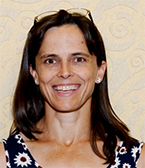
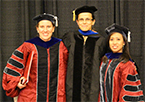
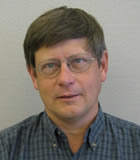
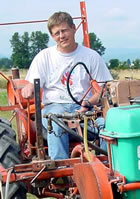
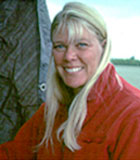
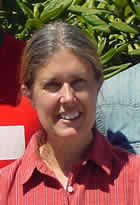
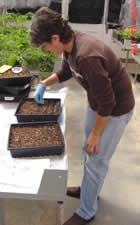
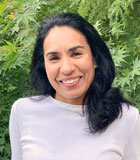
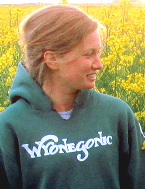
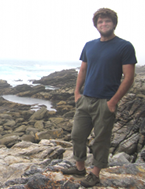
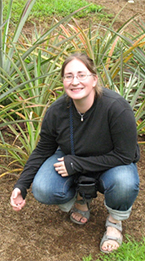
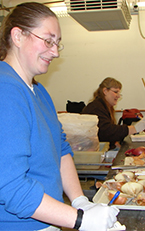
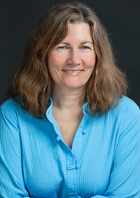
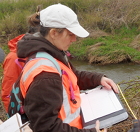
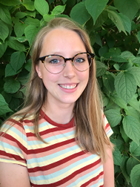
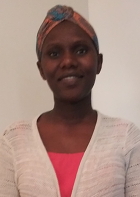
-300x450.jpg)
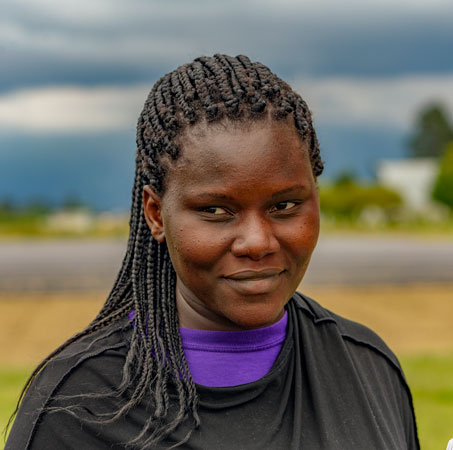
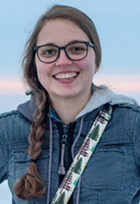

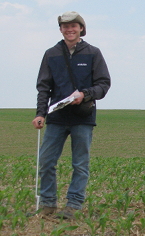
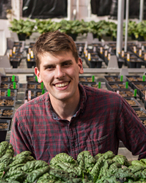
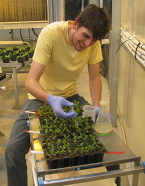
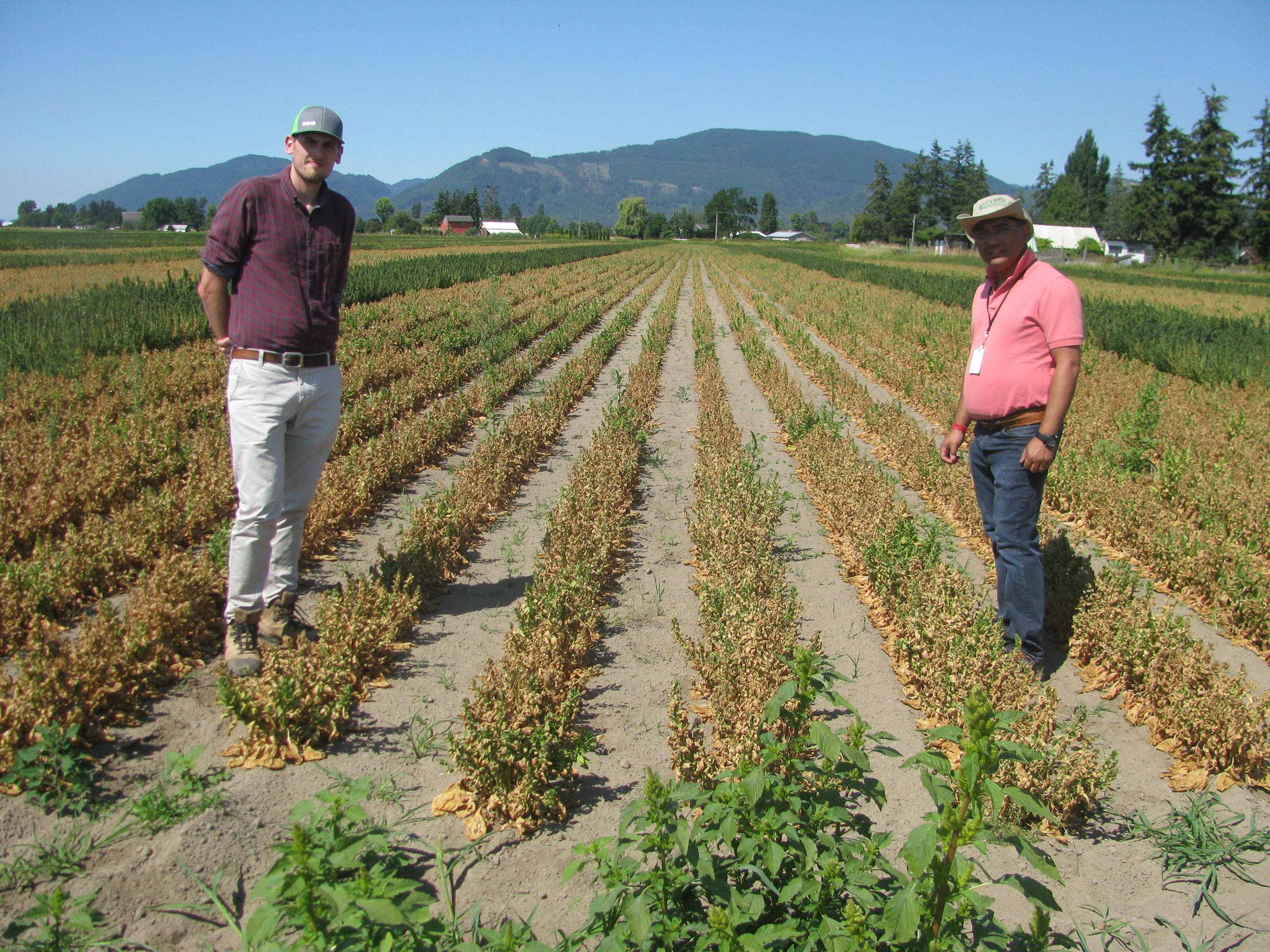
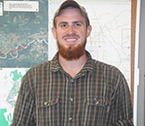
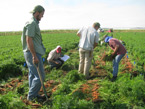
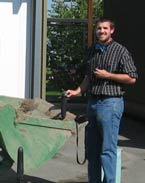

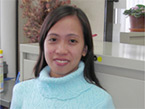
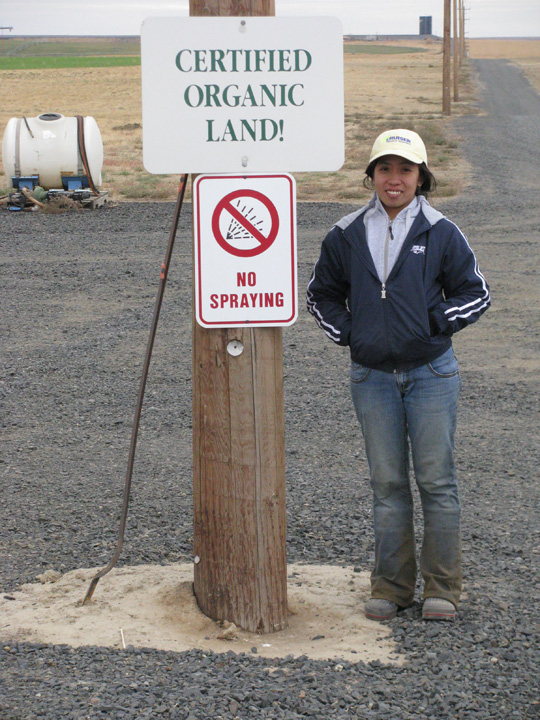
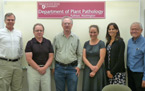
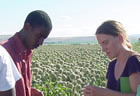
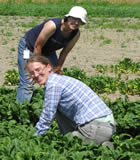
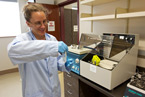
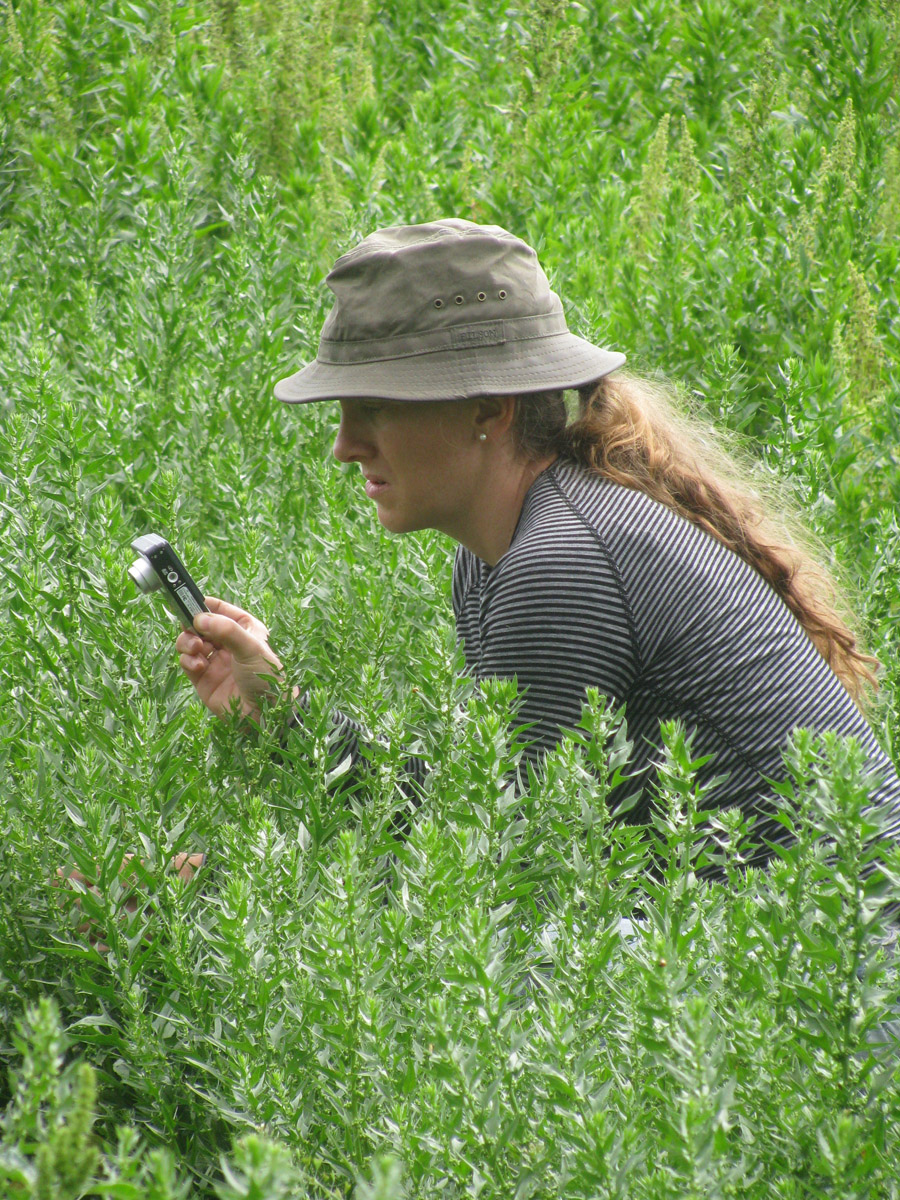
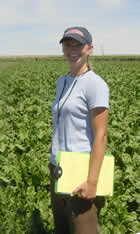
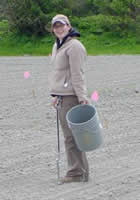
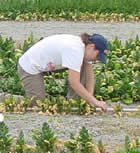
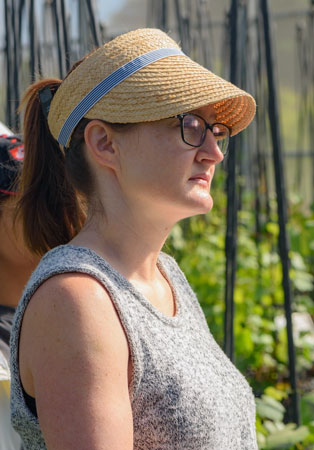
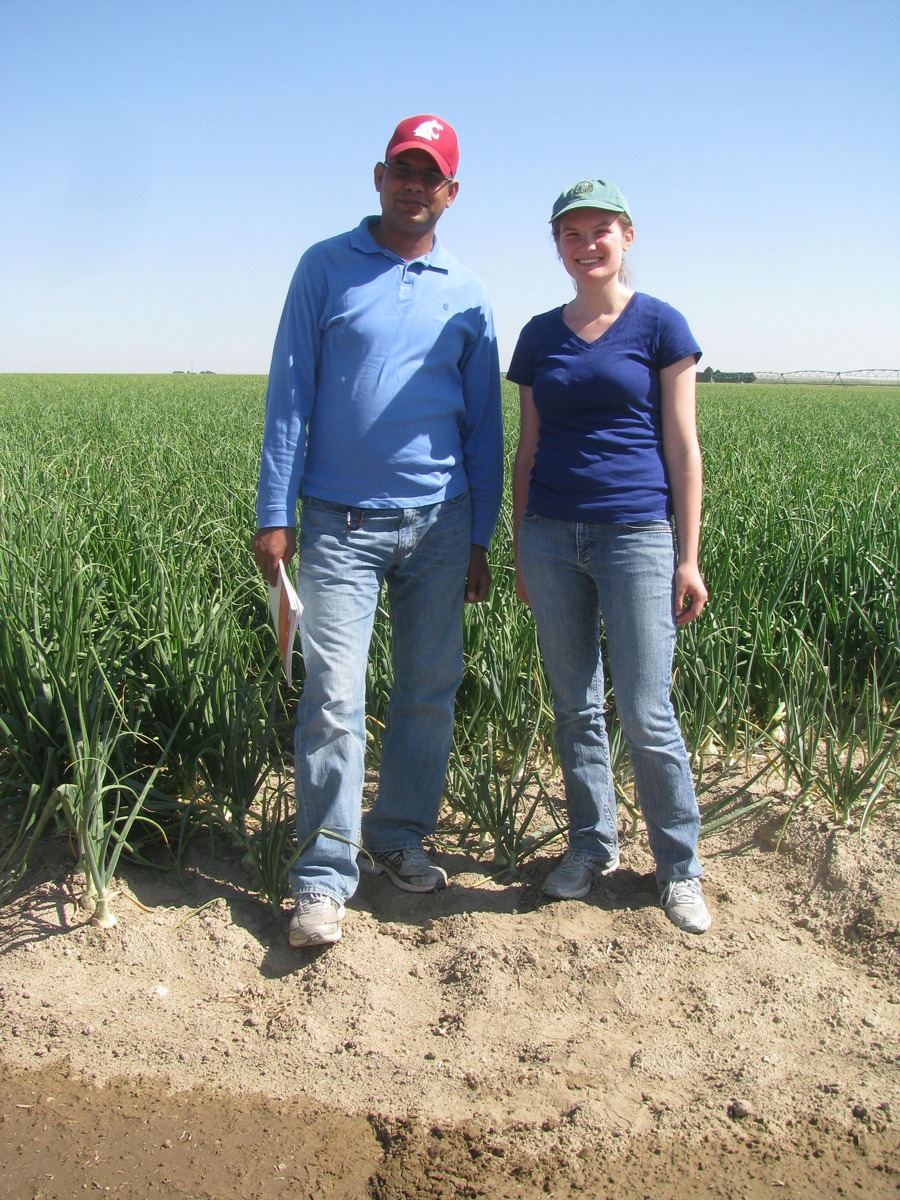


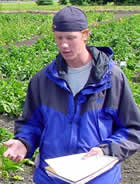
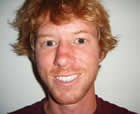
Secondary content using h2 tag.
Lorem ipsum dolor sit amet, consectetur adipisicing elit, sed do eiusmod tempor incididunt ut labore et dolore magna aliqua. Ut enim ad minim veniam, quis nostrud exercitation ullamco laboris nisi ut aliquip ex ea commodo consequat. Duis aute irure dolor in reprehenderit in voluptate velit esse cillum dolore eu fugiat nulla pariatur. Excepteur sint occaecat cupidatat non proident, sunt in culpa qui officia deserunt mollit anim id est laborum.
Heading using the h3 tag
Lorem ipsum dolor sit amet, consectetur adipisicing elit, sed do eiusmod tempor incididunt ut labore et dolore magna aliqua. Ut enim ad minim veniam, quis nostrud exercitation ullamco laboris nisi ut aliquip ex ea commodo consequat. Duis aute irure dolor in reprehenderit in voluptate velit esse cillum dolore eu fugiat nulla pariatur. Excepteur sint occaecat cupidatat non proident, sunt in culpa qui officia deserunt mollit anim id est laborum.